12 Best Activities To Improve Toddlers’ Development: Little Steps, Big Growth

The Best Activities to Improve Toddlers’ Development: Physical, Emotional, and Cognitive Development.

The toddler years are filled with curiosity, giggles, and endless energy. Between the ages of one and three, children experience rapid growth in their physical abilities, language skills, emotions, and thinking patterns. Every small interaction, playful moment, and hands-on experience contributes to shaping their future learning and personality.

As a parent or caregiver, you don’t need expensive toys or structured lessons to help your toddler thrive. Simple, meaningful activities done consistently can make a remarkable difference in your child’s development. Here are some of the best activities that naturally support toddlers’ growth across all areas.

1. Sensory Play for Brain Development

Toddlers learn best through their senses. Sensory play stimulates touch, sight, smell, sound, and even taste, helping build neural connections in the brain.

Activities such as playing with sand, water, clay, rice bins, or homemade dough encourage exploration and creativity. Let your toddler pour water between cups, dig in a sand tray, or squeeze soft dough. These activities improve fine motor skills and concentration.

Sensory play also enhances language development as you describe textures like “soft,” “wet,” “cold,” or “rough.” It builds patience and problem-solving abilities while keeping your little one happily engaged.

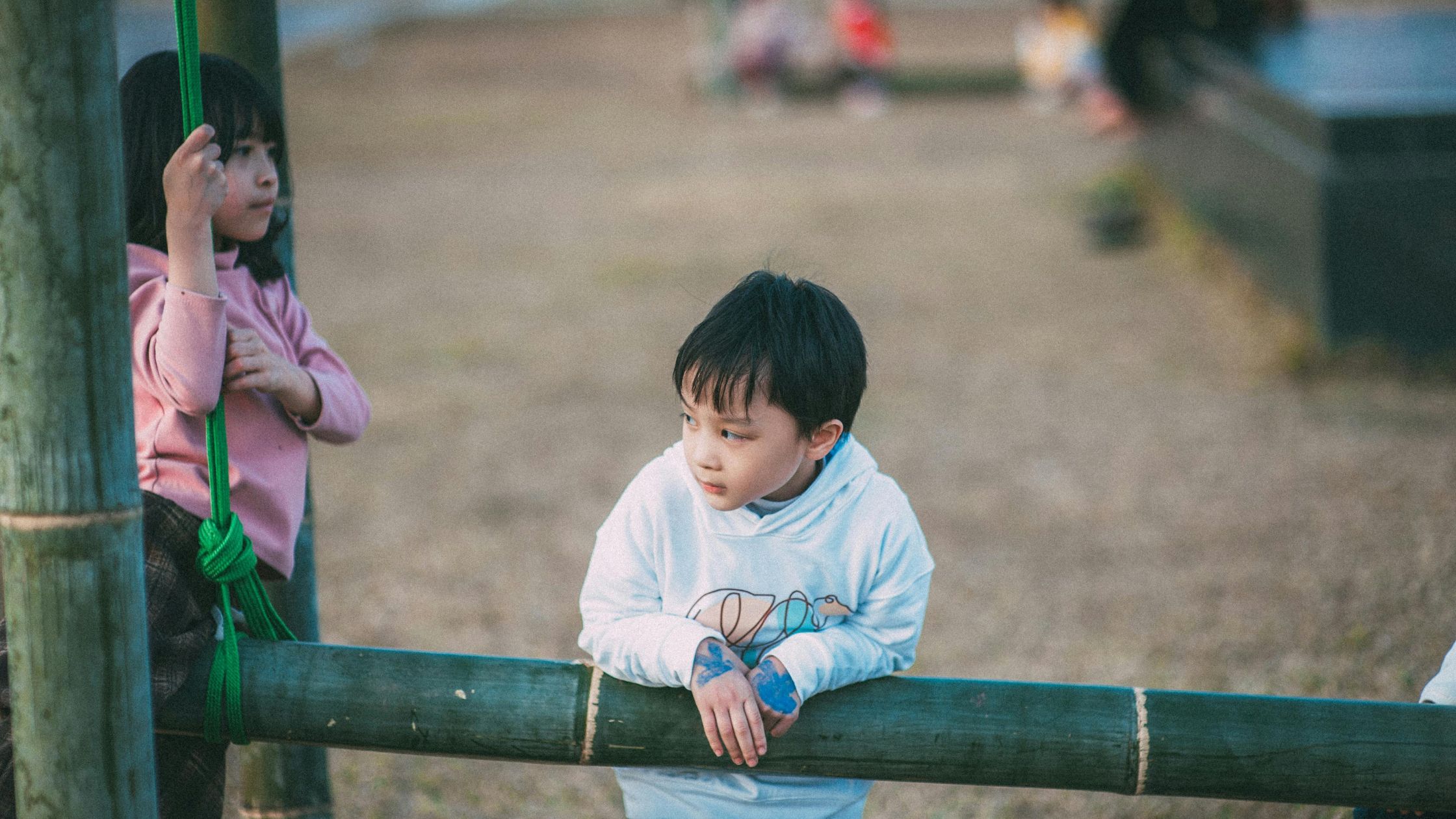
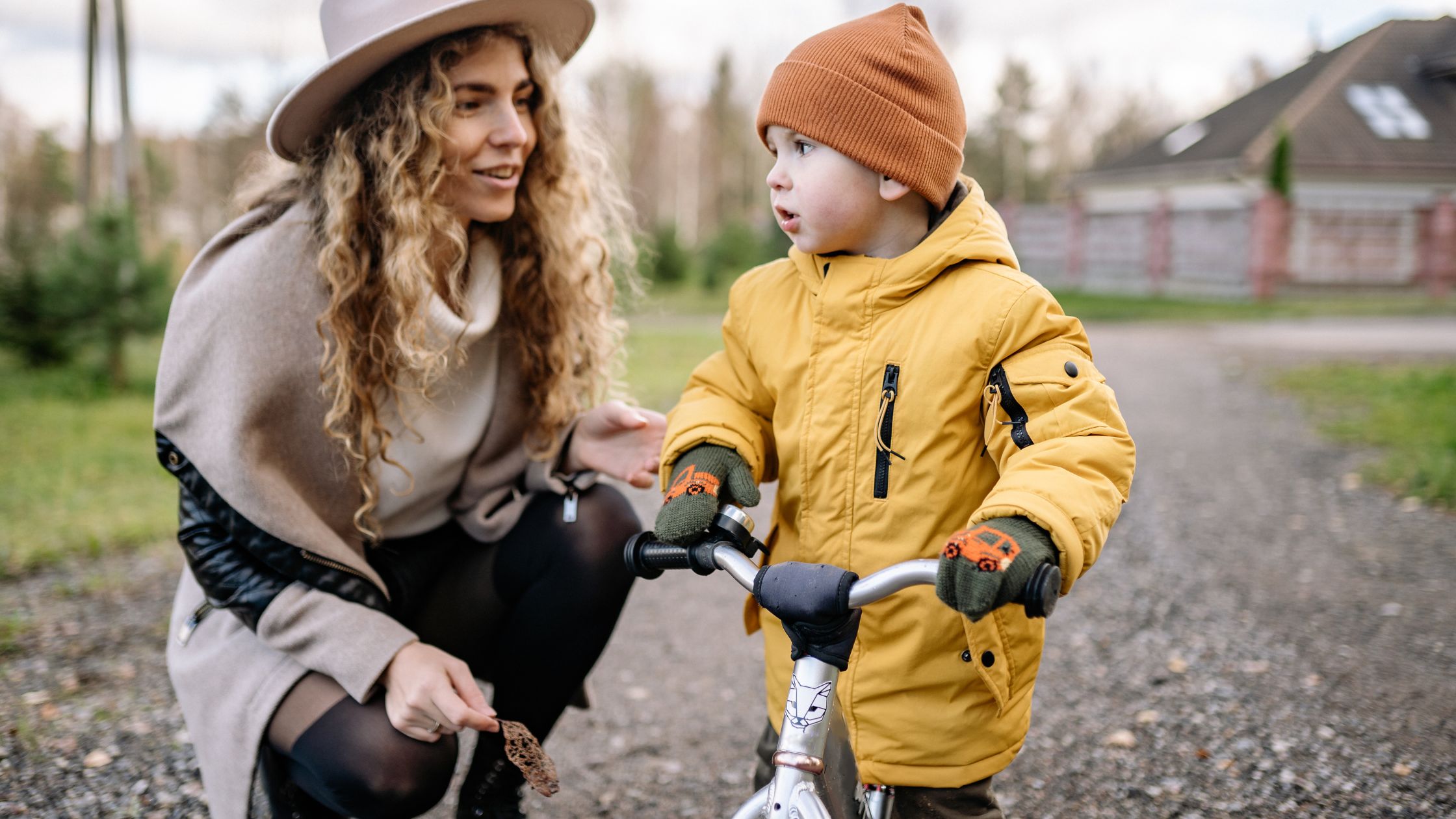
2. Outdoor Play for Physical Strength

Outdoor activities are essential for healthy physical development. Running, jumping, climbing, and balancing strengthen muscles and improve coordination.

Simple outdoor games like playing catch, walking on uneven surfaces, or chasing bubbles enhance gross motor skills. Even a visit to a park allows toddlers to practice climbing ladders and sliding safely.

Sunlight exposure supports Vitamin D production, which helps in bone development. Moreover, outdoor play improves mood and reduces irritability, making toddlers calmer and more focused later in the day.

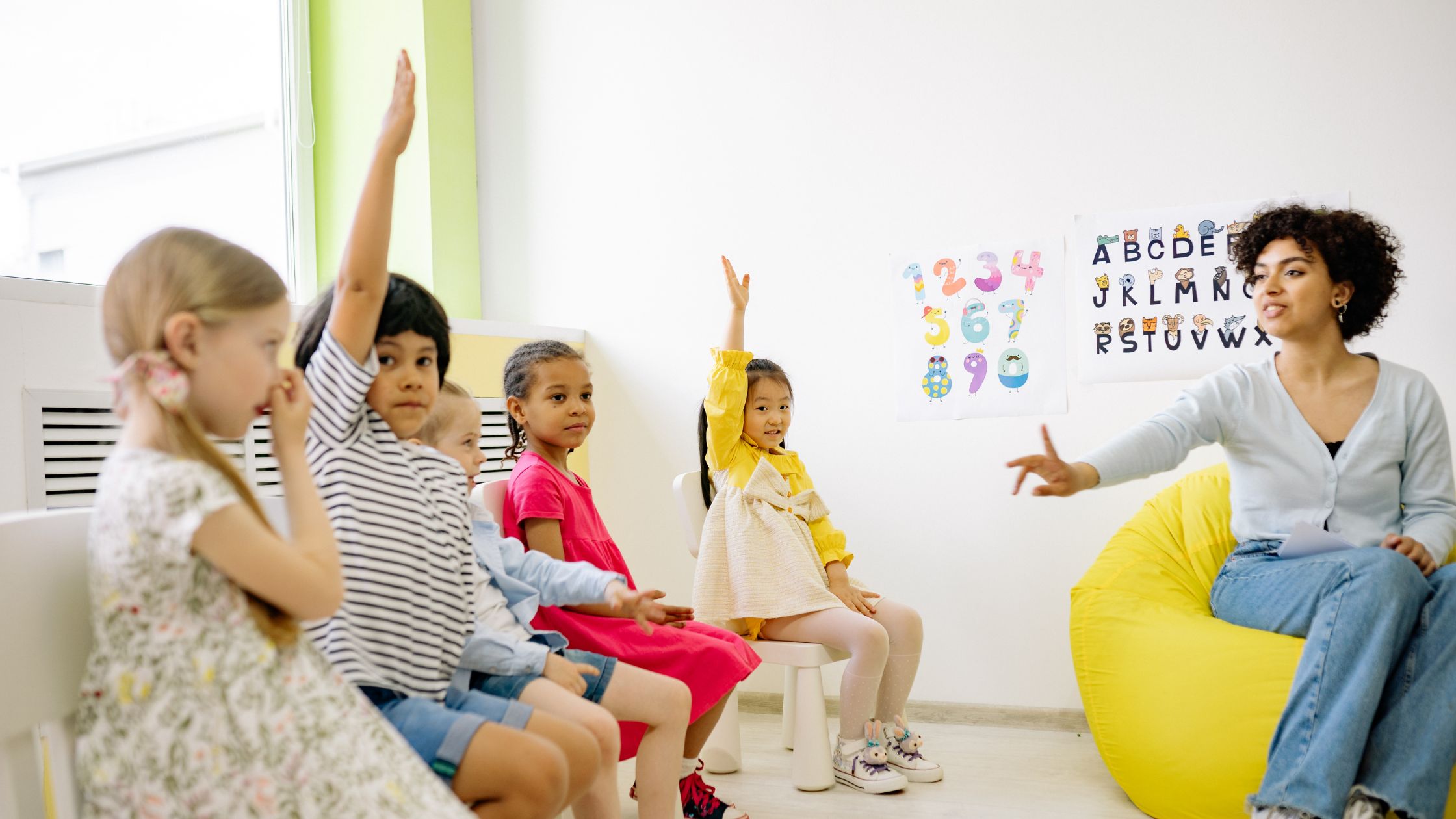
3. Storytelling and Reading for Language Growth

Reading to toddlers daily is one of the most powerful developmental tools. Picture books with bright colors and simple words capture their attention and encourage vocabulary growth.

Ask your child questions like, “Where is the dog?” or “What sound does the cow make?” This interactive approach improves comprehension and communication skills.

Storytelling also enhances imagination and emotional understanding. When toddlers hear stories about feelings—like happiness, fear, or kindness—they begin learning empathy and emotional regulation.

4. Music and Movement for Coordination

Music is magical for toddlers. Singing nursery rhymes, clapping to rhythms, and dancing freely support both physical and cognitive development.

When toddlers move to music, they improve balance, rhythm awareness, and body coordination. Songs with actions, such as clapping or stomping, enhance listening skills and memory.

Music also supports speech development, as repetitive lyrics help toddlers learn new words quickly. It’s a joyful way to bond and build learning skills simultaneously.

5. Building Blocks for Problem-Solving

Stacking blocks may look simple, but it’s a powerful brain-building activity. When toddlers build towers and knock them down, they learn about balance, cause and effect, and spatial awareness.

Encourage your toddler to build different shapes or sort blocks by color and size. This strengthens logical thinking and early math skills.

Block play also fosters patience and persistence. When a tower falls, toddlers learn resilience by trying again.

6. Pretend Play for Social Skills

Pretend play, such as playing house, doctor, or shopkeeper, allows toddlers to explore the world around them. Through role-play, children practice communication, empathy, and problem-solving.

For example, pretending to feed a doll teaches nurturing behavior. Playing with toy kitchen sets encourages imitation of daily routines.

Pretend play also builds creativity and confidence. It helps toddlers express emotions in a safe and imaginative way.

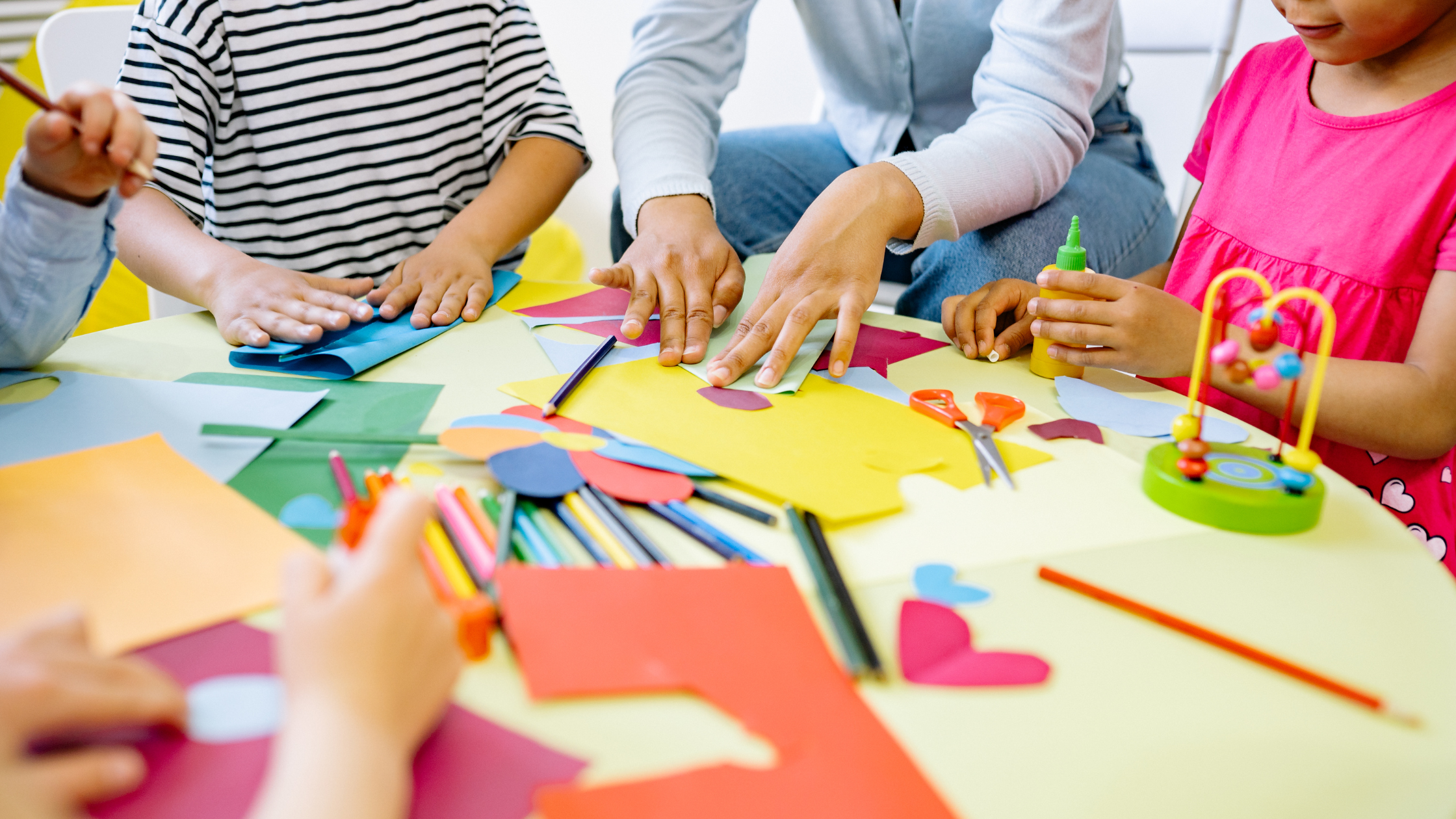
7. Art and Craft for Creativity

Simple art activities like finger painting, scribbling with crayons, or sticking paper pieces improve fine motor skills and hand-eye coordination.

Allow your toddler to explore colors and textures freely without worrying about perfection. The goal is expression, not neatness.

Art boosts self-esteem because toddlers feel proud of their creations. It also strengthens finger muscles, preparing them for future writing skills.

Also Read: 5 Best Extracurricular Activities for Kids: Building Skills Beyond the Classroom

8. Puzzles and Sorting Games for Cognitive Skills

Large, age-appropriate puzzles enhance concentration and memory. Matching shapes, colors, or objects develops logical reasoning.

Sorting everyday items—like separating spoons from forks or grouping toys by size—introduces early classification skills. These simple activities build a strong foundation for future academic learning.

9. Talking and Daily Conversations

Never underestimate the power of conversation. Describe what you’re doing while cooking, cleaning, or shopping. Use simple, clear sentences and encourage your toddler to respond.

Even if their words are unclear, listen attentively and respond positively. This builds confidence and communication skills.

Daily conversations also strengthen emotional bonding and make toddlers feel valued and understood.

10. Simple Household Participation

Toddlers love imitating adults. Allow them to help with small tasks like picking up toys, wiping surfaces, or placing clothes in a basket.

These activities promote independence, responsibility, and motor skills. Praise their efforts rather than the outcome to encourage self-confidence.

Participation in daily routines also helps toddlers understand structure and discipline in a gentle way.

11. Nature Exploration for Curiosity

Exploring nature stimulates curiosity and observation skills. Collect leaves, watch ants, or observe birds together.

Ask simple questions like, “What color is this leaf?” or “How many petals does this flower have?” Such interactions enhance vocabulary and scientific thinking.

Nature also calms toddlers and reduces stress, promoting emotional well-being.

12. Social Interaction with Peers

Playdates and group activities help toddlers learn sharing, cooperation, and patience. Though conflicts may arise, they are valuable learning experiences.

Guide toddlers gently in resolving disagreements, teaching them simple phrases like “My turn” or “Please share.”

These early social lessons form the base for healthy relationships in the future.

Creating a Balanced Routine

While activities are essential, balance is equally important. Avoid overwhelming your toddler with too many structured tasks. Provide a mix of active play, quiet time, creative exploration, and rest.

Follow your child’s interests. If they love music, sing more. If they enjoy building, provide different construction toys. Development happens best when learning feels like fun rather than pressure.

Final Thoughts

Toddler development is not about perfection—it’s about connection, consistency, and curiosity. The most powerful learning experiences often happen during simple, everyday moments.

By engaging your toddler in sensory play, outdoor exploration, reading, music, pretend games, and meaningful conversations, you nurture their body, mind, and heart.

Remember, your presence matters more than any toy or gadget. When you play, talk, laugh, and explore together, you are laying the foundation for lifelong learning and emotional strength.

Little steps taken each day truly lead to big growth in your toddler’s journey.

Also Read: 11 Activities To Improve Your Toddler’s Development

8 Benefits Of Sensory Play: Little Hands, Big Discoveries

Benefits Of Sensory Play: Unlock a Child’s Brain, Boosts Development, and Builds Lifelong Skills.

In the early years of life, children learn about the world not through lectures or textbooks, but through touch, sound, smell, sight, and movement. Every squish of mud between tiny fingers, every splash in a water tub, and every handful of sand poured from one cup to another is more than just play—it is powerful learning in action. Sensory play is one of the most natural and essential ways children explore their environment and develop vital skills.

The benefits of sensory play refer to activities that stimulate a child’s senses—touch, sight, hearing, smell, taste, balance (vestibular sense), and body awareness (proprioception). From playing with clay and finger paints to walking barefoot on grass or listening to different musical tones, sensory experiences help shape a child’s cognitive, physical, emotional, and social growth.

Let’s explore the remarkable benefits of sensory play and why it deserves a central place in every child’s daily routine.

1. Enhances Brain Development

During early childhood, the brain forms millions of neural connections every second. Sensory experiences strengthen these connections. When a child squeezes a sponge, pours water, or sorts textured objects, the brain processes information from multiple senses at once.

These repeated sensory experiences help build pathways in the brain that support complex tasks like problem-solving, language development, and memory. In fact, research shows that hands-on, sensory-rich learning significantly improves cognitive performance compared to passive learning methods.

Simply put, sensory play lays the foundation for strong thinking skills.

2. Improves Fine and Gross Motor Skills

Benefits of sensory play naturally encourage movement. Scooping rice with a spoon, threading beads, or kneading dough strengthens small muscles in the hands and fingers—skills necessary for writing, buttoning clothes, and tying shoelaces.

Meanwhile, activities like jumping on different textured surfaces, balancing on beams, or crawling through obstacle courses enhance gross motor skills. These movements improve coordination, balance, and muscle strength.

Over time, children gain better control of their bodies, increasing independence and confidence.

3. Boosts Language and Communication Skills

When children engage in sensory play, they are exposed to new vocabulary. Words like “smooth,” “rough,” “sticky,” “cold,” “heavy,” and “soft” become meaningful through experience.

As caregivers describe what children are doing—“You’re pouring the water,” “The sand feels grainy,” “That’s a loud sound!”—children learn to connect words with sensations. This builds expressive and receptive language skills.

Group sensory activities also encourage conversation, sharing, and listening, strengthening communication abilities.

4. Encourages Problem-Solving and Creativity

The benefits of sensory play is open-ended. There is no “right” or “wrong” way to explore sand, water, or clay. Children experiment freely—What happens if I mix these colors? Will this object float or sink? How can I build a taller tower?

Through trial and error, they develop critical thinking skills and persistence. Creative exploration also flourishes when children are allowed to manipulate materials in their own way.

Whether they’re building imaginary worlds in a sensory bin or creating patterns with leaves and pebbles, children learn to think outside the box.

5. Supports Emotional Regulation

Young children often struggle to express big emotions. Sensory play can be incredibly calming and therapeutic. Activities like playing with kinetic sand, squeezing stress balls, or slowly pouring water can help reduce anxiety and frustration.

Repetitive sensory actions provide comfort and help regulate the nervous system. For children who experience sensory sensitivities, structured sensory activities can gradually build tolerance and adaptability.

When children feel calm and secure, they are better able to focus and engage in learning.

6. Develops Social Skills

Sensory play often involves sharing materials and space. Whether children are building together in a sandbox or collaborating on a messy art project, they practice turn-taking, cooperation, and empathy.

They learn to negotiate—“Can I use that cup?”—and solve small conflicts. These interactions lay the groundwork for healthy peer relationships.

Group sensory activities also create opportunities for teamwork and joint problem-solving, which strengthen social bonds.

7. Strengthens Sensory Processing Skills

Sensory processing is the brain’s ability to interpret and respond appropriately to sensory information. Some children may be overly sensitive to noise, touch, or movement, while others may seek more intense sensory input.

Regular sensory play helps children better understand and manage sensory input. Exposure to different textures, sounds, and movements supports balanced sensory development.

Over time, children become more adaptable to various environments—whether it’s a noisy classroom or a crowded playground.

8. Builds Independence and Confidence

When children are allowed to explore freely, they gain a sense of control and autonomy. Pouring water without spilling, successfully molding clay, or balancing on stepping stones builds self-esteem.

Even when mistakes happen—like knocking over a tower—children learn resilience. They try again, adjust their approach, and celebrate success.

Each small achievement strengthens their belief in their abilities.

Also Read: 14 Easy Ways To Boost Your Child’s Self-Confidence.

Simple Sensory Play Ideas for Home

You don’t need expensive toys to provide meaningful sensory experiences. Everyday household items can become powerful learning tools.

  • Rice or Pasta Bin: Hide small toys inside for treasure hunts.
  • Water Play: Provide cups, spoons, and funnels for pouring activities.
  • Nature Exploration: Collect leaves, stones, and flowers for texture sorting.
  • DIY Playdough: Let children mix and knead ingredients.
  • Sound Exploration: Use kitchen utensils to create different rhythms.
  • Smell Jars: Introduce mild scents like lemon or vanilla for sensory discovery.

Always ensure supervision, especially with small objects.

Benefits Of Sensory Play for Different Age Groups

Toddlers (1–3 years):
Focus on safe, simple textures like water, soft fabrics, and edible finger paints.

Preschoolers (3–5 years):
Introduce more complex activities like sorting, measuring, mixing colors, and obstacle courses.

Early School Age (5+ years):
Incorporate science-based sensory experiments such as exploring magnetism, density, or plant textures.

Each stage builds upon the previous one, deepening learning and engagement.

The Importance of Messy Play

Many parents hesitate because sensory play can be messy. But mess is often a sign of deep learning. When children are fully immersed, they are experimenting and discovering.

Setting boundaries—like using a plastic mat or outdoor space—can make cleanup manageable. The developmental benefits far outweigh the temporary mess.

Remember, childhood is meant to be hands-on and exploratory.

Final Thoughts

The benefits of sensory play are not just an entertaining activity—it is a powerful tool for holistic development. Through touching, feeling, hearing, seeing, and moving, children build the foundations for thinking, communicating, socializing, and self-regulating.

In a world increasingly filled with screens and structured schedules, sensory play reminds us of the importance of simple, meaningful experiences. A bowl of sand, a splash of water, or a handful of leaves can spark curiosity, imagination, and growth.

When we encourage children to explore through their senses, we are not just keeping them busy—we are helping them build the skills they need for a confident, capable future.

So let them dig, splash, squeeze, and explore. Because in those little moments of messy, joyful play, big learning is happening

.Also Read: How Kids Benefit From Sensory Play

13 Best Tips To Control Kids’ Attitude: Smart Strategies to Positively Shape Your Child’s Attitude

Practical, Loving, and Effective Ways to Control Kids’ Attitude Without Breaking Their Spirit.

Children are not born with “bad attitudes.” What often looks like stubbornness, disrespect, or defiance is usually a mix of emotions, unmet needs, developmental changes, and learned behavior. As parents and caregivers, the goal is not to control a child’s personality but to guide their attitude in a healthy direction. A positive attitude helps children build better relationships, succeed in school, and grow into emotionally strong adults.

If you are wondering how to control kids’ attitude without constant shouting or punishment, this guide will walk you through practical, realistic, and loving strategies that truly work.

Understand the Root Before Reacting

Before correcting behavior, pause and ask: Why is my child acting this way?

Children may show an attitude because of:

  • Hunger or tiredness
  • Feeling ignored
  • Frustration or academic pressure
  • Jealousy (especially with siblings)
  • Lack of emotional vocabulary
  • Testing boundaries (a normal developmental stage)

For example, toddlers often push limits as they discover independence. School-age children may argue more as they develop opinions. Teenagers may appear moody due to hormonal changes and identity exploration.

When you understand the root cause, you respond with wisdom instead of anger.

Model the Attitude You Want to See

Children are excellent observers. They copy tone, language, reactions, and problem-solving styles. If adults shout, complain, or react impulsively, children learn to do the same.

Ask yourself:

  • Do I speak respectfully during conflicts?
  • Do I handle stress calmly?
  • Do I apologize when I make mistakes?

When you model patience, gratitude, and calm communication, your child naturally absorbs those behaviors. Your actions speak louder than any lecture.

Set Clear and Consistent Boundaries

Children feel secure when rules are predictable. Inconsistent discipline confuses them and often increases attitude problems.

Instead of vague instructions like:

  • “Behave properly.”

Try clear expectations:

  • “Speak respectfully.”
  • “No shouting in the house.”
  • “Finish homework before screen time.”

Be consistent with consequences. If you say screen time will be removed for rude behavior, follow through calmly. Consistency builds respect and accountability.

Use Calm Communication Instead of Power Struggles

Arguing with children often escalates the situation. Instead of saying:

  • “Stop talking back right now!”

Try:

  • “I see you’re upset. Let’s talk respectfully.”

Stay calm. Lower your voice instead of raising it. Children often mirror the emotional intensity of adults. A calm tone reduces confrontation and teaches emotional regulation.

If your child is extremely upset, give them space to cool down before discussing behavior.

Teach Emotional Intelligence

Many attitude problems stem from children not knowing how to express their feelings properly. Help them label emotions.

Instead of dismissing feelings:

  • “Stop crying. It’s nothing.”

Try:

  • “Are you feeling disappointed?”
  • “It looks like you’re frustrated.”

When children understand their emotions, they learn healthier ways to communicate instead of reacting with attitude.

You can also introduce simple calming techniques:

  • Deep breathing
  • Counting to ten
  • Drawing feelings
  • Taking a short break

These tools empower them to manage emotions independently.

Reinforce Positive Behavior

Parents often notice mistakes more than good behavior. However, positive reinforcement isa powerful.

Instead of only correcting bad attitude, praise good behavior:

  • “I like how respectfully you asked.”
  • “Thank you for speaking calmly.”
  • “I appreciate your patience.”

When children feel appreciated, they are more motivated to repeat positive behavior.

Even small improvements deserve recognition. Encouragement builds confidence and reduces negative attitudes over time.

Also Read: 6 Surprising Secrets to Raising A Well-Behaved Kid

Offer Choices to Build Responsibility

Children resist when they feel powerless. Giving choices helps them feel respected while still maintaining boundaries.

Instead of:

  • “Wear this now.”

Try:

  • “Do you want the blue shirt or the red one?”

Instead of:

  • “Do your homework.”

Try:

  • “Would you like to start homework now or after a 10-minute break?”

Choices reduce power struggles and build decision-making skills.

Avoid Over-Criticizing

Constant criticism can damage a child’s self-esteem and increase rebellious behavior. Instead of labeling the child:

  • “You’re so rude.”
  • “You always behave badly.”

Focus on the behavior:

  • “That comment sounded disrespectful.”
  • “We don’t speak like that.”

Separate the child from the action. This protects their confidence while correcting the attitude.

Create Strong Emotional Connection

Children with strong emotional bonds are more cooperative. Spend quality time daily—even 15 to 20 minutes of undivided attention makes a difference.

Simple ways to connect:

  • Reading together
  • Playing board games
  • Talking about their day
  • Taking a walk

When children feel emotionally secure, they are less likely to seek attention through negative behavior.

Teach Problem-Solving Skills

Instead of solving every issue for your child, guide them to find solutions.

Ask:

  • “What could you do differently next time?”
  • “How can we fix this situation?”

This teaches accountability and reduces repeated attitude issues.

Stay Patient During Developmental Phases

Different ages come with different challenges:

  • Toddlers: Testing independence
  • School-age children: Peer influence and academic pressure
  • Pre-teens/Teens: Identity formation and emotional changes

Understanding developmental stages prevents overreaction. Some attitude shifts are temporary and part of growth.

Avoid Physical or Harsh Punishment

Harsh punishment may stop behavior temporarily, but often increases resentment and aggression. It teaches fear instead of respect.

Instead, use:

  • Logical consequences
  • Time-outs (age-appropriate)
  • Calm discussions
  • Temporary privilege removal

Discipline should teach, not intimidate.

Encourage Gratitude and Responsibility

Teach children to:

  • He.lp with small chores
  • Say “thank you.”
  • Appreciate what they have

Gratitude reduces entitlement and improves overall attitude. Assign age-appropriate responsibilities to build accountability and maturity.

Seek Support If Needed

If extreme attitude problems persist—such as frequent aggression, severe defiance, or emotional outbursts—it may help to consult a child counselor or pediatrician. Early guidance can prevent long-term behavioral challenges.

Seeking help is a sign of responsible parenting, not failure.

Final Thoughts

Controlling a child’s attitude is not about domination—it’s about guidance. It requires patience, empathy, structure, and consistency. Children learn best through example, connection, and calm leadership.

Every child will test limits at times. That is part of growing up. What matters most is how adults respond. By staying calm, teaching emotional skills, setting clear boundaries, and reinforcing positive behavior, you help shape not just their attitude—but their character.

Remember, today’s lessons become tomorrow’s personality. With love, consistency, and understanding, you can transform sass into strength and attitude into confidence.

Also Read: How To Respond When Your Kid Gives You Attitude

Speech Therapy In Toddlers: Little Voices, Big Progress

How Speech Therapy Transforms Communication Skills in Toddlers.

Every parent eagerly waits to hear their toddler’s first words. From a soft “mama” to a cheerful “bye-bye,” these early sounds feel magical. But what happens when those words are delayed, unclear, or difficult to understand? For many families, this is where speech therapy becomes a guiding light. Speech therapy is not just about correcting pronunciation—it is about unlocking a child’s ability to connect, express, and thrive.

In the early years of life, communication skills develop rapidly. Toddlers typically begin speaking simple words by 12 months and start forming short phrases by 18 to 24 months. However, some children may struggle with speech sounds, vocabulary growth, or understanding language. Early intervention through speech therapy can make a significant difference during this critical stage of brain development.

Also Read: Improve Communication Skills in Children: 9 Simple and Effective Ways

Why Early Intervention Matters

The toddler years are a window of opportunity. A child’s brain is highly adaptable, making it easier to build new communication pathways. When speech or language delays are addressed early, children are more likely to catch up with their peers before entering preschool.

Speech therapy during toddlerhood supports:

  • Vocabulary development
  • Clear pronunciation of sounds
  • Understanding instructions
  • Expressing needs and emotions
  • Social interaction skills

The earlier the support begins, the smoother the learning process tends to be. Waiting too long may lead to frustration, behavioral issues, or challenges in school readiness.

What Speech Therapy Involves

Speech therapy for toddlers is play-based and engaging. Therapists use toys, books, songs, and games to encourage communication in a natural and enjoyable way. Sessions are designed to feel like playtime rather than formal lessons.

A licensed speech-language pathologist (SLP) evaluates the child’s abilities and creates a personalized plan. Therapy may focus on:

  • Improving sound production
  • Expanding vocabulary
  • Encouraging two-word combinations
  • Enhancing listening and comprehension skills
  • Strengthening oral muscles if needed

Parents are often involved in the sessions and receive strategies to practice at home. This collaboration ensures consistent reinforcement beyond the therapy room.

Common Signs a Toddler May Need Speech Therapy

While each child develops at their own pace, certain signs may indicate the need for professional support:

  • Limited vocabulary for their age
  • Difficulty forming words or sounds
  • Not combining two words by age two
  • Trouble following simple instructions
  • Frequent frustration when trying to communicate
  • Lack of eye contact or social engagement

In some cases, speech delays may be linked to developmental conditions such as Autism Spectrum Disorder, hearing loss, or other underlying challenges. Early screening helps identify these concerns and ensures timely intervention.

The Benefits of Speech Therapy in Toddlers

1. Boosts Confidence

When toddlers learn to express themselves clearly, they feel understood. This reduces frustration and builds self-confidence. Children who can communicate effectively are more likely to participate in group activities and social interactions.

2. Improves Social Skills

Communication is the foundation of relationships. Through therapy, toddlers learn turn-taking, eye contact, and conversational skills. These abilities help them connect with peers and caregivers.

3. Enhances Academic Readiness

Strong language skills form the basis for reading and writing later on. Early speech therapy lays the groundwork for literacy by strengthening listening, comprehension, and vocabulary development.

4. Reduces Behavioral Challenges

Many behavioral outbursts stem from communication difficulties. When a child cannot express hunger, discomfort, or feelings, frustration may lead to tantrums. Speech therapy gives toddlers the tools to communicate their needs calmly.

5. Strengthens Parent-Child Bond

Therapy often includes parent training, which improves communication at home. Parents learn techniques such as modeling correct speech, expanding sentences, and encouraging conversation during daily routines. This strengthens emotional connection and understanding.

How Long Does Speech Therapy Take?

The duration of therapy varies depending on the child’s needs. Some toddlers may show progress within a few months, while others may require longer support. Consistency, parental involvement, and the nature of the delay all influence outcomes.

Regular practice at home significantly enhances progress. Simple activities like reading picture books, singing nursery rhymes, and narrating daily routines can reinforce therapy goals.

Play-Based Techniques Used in Therapy

Speech therapy for toddlers is never rigid or intimidating. Instead, therapists creatively use everyday play to stimulate language growth.

Some common techniques include:

  • Interactive play: Using dolls, cars, or kitchen sets to encourage conversation.
  • Bubbles and sound imitation: Encouraging toddlers to say “pop” or “more.”
  • Picture books: Naming objects and asking simple questions.
  • Songs and rhymes: Building rhythm and sound awareness.
  • Modeling and expansion: Repeating and slightly expanding a child’s words.

These playful methods keep toddlers engaged while steadily improving their communication abilities.

Addressing Myths About Speech Therapy

Despite its effectiveness, some myths prevent parents from seeking early help.

Myth 1: “My child will outgrow it.”
While some late talkers catch up naturally, others benefit greatly from professional support. Early evaluation provides clarity and peace of mind.

Myth 2: “Speech therapy is only for severe problems.”
Speech therapy supports a wide range of challenges, from mild pronunciation issues to more complex language delays.

Myth 3: “Therapy is stressful for toddlers.”
On the contrary, sessions are designed to be fun and interactive. Most toddlers enjoy the attention and playful activities.

The Role of Parents in Success

Parents play a vital role in speech therapy effectiveness. Daily interactions offer countless learning opportunities. Simple strategies include:

  • Speaking slowly and clearly
  • Giving the child time to respond
  • Avoiding constant correction
  • Encouraging imitation through play
  • Limiting excessive screen time
  • Celebrating small achievements

Consistency at home multiplies the impact of therapy sessions.

When to Seek Professional Help

If you feel uncertain about your toddler’s speech development, trust your instincts. Pediatricians can guide you toward evaluation services. In many regions, early intervention programs are available for children under three years old.

Hearing tests are often recommended to rule out hearing difficulties. Once assessment is complete, therapists design a plan tailored to your child’s strengths and needs.

Long-Term Impact of Early Speech Therapy

Research consistently shows that early speech intervention improves long-term outcomes. Children who receive timely support often demonstrate stronger language skills, better social adjustment, and smoother transitions into school environments.

Effective communication empowers toddlers not only to speak but to think, learn, and build relationships. It lays a foundation that influences academic performance and emotional well-being for years to come.

Final Thoughts

Every toddler’s journey with words is unique. Some chatter endlessly from an early age, while others need a little extra time and guidance to find their voice. What truly matters is not how quickly a child speaks, but how confidently and comfortably they learn to communicate. Speech therapy offers that gentle guidance during one of the most important stages of development.

When parents choose early intervention, they are not labeling their child—they are empowering them. They are opening doors to clearer expression, smoother social interactions, and stronger emotional connections. Small improvements, like saying a new word or forming a short sentence, are big victories that build lasting confidence.

The toddler years pass quickly, but the communication skills developed during this time shape a lifetime of learning and relationships. With patience, encouragement, and professional support when needed, children can overcome speech challenges and thrive. Sometimes, all it takes is the right support at the right time to help a little voice grow into a powerful one.

Also Read: What Is Speech Therapy?

12 Best Tips To Building Your Child’s Social Skills.

Practical strategies to help your child’s social skills, communicate confidently, make friends easily, and thrive in every social setting.

In today’s fast-moving and highly connected world, a child’s social skills are just as important as academic achievements. A child who can communicate clearly, understand others’ feelings, resolve conflicts, and build friendships confidently is better equipped for lifelong success. Social skills shape how children interact with family, peers, teachers, and eventually colleagues.

Building your child’s social skills does not happen overnight. It is a gradual process that begins in infancy and continues through adolescence. With patience, guidance, and everyday practice, parents can nurture these essential abilities in meaningful ways.

Why A Child’s Social Skills Matter

A child’s social skills influence a child’s emotional well-being, academic success, and future career prospects. Children with strong interpersonal abilities tend to:

  • Build healthy friendships
  • Express their thoughts confidently
  • Handle disagreements calmly
  • Show empathy and kindness
  • Adapt well to new environments

On the other hand, children who struggle socially may feel isolated, anxious, or misunderstood. The good news is that social skills can be taught and strengthened at any stage of development.

Start Early: The Foundation Years

Social development begins at home. Even infants learn by observing facial expressions, tone of voice, and body language. As toddlers grow, they begin imitating behaviors and learning basic social rules.

Simple activities like smiling, maintaining eye contact, and responding warmly to your baby’s sounds lay the groundwork for communication. As children grow, encourage them to:

  • Say “please” and “thank you.”
  • Greet people politely
  • Take turns during play
  • Share toys with siblings

Consistency and modeling are key. Children learn more from what they see than what they are told.

Teach Empathy Through Everyday Moments

Empathy—the ability to understand and share another person’s feelings—is at the heart of strong social skills. You can nurture empathy by helping your child identify emotions in themselves and others.

For example, if your child sees another child crying, you might say, “She looks sad. What do you think happened?” This encourages perspective-taking. When your child experiences frustration or disappointment, acknowledge their feelings instead of dismissing them.

Reading storybooks together also offers excellent opportunities to discuss characters’ emotions and choices. Ask open-ended questions like, “How do you think he felt?” or “What would you do in that situation?”

Encourage Cooperative Play

Play is one of the most powerful tools for social learning. Through play, children practice sharing, negotiating, problem-solving, and teamwork.

Arrange playdates with children of similar ages. Structured activities such as building blocks, board games, or team-based crafts encourage cooperation. Unstructured play, like pretend games, allows children to practice communication and creativity.

During conflicts, resist the urge to immediately intervene. Instead, guide them by asking, “How can we solve this problem?” This teaches conflict resolution rather than dependence on adult solutions.

Develop Communication Skills

Effective communication includes both speaking and listening. Teach your child to:

  • Maintain eye contact while talking
  • Wait for their turn to speak
  • Listen without interrupting
  • Use respectful language

Practice conversations at home. Role-play common social scenarios such as introducing themselves to a new classmate or asking to join a game. These rehearsals boost confidence in real-life situations.

Encourage your child to express feelings using words instead of actions. For instance, teach them to say, “I feel upset when you take my toy,” rather than reacting physically.

Also Read: Improve Communication Skills in Children: 9 Simple and Effective Ways

Foster Emotional Regulation

Children who can manage their emotions are better prepared to handle social situations. Emotional regulation helps prevent outbursts and supports positive interactions.

Teach calming techniques such as:

  • Deep breathing exercises
  • Counting slowly to ten
  • Taking a short break when overwhelmed

Create a safe space where your child feels comfortable sharing emotions without judgment. When children understand their feelings, they are less likely to react impulsively in social settings.

Promote Team Activities

Group activities provide valuable opportunities for social growth. Consider enrolling your child in sports, dance classes, art groups, or music lessons. Being part of a team teaches cooperation, discipline, and respect for rules.

Sports, in particular, encourage teamwork and resilience. Children learn to win gracefully and lose with dignity. They also practice leadership and collaboration skills.

Even family activities like cooking together or organizing a small event can teach responsibility and teamwork.

Model Positive Social Behavior

Children observe adults closely. If they see parents communicating respectfully, apologizing when wrong, and showing kindness, they are more likely to mirror these behaviors.

Demonstrate active listening by giving your child full attention during conversations. Avoid interrupting or dismissing their concerns. Show them how to handle disagreements calmly and respectfully.

When conflicts arise at home, use them as teaching moments. Explain how compromise works and why understanding others’ perspectives matters.

Teach Problem-Solving Skills

Social challenges are inevitable. Teaching children how to solve problems independently builds confidence.

When your child faces a disagreement with a friend, guide them through steps such as:

  1. Identify the problem
  2. Think of possible solutions
  3. Consider the consequences
  4. Choose the best option

Avoid solving every issue for them. Instead, empower them to think critically and make decisions.

Limit Screen Time and Encourage Real Interaction

While technology offers many benefits, excessive screen time can reduce opportunities for face-to-face interaction. Encourage activities that involve direct communication, such as family discussions, outdoor games, and group projects.

Balance digital engagement with real-world social experiences. Encourage your child to talk about their day, describe experiences, and engage in meaningful conversations.

Support Shy or Introverted Children

Not all children are naturally outgoing, and that is perfectly normal. A child’s social skills do not mean being the loudest in the room; they mean being comfortable and respectful in interactions.

If your child is shy:

  • Avoid labeling them as “shy” in front of others
  • Provide small, gradual social opportunities
  • Praise effort, not just results

Confidence grows through positive experiences. Celebrate small achievements, such as initiating a conversation or participating in a group activity.

Recognize and Address Social Difficulties

If your child consistently struggles with making friends, understanding social cues, or managing emotions, consider seeking guidance from a teacher, school counselor, or child development specialist.

Early support can make a significant difference. Many children benefit from social skills groups, where they practice interactions in structured settings.

Create a Supportive Environment

A nurturing home environment forms the backbone of social development. Encourage open communication, celebrate individuality, and provide reassurance during setbacks.

Remember that every child develops at their own pace. Comparing your child to others may create unnecessary pressure. Instead, focus on gradual improvement and consistent encouragement.

Final Thoughts

Building your child’s social skills is a lifelong journey that begins at home and extends into school and community life. Through empathy, communication, cooperation, and emotional understanding, children learn how to connect meaningfully with others.

Parents play a powerful role in shaping these abilities. By modeling positive behavior, encouraging healthy interactions, and providing gentle guidance during challenges, you give your child the tools needed to navigate friendships, classrooms, and eventually workplaces with confidence.

Social skills are not simply about making friends—they are about building resilience, understanding diversity, and developing emotional intelligence. With patience, practice, and support, your child can grow into a compassionate, confident individual ready to thrive in any social environment.

Also Read: 14 Ways to Build Your Child’s Social Skills From Home

8 Best Preschools in India: Little Steps, Big Beginnings

A Complete Guide to the Different Types of Preschools in India.

The early years of a child’s life are filled with curiosity, imagination, and rapid learning. Preschool plays a vital role in shaping a child’s emotional, social, and cognitive development. In India, preschool education has evolved tremendously over the years, offering parents a wide variety of options to suit different parenting philosophies, budgets, and child needs.

From traditional nursery schools to international Montessori centers, Indian parents today have more choices than ever before. Understanding the different types of preschools in India can help you make a confident and informed decision for your little one.

Let’s explore the major types of preschools in India and what makes each unique.

1. Traditional Nursery Schools

Traditional nursery schools are among the oldest forms of preschool education in India. These schools typically focus on preparing children for formal schooling through structured learning.

Key Features:

  • Fixed curriculum
  • Teacher-led instruction
  • Emphasis on alphabets, numbers, and basic writing skills
  • Group activities like rhymes, storytelling, and art

These preschools follow a more academic-oriented approach and may include assessments or worksheets. They are often budget-friendly and widely available across cities and towns.

This type of preschool works well for parents who prefer structure and early academic preparation.

2. Montessori Schools

Montessori preschools follow the philosophy developed by Maria Montessori, which emphasizes independence, hands-on learning, and respect for a child’s natural psychological development.

Key Features:

  • Self-directed activities
  • Special Montessori learning materials
  • Mixed-age classrooms
  • Focus on practical life skills

Instead of traditional teaching methods, children learn through exploration and guided discovery. Teachers act as facilitators rather than instructors.

Montessori schools are increasingly popular in metro cities like Delhi, Mumbai, and Bangalore, but they are also expanding into smaller cities.

This approach suits children who thrive in calm, flexible, and self-paced environments.

Also Read: 12 Fun Mental Health Activities For Kids: Simple Ways to Boost Their Emotional Well-Being

3. Playway Schools

Playway schools are one of the most popular preschool types in India today. They focus on learning through play, creativity, and exploration.

Key Features:

  • Activity-based learning
  • Minimal formal writing work
  • Emphasis on social interaction
  • Fun-based teaching methods

Children learn alphabets, numbers, shapes, and colors through games, songs, storytelling, and group activities. The goal is to make learning joyful and stress-free.

Playway preschools are ideal for children who are energetic, social, and curious.

4. Waldorf or Steiner Schools

Waldorf education is based on the philosophy of Rudolf Steiner. Though less common in India compared to Montessori and Playway, Waldorf schools are gaining attention among parents seeking holistic development.

Key Features:

  • Emphasis on imagination and creativity
  • Use of natural materials
  • Limited exposure to screens
  • Focus on storytelling and the arts

Academic instruction is introduced gradually, with more emphasis on emotional and artistic growth in early years.

This preschool style suits parents who value creativity, simplicity, and emotional development over early academics.

5. Reggio Emilia Approach Schools

The Reggio Emilia approach originated in Italy and has recently entered the Indian preschool landscape, especially in metropolitan cities.

Key Features:

  • Project-based learning
  • Child-led exploration
  • Strong parent involvement
  • Learning through art and expression

Children are encouraged to ask questions, investigate topics, and express ideas creatively. Teachers document children’s progress through observations rather than tests.

This approach works well for parents who want their child to develop critical thinking and creativity from an early age.

6. International Preschools

International preschools often follow global curricula such as the International Baccalaureate (IB) Primary Years Programme or Cambridge Early Years.

Key Features:

  • Global curriculum
  • Multicultural environment
  • English-medium instruction
  • Modern infrastructure

These preschools are usually located in metropolitan cities and cater to families looking for an international educational pathway.

They may be more expensive, but they offer exposure to global standards of learning.

7. Government-Aided and Anganwadi Centers

Government-run Anganwadi centers operate under the Integrated Child Development Services (ICDS) scheme in India.

Key Features:

  • Affordable or free education
  • Nutritional support programs
  • Focus on basic early childhood care
  • Community-based learning

Anganwadi centers primarily serve rural and economically weaker sections, providing foundational education and nutrition.

They play a crucial role in early childhood development across India.

8. Corporate Franchise Preschools

Corporate preschool chains have grown rapidly in India over the past decade. Popular names include:

  • Kidzee
  • EuroKids

Key Features:

  • Standardized curriculum
  • Branded teaching methods
  • Modern classrooms
  • Activity-based programs

These preschools combine structured learning with play-based approaches. They often provide daycare facilities as well.

Corporate preschools are convenient for working parents and are widely available in urban areas.

How to Choose the Right Preschool in India

With so many options available, selecting the right preschool can feel overwhelming. Here are some practical tips:

  • Consider your child’s personality.
  • Visit the school in person.
  • Observe teacher-child interaction.
  • Check safety measures and hygiene.
  • Understand the curriculum and daily routine.
  • Compare fees and facilities.

Every child is different, and no single preschool type fits all. The best choice depends on your child’s learning style, your family values, and long-term educational goals.

Final Thoughts

Preschool is more than just a stepping stone to formal education—it’s where children build confidence, curiosity, and social skills that last a lifetime. India’s preschool landscape reflects diversity, innovation, and growing awareness about early childhood education.

Whether you choose a traditional nursery, Montessori setup, playway school, or international program, what truly matters is a nurturing environment where your child feels safe, happy, and encouraged to explore.

The right preschool doesn’t just teach ABCs and 123s—it shapes attitudes, habits, and love for learning. As parents, taking the time to understand these different types of preschools in India will ensure that your child’s first school experience is joyful, meaningful, and full of discovery.

Also Read: 6 Types of Preschool Programs

15 Most Common Potty Training Mistakes: Little Steps, Big Lessons

Avoid These Common Potty Training Mistakes for a Stress-Free Journey.

Potty training is one of the most significant milestones in a child’s early years. It marks a step toward independence and signals growing awareness and control. For many parents, however, this stage can feel overwhelming. Excitement often mixes with anxiety, and expectations sometimes clash with reality. While every child learns at their own pace, certain common mistakes can make the process longer and more stressful than it needs to be.

Understanding these pitfalls can help you guide your child with patience, confidence, and positivity. Let’s explore the most common potty training mistakes and how to avoid them.

1. Starting Too Early

One of the biggest potty-training mistakes parents make is starting before their child is developmentally ready. Many families feel pressure from relatives, daycare requirements, or social comparisons. However, readiness is not about age alone.

Signs of readiness include:

  • Staying dry for longer periods
  • Showing interest in the bathroom
  • Communicating the need to go
  • Pulling pants up and down independently

Starting too early can lead to frustration for both parent and child. If your child resists strongly or shows no awareness of bodily signals, it may be better to pause and try again in a few weeks.

Also Read: 15Best Tips Of Potty Training For Kids Made Easy

2. Waiting Too Long

On the other hand, delaying potty training mistakes for too long can also create challenges. Some children become deeply attached to diapers and resist change. As children grow older, habits become stronger, and breaking them may require extra patience.

The key is balance. Observe your child’s cues and choose a time when you can dedicate consistent attention to the process.

3. Expecting Instant Results

Potty training mistakes are not a one-day event—it’s a learning process. Many parents expect their child to “get it” within a few days. While some children adapt quickly, most need weeks or even months to fully master it.

Accidents are part of learning. Reacting with disappointment or anger can create anxiety and setbacks. Instead, treat accidents calmly and reassure your child that mistakes are normal.

4. Using Punishment or Shame

Punishment is one of the most harmful potty training mistakes. Shaming a child for accidents can damage self-esteem and create fear around bathroom habits. Statements like “Why did you do that?” or “You’re a big kid now!” may unintentionally make children feel embarrassed.

A positive approach works best:

  • Praise efforts, not just successes.
  • Celebrate small achievements.
  • Use encouraging words and a supportive tone.

Children thrive when they feel safe and understood.

5. Overusing Rewards

While small rewards can motivate some children, relying too heavily on them may backfire. If a child expects a treat every time they use the potty, they may lose intrinsic motivation.

Instead of large prizes, try:

  • Verbal praise
  • High-fives
  • Sticker charts are used moderately

The goal is to help children feel proud of themselves rather than dependent on external rewards.

6. Being Inconsistent

Consistency is crucial during potty training. Switching between diapers and underwear frequently can confuse your child. If you decide to begin, commit to a clear plan—at least during waking hours.

Mixed signals, such as saying “You’re a big kid now” while still using diapers most of the time, can delay progress. Clear routines help children understand expectations.

7. Ignoring Nighttime Differences

Daytime and nighttime potty training are separate milestones. Some parents expect both to happen simultaneously, but nighttime dryness depends largely on physical development and hormonal maturity.

It’s normal for children to stay dry during the day but still need nighttime protection for months or even years. Patience is essential.

8. Comparing Your Child to Others

Every child develops at their own pace. Comparing your child to siblings, cousins, or classmates can create unnecessary stress. Statements like “Your friend is already trained” can make children feel pressured.

Remember:

  • Each child’s timeline is unique.
  • Developmental readiness varies widely.
  • Confidence grows when children feel accepted.

Focus on your child’s progress rather than external benchmarks.

9. Over-Reminding or Forcing

Constantly asking, “Do you need to go?” every few minutes can make children feel pressured. While gentle reminders are helpful, excessive prompting can reduce their ability to recognize natural body signals.

Encourage awareness by:

  • Setting regular potty breaks
  • Asking calmly at reasonable intervals
  • Letting them initiate when possible

The goal is independence, not dependency.

10. Making It a Power Struggle

Potty training can quickly turn into a battle of wills. If a child senses pressure or control, they may resist simply to assert independence. Refusal to sit on the potty, holding urine, or tantrums may follow.

If this happens:

  • Stay calm.
  • Avoid forcing.
  • Take a short break from training if needed.

Sometimes stepping back for a week can reset the situation entirely.

11. Not Preparing Properly

Rushing into potty training without preparation can lead to confusion. Make sure your child understands what the potty is for before expecting results.

Helpful preparation steps include:

  • Reading potty-themed books
  • Demonstrating bathroom routines
  • Letting them observe older siblings
  • Choosing fun underwear together

Preparation builds familiarity and comfort.

12. Overlooking Emotional Readiness

Major life changes—like moving homes, starting daycare, or welcoming a new sibling—can reduce potty training mistakes. During times of emotional stress, children may regress or resist learning new skills.

Choose a calm, stable period to begin. Emotional security supports smoother progress.

13. Reacting Too Strongly to Accidents

Accidents are inevitable. The way parents respond matters more than the accident itself. Overreacting can make children anxious and fearful.

Instead:

  • Clean up calmly.
  • Reassure your child.
  • Gently remind them to try the potty next time.

A relaxed response keeps the learning environment positive.

14. Expecting Boys and Girls to Learn the Same Way

While every child is different, some boys may take slightly longer to show readiness. Additionally, boys often learn best by observing male role models.

Avoid stereotypes, but remain flexible. Adapt your approach based on your child’s personality and learning style.

15. Giving Up Too Quickly

Sometimes parents stop potty training after a few difficult days. While breaks are helpful when frustration rises, quitting permanently at the first sign of struggle can delay progress.

Consistency, patience, and encouragement often lead to steady improvement over time.

Final Thoughts

Potty training mistakes are less about perfection and more about partnership. Mistakes are part of parenting, and learning from them makes the journey smoother. The key is patience, consistency, and empathy.

Every child eventually learns this skill. Some need a gentle push, others need more time. By avoiding common mistakes—like starting too early, using shame, or creating pressure—you build a supportive environment where your child feels confident and capable.

In the end, potty training is not just about teaching bathroom habits. It’s about building trust, encouraging independence, and celebrating growth—one small step at a time.

Also Read: Common Potty Training Mistakes to Avoid

15Best Tips Of Potty Training For Kids Made Easy

Potty Training For Kids: Stress-Free Tips to Help Your Child Transition from Diapers to Independence.

Potty training is one of the biggest milestones in your child’s early years. It marks the beginning of independence and helps build confidence, responsibility, and self-awareness. However, for many parents, the process can feel overwhelming. Questions like “When should I start?”, “What if my child refuses?”, and “How long will it take?” often create anxiety.

The truth is, potty training doesn’t have to be stressful. With patience, preparation, and the right approach, you can make this transition smooth and even enjoyable for your child. Here’s a complete guide filled with practical, proven potty training tips to help you and your little one succeed.

1. Look for Signs of Readiness

Every child is different. Some are ready at 18 months, while others may not show interest until they are 3 years old. Instead of focusing on age, look for readiness signs such as:

  • Staying dry for 2 hours or more
  • Showing interest in the bathroom
  • Telling you when their diaper is wet or dirty
  • Following simple instructions
  • Pulling pants up and down independently

Starting too early can lead to frustration for both you and your child. When they are ready physically and emotionally, the process becomes much easier.

2. Choose the Right Equipment

Before you begin, make sure you have the proper tools. You can choose between:

  • A small child-sized potty chair
  • A toilet seat adapter with a step stool

Let your child pick their potty if possible. When they feel involved in the decision, they are more excited to use it.

Place the potty in an accessible area at first. Once your child becomes comfortable, you can gradually move it to the bathroom.

3. Create a Routine

Routine builds confidence. Encourage your child to sit on the potty:

  • After waking up
  • Before bedtime
  • After meals
  • Before leaving the house

Even if they don’t go every time, the habit of sitting on the potty regularly helps them understand the process. Keep sessions short—about 3 to 5 minutes.

4. Use Positive Reinforcement

Celebrate small successes. Whether it’s sitting on the potty, telling you they need to go, or actually using it—praise their effort.

You can:

  • Clap and cheer
  • Use sticker charts
  • Offer small rewards
  • Give high-fives

Avoid punishment or scolding for accidents. Accidents are a natural part of learning. Instead, calmly clean up and remind them gently what to do next time.

5. Dress for Success

During potty training, choose clothing that is easy to remove. Elastic waist pants, loose shorts, and simple dresses work best. Avoid complicated buttons, belts, or tight clothing that may delay them from reaching the potty in time.

When your child is ready, switch from diapers to training pants or underwear during the day. Feeling wetness helps them understand the difference and motivates them to use the potty.

6. Teach Hygiene Early

Potty training is not just about using the toilet—it also includes hygiene. Teach your child:

  • How to wipe properly (front to back for girls)
  • How to flush the toilet
  • How to wash your hands with soap

Make handwashing fun by singing a short song while they scrub.

7. Be Patient and Stay Calm

Patience is the key to successful potty training. Some children learn in a few weeks, while others take several months. Avoid comparing your child to others.

If your child resists, take a break for a few weeks and try again. Forcing the process can create fear and anxiety, which may delay progress.

Remember, your calm attitude reassures your child that everything is okay.

8. Handle Accidents Gracefully

Accidents will happen—and that’s perfectly normal.

Instead of reacting negatively:

  • Stay calm
  • Clean up without making a big issue
  • Encourage them to try again next time

Say something supportive like, “That’s okay. We’ll use the potty next time.”

Positive language keeps your child motivated.

9. Nighttime Training Comes Later

Nighttime dryness usually takes longer than daytime training. Some children may need diapers at night for months or even years after they are fully trained during the day.

Limit fluids before bedtime and encourage your child to use the potty before sleeping. Protect the mattress with waterproof covers for easy cleanup.

Be patient—nighttime control develops naturally with time.

10. Make It Fun and Encouraging

Turn potty training into a positive experience. Read potty-themed books, sing songs, or create a reward chart.

You can even role-play with dolls or stuffed animals to show how the potty works. When learning feels like a game, children participate willingly.

11. Be Consistent at Home and Outside

If your child attends daycare or spends time with grandparents, ensure everyone follows the same routine and approach. Consistency avoids confusion and helps your child adjust faster.

When going out, locate bathrooms in advance and remind your child to use the potty before leaving home.

12. Avoid Common Mistakes

Here are a few things to avoid:

  • Starting too early
  • Comparing your child to siblings or friends
  • Punishing accidents
  • Switching back and forth between diapers and underwear too often
  • Pressuring your child

Potty training should be encouraging, not stressful.

Also Read: 7 Common Naptime Problems in Young Children.

13. Recognize Emotional Readiness

Sometimes children resist potty training because they fear change. A new sibling, moving to a new house, or starting school can affect their progress.

If you notice emotional stress, give them extra reassurance and slow down the training process.

Your support and understanding make a big difference.

14. Celebrate Milestones

When your child completes a full day without accidents or asks to use the potty independently, celebrate the achievement.

A small celebration—like a special treat, extra story time, or a sticker reward—boosts confidence and motivates them to continue.

15. Trust the Process

Every child learns at their own pace. Potty training is not a race. With love, patience, and consistency, your child will succeed.

There may be setbacks, but progress is rarely perfectly smooth. Trust your child’s development and stay positive.

Final Thoughts

Potty training is more than just teaching your child to use the toilet—it’s about nurturing independence, confidence, and trust. This stage may test your patience at times, but it also offers meaningful bonding moments between you and your little one. Celebrate effort over perfection, and remember that progress often comes in small, steady steps rather than big leaps.

Accidents, pauses, and setbacks are completely normal parts of learning. What matters most is your calm reassurance and consistent encouragement.

Avoid pressure and comparison, and instead focus on your child’s unique pace and personality. When children feel supported rather than rushed, they are far more likely to succeed. Keep the experience positive, light, and encouraging. In time, what once felt like a challenge will become a proud milestone.

With love, patience, and persistence, potty training will turn from a daunting task into a rewarding achievement for both you and your child.

Before you know it, diapers will be a thing of the past, and you’ll look back proudly at this milestone moment in your child’s growth.

Also Read: Experts and Parents Share the Surprising Potty Training Tips They Swear By

15 Best Foods for Babies and Toddlers.

Best Foods for Babies and Toddlers: Nourishing Little Bodies with Big Love and Balanced Nutrition.

The early years of a child’s life are filled with rapid growth, development, and discovery. During infancy and toddlerhood, nutrition plays a powerful role in shaping healthy brains, strong bones, and active little bodies. Offering wholesome, nutrient-dense foods helps build immunity, support digestion, and establish lifelong healthy eating habits.

Here are the 15 best foods for babies and toddlers that are not only nutritious but also easy to prepare and gentle on tiny tummies.

Also Read: 11 Reason Of Organic Food Is Better For Kids Health: Growing Strong Naturally.

1. Breast Milk

Breast milk is often called “liquid gold” for a reason. It contains the perfect balance of nutrients, antibodies, and enzymes essential for a baby’s growth. It strengthens immunity and supports brain development. For the first six months, it is considered the ideal and complete food.

2. Formula Milk

For mothers who cannot breastfeed, infant formula is a safe and nutritious alternative. It is specially designed to provide essential vitamins, minerals, protein, and fats required for healthy development.

3. Mashed Bananas

4

Bananas are soft, naturally sweet, and easy to digest. Rich in potassium, vitamin C, and fiber, they support digestion and energy levels. Simply mash a ripe banana for a quick and nutritious snack.

4. Avocado

4

Avocados are packed with healthy fats that support brain development. Their creamy texture makes them perfect for babies learning to eat solids. They also contain fiber, vitamin E, and folate.

5. Sweet Potatoes

Sweet potatoes are rich in beta-carotene, which converts to vitamin A for healthy vision and immunity. Their natural sweetness makes them a favorite among little ones.

6. Rice Cereal

Iron-fortified rice cereal is often introduced as one of the first solid foods. It is gentle on the stomach and helps meet the increased iron needs of growing babies.

7. Oatmeal

Oatmeal is a wonderful whole-grain option packed with fiber and essential nutrients. It keeps toddlers full longer and supports healthy digestion. You can mix it with fruit puree for extra flavor and nutrition.

8. Yogurt

Plain, full-fat yogurt provides calcium, protein, and probiotics that support gut health. Avoid added sugars and opt for natural varieties. Yogurt also helps build strong bones and teeth.

9. Eggs

Eggs are a powerhouse of protein and contain choline, which is important for brain development. Serve them scrambled or mashed for easy chewing and digestion.

10. Lentils and Beans

Lentils and beans are rich in plant-based protein, iron, and fiber. Cook them thoroughly and mash or puree for younger babies. They are especially valuable in vegetarian diets.

11. Carrots

Carrots are rich in vitamin A and antioxidants. Steamed and mashed carrots are soft and naturally sweet, making them easy for babies to enjoy.

12. Apples

Apples are a great source of fiber and vitamin C. For babies, cook and puree apples to avoid choking risks. For toddlers, soft slices or applesauce work well.

13. Chicken

Chicken provides high-quality protein and iron, essential for muscle growth and energy. Shred or finely chop cooked chicken for easy chewing.

14. Spinach

Spinach is loaded with iron, calcium, and vitamins A and C. Blend it into soups or purees to introduce leafy greens early in life.

15. Cheese

Cheese is rich in calcium and protein, supporting bone and tooth development. Offer small, soft pieces of mild cheese to toddlers.

Tips for Feeding Babies and Toddlers

  • Introduce one new food at a time to watch for allergies.
  • Avoid added sugar and salt.
  • Ensure foods are soft and age-appropriate to prevent choking.
  • Offer a variety of colors and textures to build healthy eating habits.
  • Encourage self-feeding as toddlers grow for independence and motor skill development.

Final Thoughts

The best foods for babies and toddlers are more than just filling tiny tummies — it’s about building strong foundations for a lifetime of health. Every spoonful of wholesome food you offer today shapes your child’s growth, immunity, brain development, and even future eating habits. From creamy avocados to protein-rich lentils and colorful vegetables, each nutrient-packed bite plays a powerful role in helping your little one thrive.

Remember, mealtimes are not only about nutrition but also about connection, discovery, and joy. Some days your toddler may eagerly explore new tastes, while other days they may refuse even their favorites — and that’s perfectly normal. Stay patient, stay creative, and keep offering variety without pressure.

By choosing fresh, balanced, and age-appropriate foods, you’re giving your child the best possible start in life. With love, consistency, and nourishing choices, you’re raising a happy, healthy eater ready to grow strong and shine bright.

Also Read: The 18 Best Foods for Babies and Toddlers

11 Reason Of Organic Food Is Better For Kids Health: Growing Strong Naturally.

Why Organic Food Is Better For Kids: Plays a Powerful Role in Kids’ Healthy Growth.

In today’s fast-paced world, parents are becoming increasingly mindful about what goes into their children’s plates. From reading food labels to avoiding artificial additives, the focus has shifted toward cleaner and more nourishing options. Among these choices, organic food has gained remarkable attention. But is organic food truly better for kids’ growth?

While no single diet guarantees perfect health, many experts and families believe that organic food offers meaningful benefits for children during their crucial developmental years. Let’s explore the reasons why organic food can positively influence kids’ growth — physically, mentally, and emotionally.

1. Lower Exposure to Harmful Pesticides

One of the main reasons parents choose organic food is reduced exposure to synthetic pesticides. Conventional farming often uses chemical pesticides to protect crops from insects and diseases. Although regulatory agencies set safety limits, children are more vulnerable to chemical exposure because:

  • Their bodies are still developing
  • They eat more food relative to their body weight
  • Their detoxification systems are not fully mature

Organic farming avoids synthetic pesticides and instead relies on natural methods such as crop rotation, biological pest control, and composting. Lower pesticide exposure may reduce potential risks linked to hormonal imbalance, developmental concerns, and long-term health effects.

2. Better Nutrient Density

Several studies suggest that organic fruits and vegetables may contain higher levels of certain nutrients, particularly antioxidants. Antioxidants help protect the body’s cells from damage and support immune function.

Children need:

  • Vitamins (like Vitamin C and A)
  • Minerals (like iron and zinc)
  • Healthy fats
  • Protein
  • Phytonutrients

Organic produce is often grown in healthier soil enriched with natural compost. Healthy soil produces nutrient-rich crops, which may translate into better nourishment for growing bodies.

Although differences can vary, even small improvements in nutrient intake can make a meaningful difference over time.

Also Read: 5 Best Nutritious Food: Make Kids Immune System Stronger

3. Stronger Immune System Support

Children are constantly exposed to new environments — school, playgrounds, daycare — which means their immune systems are frequently challenged. Organic food may help strengthen the immune response in several ways:

  • Fewer synthetic chemicals
  • Higher antioxidant content
  • Reduced exposure to antibiotic residues in meat and dairy

Organic meat and dairy products come from animals raised without routine antibiotics or growth hormones. Overuse of antibiotics in conventional farming has raised concerns about antibiotic resistance. Organic standards aim to minimize this risk, potentially supporting healthier immune development.

4. No Artificial Additives or Preservatives

Many processed conventional foods contain artificial colors, flavors, and preservatives. Some studies have linked artificial food dyes to hyperactivity in children.

Organic packaged foods are generally made with fewer artificial ingredients. This means:

  • Less exposure to synthetic additives
  • More natural flavors
  • Simpler ingredient lists

For children with sensitivities or behavioral concerns, reducing artificial additives may contribute to improved focus and mood stability.

5. Supports Healthy Hormonal Development

Hormonal balance plays a major role in children’s growth and development. Synthetic growth hormones used in some conventional livestock farming have raised concerns among parents.

Organic standards prohibit the use of synthetic growth hormones in animals. While research continues in this area, many parents prefer minimizing exposure to hormone-disrupting substances during childhood — a critical time for growth, puberty preparation, and brain development.

6. Encourages Healthy Eating Habits Early

When families choose organic food, they often focus more on whole foods — fresh fruits, vegetables, grains, and lean proteins — rather than heavily processed snacks.

This shift can help children:

  • Develop a taste for natural flavors
  • Appreciate fresh produce
  • Build long-term healthy eating habits

Habits formed in childhood often continue into adulthood. Teaching children to enjoy wholesome, minimally processed food sets the foundation for lifelong wellness.

7. Improved Digestive Health

Healthy digestion is essential for growth because it allows proper absorption of nutrients. Organic foods often contain:

  • Fewer chemical residues
  • More natural fiber
  • Fewer artificial ingredients

This can support a healthier gut environment. A balanced gut microbiome is closely linked to:

  • Strong immunity
  • Better mood regulation
  • Improved nutrient absorption

For growing children, efficient digestion ensures that the body fully utilizes the nutrients consumed.

8. Environmental Benefits That Indirectly Support Health

Organic farming practices are designed to protect soil, water, and biodiversity. Healthier soil leads to healthier crops. Cleaner water systems reduce contamination risks.

By supporting organic agriculture, families contribute to:

  • Reduced environmental pollution
  • Lower chemical runoff
  • Safer ecosystems

In the long term, a cleaner environment means fewer toxins entering the food chain — benefiting children’s health for generations to come.

9. Better Taste and Quality

Many parents and children report that organic fruits and vegetables taste fresher and more flavorful. While taste can be subjective, freshness often encourages children to eat more fruits and vegetables.

If kids enjoy the taste of their food, they are more likely to:

  • Eat balanced meals
  • Avoid sugary snacks
  • Try new healthy options

When nutritious food tastes good, healthy eating becomes easier.

10. Reduced Risk of Antibiotic Resistance

In conventional animal farming, antibiotics are sometimes used to promote growth or prevent disease in crowded conditions. Overuse of antibiotics has contributed to antibiotic-resistant bacteria — a serious global health concern.

Organic livestock farming restricts routine antibiotic use. By choosing organic meat and dairy, parents may help reduce their children’s exposure to antibiotic-resistant bacteria and support broader public health efforts.

11. Peace of Mind for Parents

Growth is not only physical — it is emotional and mental as well. When parents feel confident about the quality of food they provide, it reduces stress and anxiety about their child’s health.

Peace of mind allows families to:

  • Focus on balanced meals
  • Enjoy family dining experiences
  • Model healthy behaviors

Healthy eating becomes a positive, shared lifestyle rather than a daily worry.

Important Considerations

While organic food offers many potential benefits, it is important to remember:

  • A balanced diet matters more than the label alone.
  • Washing fruits and vegetables thoroughly is important, whether organic or conventional.
  • Accessibility and affordability vary for each family.

If organic options are limited, focusing on a diet rich in fruits, vegetables, whole grains, and lean proteins is still highly beneficial. Even gradually incorporating organic choices where possible can make a difference.

Practical Tips for Parents

If you are considering introducing more organic food into your child’s diet, here are some simple steps:

  1. Start with commonly consumed fruits and vegetables.
  2. Prioritize organic dairy and meat if the budget allows.
  3. Read labels carefully.
  4. Buy seasonal produce for better affordability.
  5. Grow simple herbs or vegetables at home.

Even small changes can create a meaningful impact over time.

Final Thoughts

Children’s growth is influenced by many factors — nutrition, sleep, physical activity, genetics, and emotional well-being. Organic food is not a magical solution, but it can be a supportive part of a healthy lifestyle.

By reducing exposure to synthAlsoetic chemicals, potentially increasing nutrient intake, and encouraging wholesome eating habits, organic food may offer a safer and more nourishing path during the crucial years of childhood development.

Ultimately, the goal is not perfection but consistency. Choosing fresh, natural, and thoughtfully produced foods helps build a strong foundation — allowing children to grow, learn, and thrive naturally.

Also Read: Is Organic Food Better for Your Family? Here’s What Experts Say

10 Best Healthy Protein-Filled Lunch Box Snacks For Toddlers: Power-Packed Little Bites

Healthy Protein-Filled Lunch Box Snacks for Toddlers That Fuel Growth and Fun.

Packing a lunch box for a toddler can feel like solving a daily puzzle. You want food that is healthy, easy to eat, safe, and something your little one will actually enjoy. Among all nutrients, protein-filled lunch box snacks play a key role in your toddler’s growth and development. It supports muscle building, brain development, immune strength, and overall energy levels.

Toddlers are active explorers. They climb, run, play, and learn nonstop. Their small bodies need regular nourishment, and protein-rich snacks can keep them satisfied longer while supporting steady growth.

The good news is that healthy, protein-filled lunch box snacks do not have to be complicated or boring. With a little creativity, you can prepare delicious, nutritious, and toddler-approved options.

Let’s explore some easy, wholesome, and practical protein-packed snack ideas perfect for your toddler’s lunch box.

Why Protein Is Important for Toddlers

Protein is made up of building blocks called amino acids. These are essential for:

  • Growth of muscles and tissues
  • Healthy skin and hair
  • Strong immune system
  • Brain development
  • Repair of cells

Toddlers typically need around 13–16 grams of protein per day, depending on age and weight. Since their stomachs are small, spreading protein intake throughout the day in snacks and meals works best.

Also Read: 10 Best Nutritious Ideas for Kids Approved by Dietitians

1. Mini Egg Muffins

Eggs are one of the best sources of high-quality protein. They are soft, easy to chew, and very versatile.

How to prepare:
Whisk eggs with finely chopped vegetables like spinach, carrots, or bell peppers. Pour into mini muffin molds and bake until set.

Why toddlers love them:

  • Soft texture
  • Easy finger food
  • Colorful and fun

You can prepare these in advance and refrigerate them. Just warm slightly before packing.

2. Greek Yogurt Parfait

Greek yogurt contains more protein than regular yogurt. It is creamy, mild in taste, and easy to pair with fruits.

Lunch box idea:
Layer plain Greek yogurt with mashed berries or banana slices in a small container. Add a sprinkle of crushed nuts (if age-appropriate and safe) or chia seeds for extra nutrition.

Benefits:

  • Rich in protein
  • Supports gut health
  • Naturally sweet when mixed with fruits

Choose unsweetened yogurt to avoid added sugars.

3. Paneer Cubes or Tikkas

Paneer (cottage cheese) is a wonderful vegetarian protein source and a favorite in many Indian households.

Simple options:

  • Plain paneer cubes
  • Lightly sautéed paneer with mild spices
  • Mini paneer tikka (soft, not spicy)

Paneer is soft, filling, and easy for toddlers to chew. Pair it with cucumber sticks or soft roti rolls.

4. Nut Butter Sandwich Bites

If your toddler does not have nut allergies, nut butters are excellent protein-rich options.

Ideas:

  • Peanut butter and banana mini sandwich squares
  • Almond butter spread on whole wheat bread
  • Nut butter rolled inside a soft chapati

Cut sandwiches into small shapes using cookie cutters to make them more attractive. Always spread thinly to reduce choking risk.

5. Boiled Chickpeas or Chana Chaat

Chickpeas are packed with plant-based protein and fiber.

Preparation tip:
Boil chickpeas until very soft. Toss with a little lemon juice and mild seasoning. Avoid spicy ingredients.

For younger toddlers, you can slightly mash the chickpeas to make them easier to chew.

6. Cheese Cubes or Cheese Sticks

Cheese is rich in protein and calcium. It is convenient and easy to pack.

Choose:

  • Mild cheddar cubes
  • Mozzarella sticks
  • Homemade cheese slices

Pair cheese with whole-grain crackers or soft fruit slices. Make sure the pieces are small enough to prevent choking.

7. Lentil Pancakes (Moong Dal Chilla)

Lentils are an excellent vegetarian protein source.

How to prepare:
Soak moong dal, grind into a smooth batter, and cook small pancakes in a pan. Keep them soft and mildly flavored.

You can cut them into strips for easy handling. These stay soft for hours and make a nutritious lunch box addition.

8. Hummus with Soft Veggie Sticks

Hummus is made from chickpeas and is rich in protein.

Pack with:

  • Soft steamed carrot sticks
  • Cucumber slices
  • Small pieces of pita bread

For toddlers, ensure vegetables are soft enough to chew safely.

9. Tofu Cubes

Tofu is another plant-based protein option.

Lightly sauté tofu cubes in a little oil until soft and golden. You can season gently with turmeric or a pinch of salt (if age-appropriate).

Tofu absorbs flavors well and has a soft texture that many toddlers accept easily when introduced early.

10. Protein-Packed Energy Balls

Homemade energy balls can combine oats, nut butter, seeds, and dates.

Basic recipe:

  • Rolled oats
  • Peanut or almond butter
  • Chopped dates
  • A little honey (for toddlers over 1 year)

Roll into small bite-sized balls. These are easy to carry and perfect for snack time.

Safety Tips for Toddler Lunch Boxes

When preparing protein snacks, always keep safety in mind:

  • Cut food into small, manageable pieces.
  • Avoid whole nuts for toddlers.
  • Ensure foods are soft enough to chew.
  • Keep perishable items in insulated boxes with ice packs.
  • Introduce new foods at home before packing them for school.

Making Lunch Boxes Fun

Presentation can make a big difference. Toddlers are often attracted to colorful, playful arrangements.

  • Use bright containers.
  • Add fruit slices for color contrast.
  • Cut foods into fun shapes.
  • Keep portions small and varied.

A balanced lunch box might include:

  • One protein-rich snack
  • One fruit
  • One vegetable
  • One whole-grain item

This variety ensures balanced nutrition and keeps your toddler interested.

Final Thoughts

Healthy protein-filled lunch box snacks for toddlers do not require fancy ingredients or complicated recipes. Simple foods like eggs, paneer, lentils, yogurt, and chickpeas can provide the nourishment your child needs to grow strong and active.

By planning ahead and preparing snacks in batches, you can reduce daily stress and ensure your toddler receives steady, high-quality nutrition. Focus on soft textures, mild flavors, and colorful presentation to make meals inviting and enjoyable.

Remember, every toddler is different. Some days they may eat everything, and other days they may barely touch their lunch. That is perfectly normal. Stay patient, keep offering nutritious options, and trust that consistent healthy choices will build lifelong eating habits.

With a little creativity and care, your toddler’s lunch box can become a treasure chest of delicious, protein-packed bites that support growth, energy, and happy smiles every day.

Also Read: The Ultimate Guide to Snacks for Parents

5 Best Benifits Of Sleep Meditation for Kids: Dreamy Nights, Peaceful Minds.

How Sleep Meditation Helps Kids Relax, Feel Safe, and Drift Off Happily.

Sleep meditation for kids is essential for a child’s growth, learning, mood, and overall health. Yet many parents struggle with bedtime battles, restless nights, and anxious little minds that refuse to slow down. In today’s busy world filled with school pressures, screen time, and packed schedules, children often carry stress into their bedtime routine.

One gentle and effective solution is sleep meditation for kids—a calming practice that helps children relax their bodies, quiet their thoughts, and fall asleep peacefully.

What Is Sleep Meditation for Kids?

Sleep meditation for kids is a simple, guided relaxation technique designed especially for children. It combines breathing exercises, calming imagery, soothing words, and sometimes soft music to help children unwind before bed. Unlike adult meditation, which may focus on silence or deep mindfulness, children’s sleep meditation is imaginative, playful, and age-appropriate.

It often includes storytelling elements—like floating on a cloud, walking through a magical forest, or resting beside gentle ocean waves. These calming images help children shift their attention away from worries and into a peaceful mental space.

Why Kids Need Help Relaxing

Children may seem carefree, but they experience stress just like adults. School expectations, friendships, family changes, or even fear of the dark can create bedtime anxiety. Some children also struggle with overactive minds, replaying their day or worrying about tomorrow.

When children lie in bed feeling tense or overstimulated, their bodies produce stress hormones that make it harder to fall asleep. Sleep meditation works by activating the body’s relaxation response. Slow breathing and gentle focus signal the brain that it is safe to rest, lowering heart rate and calming muscles.

Benefits of Sleep Meditation for Kids

Introducing sleep meditation into a child’s bedtime routine can bring many positive changes:

1. Faster Sleep Onset
Relaxation techniques help children fall asleep more quickly by calming racing thoughts.

2. Reduced Nighttime Anxiety
Guided imagery can ease fears of darkness, monsters, or separation.

3. Better Emotional Regulation
Regular relaxation builds emotional awareness and helps children manage big feelings.

4. Improved Focus and Mood
Quality sleep improves concentration, memory, and overall happiness during the day.

5. Stronger Parent-Child Bond
When parents guide meditation, it becomes a special bonding moment filled with warmth and reassurance.

When to Start Sleep Meditation

Sleep meditation can begin as early as toddlerhood, though the approach should match the child’s age:

  • Toddlers (2–4 years): Very short sessions (2–3 minutes) with simple breathing and soft storytelling.
  • Preschoolers (4–6 years): Guided imagery and gentle body relaxation for 5 minutes.
  • School-age children (7–12 years): Slightly longer sessions (5–10 minutes) including mindful breathing and gratitude reflection.
  • Teens: Independent meditation using apps or recorded guidance.

Consistency matters more than length. Even a few minutes each night can make a noticeable difference.

Also Read: Best Bedtime for Kids: Sweet Dreams Start on Time.

How to Practice Sleep Meditation at Home

You don’t need special training or equipment to guide your child. Here’s a simple step-by-step method:

Step 1: Create a Calm Environment
Dim the lights, reduce noise, and remove screens at least 30 minutes before bedtime. A quiet, cozy room sets the mood.

Step 2: Gentle Breathing
Ask your child to place a hand on their belly. Encourage slow breaths in through the nose and out through the mouth. You might say, “Let’s pretend we’re slowly blowing up a balloon.”

Step 3: Body Relaxation
Guide them to relax each body part. For example: “Let your toes feel soft and sleepy… now your legs… now your tummy…”

Step 4: Guided Imagery
Tell a calming story: “Imagine you’re lying on a fluffy cloud floating in the sky. The cloud is soft and safe. You feel light and peaceful.”

Step 5: Quiet Ending
Lower your voice gradually and allow silence. If your child falls asleep mid-story, that’s perfectly fine.

Sample Mini Sleep Meditation Script

Here is a short example you can try:

“Close your eyes and take a slow, deep breath. Imagine a warm golden light above your head. This light slowly moves down, touching your forehead and helping it relax. It moves to your eyes, making them heavy and sleepy. It travels down your shoulders, arms, and fingers. Your whole body feels calm and safe. You are floating on a soft cloud, drifting gently. Everything is quiet. Everything is peaceful.”

Speak slowly and softly, leaving pauses between sentences.

Tips for Success

  • Be patient. Some children may giggle or resist at first. Keep sessions light and positive.
  • Stay consistent. Practice every night to build a routine.
  • Keep it short. Children have limited attention spans.
  • Model calmness. Your tone and energy influence your child.
  • Avoid forcing it. If your child isn’t in the mood, try again the next night.

Using Technology Wisely

There are many kid-friendly meditation apps and audio recordings available. While these can be helpful, it’s best to avoid screens right before sleep. If using a device, choose audio-only content and keep the screen off. The goal is to reduce stimulation, not increase it.

Sleep Meditation for Anxious Kids

For children who struggle with nighttime fears or separation anxiety, sleep meditation for kids can be especially powerful. Including reassurance in the script—such as “You are safe. Mommy and Daddy are nearby.”—can help children feel secure.

You can also introduce a “comfort anchor,” like imagining a protective bubble of light around them. Repeating calming phrases nightly helps rewire anxious thought patterns over time.

Long-Term Impact

Sleep meditation for kids is more than a bedtime trick. It teaches lifelong emotional skills. Children who learn to slow their breathing and calm their minds develop better stress management as they grow older. These simple habits can support mental health, resilience, and self-awareness throughout life.

Over time, children may begin using these skills independently—not just at bedtime, but before exams, during conflicts, or when feeling overwhelmed.

Common Challenges

Some parents worry that meditation is too advanced for young children. However, when presented in playful, imaginative ways, it feels like storytelling rather than instruction. Others fear it takes too much time. In reality, even five minutes can transform bedtime from chaotic to calm.

If your child struggles to stay still, allow small movements at first. Gentle rocking or hugging can still be part of the practice.

Final Thoughts

In the end, sleep meditation for kids is not just about helping children fall asleep—it is about teaching them how to feel calm, safe, and in control of their own thoughts. Bedtime can often become a stressful time for both parents and children, but adding a few peaceful minutes of guided relaxation can gently change the entire atmosphere. Instead of rushing through the night routine, families can slow down and connect in a meaningful way.

By practicing sleep meditation regularly, children begin to understand that they have the power to quiet their minds and relax their bodies. This confidence carries over into daily life, helping them handle school pressures, social challenges, and emotional ups and downs with greater ease. Over time, what starts as a simple bedtime habit can grow into a lifelong skill for managing stress and building inner strength.

A calm night leads to a brighter morning. When children sleep peacefully, they wake up happier, healthier, and ready to explore the world with energy and confidence.

When little minds feel safe and relaxed, dreams become sweeter—and mornings become brighter.

Also Read: Why Sleep Meditation Works for Kids and How to Try It

Online Platform for Social Awareness

Exit mobile version