Benefits Of Sensory Play: Unlock a Child’s Brain, Boosts Development, and Builds Lifelong Skills.
In the early years of life, children learn about the world not through lectures or textbooks, but through touch, sound, smell, sight, and movement. Every squish of mud between tiny fingers, every splash in a water tub, and every handful of sand poured from one cup to another is more than just play—it is powerful learning in action. Sensory play is one of the most natural and essential ways children explore their environment and develop vital skills.
The benefits of sensory play refer to activities that stimulate a child’s senses—touch, sight, hearing, smell, taste, balance (vestibular sense), and body awareness (proprioception). From playing with clay and finger paints to walking barefoot on grass or listening to different musical tones, sensory experiences help shape a child’s cognitive, physical, emotional, and social growth.
Let’s explore the remarkable benefits of sensory play and why it deserves a central place in every child’s daily routine.
Table of Contents
1. Enhances Brain Development
During early childhood, the brain forms millions of neural connections every second. Sensory experiences strengthen these connections. When a child squeezes a sponge, pours water, or sorts textured objects, the brain processes information from multiple senses at once.
These repeated sensory experiences help build pathways in the brain that support complex tasks like problem-solving, language development, and memory. In fact, research shows that hands-on, sensory-rich learning significantly improves cognitive performance compared to passive learning methods.
Simply put, sensory play lays the foundation for strong thinking skills.
2. Improves Fine and Gross Motor Skills
Benefits of sensory play naturally encourage movement. Scooping rice with a spoon, threading beads, or kneading dough strengthens small muscles in the hands and fingers—skills necessary for writing, buttoning clothes, and tying shoelaces.
Meanwhile, activities like jumping on different textured surfaces, balancing on beams, or crawling through obstacle courses enhance gross motor skills. These movements improve coordination, balance, and muscle strength.
Over time, children gain better control of their bodies, increasing independence and confidence.
3. Boosts Language and Communication Skills
When children engage in sensory play, they are exposed to new vocabulary. Words like “smooth,” “rough,” “sticky,” “cold,” “heavy,” and “soft” become meaningful through experience.
As caregivers describe what children are doing—“You’re pouring the water,” “The sand feels grainy,” “That’s a loud sound!”—children learn to connect words with sensations. This builds expressive and receptive language skills.
Group sensory activities also encourage conversation, sharing, and listening, strengthening communication abilities.
4. Encourages Problem-Solving and Creativity
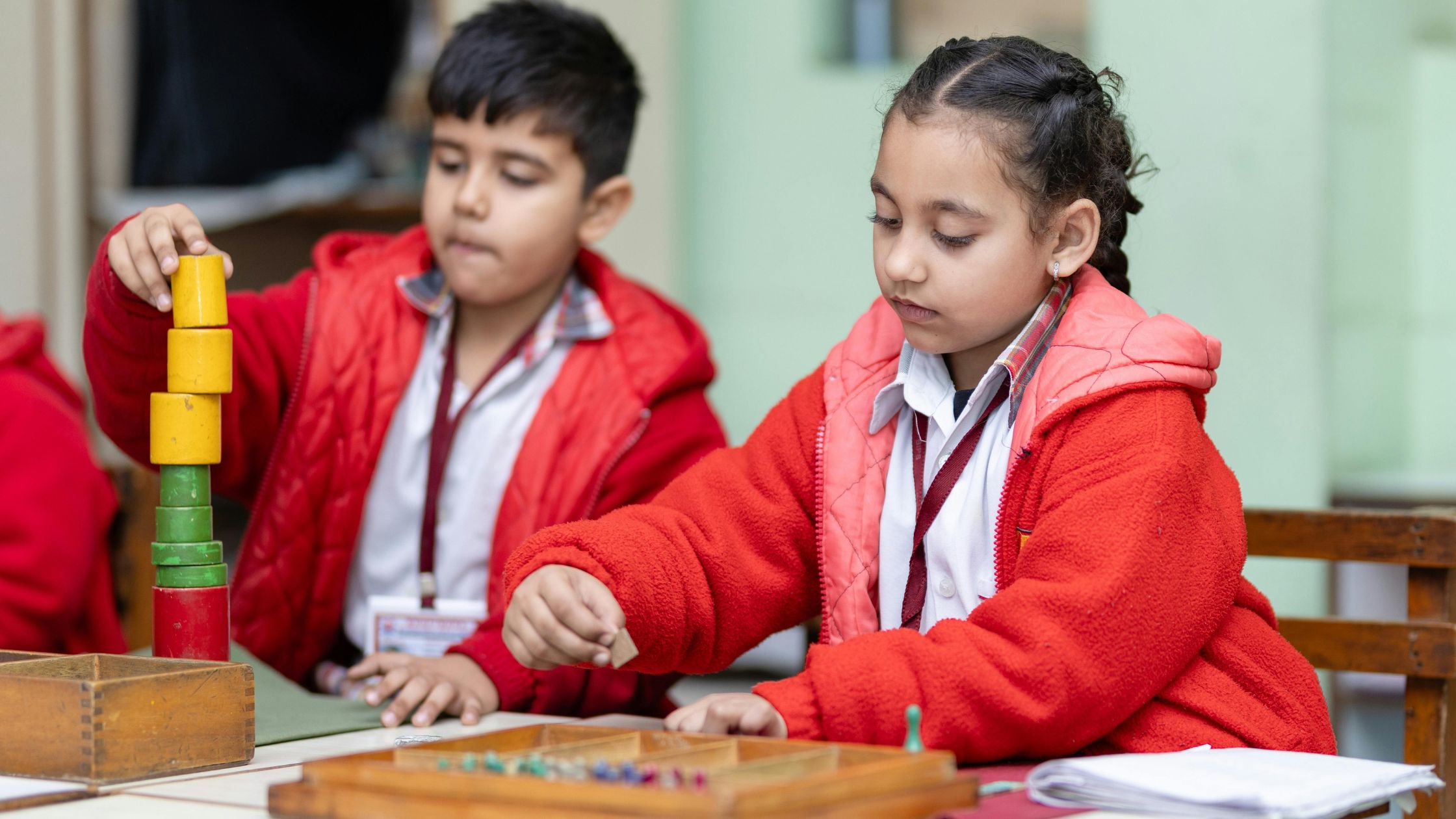
The benefits of sensory play is open-ended. There is no “right” or “wrong” way to explore sand, water, or clay. Children experiment freely—What happens if I mix these colors? Will this object float or sink? How can I build a taller tower?
Through trial and error, they develop critical thinking skills and persistence. Creative exploration also flourishes when children are allowed to manipulate materials in their own way.
Whether they’re building imaginary worlds in a sensory bin or creating patterns with leaves and pebbles, children learn to think outside the box.
5. Supports Emotional Regulation
Young children often struggle to express big emotions. Sensory play can be incredibly calming and therapeutic. Activities like playing with kinetic sand, squeezing stress balls, or slowly pouring water can help reduce anxiety and frustration.
Repetitive sensory actions provide comfort and help regulate the nervous system. For children who experience sensory sensitivities, structured sensory activities can gradually build tolerance and adaptability.
When children feel calm and secure, they are better able to focus and engage in learning.
6. Develops Social Skills
Sensory play often involves sharing materials and space. Whether children are building together in a sandbox or collaborating on a messy art project, they practice turn-taking, cooperation, and empathy.
They learn to negotiate—“Can I use that cup?”—and solve small conflicts. These interactions lay the groundwork for healthy peer relationships.
Group sensory activities also create opportunities for teamwork and joint problem-solving, which strengthen social bonds.
7. Strengthens Sensory Processing Skills
Sensory processing is the brain’s ability to interpret and respond appropriately to sensory information. Some children may be overly sensitive to noise, touch, or movement, while others may seek more intense sensory input.
Regular sensory play helps children better understand and manage sensory input. Exposure to different textures, sounds, and movements supports balanced sensory development.
Over time, children become more adaptable to various environments—whether it’s a noisy classroom or a crowded playground.
8. Builds Independence and Confidence
When children are allowed to explore freely, they gain a sense of control and autonomy. Pouring water without spilling, successfully molding clay, or balancing on stepping stones builds self-esteem.
Even when mistakes happen—like knocking over a tower—children learn resilience. They try again, adjust their approach, and celebrate success.
Each small achievement strengthens their belief in their abilities.
You don’t need expensive toys to provide meaningful sensory experiences. Everyday household items can become powerful learning tools.
Rice or Pasta Bin: Hide small toys inside for treasure hunts.
Water Play: Provide cups, spoons, and funnels for pouring activities.
Nature Exploration: Collect leaves, stones, and flowers for texture sorting.
DIY Playdough: Let children mix and knead ingredients.
Sound Exploration: Use kitchen utensils to create different rhythms.
Smell Jars: Introduce mild scents like lemon or vanilla for sensory discovery.
Always ensure supervision, especially with small objects.
Benefits Of Sensory Play for Different Age Groups
Toddlers (1–3 years): Focus on safe, simple textures like water, soft fabrics, and edible finger paints.
Preschoolers (3–5 years): Introduce more complex activities like sorting, measuring, mixing colors, and obstacle courses.
Early School Age (5+ years): Incorporate science-based sensory experiments such as exploring magnetism, density, or plant textures.
Each stage builds upon the previous one, deepening learning and engagement.
The Importance of Messy Play
Many parents hesitate because sensory play can be messy. But mess is often a sign of deep learning. When children are fully immersed, they are experimenting and discovering.
Setting boundaries—like using a plastic mat or outdoor space—can make cleanup manageable. The developmental benefits far outweigh the temporary mess.
Remember, childhood is meant to be hands-on and exploratory.
Final Thoughts
The benefits of sensory play are not just an entertaining activity—it is a powerful tool for holistic development. Through touching, feeling, hearing, seeing, and moving, children build the foundations for thinking, communicating, socializing, and self-regulating.
In a world increasingly filled with screens and structured schedules, sensory play reminds us of the importance of simple, meaningful experiences. A bowl of sand, a splash of water, or a handful of leaves can spark curiosity, imagination, and growth.
When we encourage children to explore through their senses, we are not just keeping them busy—we are helping them build the skills they need for a confident, capable future.
So let them dig, splash, squeeze, and explore. Because in those little moments of messy, joyful play, big learning is happening