The Best Activities to Improve Toddlers’ Development: Physical, Emotional, and Cognitive Development.
The toddler years are filled with curiosity, giggles, and endless energy. Between the ages of one and three, children experience rapid growth in their physical abilities, language skills, emotions, and thinking patterns. Every small interaction, playful moment, and hands-on experience contributes to shaping their future learning and personality.
As a parent or caregiver, you don’t need expensive toys or structured lessons to help your toddler thrive. Simple, meaningful activities done consistently can make a remarkable difference in your child’s development. Here are some of the best activities that naturally support toddlers’ growth across all areas.
Table of Contents
1. Sensory Play for Brain Development
Toddlers learn best through their senses. Sensory play stimulates touch, sight, smell, sound, and even taste, helping build neural connections in the brain.
Activities such as playing with sand, water, clay, rice bins, or homemade dough encourage exploration and creativity. Let your toddler pour water between cups, dig in a sand tray, or squeeze soft dough. These activities improve fine motor skills and concentration.
Sensory play also enhances language development as you describe textures like “soft,” “wet,” “cold,” or “rough.” It builds patience and problem-solving abilities while keeping your little one happily engaged.
2. Outdoor Play for Physical Strength
Outdoor activities are essential for healthy physical development. Running, jumping, climbing, and balancing strengthen muscles and improve coordination.
Simple outdoor games like playing catch, walking on uneven surfaces, or chasing bubbles enhance gross motor skills. Even a visit to a park allows toddlers to practice climbing ladders and sliding safely.
Sunlight exposure supports Vitamin D production, which helps in bone development. Moreover, outdoor play improves mood and reduces irritability, making toddlers calmer and more focused later in the day.
3. Storytelling and Reading for Language Growth
Reading to toddlers daily is one of the most powerful developmental tools. Picture books with bright colors and simple words capture their attention and encourage vocabulary growth.
Ask your child questions like, “Where is the dog?” or “What sound does the cow make?” This interactive approach improves comprehension and communication skills.
Storytelling also enhances imagination and emotional understanding. When toddlers hear stories about feelings—like happiness, fear, or kindness—they begin learning empathy and emotional regulation.
4. Music and Movement for Coordination
Music is magical for toddlers. Singing nursery rhymes, clapping to rhythms, and dancing freely support both physical and cognitive development.
When toddlers move to music, they improve balance, rhythm awareness, and body coordination. Songs with actions, such as clapping or stomping, enhance listening skills and memory.
Music also supports speech development, as repetitive lyrics help toddlers learn new words quickly. It’s a joyful way to bond and build learning skills simultaneously.
5. Building Blocks for Problem-Solving
Stacking blocks may look simple, but it’s a powerful brain-building activity. When toddlers build towers and knock them down, they learn about balance, cause and effect, and spatial awareness.
Encourage your toddler to build different shapes or sort blocks by color and size. This strengthens logical thinking and early math skills.
Block play also fosters patience and persistence. When a tower falls, toddlers learn resilience by trying again.
6. Pretend Play for Social Skills
Pretend play, such as playing house, doctor, or shopkeeper, allows toddlers to explore the world around them. Through role-play, children practice communication, empathy, and problem-solving.
For example, pretending to feed a doll teaches nurturing behavior. Playing with toy kitchen sets encourages imitation of daily routines.
Pretend play also builds creativity and confidence. It helps toddlers express emotions in a safe and imaginative way.
7. Art and Craft for Creativity
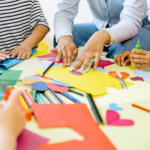
Simple art activities like finger painting, scribbling with crayons, or sticking paper pieces improve fine motor skills and hand-eye coordination.
Allow your toddler to explore colors and textures freely without worrying about perfection. The goal is expression, not neatness.
Art boosts self-esteem because toddlers feel proud of their creations. It also strengthens finger muscles, preparing them for future writing skills.
Large, age-appropriate puzzles enhance concentration and memory. Matching shapes, colors, or objects develops logical reasoning.
Sorting everyday items—like separating spoons from forks or grouping toys by size—introduces early classification skills. These simple activities build a strong foundation for future academic learning.
9. Talking and Daily Conversations
Never underestimate the power of conversation. Describe what you’re doing while cooking, cleaning, or shopping. Use simple, clear sentences and encourage your toddler to respond.
Even if their words are unclear, listen attentively and respond positively. This builds confidence and communication skills.
Daily conversations also strengthen emotional bonding and make toddlers feel valued and understood.
10. Simple Household Participation
Toddlers love imitating adults. Allow them to help with small tasks like picking up toys, wiping surfaces, or placing clothes in a basket.
These activities promote independence, responsibility, and motor skills. Praise their efforts rather than the outcome to encourage self-confidence.
Participation in daily routines also helps toddlers understand structure and discipline in a gentle way.
11. Nature Exploration for Curiosity
Exploring nature stimulates curiosity and observation skills. Collect leaves, watch ants, or observe birds together.
Ask simple questions like, “What color is this leaf?” or “How many petals does this flower have?” Such interactions enhance vocabulary and scientific thinking.
Nature also calms toddlers and reduces stress, promoting emotional well-being.
12. Social Interaction with Peers
Playdates and group activities help toddlers learn sharing, cooperation, and patience. Though conflicts may arise, they are valuable learning experiences.
Guide toddlers gently in resolving disagreements, teaching them simple phrases like “My turn” or “Please share.”
These early social lessons form the base for healthy relationships in the future.
Creating a Balanced Routine
While activities are essential, balance is equally important. Avoid overwhelming your toddler with too many structured tasks. Provide a mix of active play, quiet time, creative exploration, and rest.
Follow your child’s interests. If they love music, sing more. If they enjoy building, provide different construction toys. Development happens best when learning feels like fun rather than pressure.
Final Thoughts
Toddler development is not about perfection—it’s about connection, consistency, and curiosity. The most powerful learning experiences often happen during simple, everyday moments.
By engaging your toddler in sensory play, outdoor exploration, reading, music, pretend games, and meaningful conversations, you nurture their body, mind, and heart.
Remember, your presence matters more than any toy or gadget. When you play, talk, laugh, and explore together, you are laying the foundation for lifelong learning and emotional strength.
Little steps taken each day truly lead to big growth in your toddler’s journey.