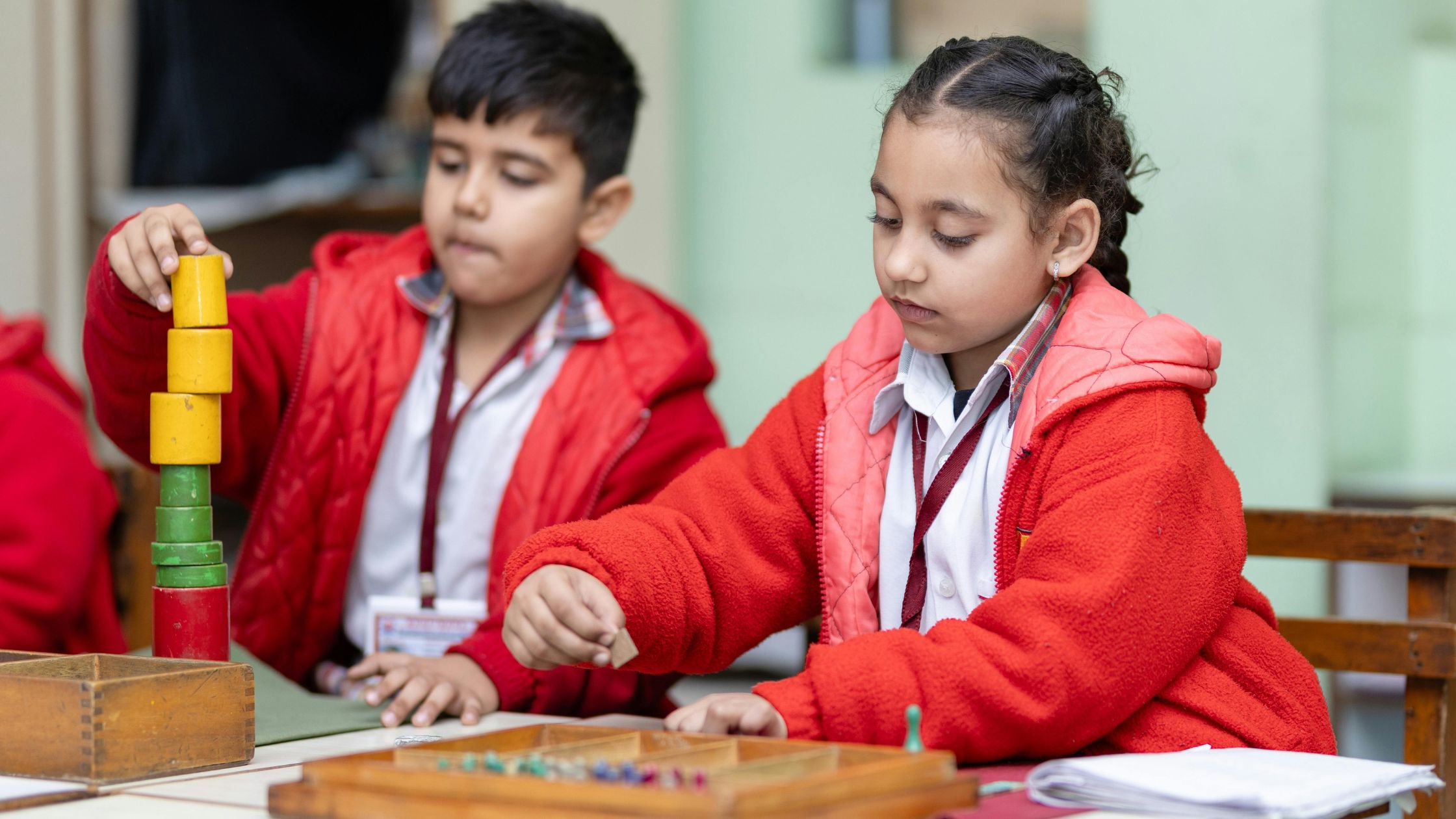
Children may look carefree, but they experience stress, big emotions, and overwhelm just like adults. The good news? Kids don’t need complicated therapies to support their mental well-being—often, simple, Mental Health Activities for Kids can make a big difference.
These activities help kids express themselves, build coping skills, and learn how to navigate their emotions in healthy ways. Painting, writing short poems are good Mental Health activities for Kids.
Here are fun, effective, and parent-approved Mental Health Activities for Kids that you can easily include in your child’s daily routine.
Table of Contents
1. Creative Art Time: Let Feelings Flow Through Colors
Kids may not always have the words to explain how they feel, but art gives them a safe space to express themselves. Drawing, coloring, or painting releases emotional tension and helps kids feel calmer. So creative arts are Mental Health activities for kids to Boost Their Emotional Well-Being
Why it works: Art activates the imagination and distracts the mind from worries. It’s also a gentle way for kids to show their emotions when talking feels hard.
Try this activity: Give your child crayons and ask them to “draw their day” or “draw how their heart feels.” There are no rules—just creativity and expression.
Breathing exercises are powerful for calming the mind, and when turned into a game, kids actually enjoy them.
Why it works: Deep breathing reduces stress, helps regulate emotions, and teaches kids the first step of mindfulness.
Fun breathing ideas:
Bubble Breaths: Pretend to blow slow, big bubbles.
Flower and Candle: Smell the flower (inhale), blow the candle (exhale).
Shape Breathing: Trace a square or star in the air while breathing in and out.
A few minutes of mindful breathing can shift a child from overwhelmed to relaxed.
3. Gratitude Scavenger Hunt
Gratitude is linked to stronger emotional resilience. Teaching kids to find joy in simple things trains their mind to focus on positives.
How it works: Send kids on a “gratitude hunt” around the house to find:
Something they love
Something that makes them smile
Something that makes them feel safe
Something they enjoy doing
Let them share what they found and why it makes them feel good.
4. Movement Breaks to Release Big Energy
Physical activity is not just good for the body—it helps kids release tension and improve mood.
Fun movement ideas:
2-minute dance party
Animal walks (crab, frog, bear)
Mini yoga poses
Jumping jacks competition
Freeze dance
Even 10 minutes of movement can reduce stress and boost happiness. Dance, yoga, jumping jacks all those are Mental Health Activities For Kids.
5. Storytelling for Emotional Learning
Kids love stories. When stories include emotions, challenges, and solutions, children learn social and emotional skills without even realizing it.
Activity idea: Tell a simple story about a character who feels frustrated, lonely, excited, or scared. Let your child guess the emotion, then ask:
“What do you think the character should do?”
“Has this happened to you before?”
This builds empathy, problem-solving, and emotional intelligence. Storytelling is another Mental Health Activities For Kids.
Understanding emotions is an important life skill. Simple games help kids learn to identify and express their feelings in a healthy way. Simple games are Mental Health Activities for Kids.
Try these:
Feelings Charades: Act out emotions like “proud,” “bored,” or “curious.”
Emotion Matching: Match different face cards to the correct emotion word.
How Do I Feel Today?: Let your child pick a card that matches their mood each morning.
These activities help kids develop emotional awareness, which improves behavior and communication.
7. Nature Time: A Natural Stress Reliever
Being outdoors instantly lifts mood and reduces stress in children. Nature has a calming effect and encourages curiosity and creativity. Spend time in a natural atmosphere is a good Mental Health Activities for Kids
Fun nature activities:
Collect leaves and make a nature collage
Cloud-watching and describing shapes
Walking barefoot on grass
Listening to birds or wind
Even 15 minutes outside can significantly improve a child’s mental well-being.
8. Journaling for Kids (Even If They Can’t Write Yet)
Journaling helps organize thoughts and reflect on emotions. Kids can journal too—just with simpler formats. Journaling also a best Mental Health Activities for Kids
Options:
Draw-a-feeling journal
“Best part of my day” journal
Sticker mood journal
Gratitude journal
This practice helps kids process daily experiences and build a positive mindset.
Children learn best through play. Role-play gives them a safe space to rehearse emotional or social situations.
Try acting out:
How to handle a disagreement
What to do when feeling sad
Asking for help
Trying again after a mistake
These playful scenes teach problem-solving and build confidence.
10. Sensory Play for Relaxation
Sensory activities calm the nervous system and help kids regulate emotions.
Examples:
Playdough
Kinetic sand
Water play
Rice bins
Slime
Fidget toys
Sensory play is especially helpful for kids who feel anxious, overwhelmed, or overstimulated. playdough, kinetic sand, rice bins those are Mental Health Activities for Kids
11. Music & Rhythm Activities
Music is therapeutic. It lifts mood, improves focus, and encourages self-expression.
Ideas:
Make a “calm-down playlist”
Use pots and spoons to create beats
Sing together
Try simple drumming patterns
Music brings joy and strengthens emotional expression. Music & rhythms are powerful Mental Health Activities for Kids
12. Building Routines for Emotional Safety
Kids feel mentally stronger when they know what to expect. Routines create security, reduce stress, and improve behavior.
You can create simple routines for:
Morning start
Homework time
Bedtime
Transition moments
Even a short, predictable schedule boosts a child’s sense of stability.
Final Thought
Supporting children’s mental health doesn’t always require big plans or complicated strategies—sometimes, the simplest activities create the strongest impact. These 12 fun mental health activities remind us that play, creativity, and connection are powerful tools for emotional well-being. When kids have safe spaces to express feelings, explore their imaginations, and build confidence, they grow into happier, more resilient individuals.
As parents and caregivers, our role is not to perfect every moment but to be present, patient, and encouraging. By weaving these activities into daily routines—whether through mindful breathing, outdoor adventures, journaling, or shared laughter—we help children develop lifelong coping skills. Mental wellness is a journey, and every small, joyful activity becomes a stepping stone.
In the end, nurturing a child’s emotional world is one of the greatest gifts we can offer. Little efforts today can create a future filled with strength, balance, and confidence.