How Sleep Meditation Helps Kids Relax, Feel Safe, and Drift Off Happily.
Sleep meditation for kids is essential for a child’s growth, learning, mood, and overall health. Yet many parents struggle with bedtime battles, restless nights, and anxious little minds that refuse to slow down. In today’s busy world filled with school pressures, screen time, and packed schedules, children often carry stress into their bedtime routine.
One gentle and effective solution is sleep meditation for kids—a calming practice that helps children relax their bodies, quiet their thoughts, and fall asleep peacefully.
Table of Contents
What Is Sleep Meditation for Kids?
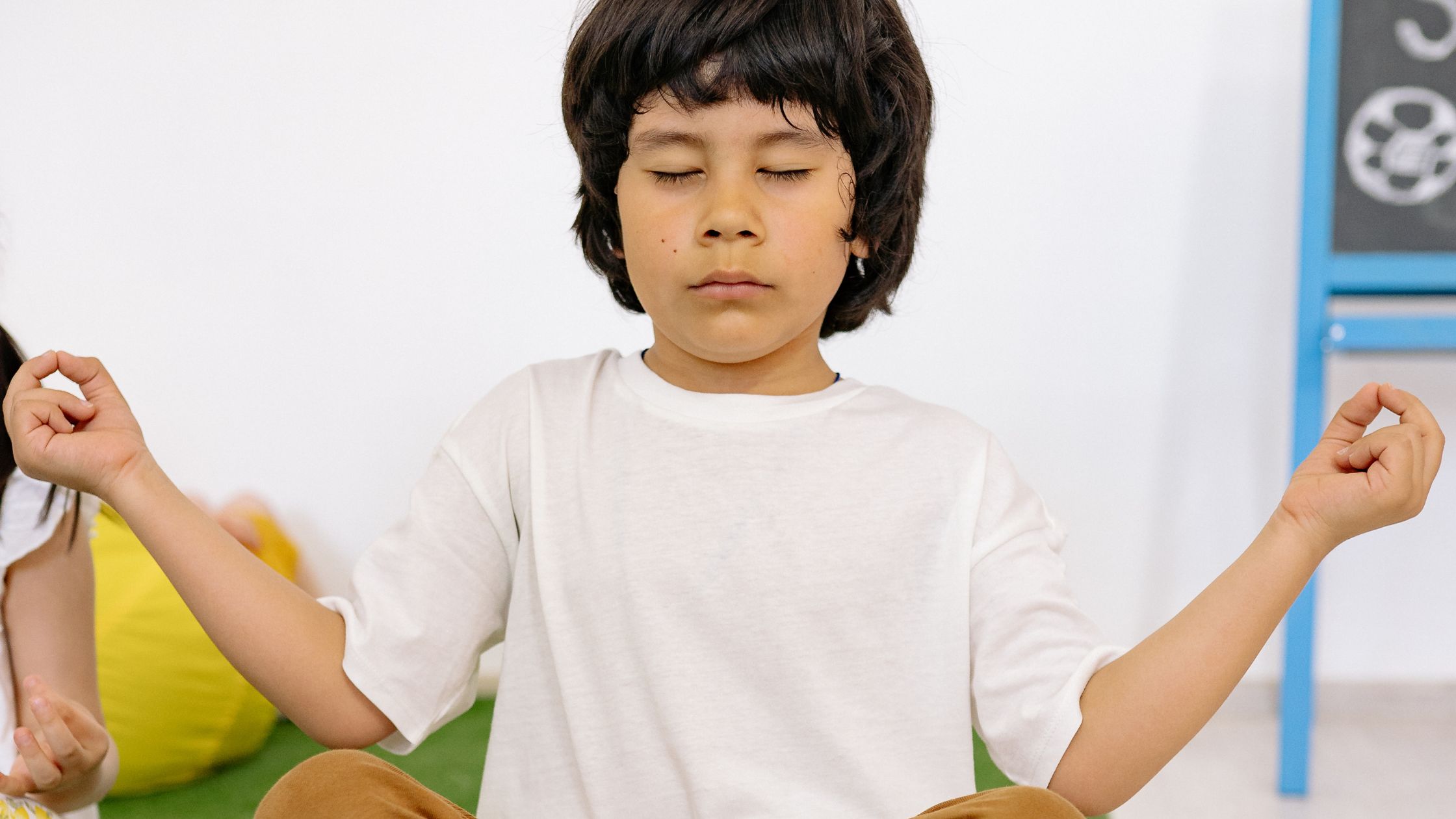
Sleep meditation for kids is a simple, guided relaxation technique designed especially for children. It combines breathing exercises, calming imagery, soothing words, and sometimes soft music to help children unwind before bed. Unlike adult meditation, which may focus on silence or deep mindfulness, children’s sleep meditation is imaginative, playful, and age-appropriate.
It often includes storytelling elements—like floating on a cloud, walking through a magical forest, or resting beside gentle ocean waves. These calming images help children shift their attention away from worries and into a peaceful mental space.
Why Kids Need Help Relaxing
Children may seem carefree, but they experience stress just like adults. School expectations, friendships, family changes, or even fear of the dark can create bedtime anxiety. Some children also struggle with overactive minds, replaying their day or worrying about tomorrow.
When children lie in bed feeling tense or overstimulated, their bodies produce stress hormones that make it harder to fall asleep. Sleep meditation works by activating the body’s relaxation response. Slow breathing and gentle focus signal the brain that it is safe to rest, lowering heart rate and calming muscles.
Benefits of Sleep Meditation for Kids
Introducing sleep meditation into a child’s bedtime routine can bring many positive changes:
1. Faster Sleep Onset
Relaxation techniques help children fall asleep more quickly by calming racing thoughts.
2. Reduced Nighttime Anxiety
Guided imagery can ease fears of darkness, monsters, or separation.
3. Better Emotional Regulation
Regular relaxation builds emotional awareness and helps children manage big feelings.
4. Improved Focus and Mood
Quality sleep improves concentration, memory, and overall happiness during the day.
5. Stronger Parent-Child Bond
When parents guide meditation, it becomes a special bonding moment filled with warmth and reassurance.
When to Start Sleep Meditation
Sleep meditation can begin as early as toddlerhood, though the approach should match the child’s age:
- Toddlers (2–4 years): Very short sessions (2–3 minutes) with simple breathing and soft storytelling.
- Preschoolers (4–6 years): Guided imagery and gentle body relaxation for 5 minutes.
- School-age children (7–12 years): Slightly longer sessions (5–10 minutes) including mindful breathing and gratitude reflection.
- Teens: Independent meditation using apps or recorded guidance.
Consistency matters more than length. Even a few minutes each night can make a noticeable difference.
Also Read: Best Bedtime for Kids: Sweet Dreams Start on Time.
How to Practice Sleep Meditation at Home
You don’t need special training or equipment to guide your child. Here’s a simple step-by-step method:
Step 1: Create a Calm Environment
Dim the lights, reduce noise, and remove screens at least 30 minutes before bedtime. A quiet, cozy room sets the mood.
Step 2: Gentle Breathing
Ask your child to place a hand on their belly. Encourage slow breaths in through the nose and out through the mouth. You might say, “Let’s pretend we’re slowly blowing up a balloon.”
Step 3: Body Relaxation
Guide them to relax each body part. For example: “Let your toes feel soft and sleepy… now your legs… now your tummy…”
Step 4: Guided Imagery
Tell a calming story: “Imagine you’re lying on a fluffy cloud floating in the sky. The cloud is soft and safe. You feel light and peaceful.”
Step 5: Quiet Ending
Lower your voice gradually and allow silence. If your child falls asleep mid-story, that’s perfectly fine.
Sample Mini Sleep Meditation Script
Here is a short example you can try:
“Close your eyes and take a slow, deep breath. Imagine a warm golden light above your head. This light slowly moves down, touching your forehead and helping it relax. It moves to your eyes, making them heavy and sleepy. It travels down your shoulders, arms, and fingers. Your whole body feels calm and safe. You are floating on a soft cloud, drifting gently. Everything is quiet. Everything is peaceful.”
Speak slowly and softly, leaving pauses between sentences.
Tips for Success
- Be patient. Some children may giggle or resist at first. Keep sessions light and positive.
- Stay consistent. Practice every night to build a routine.
- Keep it short. Children have limited attention spans.
- Model calmness. Your tone and energy influence your child.
- Avoid forcing it. If your child isn’t in the mood, try again the next night.
Using Technology Wisely
There are many kid-friendly meditation apps and audio recordings available. While these can be helpful, it’s best to avoid screens right before sleep. If using a device, choose audio-only content and keep the screen off. The goal is to reduce stimulation, not increase it.
Sleep Meditation for Anxious Kids
For children who struggle with nighttime fears or separation anxiety, sleep meditation for kids can be especially powerful. Including reassurance in the script—such as “You are safe. Mommy and Daddy are nearby.”—can help children feel secure.
You can also introduce a “comfort anchor,” like imagining a protective bubble of light around them. Repeating calming phrases nightly helps rewire anxious thought patterns over time.
Long-Term Impact
Sleep meditation for kids is more than a bedtime trick. It teaches lifelong emotional skills. Children who learn to slow their breathing and calm their minds develop better stress management as they grow older. These simple habits can support mental health, resilience, and self-awareness throughout life.
Over time, children may begin using these skills independently—not just at bedtime, but before exams, during conflicts, or when feeling overwhelmed.
Common Challenges
Some parents worry that meditation is too advanced for young children. However, when presented in playful, imaginative ways, it feels like storytelling rather than instruction. Others fear it takes too much time. In reality, even five minutes can transform bedtime from chaotic to calm.
If your child struggles to stay still, allow small movements at first. Gentle rocking or hugging can still be part of the practice.
Final Thoughts
In the end, sleep meditation for kids is not just about helping children fall asleep—it is about teaching them how to feel calm, safe, and in control of their own thoughts. Bedtime can often become a stressful time for both parents and children, but adding a few peaceful minutes of guided relaxation can gently change the entire atmosphere. Instead of rushing through the night routine, families can slow down and connect in a meaningful way.
By practicing sleep meditation regularly, children begin to understand that they have the power to quiet their minds and relax their bodies. This confidence carries over into daily life, helping them handle school pressures, social challenges, and emotional ups and downs with greater ease. Over time, what starts as a simple bedtime habit can grow into a lifelong skill for managing stress and building inner strength.
A calm night leads to a brighter morning. When children sleep peacefully, they wake up happier, healthier, and ready to explore the world with energy and confidence.
When little minds feel safe and relaxed, dreams become sweeter—and mornings become brighter.
Also Read: Why Sleep Meditation Works for Kids and How to Try It