Best Foods for Babies and Toddlers: Nourishing Little Bodies with Big Love and Balanced Nutrition.
The early years of a child’s life are filled with rapid growth, development, and discovery. During infancy and toddlerhood, nutrition plays a powerful role in shaping healthy brains, strong bones, and active little bodies. Offering wholesome, nutrient-dense foods helps build immunity, support digestion, and establish lifelong healthy eating habits.
Here are the 15 best foods for babies and toddlers that are not only nutritious but also easy to prepare and gentle on tiny tummies.
Breast milk is often called “liquid gold” for a reason. It contains the perfect balance of nutrients, antibodies, and enzymes essential for a baby’s growth. It strengthens immunity and supports brain development. For the first six months, it is considered the ideal and complete food.
2. Formula Milk
For mothers who cannot breastfeed, infant formula is a safe and nutritious alternative. It is specially designed to provide essential vitamins, minerals, protein, and fats required for healthy development.
3. Mashed Bananas
4
Bananas are soft, naturally sweet, and easy to digest. Rich in potassium, vitamin C, and fiber, they support digestion and energy levels. Simply mash a ripe banana for a quick and nutritious snack.
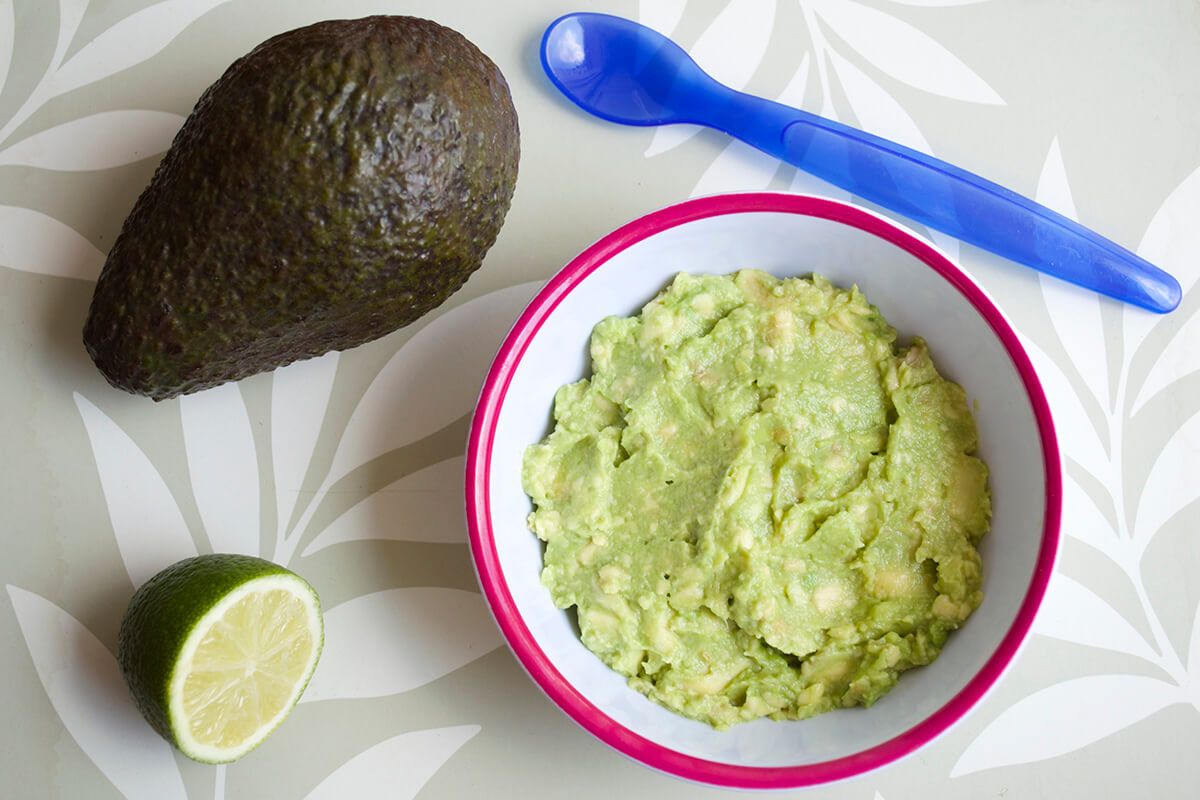
4. Avocado
4
Avocados are packed with healthy fats that support brain development. Their creamy texture makes them perfect for babies learning to eat solids. They also contain fiber, vitamin E, and folate.
5. Sweet Potatoes
Sweet potatoes are rich in beta-carotene, which converts to vitamin A for healthy vision and immunity. Their natural sweetness makes them a favorite among little ones.
6. Rice Cereal
Iron-fortified rice cereal is often introduced as one of the first solid foods. It is gentle on the stomach and helps meet the increased iron needs of growing babies.
7. Oatmeal
Oatmeal is a wonderful whole-grain option packed with fiber and essential nutrients. It keeps toddlers full longer and supports healthy digestion. You can mix it with fruit puree for extra flavor and nutrition.
8. Yogurt
Plain, full-fat yogurt provides calcium, protein, and probiotics that support gut health. Avoid added sugars and opt for natural varieties. Yogurt also helps build strong bones and teeth.
9. Eggs
Eggs are a powerhouse of protein and contain choline, which is important for brain development. Serve them scrambled or mashed for easy chewing and digestion.
10. Lentils and Beans
Lentils and beans are rich in plant-based protein, iron, and fiber. Cook them thoroughly and mash or puree for younger babies. They are especially valuable in vegetarian diets.
11. Carrots
Carrots are rich in vitamin A and antioxidants. Steamed and mashed carrots are soft and naturally sweet, making them easy for babies to enjoy.
12. Apples
Apples are a great source of fiber and vitamin C. For babies, cook and puree apples to avoid choking risks. For toddlers, soft slices or applesauce work well.
13. Chicken
Chicken provides high-quality protein and iron, essential for muscle growth and energy. Shred or finely chop cooked chicken for easy chewing.
14. Spinach
Spinach is loaded with iron, calcium, and vitamins A and C. Blend it into soups or purees to introduce leafy greens early in life.
15. Cheese
Cheese is rich in calcium and protein, supporting bone and tooth development. Offer small, soft pieces of mild cheese to toddlers.
Tips for Feeding Babies and Toddlers
Introduce one new food at a time to watch for allergies.
Avoid added sugar and salt.
Ensure foods are soft and age-appropriate to prevent choking.
Offer a variety of colors and textures to build healthy eating habits.
Encourage self-feeding as toddlers grow for independence and motor skill development.
Final Thoughts
The best foods for babies and toddlers are more than just filling tiny tummies — it’s about building strong foundations for a lifetime of health. Every spoonful of wholesome food you offer today shapes your child’s growth, immunity, brain development, and even future eating habits. From creamy avocados to protein-rich lentils and colorful vegetables, each nutrient-packed bite plays a powerful role in helping your little one thrive.
Remember, mealtimes are not only about nutrition but also about connection, discovery, and joy. Some days your toddler may eagerly explore new tastes, while other days they may refuse even their favorites — and that’s perfectly normal. Stay patient, stay creative, and keep offering variety without pressure.
By choosing fresh, balanced, and age-appropriate foods, you’re giving your child the best possible start in life. With love, consistency, and nourishing choices, you’re raising a happy, healthy eater ready to grow strong and shine bright.