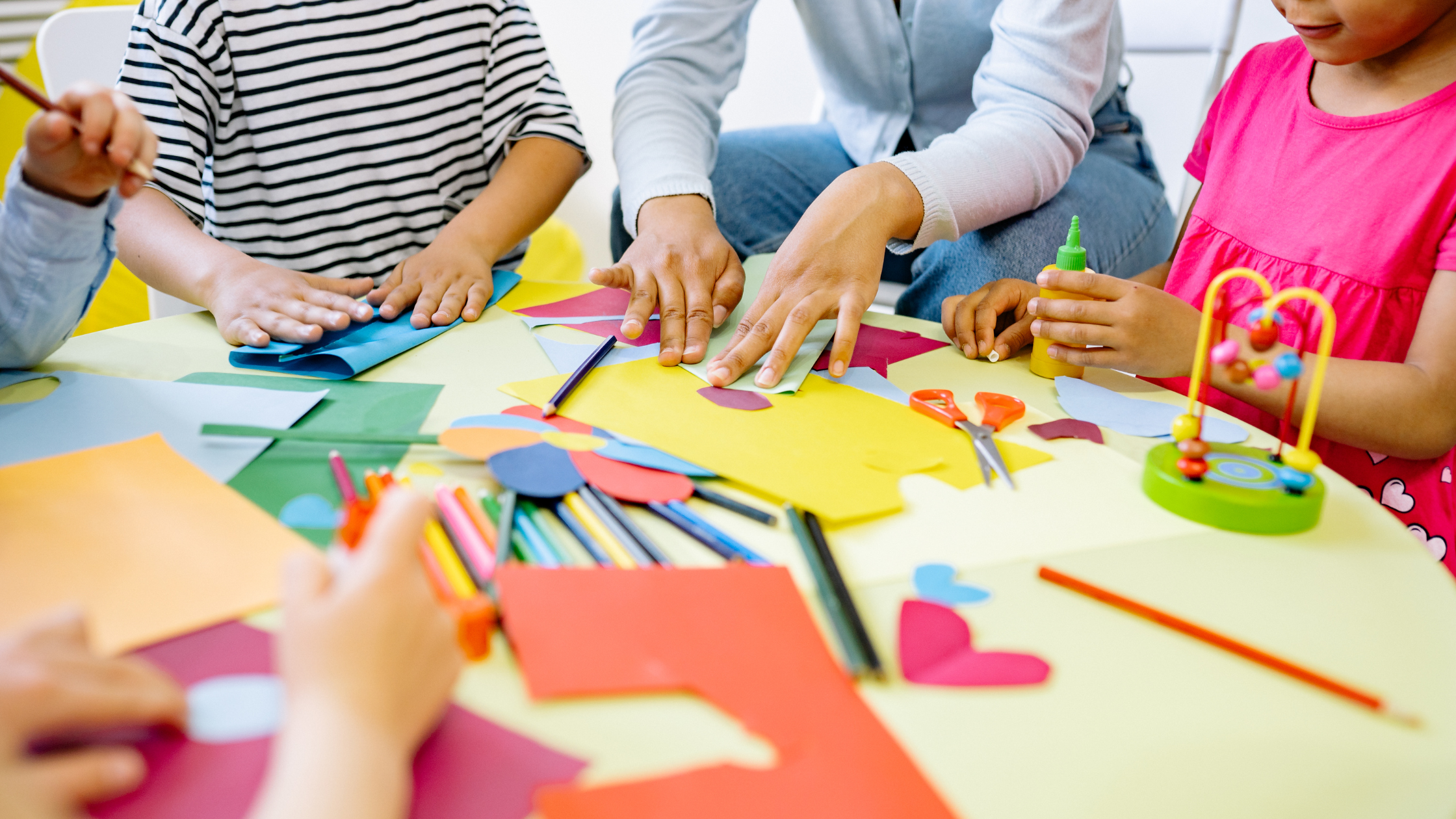
A Complete Guide to Developing Fine Motor Skills in Preschoolers.
Preschool years are a magical stage of growth. Between the ages of three and five, children transform rapidly—physically, emotionally, socially, and cognitively. One of the most important areas of development during this period is fine motor skills. These are the small muscle movements in the hands, fingers, and wrists that enable children to perform everyday tasks such as holding a pencil, buttoning a shirt, turning pages, or using scissors.
Developing fine motor skills in preschoolers is not just about preparing them for writing. It lays the foundation for independence, academic success, and self-confidence. Let’s explore why fine motor development matters and discover practical, fun ways to nurture it at home and in preschool settings.
Table of Contents
What Are Fine Motor Skills?
Fine motor skills involve coordination between small muscles—particularly in the hands and fingers—and the eyes. This coordination, known as hand-eye coordination, allows children to perform precise movements.
Examples of fine motor activities include:
Holding crayons and drawing shapes
Stacking blocks
Turning doorknobs
Feeding themselves with a spoon
Buttoning and zipping clothes
Cutting paper with scissors
These skills develop gradually as children practice and gain control over their hand movements.
Why Fine Motor Skills Are Important
Fine motor skills play a critical role in a preschooler’s daily life and future learning. Here’s why they matter:
1. Academic Readiness
Writing, coloring, and using classroom tools require controlled hand movements. A child with well-developed fine motor skills can hold a pencil correctly and write with less frustration.
2. Independence
Tasks like tying shoelaces, brushing teeth, or opening snack boxes help children feel capable and independent. Mastering these skills boosts confidence.
3. Cognitive Development
Activities that involve sorting, building, and manipulating objects stimulate brain development. Fine motor practice strengthens concentration and problem-solving abilities.
4. Social Confidence
Children who can manage basic tasks independently feel more comfortable in group settings, improving social interactions.
Signs of Fine Motor Development in Preschoolers
Every child develops at their own pace, but by preschool age, children typically can:
Draw simple shapes like circles or lines
Use child-safe scissors
Build towers with blocks
String large beads
Turn pages one at a time
If a child consistently struggles with gripping objects, avoiding hand-based activities, or shows significant frustration, gentle encouragement and additional practice can help.
Fun Activities to Develop Fine Motor Skills
Children learn best through play. Here are engaging and easy activities that support fine motor development.
Squishing, rolling, pinching, and shaping playdough strengthens finger muscles. Provide tools like plastic knives, cookie cutters, and rolling pins to add variety. Encourage children to make shapes, letters, or pretend food.
2. Drawing and Coloring
Offer crayons, markers, and colored pencils. Large sheets of paper allow free movement. Scribbling may look random, but it builds control and coordination. Gradually introduce tracing simple lines and shapes.
3. Cutting with Safety Scissors
Provide child-safe scissors and guide children to cut straight lines, then curves and simple shapes. Start with thick paper for easier handling.
4. Bead Stringing and Threading
Large beads and thick strings are perfect for beginners. This activity enhances hand-eye coordination and concentration.
5. Building Blocks and LEGO
Stacking, connecting, and arranging blocks requires precision and planning. Encourage children to build towers, houses, or imaginative structures.
6. Everyday Household Tasks
Simple tasks such as:
Buttoning and zipping clothes
Pouring water into a cup
Stirring batter
Using clothespins
These real-life activities provide meaningful practice while fostering independence.
Creating a Fine Motor-Friendly Environment
You don’t need expensive materials. A supportive environment makes a big difference.
1. Provide Child-Sized Tools
Small hands need appropriately sized scissors, pencils, and utensils.
2. Encourage Open-Ended Play
Allow creativity without strict instructions. Free exploration builds confidence.
3. Limit Screen Time
Hands-on activities are essential for muscle development. Balance digital time with physical play.
4. Be Patient and Supportive
Avoid comparing children. Celebrate small improvements to motivate them.
The Role of Parents and Teachers
Parents and teachers act as guides and encouragers. Model proper grip and demonstrate how to use tools safely. Offer praise for effort, not just results.
If concerns arise about delayed development, consulting a pediatrician or occupational therapist can provide guidance. Early support helps children thrive.
Common Mistakes to Avoid
Rushing Writing Practice: Focus first on strengthening hands before expecting neat handwriting.
Overcorrecting Grip Constantly: Gentle reminders are better than frequent corrections.
Doing Tasks for the Child: Allow time for practice, even if it takes longer.
Remember, progress happens gradually.
Integrating Fine Motor Practice into Daily Routines
Fine motor skill development does not require separate “training time.” It can easily blend into everyday life:
Let children peel stickers and place them in a notebook.
Encourage tearing paper for art projects.
Provide puzzles with knobs.
Offer tweezers to pick up small objects under supervision.
These small activities add up to big improvements.
When to Seek Professional Advice
While variations are normal, consider professional guidance if a preschooler:
Avoids hand activities consistently
Struggles significantly with simple grasping tasks
Shows extreme frustration with fine motor activities
Early assessment ensures timely support.
Final Thoughts
Nurturing fine motor skills in preschoolers is less about structured lessons and more about creating opportunities for meaningful, hands-on exploration. When children are given the freedom to squeeze, stack, twist, draw, and build, they are not just playing—they are strengthening the very muscles that will support their independence and academic journey. Every small effort, whether it’s fastening a button or carefully coloring inside a shape, contributes to growing confidence and resilience.
It’s important to remember that development unfolds at its own pace. Some children master certain tasks quickly, while others need extra time and encouragement. What matters most is consistent support, patience, and a positive environment that celebrates effort over perfection. By weaving fine motor activities naturally into daily routines, parents and educators lay a strong foundation for future skills like writing, self-care, and problem-solving. In the end, steady guidance and joyful practice turn tiny movements into lifelong abilities.
.
When we invest time in strengthening little fingers today, we empower young learners to write their own success stories tomorrow.