Every child deserves opportunities to explore, learn, and enjoy activities that bring them happiness and growth. For autistic kids, the right activities can help them build essential skills—communication, sensory regulation, social interaction, and emotional expression—while also celebrating their strengths and interests.
Autistic children often experience the world differently, and supportive activities can create a safe space where they feel understood, confident, and capable. This article explores a variety of meaningful and enjoyable activities for autistic kids, along with their benefits and tips for parents and caregivers.
1. Sensory Play Activities
Many autistic kids experience heightened or reduced responses to sensory inputs. Sensory activities help them process sensations at their own pace while calming their minds and improving focus.
a. Sensory Bins
A sensory bin filled with rice, beans, sand, or water beads can offer hours of meaningful exploration. Kids can scoop, pour, or search for small toys buried inside. This activity promotes fine motor skills and helps regulate sensory input.
b. Water Play
Water is soothing for many autistic kids. Letting them pour water between cups, squeeze sponges, or play with floating toys builds hand strength and coordination. Adding bubbles or food coloring makes it even more exciting.
c. Playdough or Slime
Soft, moldable materials give children a chance to express creativity while relieving stress. You can add scents or textures to match their preferences—smooth, gritty, stretchy, or firm.
2. Outdoor Activities
Fresh air and physical movement support overall development and help release pent-up energy. Outdoor play also exposes children to natural sensory experiences that can be calming and grounding.
a. Nature Walks
A simple walk in a park or garden can be a great way to explore different sounds, sights, and textures. Kids may enjoy collecting leaves, stones, or flowers, observing insects, or feeling the bark of trees.
b. Trampoline Time
Jumping on a trampoline is excellent for balance, coordination, and sensory regulation. Many autistic children find rhythmic bouncing calming and enjoyable.
c. Playground Exploration
Slides, swings, and climbing structures help strengthen gross motor skills. Swings, in particular, can be very soothing for children who enjoy repetitive movement.
3. Creative Arts Activities
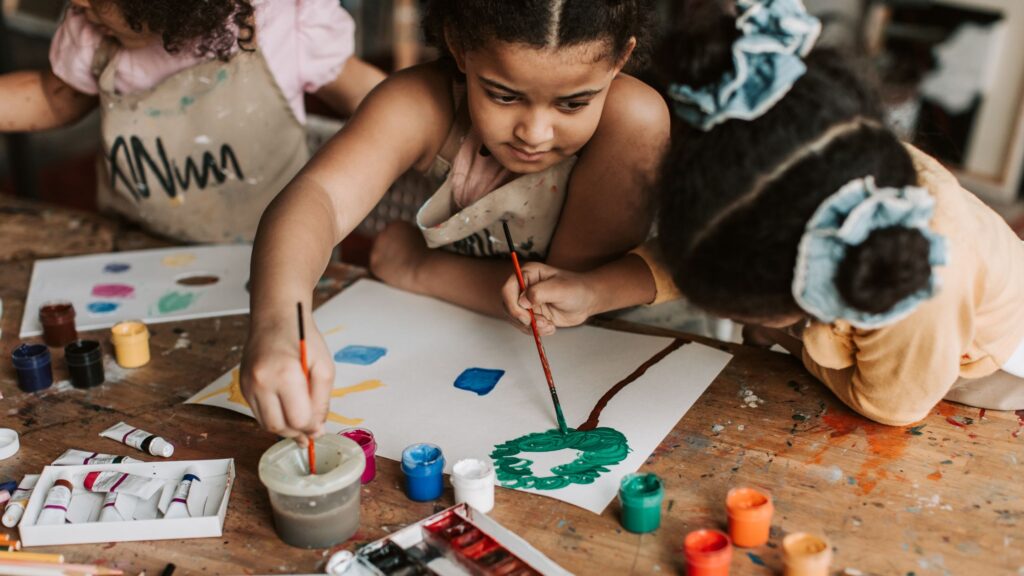
Art allows autistic children to express feelings and thoughts they may find difficult to communicate verbally. It also boosts imagination, improves fine motor skills, and builds confidence.
a. Painting
Finger painting, brush painting, or even sponge painting gives children various sensory choices. If they dislike mess, try mess-free painting methods like painting in a sealed plastic bag.
b. Drawing and Coloring
These activities help improve focus and allow kids to express ideas visually. Mandala patterns or simple outlines can be relaxing for children who enjoy structure.
c. Craft Projects
Simple crafts—like making collages, paper animals, or bead bracelets—encourage creativity while developing hand-eye coordination.
4. Music and Movement Activities
Music has a powerful impact on mood, attention, and expression. Many autistic children respond positively to rhythm and repetitive beats.
a. Singing and Rhymes
Simple songs, nursery rhymes, or action songs enhance language skills. They also connect sound with movement, which helps strengthen memory.
b. Dancing
Dancing freely or following a simple routine encourages body awareness, coordination, and joy. You can use scarves, ribbons, or musical instruments to make it more engaging.
c. Playing Musical Instruments
Drums, xylophones, keyboards, and shakers offer excellent sensory feedback. Children can experiment with sound and rhythm at their own pace.
5. Structured Educational Activities
Learning does not always need to happen through traditional methods. Structured activities that match a child’s learning style make lessons enjoyable and effective.
a. Puzzle Games
Puzzles help strengthen problem-solving skills, concentration, and spatial awareness. Start with simple puzzles and gradually increase difficulty based on the child’s comfort.
b. Sorting and Matching Games
Kids can sort objects by color, shape, size, or category. This supports cognitive development, visual recognition, and organization skills.
c. Board Games
Simple board games like matching cards, memory games, or turn-taking games improve social interaction and patience. Choose games with clear rules and visual cues.
6. Social and Communication Activities
Autistic kids may face challenges in social situations. Activities that focus on interaction but remain low-pressure can build essential communication and relationship skills.
a. Role-Play Games
Pretend play—like playing shop, doctor, or restaurant—helps children understand social roles and practice conversations. Keep the scenarios simple and guided.
b. Group Play Sessions
Small, structured playdates allow autistic kids to engage with peers in a controlled environment. Choose activities that all children enjoy, such as building blocks or cooperative games.
c. Storytelling Time
Reading stories together or asking the child to narrate what happens in a picture book supports language development, imagination, and emotional expression.
With technology becoming an everyday part of life, educational apps and digital games can support learning while keeping kids engaged.
a. Interactive Learning Apps
Apps focusing on numbers, letters, emotions, or communication can be beneficial. Choose apps that offer visual and auditory prompts and allow kids to learn at their own pace.
b. Digital Drawing
Tablets allow children to draw with different colors and textures without sensory mess. It helps them express creativity comfortably.
c. Audio Stories
Listening to audio books or bedtime stories builds attention and language understanding.
8. Life Skills Activities
Teaching daily living skills through hands-on activities empowers autistic kids with independence and confidence.
a. Cooking or Baking
Simple tasks like washing vegetables, mixing batter, or decorating cupcakes help develop motor skills and sensory tolerance while also teaching responsibility.
b. Gardening
Planting seeds, watering plants, or observing growth helps children connect with nature. It also teaches patience and routine.
c. Cleaning Routines
Activities like folding laundry, organizing toys, or wiping surfaces can be turned into fun, structured routines.
Final Thoughts
Activities for autistic kids should always be guided by their comfort, preferences, and pace. Every child on the autism spectrum is unique—what works beautifully for one may not be suitable for another. As parents, teachers, or caregivers, the best approach is to observe the child closely and adapt activities to their needs. Celebrate small wins, allow breaks, and offer choices to promote a sense of control.
With patience, understanding, and the right activities, autistic children can thrive emotionally, socially, mentally, and physically. These activities not only help them learn and grow but also create moments of joy, connection, and confidence that last a lifetime.