Impacts of Electronic Waste on Kids’ Health
Electronic devices have become a big part of our daily lives. From smartphones and tablets to laptops, smart toys, and gaming consoles, kids today grow up surrounded by technology. While these gadgets make life easier and more fun, they also create a serious problem. Impacts of Electronic Waste on Kids’ Health very harmful.
When not handled properly, e-waste can harm the environment—and even more importantly, it can affect children’s health. Understanding how Impacts of Electronic Waste on Kids’ Health and learning simple ways to prevent these effects is essential for every parent, teacher, and community.
What Is Electronic Waste and Why Is It Dangerous?
Electronic waste includes old, broken, or unused gadgets like phones, computers, chargers, batteries, wires, and appliances. These items contain chemicals and metals such as lead, mercury, cadmium, and flame retardants. While these materials help devices work better, they become dangerous when the gadgets break, burn, or are thrown away carelessly. Impacts of these type Electronic Waste on Kids’ Health deeply.
Kids are especially sensitive to these toxic substances because their bodies and brains are still growing. When children touch, breathe, or accidentally ingest these harmful materials, it can effectively Impacts of Electronic Waste on Kids’ Health on their development, behaviour, and overall health.
How E-Waste Affects Children’s Health
Electronics waste impact kids’ Health in many ways, often without parents even realized it. Here are some major health risks.
Table of Contents
1. Exposure to Toxic Metals
Lead and mercury from broken electronics can harm brain development. Even small exposure can affect thinking, memory, and learning ability. Children exposed to these metals may struggle with concentration, school performance, and emotional regulation. But use of these type gadgets Impacts of Electronic Waste on Kids’ Health
2. Breathing in Harmful Gases
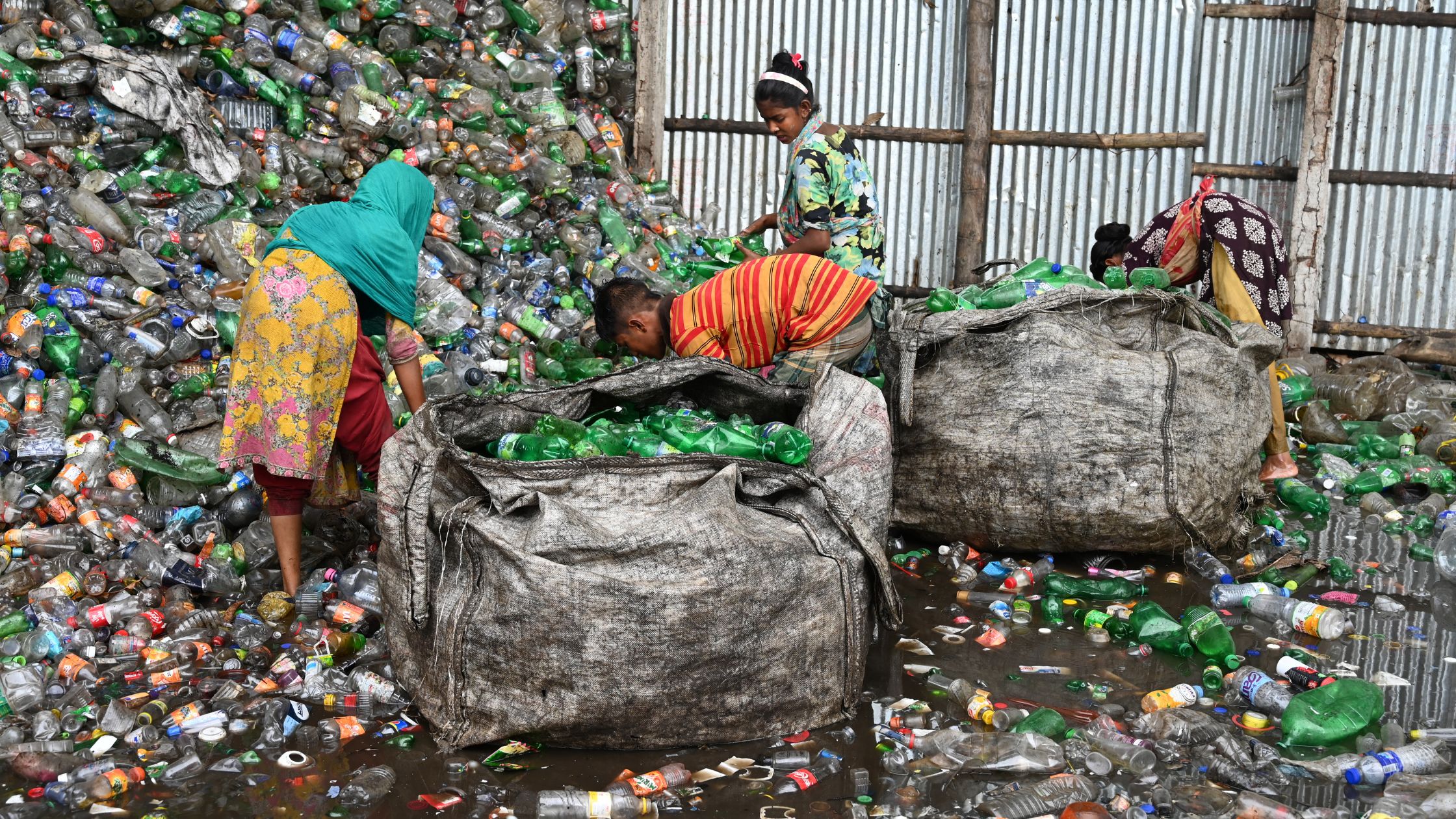
Many people burn old wires or gadgets to extract metals. This process releases toxic fumes that pollute the air. Kids who breathe this air may develop breathing problems, allergies, coughing, and asthma-like symptoms. So Impacts of Electronic Waste on Kids’ Health dangerously.
3. Skin Problems
When children play near waste areas or touch broken gadgets, the chemicals can irritate their skin. Rashes, itching, and infections can occur without clear warning signs.
4. Long-Term Health Issues
Over time, toxic substances like cadmium and chromium can damage kidneys, lungs, and even the immune system. These health problems may show up slowly, making it even more important to prevent exposure early.
Why Children Are More Vulnerable
Children absorb more pollutants than adults because they breathe faster, drink more water compared to their body weight, and have a developing nervous system. Their habits—such as putting hands in their mouths, playing outdoors, and touching everything around them—also increase the chances of exposure. This is why preventing Preventing Impacts of Electronic Waste on Kids’ Health is not just important, but urgent.
Simple Ways to Prevent the Harmful Impacts of E-Waste on Kids’ Health
Protecting children from e-waste exposure is easier when families and communities take small but effective steps. Here are practical ways to reduce the impact:
1. Reduce the Number of New Gadgets
One of the best ways to prevent e-waste is by reducing how many electronic items we buy. Before purchasing a new device, ask yourself:
- Do we really need it?
- Can we repair the old one?
- Is there a secondhand option?
Teaching kids to value what they already have helps reduce waste and builds responsible habits.
2. Repair Instead of Replacing
Many gadgets stop working due to minor issues such as a broken screen, weak battery, or loose wire. Instead of throwing them away immediately, consider repairing them. Repairing:
- Saves money
- Reduces waste
- Keeps kids away from harmful materials
Introduce children to the idea that fixing things is better than discarding them.
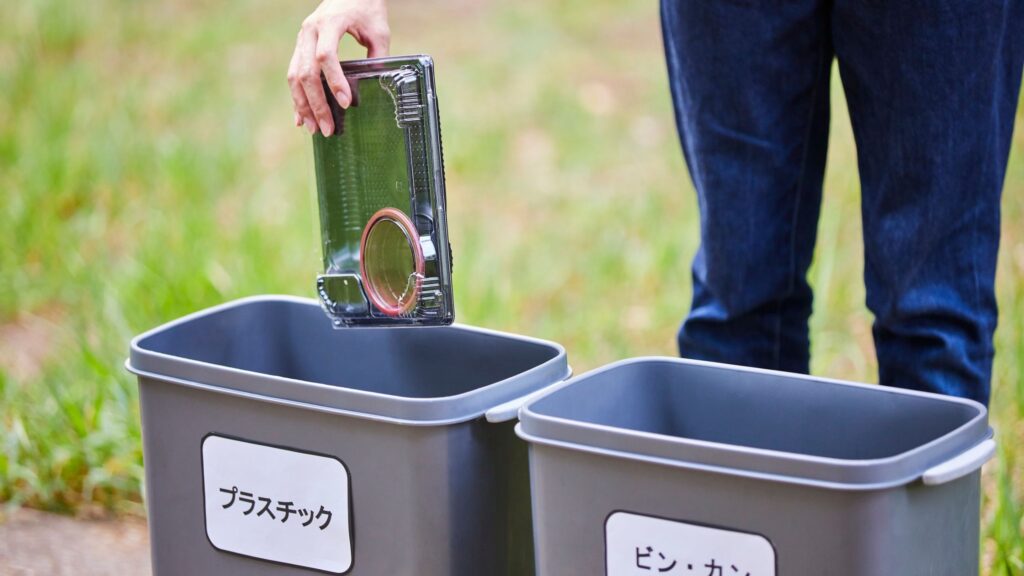
3. Recycle Electronics Responsibly
Never throw electronics into regular dustbins. Many countries and cities have special e-waste collection centers or recycling programs that dispose of gadgets safely. When e-waste is recycled:
- Toxic materials are handled by trained professionals
- Valuable metals are reused
- Pollution is reduced
Parents can also teach kids about the importance of recycling and involve them in sorting items.
4. Store Broken Gadgets Safely
If you have old or unused electronics at home, store them in a closed box out of children’s reach. This prevents accidental exposure. Make sure batteries—especially leaking ones—are kept separately and taken to a recycling center as soon as possible.
5. Avoid Buying Cheap, Low-Quality Electronics
Low-quality gadgets break easily and contain more toxic materials. They turn into e-waste quickly and are unsafe to use for long. Investing in good-quality devices that last longer helps reduce waste and keeps kids safer.
6. Teach Kids Not to Play with Broken Electronics
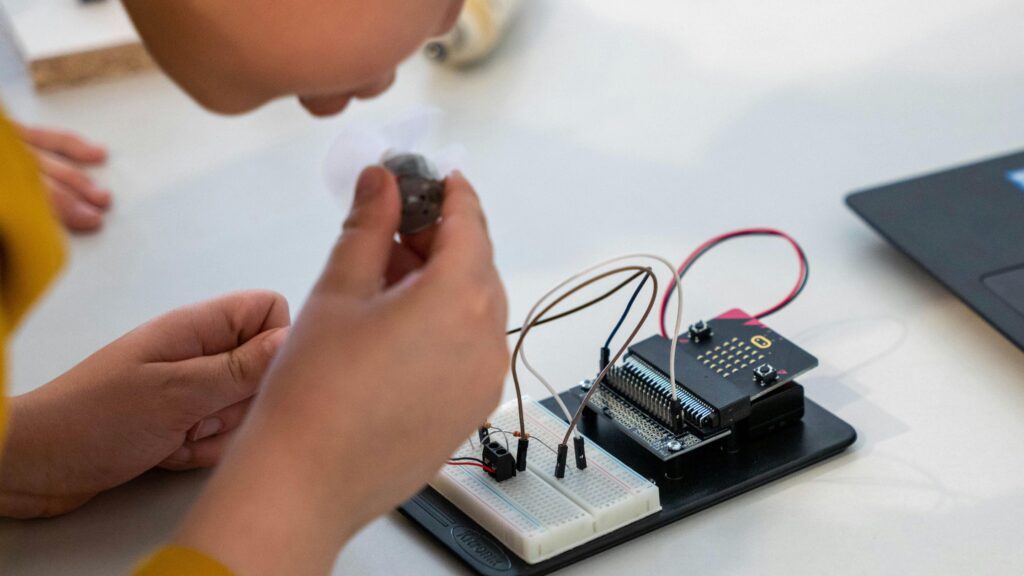
Children may find old gadgets interesting, but broken toys, remote controls, and devices can expose them to harmful metals. Explain in simple words why these items are dangerous:
- They have sharp parts
- They contain chemicals
- They can harm your skin and health
Educating kids early helps prevent risky behavior.
7. Keep Charging Areas Clean and Organized
Loose wires, overheated chargers, and exposed batteries can create e-waste and pose danger. Keeping all electronics organized, untangled, and stored properly reduces chances of breakage and contamination.
8. Support Community E-Waste Drives
Many schools, NGOs, and local groups organize e-waste collection events. Participating in these programs not only keeps your home safe but also helps spread awareness. Encouraging kids to join such drives teaches them responsibility toward the environment.
The Role of Schools and Communities
Parents alone cannot solve the e-waste issue. Schools and communities play an important role by:
- Holding awareness workshops
- Teaching children about recycling
- Creating designated e-waste bins
- Encouraging repair labs or “fixing clubs”
- Partnering with certified e-waste recyclers
When children learn about safe e-waste practices in school, they bring those habits home too.
Building Healthy Tech Habits in Kids
Children today cannot grow up without gadgets, but they can grow up safely. Parents can create simple technology rules at home, such as:
- Using gadgets gently
- Not throwing or dropping them
- Reporting broken items immediately
- Keeping devices dry and clean
- Avoiding overcharging batteries
Good habits help gadgets last longer, reducing e-waste and protecting kids’ health.
Also Read: 10 Best Tips of Building Healthy Habits for Kids
Final Thoughts
Electronic waste may seem like a big global problem, but change always begins at home. By reducing unnecessary purchases, repairing instead of replacing, recycling responsibly, and teaching kids about safety, families can significantly reduce the harmful effects of e-waste. When communities come together and make responsible choices, children grow up in a healthier, safer environment. Small steps today can protect our kids’ health tomorrow—and help create a cleaner, greener world for future generations.
Also Read: Promoting healthy growth and development