Category Archives: Child Health

Child Health

12. Signs of Appendicitis in Kids: Silent Signals Parents Should Never Ignore:

Signs of Appendicitis in Kids.

Appendicitis is one of the most common medical emergencies in children, yet it often goes unnoticed in its early stages. Unlike adults, kids may struggle to describe what they are feeling, making it harder for parents to recognize the warning signs in time. A delayed diagnosis can lead to serious complications, including a ruptured appendix. Understanding the early and advanced signs of appendicitis in kids can help parents act quickly and protect their child’s health.

What Is Appendicitis and Why Is It Serious in Children?

Appendicitis occurs when the appendix—a small, finger-shaped pouch attached to the large intestine—becomes inflamed or infected. This inflammation usually happens due to a blockage caused by stool, infection, or swollen lymph tissue. In children, appendicitis can progress rapidly, sometimes within 24 to 48 hours. Because kids’ symptoms are often vague or resemble common stomach problems, appendicitis can be easily misdiagnosed, increasing the risk of appendix rupture.

Early Signs of Appendicitis in Kids

The early symptoms of appendicitis may seem mild at first and can easily be mistaken for indigestion, gas, or a viral infection. However, these early clues are crucial.

1. Abdominal Pain That Changes Location

One of the earliest and most noticeable signs is abdominal pain. The pain often begins around the belly button and later shifts to the lower right side of the abdomen. This movement of pain is a classic indicator of Appendicitis in Kids. In younger children, they may simply say their “tummy hurts” or hold their stomach frequently.

2. Loss of Appetite: Signs of Appendicitis in Kids

A sudden lack of interest in food is another early sign. Children with appendicitis often refuse meals, even their favorite foods. This loss of appetite is different from normal picky eating and usually appears along with stomach discomfort.

3. Mild Fever

In the initial stage, children may develop a low-grade fever. While the fever may not seem alarming at first, when combined with abdominal pain, it should not be ignored.

Progressive Symptoms That Need Immediate Attention

As the inflammation worsens, symptoms become more intense and harder to overlook. These signs indicate that medical evaluation is urgently required.

4. Increasing Pain on the Lower Right Side

As appendicitis progresses, the pain becomes sharper and more localized in the lower right abdomen. The pain may worsen with movement, coughing, sneezing, or walking. Children may walk hunched over or avoid sudden movements to reduce discomfort.

5. Nausea and Vomiting

Nausea often follows the onset of abdominal pain, not before it. Vomiting may occur as the body reacts to the inflammation. Persistent nausea combined with abdominal pain is a strong warning sign.

6. Swelling or Bloating of the Abdomen

Some children develop a visibly swollen or bloated abdomen. This can be especially noticeable in younger kids and toddlers, who may cry when their abdomen is touched.Digestive Changes Linked to Appendicitis

Appendicitis can affect bowel movements, leading to changes that parents should watch closely.

7. Constipation or Diarrhea

While constipation is more common, some children may experience diarrhea, often accompanied by mucus. These bowel changes, when paired with abdominal pain, can indicate appendicitis rather than a simple stomach upset.

8. Pain During Urination

In some cases, the inflamed appendix can irritate the bladder, causing pain or discomfort during urination. This symptom is more common when the appendix lies close to the urinary tract, making diagnosis confusing.

Also read: 5 Best Nutritious Food: Make Kids Immune System Stronger

Behavioral and Physical Clues in Younger Children

Infants and toddlers may not show classic symptoms, making observation even more important.

9. Excessive Crying and Irritability

Young children may cry excessively, appear unusually fussy, or resist being held. They may pull their legs up toward their abdomen, a natural response to reduce pain.

10. Lethargy and Weakness

A child with appendicitis often appears unusually tired or weak. They may prefer lying still and avoid play or physical activity, which is unusual for active children.

Advanced Signs of a Possible Ruptured Appendix

If appendicitis is left untreated, the appendix can burst, leading to serious complications.

11. High Fever and Worsening Pain

A sudden spike in fever, along with severe abdominal pain, may indicate a ruptured appendix. In some cases, the pain may briefly lessen before worsening again, which is a dangerous sign.

12. Severe Abdominal Tenderness

The abdomen may become extremely sensitive to touch. Even light pressure can cause intense pain, signaling a medical emergency.

When Should Parents Seek Medical Help?

Parents should seek immediate medical attention if their child has persistent abdominal pain lasting more than a few hours, especially if the pain shifts to the lower right side. Do not give painkillers or laxatives without consulting a doctor, as they may mask symptoms or worsen the condition. Early diagnosis through physical examination, blood tests, and imaging can prevent complications and lead to a quicker recovery.

How Is Appendicitis Treated in Children?

The standard treatment for appendicitis is surgical removal of the appendix, known as an appendectomy. In some early cases, antibiotics may be considered, but surgery remains the most effective solution. Children usually recover quickly, especially when treated before the appendix ruptures.

Final Thoughts: Trust Your Instincts as a Parent

Appendicitis in kids can be tricky to identify, but parents play a crucial role in early detection. If your child’s pain feels unusual, persistent, or progressively worse, trust your instincts and seek medical care. Recognizing the signs of appendicitis in kids can make all the difference, ensuring timely treatment and safeguarding your child’s health and well-being.

Also Read: How To Treat Stomach-Related Illnesses in Children

5. Best High Fiber Foods for Kids: Building Healthy Tummies and Happy Futures

High Fiber Foods for Kids to fight constipation

A child’s growing body needs the right balance of nutrients to stay energetic, strong, and disease-free. Among all essential nutrients, dietary fiber often gets overlooked, yet it plays a powerful role in children’s overall health. From improving digestion to boosting immunity, fiber-rich foods can make a big difference in a child’s daily well-being. This article explores why fiber is important and highlights the best high fiber foods for kids, along with easy ways to include them in everyday meals.

Why Fiber Is Important for Kids

Dietary fiber is the part of plant-based food that the body cannot fully digest. Instead of being absorbed, fiber moves through the digestive system, helping it function smoothly. For children, this is especially important because their digestive systems are still developing.

Adequate fiber intake helps prevent constipation, a common problem among kids. It also supports healthy gut bacteria, which strengthens immunity and improves nutrient absorption. Fiber helps children feel full for longer, reducing unnecessary snacking on junk food. Over time, a fiber-rich diet can lower the risk of obesity, diabetes, and heart problems later in life.

Also Read: 9 Healthy Food Habits for Kids To Grow Mental Strength.

How Much Fiber Do Kids Need Daily?

Fiber requirements depend on a child’s age and gender. As a general guideline:

  • Toddlers (1–3 years): around 19 grams per day
  • Children (4–8 years): about 25 grams per day
  • Older kids and teenagers may need 25–30 grams per day

Meeting these needs is easy when meals include whole grains, fruits, vegetables, legumes, and nuts.

1.Whole Grains: The Foundation of a Fiber-Rich Diet

Whole grains are one of the best sources of High Fiber Foods for Kids. Unlike refined grains, whole grains retain their bran and germ, which contain fiber and essential nutrients.

Foods like whole wheat roti, brown rice, oats, barley, millet, and whole grain bread are excellent options. Starting the day with oatmeal or whole grain cereal can give children a fiber boost in the morning. Replacing white rice with brown rice or adding millet-based dishes a few times a week can significantly improve fiber intake.

2.Fruits: Naturally Sweet Fiber Powerhouses

Fruits are not only delicious but also rich in fiber, vitamins, and antioxidants. Kids are more likely to enjoy fiber when it comes in colorful and sweet forms.

High fiber fruits include apples (with skin), pears, bananas, oranges, berries, guava, and mango. Dried fruits like raisins, figs, and dates are also fiber-rich but should be given in moderation due to their natural sugar content. Offering whole fruits instead of juices ensures children get the maximum fiber benefit.

3.Vegetables: Essential for Digestive Health

Vegetables are a vital part of a High Fiber Foods for Kids. They support digestion, immunity, and overall growth. Some fiber-rich vegetables include carrots, peas, broccoli, spinach, sweet potatoes, pumpkin, and beans.

For picky eaters, vegetables can be added creatively—grated carrots in parathas, blended spinach in soups, or colorful vegetable stir-fries. The more variety you include, the better the fiber and nutrient intake.

4.Legumes and Pulses: Plant-Based Fiber Champions

Legumes are among the richest sources of fiber and protein, making them ideal for growing children. Lentils (dal), chickpeas, kidney beans, black beans, and green gram are excellent choices.

Regular consumption of dals, bean curries, or sprouts helps maintain gut health and provides sustained energy. Including legumes in lunch or dinner can keep kids full and active throughout the day.

5.Nuts and Seeds: Small but Fiber-Rich

Nuts and seeds may be small in size, but they are packed with fiber, healthy fats, and minerals. Almonds, peanuts, walnuts, chia seeds, flaxseeds, and pumpkin seeds are great High Fiber Foods for Kids so those are also add to a child’s diet.

For younger kids, nuts should be powdered or finely chopped to prevent choking. Adding nut powder to milk, porridge, or smoothies is a simple way to boost fiber intake safely.

Healthy Snacks is High Fiber Food for Kids

Snacking is a big part of a child’s daily routine, and choosing fiber-rich snacks can make a positive impact. Instead of chips or biscuits, offer fruit chaat, roasted makhana, popcorn (without excess butter), whole grain crackers, or yogurt with fruits and seeds.

Homemade snacks like vegetable cutlets, oats pancakes, or sprout chaat are both nutritious and filling.

Tips to Increase Fiber Intake in Kids’ Diet

Introducing fiber should be gradual to avoid bloating or discomfort. Always ensure children drink enough water alongside fiber-rich foods. Encourage kids to eat the skin of fruits where appropriate, choose whole grains over refined ones, and include vegetables in every meal.

Making meals visually appealing, involving kids in food preparation, and setting a good example by eating fiber-rich foods yourself can motivate children to follow healthy habits.

Conclusion: Building Lifelong Healthy Eating Habits

Including high fiber foods for kids is one of the simplest and most effective ways to support their digestive health, immunity, and overall growth. From whole grains and fruits to vegetables, legumes, nuts, and seeds, fiber-rich foods are easily available and versatile.

By making small, consistent changes and offering a variety of fiber-rich options, parents can help children develop healthy eating habits that last a lifetime. A happy tummy today leads to a healthier, more energetic future for your child.

Also Read: 5 Ways to Boost Your Kid’s Gut Health

11.Best Protein Foods for Babies: A Complete Guide for Healthy Growth

Protein Foods for Babies

Protein plays a crucial role in a baby’s growth and development, especially during the first two years of life. It helps build muscles, supports brain development, strengthens the immune system, and aids in the formation of enzymes and hormones. As babies transition from milk to solid foods, parents often wonder which protein-rich foods are safe, nutritious, and easy to digest. This article explores the best protein foods for babies, along with tips on when and how to introduce them.

Why Protein Is Important for Babies

During infancy, babies grow rapidly—physically and mentally. Protein provides essential amino acids that act as building blocks for tissues, organs, skin, and hair. Adequate protein intake helps babies:

  • Gain healthy weight
  • Develop strong muscles and bones
  • Support brain and nerve development
  • Improve immunity and overall health

Breast milk and formula provide sufficient protein for the first six months. After that, complementary foods should gradually include protein-rich options suitable for a baby’s age and digestive system.

Also Read: 5 Best Nutritious Food: Make Kids Immune System Stronger

When to Introduce Protein Foods to Babies

Protein-rich solid foods can usually be introduced around 6 months of age, when babies show readiness signs such as sitting with support, good head control, and interest in food. Start with soft, mashed, or pureed foods and introduce one new food at a time to check for allergies or intolerance.

Best Plant-Based Protein Foods for Babies

Plant-based proteins are gentle on the stomach and rich in fiber, vitamins, and minerals, making them ideal for babies.

1. Lentils (Dal)

Lentils are one of the best protein sources for babies. They are rich in protein, iron, and folate.

  • Easy to digest when well-cooked
  • Can be mashed or blended into soups
  • Suitable from 6–7 months

Moong dal and masoor dal are especially light and baby-friendly.

2. Chickpeas

Chickpeas provide protein, fiber, and energy.

  • Support muscle growth and digestion
  • Best introduced after 8 months
  • Serve as smooth hummus or mashed chickpeas

Ensure they are fully cooked and peeled to avoid choking.

3. Beans

Beans like kidney beans, black beans, and white beans are good protein sources.

  • Rich in protein and antioxidants
  • Introduce after 8–9 months
  • Mash well to prevent gas or bloating

4. Tofu

Tofu is a soft, plant-based protein made from soybeans.

  • High-quality protein and calcium
  • Easy to mash or crumble
  • Suitable from 7–8 months

Always choose plain, unsalted tofu.

5. Nut Powders (in Small Amounts)

Almond, cashew, or peanut powder can be introduced cautiously.

  • Rich in protein and healthy fats
  • Helps in weight gain
  • Introduce after 8 months in powdered form

Always consult a pediatrician due to allergy risks.

Best Animal-Based Protein Foods for Babies

Animal-based proteins provide complete proteins containing all essential amino acids.

6. Eggs

Eggs are one of the most nutritious foods for babies.

  • Rich in protein, choline, and vitamins
  • Support brain development
  • Introduce well-cooked eggs from 7–8 months

Start with yolk, then gradually include the white.

7. Chicken

Chicken is a lean protein source ideal for growing babies.

  • Helps build muscle and strength
  • Introduce after 8 months
  • Serve as finely shredded or pureed chicken

Avoid adding salt or spices.

8. Fish

Fish provides protein and omega-3 fatty acids.

  • Supports brain and eye development
  • Introduce after 9 months
  • Choose low-mercury fish like salmon or rohu

Ensure all bones are removed before feeding.

9. Meat (Mutton or Beef)

Red meat is rich in protein and iron.

  • Helps prevent anemia
  • Introduce after 9–10 months
  • Cook until very soft and puree well

Offer in small quantities to avoid digestive discomfort.

Best Dairy-Based Protein Foods for Babies

Dairy products are excellent protein sources but should be introduced carefully.

10. Paneer (Cottage Cheese)

Paneer is a soft, fresh cheese rich in protein and calcium.

  • Supports bone and muscle growth
  • Suitable from 8 months
  • Mash or crumble before serving

Use homemade paneer without added salt.

11. Curd (Yogurt)

Curd is a probiotic-rich protein food.

  • Improves digestion and immunity
  • Suitable from 6–7 months
  • Serve plain, unsweetened curd

Avoid flavored or packaged yogurt.

12. Cheese (in Moderation)

Cheese provides protein and calcium but can be high in salt.

  • Introduce after 9 months
  • Offer in very small amounts
  • Choose low-sodium varieties

Protein-Rich Finger Foods for Older Babies

As babies grow and develop chewing skills, finger foods can be introduced:

  • Soft scrambled eggs
  • Mini paneer cubes
  • Well-cooked lentil patties
  • Shredded chicken pieces

These help develop motor skills while providing nutrition.

How Much Protein Does a Baby Need?

Protein requirements vary by age:

  • 6–8 months: About 1.2 g/kg/day
  • 9–12 months: About 1.1 g/kg/day
  • 1–3 years: About 1.05 g/kg/day

A balanced diet usually meets these needs without supplements.

Tips for Feeding Protein Foods to Babies

  • Always cook protein foods thoroughly
  • Start with small quantities
  • Avoid added salt, sugar, and spices
  • Watch for allergic reactions
  • Maintain variety for balanced nutrition

Conclusion

Providing the best protein foods for babies is essential for healthy growth, strong immunity, and proper brain development. From lentils and eggs to paneer and chicken, there are plenty of nutritious and baby-safe protein options available. By introducing these foods gradually and in age-appropriate forms, parents can ensure their baby receives the right balance of nutrients for a strong and healthy start in life. A diverse, protein-rich diet not only supports physical development but also lays the foundation for lifelong healthy eating habits.

Also Read: Protein-Rich Foods for Kids

Pediasure for kids’ – Complete Nutritional Support for Growing Kids

Why Parents Trust Pediasure for Their Child’s Growth

Every parent wants to see their child grow healthy, active, and confident. However, picky eating habits, busy schedules, and nutritional gaps often make it challenging to meet a child’s daily nutrient needs through regular meals alone. This is where Pediasure has emerged as one of the most trusted nutritional supplements for children. Recommended by pediatricians worldwide, Pediasure is designed to support growth, immunity, and overall development in kids aged 2 to 10 years.

In this detailed review, we will explore what Pediasure is, its key ingredients, benefits, taste, safety, and whether it is truly worth adding to your child’s daily routine.

What Is Pediasure?

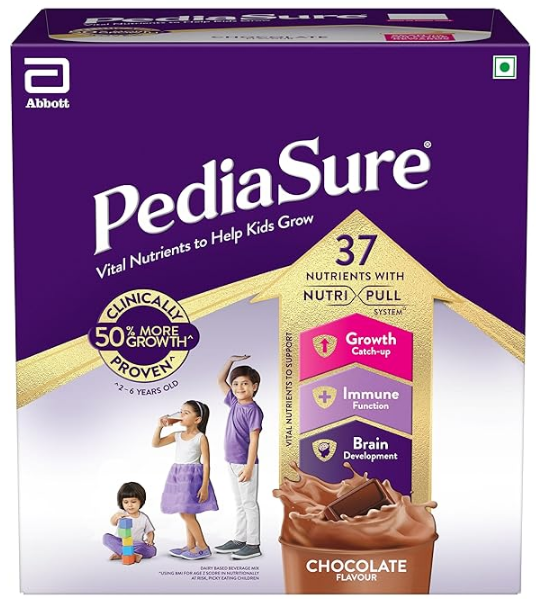
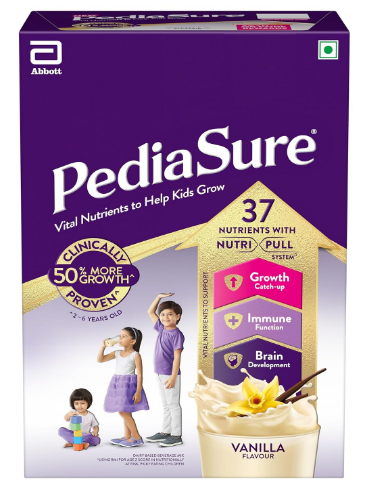
Pediasure is a clinically proven nutritional drink developed by Abbott to support children’s growth and development. It is especially beneficial for kids who are fussy eaters, underweight, or have poor appetite. Pediasure is not a medicine but a balanced nutritional supplement that provides essential proteins, vitamins, minerals, and healthy fats required for growing bodies.

Available in both powder and ready-to-drink liquid forms, it comes in kid-friendly flavors like vanilla, chocolate, strawberry, and more, making it easier for parents to include it in daily diets.

Also Read: 5 Best Health Drinks for Kids: Nourishing Growing Bodies the Right Way

Key Nutritional Ingredients.

1. High-Quality Protein Blend

Pediasure contains a blend of milk, soy, and whey proteins, which are essential for muscle growth, tissue repair, and overall physical development. Protein plays a vital role in helping children gain healthy weight.

2. Essential Vitamins and Minerals

Pediasure is enriched with 37 vital nutrients, including vitamins A, C, D, E, K, B-complex, calcium, iron, zinc, and magnesium. These nutrients support bone strength, brain development, blood formation, and immunity.

3. Healthy Fats and DHA

The presence of healthy fats and DHA (Docosahexaenoic Acid) helps support brain development, memory, and learning ability—especially important during early childhood years.

4. Prebiotics and Probiotics

Pediasure contains prebiotics that promote healthy gut bacteria, aiding digestion and improving nutrient absorption. A healthy gut also contributes to better immunity.

Health Benefit

Supports Healthy Weight Gain

One of the biggest advantages of Pediasure is its ability to help children achieve healthy weight gain. It provides calorie-dense nutrition without compromising quality, making it ideal for underweight kids.

Boosts Immunity

With vitamins C, E, zinc, and selenium, Pediasure helps strengthen the immune system, reducing the frequency of common illnesses like colds and infections.

Enhances Height and Bone Growth

Calcium, vitamin D, and phosphorus support strong bones and teeth, contributing to proper height growth during crucial years.

Improves Energy and Stamina

Children who often feel tired or lack energy may benefit from Pediasure’s balanced carbohydrate and fat content, which provides sustained energy throughout the day.

Helps Picky Eaters

For children who refuse vegetables, fruits, or protein-rich foods, this health drink acts as a nutritional safety net, ensuring they still receive essential nutrients.

Taste and Acceptability: Kid-Approved Flavors

One of the reasons this product is so popular among parents is its pleasant taste. Unlike many health drinks that kids resist, Pediasure’s smooth texture and sweet flavors are generally well accepted by children. It can be mixed with milk or water and even added to smoothies, shakes, or healthy desserts for variety. is easy to prepare. Simply mix the recommended number of scoops with warm or cold water or milk, as per the instructions on the pack. It can be given 1–2 times a day, preferably between meals or as advised by a pediatrician.

It is important to remember that Pediasure is a supplement, not a meal replacement. A balanced diet with fruits, vegetables, grains, and home-cooked meals should always remain the foundation of a child’s nutrition.

Safety and Quality Assurance

This health drink is developed using scientifically tested formulas and undergoes strict quality checks. It is free from trans fats and artificial preservatives, making it safe for regular consumption when used as directed. However, children with milk allergies or lactose intolerance should consult a doctor before use.

Pros and Cons of Pediasure

Pros

  • Clinically proven to support growth
  • Rich in essential nutrients
  • Improves immunity and digestion
  • Easy to prepare and tasty
  • Trusted brand with pediatric backing

Cons

  • Slightly expensive compared to regular health drinks
  • Contains added sugar (though within safe limits)
  • Needs consistency for visible results

If you are a parent worried about your child’s nutrition, growth, or eating habits, Pediasure is a reliable and effective option. It bridges nutritional gaps and supports overall development without compromising taste or safety. While it should not replace healthy home food, it works excellently as a supportive supplement.

With consistent use and a balanced diet, Pediasure can help children grow stronger, healthier, and more energetic—giving parents peace of mind and kids the nutrition they need to thrive.

Disclaimer: Always consult a pediatrician before starting any nutritional supplement, especially if your child has specific medical conditions or dietary restrictions.

5 Best Health Drinks for Kids: Nourishing Growing Bodies the Right Way

Top Nutrients Every Child Needs for Healthy Growth

As parents, we all want our children to grow strong, active, and healthy. In today’s fast-paced lifestyle, ensuring kids receive complete nutrition from daily meals alone can sometimes be challenging. Picky eating habits, busy schedules, and seasonal illnesses often leave nutritional gaps. This is where health drinks for kids can play a supportive role.

The right health drink does more than just add calories—it provides essential vitamins, minerals, protein, and immunity-boosting nutrients that support physical growth, brain development, and overall wellness. However, choosing the best option requires careful attention to ingredients, age suitability, and nutritional balance.

Here are the 5 best health drinks for kids that parents trust to support healthy growth and energy—when used wisely and as part of a balanced diet.

1. Pediasure – Complete Nutrition for Growing Kids

Pediasure is one of the most popular health drinks recommended for children who need extra nutritional support. Designed especially for kids aged 2 to 10 years, it provides balanced nutrition that helps support growth, weight gain, and immunity.

Key Benefits

  • Rich in protein, calcium, and vitamin D
  • Supports height and weight gain
  • Contains prebiotics for better digestion
  • Helps improve immunity and energy levels

Pediasure is ideal for picky eaters and kids who may not get enough nutrients from food alone. It comes in multiple flavors, making it appealing even to fussy children.


2. Horlicks Growth Plus – Trusted Nutrition with Modern Science

Horlicks has been a household name for decades, and Horlicks Growth Plus is specially formulated to meet the nutritional needs of growing children.

Key Benefits

  • Clinically proven to support height gain
  • Enriched with calcium, vitamin D, and protein
  • Supports bone strength and muscle development
  • Helps improve stamina and concentration

This health drink is best suited for school-going children who are active and need sustained energy throughout the day.


3. Bournvita – Energy and Brain Support in One Drink

Bournvita is a favorite among kids due to its chocolatey taste, while parents appreciate its nutritional value. It is designed to support both physical growth and cognitive development.

Key Benefits

  • Contains essential vitamins and minerals
  • Supports brain development and memory
  • Provides instant energy for active kids
  • Improves strength and immunity

Bournvita is especially helpful for kids involved in sports or extracurricular activities that require physical endurance and mental alertness.


4. Complan – High-Protein Health Drink for Overall Growth

Complan stands out due to its high protein content, making it a suitable choice for children who need support in muscle and tissue development.

Key Benefits

  • High-quality protein for growth and repair
  • Enriched with 34 vital nutrients
  • Supports height, weight, and immunity
  • Available in multiple kid-friendly flavors

Complan is a good option for children experiencing slow weight gain or those recovering from illness.


5. Homemade Health Drinks – Natural and Wholesome Choice

While packaged health drinks are convenient, homemade health drinks offer a natural, preservative-free alternative. They can be customized according to your child’s age and nutritional needs.

Healthy Homemade Options

  • Almond milk with dates
  • Banana and peanut smoothie
  • Ragi malt drink
  • Oats and apple smoothie

Key Benefits

  • Free from artificial flavors and preservatives
  • Rich in natural nutrients and fiber
  • Improves digestion and immunity
  • Builds healthy eating habits from an early age

Homemade drinks are ideal for younger kids and can be a great way to introduce wholesome nutrition creatively.

Also Read: 10 Best Nutritious Ideas for Kids Approved by Dietitians

How to Choose the Right Health Drink for Your Child

Before selecting a health drink, parents should consider a few important factors:

  • Age appropriateness: Choose products suitable for your child’s age group
  • Sugar content: Avoid drinks with excessive added sugar
  • Nutritional needs: Focus on protein, calcium, iron, and vitamins
  • Medical conditions: Consult a pediatrician if your child has allergies or health issues

Health drinks should supplement a balanced diet, not replace regular meals.


Final Thoughts

Health drinks can be a valuable addition to your child’s daily nutrition when chosen carefully. Whether you prefer trusted brands like Pediasure, Horlicks, Bournvita, and Complan, or opt for nourishing homemade alternatives, the goal remains the same—supporting your child’s healthy growth and development.

Remember, no health drink can replace the goodness of home-cooked food, fruits, vegetables, and active play. When combined wisely, these drinks can help ensure your child gets the nutrients they need to thrive—happily and healthily.

Also Read: Protein-Rich Foods for Kids

Ultimate Review of Himalaya Baby Cream: Moisturizer for Your Baby’s Delicate Skin

A Gentle Ayurvedic Moisturiser for Your Baby’s Delicate Skin

Caring for a baby’s skin is one of the most critical parts of parenting. Newborn and infant skin is delicate, sensitive, and prone to dryness, irritation, and chapping — especially in fluctuating weather conditions. In this review, we look closely at Himalaya Baby Cream, a long-time favourite in Indian households, to help you decide if it’s the right choice for your little one.

👶 Introduction: What Is Himalaya Baby Cream?

Himalaya Baby Cream is a moisturizing cream designed to nourish and protect a baby’s soft, delicate skin. Formulated by The Himalaya Drug Company, this cream positions itself as a gentle, everyday skincare solution for infants — ideal for daily use post-bath or after outdoor exposure. Himalaya Wellness (India)

Priced affordably and available in multiple sizes (50 ml, 100 ml, and 200 ml), it’s marketed toward parents looking for effective yet budget-friendly baby care products. Himalaya Wellness (India)+1

🌿 Key Ingredients: Nature Meets Science

One of the biggest selling points for Himalaya Baby Cream is its blend of herbal and nourishing ingredients — a hallmark of Himalaya’s Ayurvedic-inspired formulations.

🧴 Core Ingredients

  • Country Mallow – Known for its skin-conditioning and antioxidant properties, this plant extract aims to support skin health and soothe irritation. Himalaya Wellness (India)
  • Licorice – Helps soothe and protect delicate skin from chapping or irritation. Himalaya Wellness (India)
  • Olive Oil – A classic natural moisturizer, rich in vitamin E and fatty acids, it nourishes and softens the skin while helping prevent dryness. Himalaya Wellness (India)

Together, these ingredients contribute to a formula that’s gentle yet effective for daily moisturizing and chafe protection — crucial for areas like cheeks, elbows, and knees that are prone to rubbing. Himalaya Wellness (India)


🧴 Texture & Application Experience

✨ Smooth and Easily Absorbed

One of the immediate impressions users report is the cream’s smooth texture — it isn’t too thick or greasy, and it absorbs into the skin without leaving a heavy residue. The feel on application is pleasant and non-sticky, making it comfortable to use even on wiggly babies. ClickOnCare

👶 How to Use

The recommended method is simple:

  1. Apply after bath time, when the skin is clean and slightly damp.
  2. Gently massage into delicate areas such as the face, knees, elbows, and cheeks.
  3. Avoid the eye area — as recommended by the manufacturer. Himalaya Wellness (India)

This straightforward routine makes the cream easy to incorporate into daily baby skincare.

Also Read: Top 7 Best Winter Best Cold Cream for Kids Up to 5 Years: Protect Your Little One’s Soft Skin This Season

🧪 Performance: Does It Really Work?

💧 Moisturizing & Protective

Most verified buyers praise the cream for its moisturizing ability. Reviews highlight how well it nourishes dry or chapped skin, especially during changing weather or wind exposure. Nykaa Many parents also note that the cream helps preserve the skin’s natural softness — a critical benefit for sensitive baby skin. himalayababycare.com

👍 User Impressions

User reviews tend to be positive:

  • Parents rate it as well-hydrating and soft on the skin. Nykaa
  • The light, pleasant texture is frequently mentioned, with users commenting that it spreads easily and doesn’t feel heavy. Nykaa
  • Many reviewers also appreciate the value for money — especially given its affordability compared to other premium baby creams. Nykaa

Some users also note that it’s versatile — adults have occasionally used it as a gentle moisturizer, indicating its mild formulation. Nykaa

⚠️ Safety & Considerations

Like all skincare products, especially for babies, safety is paramount. While Himalaya Baby Cream is generally considered safe, it’s important to be aware of a few points:

🧴 Patch Test First

Although side effects are uncommon, some children with extremely sensitive skin may react with mild redness or irritation. Experts recommend doing a patch test on a small area before full use — especially if your baby has known skin sensitivities. Medkart Pharmacy

🧪 Avoid the Eyes

As per usage instructions, avoid applying the cream near the eyes to prevent irritation. Himalaya Wellness (India)

🧴 Preservatives

The full ingredient list may include preservatives that help maintain shelf life — these are typical in commercial creams but may be undesirable for parents seeking 100 % chemical-free options. If that’s your priority, consider seeking products with fully natural/organic certifications.


🧠 Pros & Cons at a Glance

✅ Pros

✔ Affordable and widely available
✔ Gentle texture suitable for daily use
✔ Moisturizes effectively and protects delicate skin
✔ Herbal-centric formula with olive oil and botanical extracts
✔ Positive reviews from many parents Nykaa

❌ Cons

✘ Not entirely free of preservatives
✘ A few babies with very sensitive skin may show mild irritation Medkart Pharmacy
✘ Avoiding eye area requires careful application


🏁 Final Verdict

Himalaya Baby Cream is a reliable everyday moisturizer that offers excellent value for most families. Its blend of herbal ingredients and gentle texture makes it suitable for baby’s delicate skin — particularly for addressing dryness, chapping, or irritation from daily activities. Himalaya Wellness (India)While not 100 % chemical-free, it strikes a good balance between efficacy, safety, and affordability, making it a go-to choice for many parents. If you want a cream that gives consistent performance without breaking the bank, this is defini

Cetaphil Baby Daily Lotion Review: Is It the Best Moisturizer for Your Baby’s Sensitive Skin?

What Is Cetaphil Baby Daily Lotion?

Choosing the right lotion for your baby can be challenging, especially when their skin is soft, delicate, and easily irritated. Among the countless options available, Cetaphil Baby Daily Lotion stands out as one of the most trusted choices for parents seeking a gentle yet effective moisturizer.

In this detailed review, we will break down everything you need to know—ingredients, benefits, usage, pros and cons, and whether this lotion is worth buying.

Cetaphil Baby Daily Lotion is a lightweight, hypoallergenic moisturizing lotion specially designed for newborns, infants, and kids with sensitive skin. Formulated with organic calendula, nourishing oils, and skin-friendly hydrators, this lotion offers long-lasting softness and protection without any greasy feel.

It’s part of the well-known Cetaphil Baby skincare range, trusted by dermatologists for decades worldwide.

Also Read: Top 7 Best Winter Best Cold Cream for Kids Up to 5 Years: Protect Your Little One’s Soft Skin This Season 

Key Features of Cetaphil Baby Daily Lotion

1. Gentle Formula for Delicate Skin

Baby skin is fragile and requires a mild formula free from irritants. Cetaphil Baby Lotion meets this need with:

  • Hypoallergenic formula
  • Dermatologist-tested ingredients
  • No parabens
  • No colorants
  • No mineral oil

This ensures your baby’s skin stays safe, irritation-free, and nourished all day long.

2. Enriched with Organic Calendula

One of the star ingredients in this lotion is organic calendula, a natural extract known for:

  • Soothing irritated skin
  • Reducing redness
  • Helping heal minor rashes
  • Providing a calming effect

Its anti-inflammatory properties make the lotion suitable even for eczema-prone babies.

3. Provides 24-Hour Hydration

Thanks to ingredients like glycerin, sunflower oil, and almond oil, this lotion offers deep hydration for up to 24 hours. It locks in moisture and prevents dryness, especially duringUnderstanding the ingredients hels parents make informed decisions. Here’s what makes the formulation impressive:

✔ Glycerin

Ingredients Breakdown: What’s Inside the Lotion?

Acts as a natural humectant that pulls moisture into the skin and keeps it hydrated.

✔ Sunflower Seed Oil

Rich in Vitamin E, it strengthens the skin barrier and protects against dryness.

✔ Almond Oil

Deeply nourishes the skin and leaves it soft and smooth.

✔ Organic Calendula Extract

Calms, heals, and soothes delicate skin.

✔ Free from Harmful Chemicals

  • No parabens
  • No mineral oil
  • No synthetic dyes
  • No animal-based ingredients

This combination makes it safe for daily use on newborns and toddlers.

How to Use Cetaphil Baby Daily Lotion for Best Results

Follow these steps for maximum benefits:

Step 1: Apply After Bathing

Softly pat your baby’s skin dry and apply the lotion immediately to lock in moisture.

Step 2: Massage Gently

Use circular motions to massage the lotion into the skin. This enhances absorption and improves blood circulation.

Step 3: Reapply on Dry Areas

For extra-dry patches (knees, elbows, cheeks), you can apply an additional layer.

For best results, pair with Cetaphil Baby Wash & Shampoo as part of a complete skincare routine.

Who Should Use Cetaphil Baby Daily Lotion?

This lotion is ideal for:

  • Newborns
  • Infants & toddlers
  • Babies with dry skin
  • Sensitive or eczema-prone skin
  • Kids who experience irritation, rough patches, or seasonal dryness

If your child has frequent redness or flakiness, this lotion offers soothing relief.


Benefits of Using Cetaphil Baby Daily Lotion

1. Long-Lasting MoistureKeeps skin hydrated for up to 24 hours.

2. Lightweight & Non-Greasy

Absorbs quickly and doesn’t leave any sticky residue.

3. Soothes Irritated Skin

Thanks to organic calendula, it reduces irritation and redness.

4. Suitable for All Seasons

Whether it’s winter dryness or summer heat, the lotion offers balanced hydration.

5. Travel-Friendly Packaging

Comes with a sturdy flip-top cap making it perfect for diaper bags.

Pros and Cons: An Honest Review

Pros

Extremely gentle for newborn skin

  • Mild, pleasant fragrance
  • Non-greasy and fast absorbing
  • Hypoallergenic and dermatologist approved
  • Perfect for daily use
  • Works well for eczema-prone children

Cons

  • Slightly expensive compared to regular baby lotions
  • The fragrance may be mild, but some parents prefer completely fragrance-free products
  • Results may take longer for very dry or severely irritated skin

Real Parent Experiences

Many parents report noticeable improvements in:

  • Dry patches
  • Skin smoothness
  • Baby eczema
  • Redness around cheeks and legs

Mothers especially appreciate how gentle and effective it is on sensitive skin without causing breakouts or reactions.

Packaging, Availability & Price

Cetaphil Baby Daily Lotion comes in a sturdy white-and-blue plastic bottle with a flip-top cap. The design is:

  • Leakproof
  • Easy to open
  • Convenient for travel

It is widely available across:

  • Medical stores
  • Baby shops
  • Online marketplaces (Amazon, Flipkart, pharmacy apps)

Prices may vary depending on size (typically 50ml, 200ml, 400ml).

Is Cetaphil Baby Daily Lotion Worth Buying? – Final Verdict

Absolutely YES, if you’re looking for:

  • A gentle lotion safe for sensitive skin
  • A non-greasy, lightweight daily moisturizer
  • A dermatologist-approved brand
  • A lotion that works well on dryness, irritation, and rough patches

Cetaphil Baby Daily Lotion stands out because of its clean formula, soothing natural extracts, reliable hydration, and excellent skin tolerance. It may cost slightly more, but the results and safety make it worth the investment for your baby’s skin.

7 Causes of Chronic Cough in Children: What Every Parent Should Know

Causes of Chronic Cough in Children

A child who keeps coughing for weeks can make any parent anxious. You try home remedies, change the weather routine, give warm water, and still that persistent cough doesn’t go away. A cough that lasts more than four weeks is considered a Chronic Cough in Children and understanding the root cause is the first step toward proper relief.

Chronic Cough in Children is not a disease on its own—it is a symptom of something deeper happening inside the body. Sometimes the cause is simple and harmless, and other times it needs timely medical attention. To help parents understand this better, here are the 7 most common causes of chronic cough in children, explained clearly so you can act with confidence.

1. Post-Nasal Drip (Upper Airway Cough Syndrome)

One of the most frequent causes of Chronic Cough in Children is post-nasal drip, where mucus from the nose drips backward into the throat.

This usually happens due to:

  • Cold and flu
  • Sinus infection
  • Allergic rhinitis
  • Weather changes

The mucus constantly irritating the throat triggers coughing, especially at night or early morning. Children may complain of a sore throat, tickling sensation, or frequent need to clear the throat. You may also notice runny nose, sneezing, or watery eyes if allergies are involved.

Proper hydration, steam inhalation, saline nasal drops, and allergy management (if applicable) help reduce this condition. If it lasts too long, a doctor may check for sinus issues.

2. Asthma and Cough-Variant Asthma

Asthma is not always loud wheezing and breathlessness. Some children develop cough-variant asthma, where the only symptom is a stubborn dry cough.

Common signs to watch for:

  • Coughing after playing or running
  • Night-time cough
  • Seasonal triggers
  • Cough during cold weather

Asthma-related cough is usually dry and doesn’t improve with simple home remedies. It is a frightening Chronic Cough in Children. A pediatrician may conduct a lung function test and prescribe inhalers if needed. With proper management, children with asthma can live absolutely normal, active lives.

3. Prolonged Respiratory Infections

Children often catch viral infections, and while most recover quickly, sometimes the cough lingers for weeks. Conditions like pertussis (whooping cough) or a serious RSV infection may lead to Chronic Cough in Children.

Signs may include:

  • Spasms of coughing
  • Vomiting after coughing
  • Fatigue
  • Rapid breathing

Even common viral infections like adenovirus or influenza can leave behind a nagging cough long after the fever and cold have gone away. Since kids have delicate airways, the irritation takes longer to heal. Warm fluids, rest, and time usually improve the condition, but persistent symptoms need evaluation.

4. Allergies and Environmental Irritants

Children are extremely sensitive to environmental triggers. Dust, pet dander, smoke, strong fragrances, and even pollution can irritate their airways, leading to a constant cough.

Common triggers include:

  • Indoor dust mites
  • Pollen
  • Mold
  • Air pollution
  • Cigarette smoke
  • Chemical sprays

If your child coughs more at home, after dusting, or during outdoor play in the evening, allergies could be the culprit. Symptoms like itchy eyes, sneezing, and skin rashes often accompany cough caused by allergies.

Reducing dust, using air purifiers, cleaning soft furnishings, and avoiding smoking inside the house can make a big difference.

5. Gastroesophageal Reflux Disease (GERD)

Many parents are surprised to learn that acidity can cause chronic cough in children. In GERD, stomach acid travels back up into the food pipe, irritating the throat and triggering cough.

Clues that point to GERD include:

  • Cough worse after meals
  • Sour taste in mouth
  • Chest discomfort
  • Hoarse voice
  • Night-time coughing while lying down

GERD-related Chronic Cough in Children often improved by simple lifestyle changes: small frequent meals, avoiding heavy oily foods, keeping the child upright for 30 minutes after eating, and avoiding late-night meals. Severe cases may require medical treatment.

6. Foreign Body Aspiration (Something Stuck in the Airway)

Sometimes, a persistent cough is caused by something unexpectedly serious—a small object stuck in the airway. Children under five are naturally curious and may inhale food particles like peanuts, seeds, or tiny toy pieces.

Warning signs:

  • Sudden coughing episode
  • Difficulty breathing
  • Noisy breathing
  • Cough that doesn’t respond to medicines
  • One-sided wheezing

Even if the choking incident was minor and the child seems fine, a small object may remain lodged inside, causing continuous cough or infections. This requires immediate medical attention and usually an X-ray or bronchoscopy.

7. Habit Cough (Psychogenic or Tic Cough)

Not all chronic coughs are physical in origin. Some children develop a habit cough, often following a viral illness or due to stress, routine change, or anxiety.

Characteristics of habit cough:

  • Repetitive “honking” or harsh-sounding cough
  • Happens only during day
  • Disappears during sleep
  • Not affected by cold or physical activity

This type of cough improves with reassurance, relaxation techniques, counseling, and correcting the habit. The key point: it is harmless and fully treatable.When Should Parents Worry?

A chronic cough is not always dangerous, but watch for the following red flags:

  • Difficulty breathing or fast breathing
  • Cough with blue lips
  • High fever that doesn’t go away
  • Weight loss
  • Night sweats
  • Coughing blood
  • Poor appetite
  • Chest pain

These signs need immediate medical attention.

How Parents Can Help at Home

While the cause of chronic cough may vary, these gentle steps support recovery and comfort:

  • Keep the child hydrated with warm water and soups.
  • Use a humidifier or steam inhalation to ease throat irritation.
  • Avoid exposing the child to dust, smoke, and strong perfumes.
  • Maintain good hand hygiene to reduce infection risks.
  • Elevate the child’s head during sleep if the cough worsens at night.
  • Avoid over-the-counter cough syrups unless advised by a doctor
  • Also Read: 8 Best Home Remedies for Sick Kids

Final Thoughts

Chronic cough in children is common—and in most cases, manageable. The real key is identifying the right cause. Whether it’s allergies, infections, asthma, or something simple like post-nasal drip, proper guidance helps your child recover faster and breathe easier.

As a parent, trust your instincts. If a cough doesn’t improve or feels unusual, don’t hesitate to seek medical advice. Early detection ensures better, safer, and quicker recovery for your little one.

Also Read: When To See the Doctor for a Cough

12 Best Tips to Raise an Empathetic Child: Parents’ Guide to Cultivating Empathy in Kids

Raising an Empathetic Child

Empathy is one of the most valuable life skills a child can develop. It helps them understand the feelings of others, build strong relationships, and make thoughtful decisions. In a world where children face constant distractions and pressures, nurturing empathy ensures they grow into compassionate, emotionally intelligent, and socially responsible individuals. While empathy can be innate, it is also a skill that can be taught and strengthened through daily interactions, modeling, and encouragement. Here is a comprehensive guide on how to raise an Empathetic Child.

1. Be a Role Model of Empathy

Children learn most effectively by observing the adults around them. When parents consistently demonstrate kindness, patience, and understanding, children naturally internalize these behaviors. Showing empathy to others—whether it’s comforting a friend, helping a neighbor, or speaking respectfully—teaches children how to react in similar situations.

Simple acts like saying “I understand how you feel” or “Let’s see how we can help them” set powerful examples. Even in stressful moments, staying calm and acknowledging emotions models healthy emotional regulation.

2. Encourage Emotional Awareness

Empathy begins with understanding emotions—both one’s own and those of others. Help your child identify and name their feelings from an early age. Use everyday moments to ask questions like:

  • “Are you feeling sad because your toy broke?”
  • “It looks like your friend was hurt. How do you think they feel?”

This practice builds emotional literacy, making it easier for children to recognize and respond appropriately to others’ emotions. Picture books and stories are excellent tools for discussing characters’ feelings and motivations.

3. Teach Perspective-Taking

Perspective-taking allows children to see situations from someone else’s viewpoint. It is a key component of empathy and an essential social skill. When conflicts arise—whether at home or school—guide your child to understand the other person’s perspective.

Ask questions such as:

  • “How do you think your sister felt when you grabbed her toy?”
  • “If you were in his place, what would you want someone to do?”

These reflective questions encourage the child to look beyond their own feelings and consider others’ experiences.

4. Foster Kindness Through Daily Habits

Kindness is empathy in action. Encourage your child to practice small acts of kindness every day. These can include sharing toys, helping set the table, or including a lonely child in play. Acknowledge and praise moments when your child shows kindness, saying things like, “That was very thoughtful of you” or “You made your friend feel happy.”

You can also create family traditions such as gratitude journals or weekly “kindness challenges,” where children are encouraged to help, comfort, or compliment someone.

Also Read: 10 Best Tips of Building Healthy Habits for Kids

5. Use Compassionate Discipline

Discipline is necessary, but the way it is implemented matters. Harsh punishment may cause fear or resentment, while compassionate discipline teaches responsibility and empathy. When misbehavior occurs, focus on explaining the impact of the child’s actions rather than punishing them.

For example, instead of saying, “Stop shouting or you’ll be punished,” you might say, “Your shouting scared your little brother. Let’s try using calmer words.” Encourage apologies not as forced acts but as genuine expressions of understanding and regret.

6. Encourage Cooperative Play

Playtime offers wonderful opportunities to build empathy. Games that require teamwork, cooperation, and patience teach children how to communicate, negotiate, and solve problems together. Activities like building with blocks, role-playing, or playing board games help children take turns and support each other.

Role-playing games also allow children to step into different characters, which enhances emotional understanding and imagination.

7. Create a Safe Space for Expression

Children are more likely to show empathy when they feel emotionally secure. Create an environment where your child feels free to express their thoughts and feelings without fear of judgment. Listen attentively, maintain eye contact, and respond with validation.

Statements like “It’s okay to feel upset” or “I understand why you’re frustrated” help children feel heard and respected. This emotional security enables them to extend the same understanding to others.

8. Expose Children to Diverse Experiences

Empathy grows when children are exposed to different cultures, lifestyles, and viewpoints. Read books, watch educational programs, or engage in conversations about people living in different circumstances. Encourage curiosity rather than judgment.

If possible, involve your child in community service activities—donating toys, feeding stray animals, or participating in charity drives. These experiences teach children compassion and responsibility toward others.

9. Limit Screen Time and Encourage Face-to-Face Interactions

Excessive screen time can reduce opportunities for real-world social interactions, which are essential for empathy development. Encourage your child to engage in conversations, play with peers, or interact with family members. Family meals, outdoor activities, and shared hobbies create meaningful bonding moments and foster emotional understanding.


10. Practice Mindfulness and Emotional Regulation

Mindfulness activities can help children become more aware of their emotions and responses. Simple exercises like deep breathing, guided relaxation, or mindful listening improve focus and self-control. When children understand how to manage their own emotions, they are better equipped to empathize with others in emotional situations.

11. Teach Problem-Solving with Care

Empathy involves not only understanding feelings but also responding appropriately. Teach your child how to solve problems calmly and respectfully. When conflicts arise, guide them through steps like:

  1. Identifying the problem
  2. Recognizing feelings of everyone involved
  3. Thinking of fair solutions
  4. Choosing the best option together

This encourages responsible decision-making and helps children build harmonious relationships.

12. Celebrate Empathy

Finally, make empathy a core family value. Celebrate when your child shows thoughtfulness, kindness, or concern for others. Share stories of people who made a difference through compassion. Reinforcing empathy builds your child’s confidence and encourages them to use their emotional strengths in everyday life.

Conclusion

Raising an Empathetic Child is a long-term journey shaped by consistent guidance, emotional support, and meaningful communication. By modeling kindness, encouraging emotional awareness, and creating opportunities for compassion, parents can nurture children who are not only emotionally intelligent but also caring, respectful, and socially responsible. An empathetic child grows into an adult who contributes positively to society and builds strong, fulfilling relationships. With patience and intentional parenting, empathy becomes a natural and lasting part of who they are.

Also Read: 6 Signs Your Child Might Be People-Pleasing—and How To Help

Top 7 Best Winter Best Cold Cream for Kids Up to 5 Years: Protect Your Little One’s Soft Skin This Season

Best Winter Best Cold Cream for Kids Up to 5 Years

Winter brings cozy sweaters, warm hugs, and hot soups—but for kids, it often brings dryness, rough patches, chapped cheeks, and itchy skin. Children up to 5 years have extremely delicate, thinner, and moisture-sensitive skin, which loses hydration faster than adults. That’s why choosing Best Cold Cream for Kids to becomes more than just a skincare choice—it becomes a winter essential.

Here’s a complete, parent-approved guide to help you choose the Best Cold Cream for Kids and keep their skin glowing, soft, and happy all winter long!

Why Do Kids Need a Special Cold Cream in Winter?

Unlike adult skin, toddlers and small children have:

  • Thinner epidermis → moisture evaporates faster
  • Lower natural oil production → dryness builds quickly
  • More sensitivity → reacts easily to chemicals, fragrances, and preservatives

This is why a gentle, nourishing, safe cold cream is a must-have for kids up to 5 years.

A good cold cream acts like a protective coat, sealing in moisture while shielding the skin from wind, cold, and pollution. 🌬️❤️

Key Ingredients to Look for in a Child-Safe Cold Cream

Before choosing any winter cream, check the ingredients list. The safest Best Cold Cream for Kids contain:

1. Natural Oils & Butters

  • Coconut oil
  • Shea butter
  • Cocoa butter
  • Almond oil
  • Olive oil

These provide deep nourishment and keep skin soft for hours.

2. Ceramides

Help strengthen the skin barrier and lock in moisture.

3. Hyaluronic Acid

Gives intense hydration without making the skin sticky.

4. Glycerin

A safe humectant that keeps the skin smooth and plump.

Avoid These Ingredients

  • Parabens
  • Sulphates
  • Mineral oils (for some babies)
  • Artificial fragrances
  • Alcohol
  • Harsh preservatives

Kids’ skincare must always be gentle, mild, and dermatologically tested.

Top Winter Cold Creams for Kids Up to 5 Years (Parent-Approved)

Here are some of the Best Cold Cream for Kids you can choose for your little one this winter. These are Best Cold Cream for Kids widely trusted and suitable for sensitive skin too.

1. Mamaearth Milky Soft Face Cream

Best For: Sensitive and very dry skin
Made with milk protein, shea butter, and murumuru butter
Gives long-lasting smoothness
Hypoallergenic and dermatologically tested

This non-sticky cream works brilliantly for kids who get dry patches on cheeks, elbows, and knees.

2. Aveeno Baby Daily Moisture Cream

Best For: Extra-dry, eczema-prone skin
Contains natural oat extracts
Free from fragrance, parabens, and phthalates
Provides 24-hour hydration

Parents love this cream for its soothing effect and rich texture.

3. Sebamed Baby Protective Facial Cream

Best For: Babies with allergic or highly sensitive skin
42% lipid content for intense protection
Free from mineral oil
Maintains natural pH 5.5

This cream forms a protective layer and is ideal for harsh winters.

4. Himalaya Baby Cream

Best For: Mild dryness and everyday use
Infused with country mallow, olive oil, and licorice
Very affordable
Soft and gentle on delicate skin

A trusted option for daily winter moisturizing for kids.

5. Cetaphil Baby Daily Lotion (Cold Cream Alternative)

Best For: All skin types
Enriched with calendula

Non-greasy
Hypoallergenic

While not a classic “cold cream,” it deeply moisturizes and protects the skin from dryness.

6. Johnson’s Baby Milk Lotion

Best For: Normal to dry skin
Contains milk proteins and vitamins
Very smooth texture
Mild fragrance loved by parents

This lotion provides a soft, soothing effect in winter weather.⭐ 7. Mamaearth Cold Cream for Babies

Best For: Chapped and rough skin
Blend of almond oil, murumuru butter, coconut oil
Free from toxins and harsh chemicals
Great for cheeks, hands, and legs

7. Pond’s Moisturising Cold Cream

  • Why it’s great: A winter favorite for generations, Pond’s cold cream deeply hydrates and shields skin from dry air.
  • Best for: Toddlers (2–5 years) who need extra hydration on cheeks and hands.
  • Parent feedback: It’s rich and comforting, yet doesn’t feel too heavy on little skin.

Perfect for kids who often face windburn in winter. How to Choose the Best Cold Cream for Your Child?

1. Check your child’s skin type

  • Dry skin: Choose rich, buttery creams
  • Normal skin: Lightweight hydrating creams
  • Sensitive skin: Fragrance-free, hypoallergenic formulas

2. Look for certifications

Dermatologically tested, hypoallergenic, and toxin-free labels are essential.

3. Avoid strong fragrances

They may irritate delicate skin.

4. Patch test is a must

Always test any new cream on your child’s arm or leg first.

5. Consider weather intensity

Colder regions need heavier creams; mild winters need lighter ones.

How to Apply Cold Cream Effectively on Kids?

Applying cold cream properly can improve its results. Follow this simple routine:

Step 1: After bath, pat dry

Moisture on the skin helps creams absorb better.

Step 2: Warm a small amount between your palms

This helps spread it smoothly.

Step 3: Apply gently on

  • Face
  • Cheeks
  • Elbows
  • Knees
  • Hands
  • Feet

Step 4: Reapply before bedtime

Nighttime moisturization boosts skin repair.

Step 5: Use lip balm for chapped lips

Kids often lick their lips in winter, causing dryness.

Extra Tips for Winter Skin Protection

✔ Use lukewarm water for baths—not hot
✔ Limit bath time to 5–7 minutes
✔ Make kids drink enough water
✔ Use soft cotton clothing
✔ Apply cream within 3 minutes after bath (“golden minute rule”)
✔ Use humidifier if room air is too dry

Small steps make a big difference in winter skincare!

Also Read: 8 Best Home Remedies for Sick Kids

Final Thoughts: Keep Your Little One’s Skin Winter-Ready

Winter can be tough on a child’s skin, but with the Best Cold Cream for Kids can protect them from dryness, itchiness, and irritation. Always choose creams that are gentle, toxin-free, moisturizing, and dermatologically tested. Whether you choose a natural formula, an oat-based cream, or a mild everyday moisturizer, your goal is to keep your child’s skin soft, healthy, and nourished throughout the season.

With the right winter care, your little one can enjoy the cold weather comfortably—with glowing cheeks and a happy smile.

Also Read: 9 Smart Ways to Protect Your Child’s Skin

5 Best Extracurricular Activities for Kids: Building Skills Beyond the Classroom

Best Extracurricular Activities for Kids

Extracurricular Activities for Kids play a powerful role in a child’s development. While academics form the foundation of learning, activities outside the classroom help children explore their passions, build confidence, and discover their unique talents. In today’s world, where children face increasing academic pressure and digital distractions, extracurricular engagement offers a healthy balance. It provides them with opportunities to develop important life skills, stay active, and enjoy meaningful social interactions.

From sports and arts to technology clubs and outdoor adventures are best Extracurricular Activities for Kids can shape a child’s personality, interests, and future aspirations in remarkable ways. Here is a complete look at why extracurricular activities are important and which options are best for kids of different ages and interests.

Why Extracurricular Activities Matter

1. Builds Social Skills

Extracurricular Activities for Kids allow to interact with peers who share similar interests. Whether they are part of a sports team, drama club, or music group, children learn how to communicate clearly, respect others’ ideas, and work together towards a common goal. These experiences help them develop empathy, cooperation, and problem-solving skills—all essential for success in school and life.

2. Boosts Physical and Mental Health

Activities like sports, dance, martial arts, or swimming encourage physical movement, which helps improve strength, stamina, and overall fitness. Physical activity is also known to reduce stress, boost mood, and enhance concentration. Even non-sport activities such as art or music help kids express emotions and relax their minds, strengthening their emotional well-being.

3. Encourages Creativity and Imagination

Creative activities open the door to imagination and self-expression. Whether a child likes painting, writing, acting, or designing, these experiences help them think innovatively and develop unique ideas. Creativity is a valuable skill in all career fields—from science to business—making early exposure beneficial.

4. Develops Discipline and Time Management

Participating in extracurricular activities teaches kids how to schedule, prioritize, and manage tasks. They learn that effort, dedication, and consistency are required to succeed. These habits are extremely helpful in academic performance and build a strong foundation for adulthood.

5. Enhances Self-Confidence

When children master a new skill—like hitting a cricket ball, performing on stage, or solving a challenging puzzle—they feel proud and confident. Extracurricular activities provide constant opportunities for achievements, which strengthen self-esteem and motivate them to try new things without fear.

There is no “one-size-fits-all” activity. Every child is unique, and the best extracurriculars match their interests and personality. Here are some of the most popular categories:

1. Sports and Physical Activities

Sports are one of the most beneficial Extracurricular Activities for Kids options. They build teamwork, discipline, resilience, and physical strength. Popular choices include:

  • Cricket, football, basketball – Great for teamwork and coordination
  • Swimming – Builds endurance and safety skills
  • Martial arts (karate, taekwondo) – Improves focus and confidence
  • Badminton, tennis – Enhances agility and strategic thinking
  • Gymnastics or yoga – Boosts flexibility and mental calmness

Sports also help children spend less time on screens and stay active.2. Arts and Creative Activities

Creative activities give kids the freedom to express themselves without fear of judgment.

  • Drawing and painting – Encourages imagination and fine motor skills
  • Crafting, clay modeling – Develops patience and creativity
  • Dance classes – Great for rhythm, fitness, and self-expression
  • Music (singing or instruments) – Improves concentration and discipline
  • Drama and theatre – Helps overcome shyness and builds communication skills

These activities help children discover artistic talents while improving emotional well-being.

2. Music and Dance

Music and dance classes are perfect for nurturing creativity. Whether it is singing, playing an instrument like the guitar or piano, or practicing classical, hip-hop, or contemporary dance, these activities are best Extracurricular Activities for Kids to help kids express themselves. Music boosts memory, concentration, and emotional development. Dance improves flexibility, coordination, and confidence. Many children also enjoy performing on stage, which helps them overcome shyness and build self-esteem.

3. Academic and Skill-Based Clubs

Many children enjoy structured learning beyond school subjects. Academic clubs are excellent for motivating curious minds.

  • Science club – Encourages experimenting and innovation
  • Math club – Builds logical thinking
  • Reading or storytelling club – Enhances vocabulary and imagination
  • Robotics and coding – Develops problem-solving and future-ready skills
  • Language learning – Helps expand global awareness

These activities most popular Extracurricular Activities for Kids which can nurture early interest in STEM, literature, or languages.

4. Nature and Outdoor ActivitiesOutdoor learning offers a refreshing change from indoor study routines.

  • Gardening – Teaches patience and responsibility
  • Nature walks and hiking – Encourages curiosity about the environment
  • Bird watching – Enhances observation skills
  • Camping – Builds independence and survival skills

Children learn to appreciate nature, develop resilience, and grow environmentally responsible.

Also Read: 7 Hidden Benefits of Summer Camp for Kids and Parents You Never Knew About

5. Life-Skills and Personality Development Activities

Life-skills programs help children become more independent and confident.

  • Public speaking and debate – Strengthens communication skills
  • Cooking or baking classes – Builds creativity and responsibility
  • Chess club – Enhances concentration and strategic thinking
  • Leadership workshops – Encourages teamwork and decision-making
  • Volunteering – Teaches kindness and community service

These Extracurricular Activities for Kids prepare children for real-world challenges.

How to Choose the Right Activity for Your Child

Choosing an activity is as important as participating in it. Here are some tips to help you select the right one:

1. Follow the Child’s Interests

The best activity is one the child enjoys. Ask what excites them—sports, art, music, animals, books, or technology—and choose accordingly.

2. Consider the Child’s Personality

  • Shy kids may benefit from drama or debate to build confidence.
  • Active kids may enjoy sports or dance.
  • Curious kids may love science or robotics.
  • Creative kids may prefer art or music.

3. Maintain Balance

Avoid over-scheduling. Children need time to relax, play freely, and complete homework. One or two activities per week are usually enough.

4. Check the Quality of Classes

Choose certified instructors, safe environments, and age-appropriate training.

5. Be Supportive

Encourage your child, celebrate their small achievements, and avoid putting pressure on them.

Final Thoughts

Extracurricular activities play a crucial role in shaping a child’s future. They help kids explore their interests, build important skills, stay healthy, and express themselves freely. Whether your child chooses sports, arts, academics, or outdoor adventures, the goal is to help them learn joyfully beyond textbooks. When kids participate in well-chosen activities, they grow into confident, creative, and capable individuals ready to face the world with enthusiasm.

Also Read: Kids Benefit More When Parents Step Back And Let Them Take the Lead

10 Best Kids Food Recipes for 1-Year-Olds: Nutritious, Easy, and Toddler-Approved

Kids Food Recipes for 1-Year-Olds

The first year of a child’s life is full of exciting milestones, and one of the biggest is transitioning from milk to solid foods. By the age of one, most babies can enjoy a wide variety of textures and flavors. This is the perfect time to introduce healthy and tasty recipes that support their rapid growth and help them explore new tastes. Feeding a 1-year-old doesn’t have to be complicated—simple, fresh, and nutrient-rich meals are all they need. Here are some wholesome recipe ideas along with tips on planning nutritious meals for your little one.

Understanding Food Needs of a 1-Year-Old

Before diving into recipes, it’s important to know what nutrients your toddler needs. At this age, children require:

  • Carbohydrates for energy
  • Proteins for muscle and body development
  • Healthy fats for brain growth
  • Iron and calcium for building strong bones and overall development
  • Vitamins and minerals for immunity

A balanced plate for a 1-year-old includes fruits, vegetables, whole grains, dairy or alternatives, and protein sources like lentils, eggs, fish, or meat. Foods should be soft, easy to chew, and minimally seasoned. Now, let’s look at some delicious recipes designed especially for little tummies.

Also Read: 5 Best Nutritious Food: Make Kids Immune System Stronger


1. Banana Oats Pancakes

Ingredients:

  • 1 ripe banana
  • ½ cup oats (ground into flour)
  • 1 egg
  • A splash of milk or water

How to Make:
Mash the banana until smooth. Add the egg and whisk gently. Mix in the oat flour and a splash of milk to form a thick batter. Cook small pancakes on a non-stick pan until golden.

Why It’s Great: This recipe is rich in fiber, vitamins, and protein. The natural sweetness of banana makes it a hit with toddlers.

2. Veggie Khichd

Ingredients:

  • 2 tbsp rice
  • 1 tbsp moong dal
  • Chopped vegetables (carrot, beans, peas)
  • A pinch of turmeric

How to Make:
Wash rice and dal. Combine with chopped vegetables, turmeric, and water in a pressure cooker. Cook until soft and mash gently.

Why It’s Great: A perfect balanced meal with carbs, protein, and vegetables. Easy on the stomach and very nutritious.

3. Soft Idli with Curd

Ingredients:

  • Small idlis
  • Curd (fresh and unsweetened)

How to Make:
Prepare soft idlis. Mash or cut them into small pieces and serve with a spoon of curd.

Why It’s Great: Fermented foods like idli are great for digestion. Curd adds probiotics and calcium.

4. Apple Ragi Porridge

Ingredients:

  • 2 tbsp ragi flour
  • ½ cup water
  • Apple puree

How to Make:
Mix ragi flour with water to avoid lumps. Cook on low heat until thick. Add apple puree for natural sweetness.

Why It’s Great: Ragi is iron-rich and strengthens bones. Apples add fiber and vitamins.

5. Vegetable Suji Upma

Ingredients:

  • 2 tbsp semolina
  • Chopped veggies (carrot, peas)
  • Water

How to Make:
Dry roast semolina. Cook vegetables until soft. Add roasted semolina and stir until it thickens into upma.

Why It’s Great: Light, easy to digest, and packed with nutrients.

6. Mashed Potato and Carrot Mix

Ingredients:

  • 1 boiled potato
  • 1 boiled carrot
  • A few drops of ghee

How to Make:
Mash both vegetables together until smooth. Add a little ghee for healthy fats.

Why It’s Great: A comforting, buttery-soft meal perfect for toddlers new to solid textures.

7. Egg Yolk Scramble

Ingredients:

  • 1 egg yolk
  • A little milk or water

How to Make:
Whisk egg yolk with milk. Cook on low flame until soft and fluffy.

Why It’s Great: Egg yolks are rich in choline, essential for brain development.

8. Sweet Potato Finger Food

Ingredients:

  • Sweet potato

How to Make:
Steam or bake sweet potato slices until soft. Cut into small sticks your toddler can hold.

Why It’s Great: Great as a self-feeding snack, full of fiber and natural sweetness.

9. Fruit and Yogurt Bowl

Ingredients:

  • Curd/yogurt
  • Chopped fruits (banana, papaya, mango)

How to Make:
Mix fresh fruits with yogurt. Serve immediately.

Why It’s Great: Creamy and refreshing, this recipe supports gut health and immunity.

10. Lentil Soup

Ingredients:

  • Moong dal
  • A pinch of turmeric
  • Water

How to Make:
Cook dal with water and turmeric until soft. Blend lightly to make a smooth soup.

Why It’s Great: High in protein, easy to digest, and perfect for dinner.

Tips for Safe and Healthy Feeding

While recipes are important, feeding habits matter just as much. Here are some guidelines to follow:

1. Offer a Variety of Foods

Kids develop taste preferences early. Offer different textures—soft, mashed, small pieces.

2. Avoid Salt, Sugar, and Honey

A 1-year-old’s kidneys are sensitive, and sugar can cause tooth problems. Honey may cause botulism.

3. Introduce One Food at a Time

This helps you spot any food allergies.

4. Encourage Self-Feeding

Finger foods help develop motor skills and independence.

5. Serve Small Portions

Toddlers have small stomachs. Let them ask for more if they’re hungry.

6. Keep Meals Colorful

Colorful plates encourage curiosity and better nutrition.

Final Thoughts

Feeding a 1-year-old can be joyful and creative when you have easy, nutritious recipes on hand. At this age, children are still exploring flavors, so keep meals simple and wholesome. Offer a variety of fruits, vegetables, grains, and proteins to support their rapid growth. With the right ingredients and a little creativity, you can prepare meals that are both healthy and toddler-approved. These recipes not only nourish your child’s body but also help them build a positive relationship with food as they grow.

Also Read: 10 Feeding Challenges for Babies and Toddlers—and How to Solve