Strong reading skills are the foundation of every child’s learning journey. When kids learn to read confidently, they understand school lessons more easily, express themselves better, and develop a lifelong love for learning.
English reading skills, in particular, help children communicate well and open doors to global knowledge. But improving reading ability is not something that happens overnight—it requires patience, the right strategies, and consistent practice. Here are simple, effective, and enjoyable ways to Improve Kids’ English Reading skill.
Table of Contents
1. Build a Strong Vocabulary Base
Vocabulary plays a crucial role in reading. When children recognize most of the words on a page, they read smoothly and understand better. You can help build their vocabulary in several fun ways to Improve Kids’ English Reading skill
Introduce new words daily: Choose 1–2 simple words each day and explain their meaning.
Use objects around the house: Name things like “refrigerator,” “balcony,” or “calendar,” and ask your child to repeat them.
Word-of-the-day notebook: Let kids write one new word daily, draw a picture, and use it in a sentence. This habit strengthens both memory and understanding and Improve Kids’ English Reading skill
2. Create a Reading-Friendly Environment
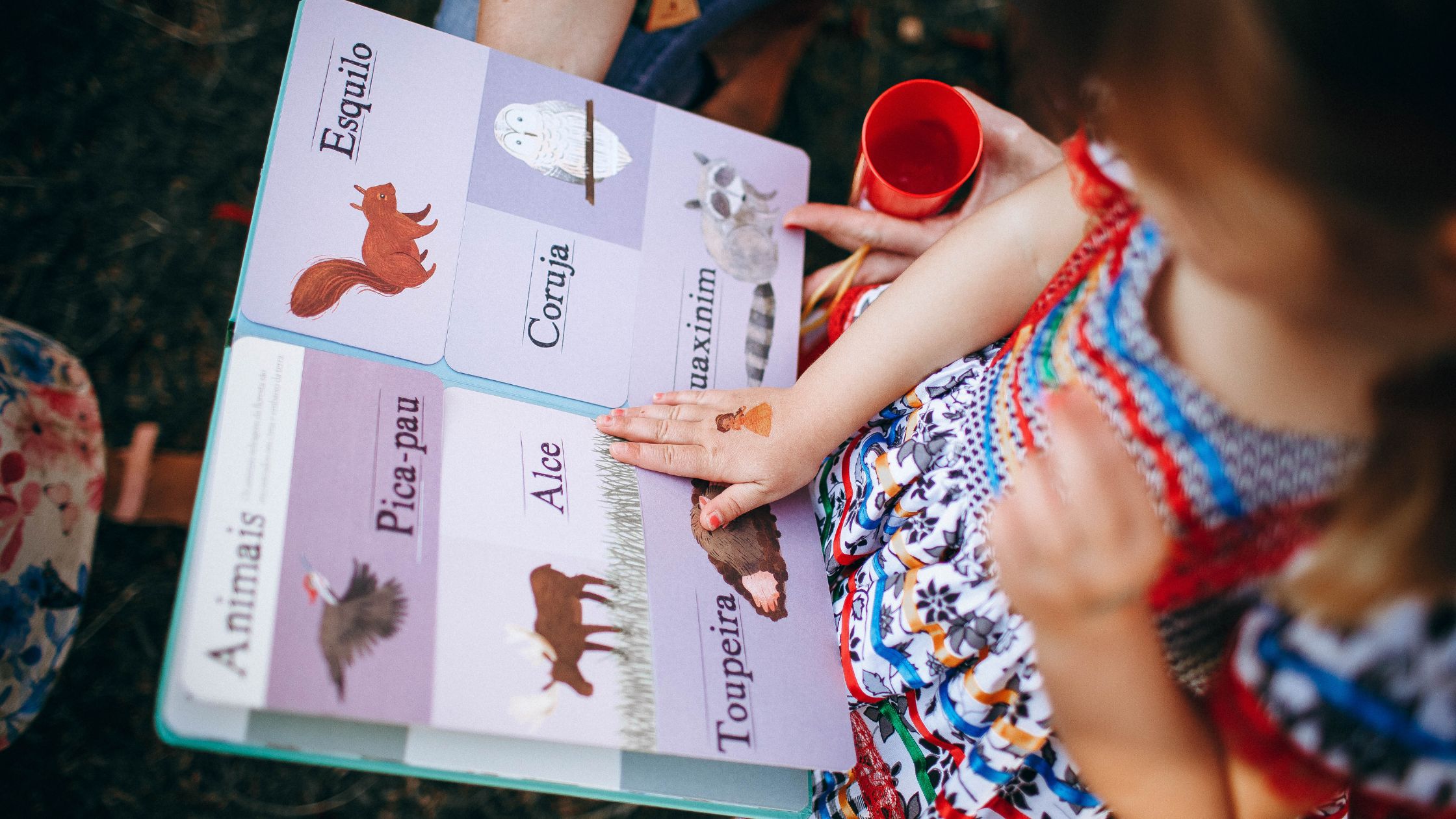
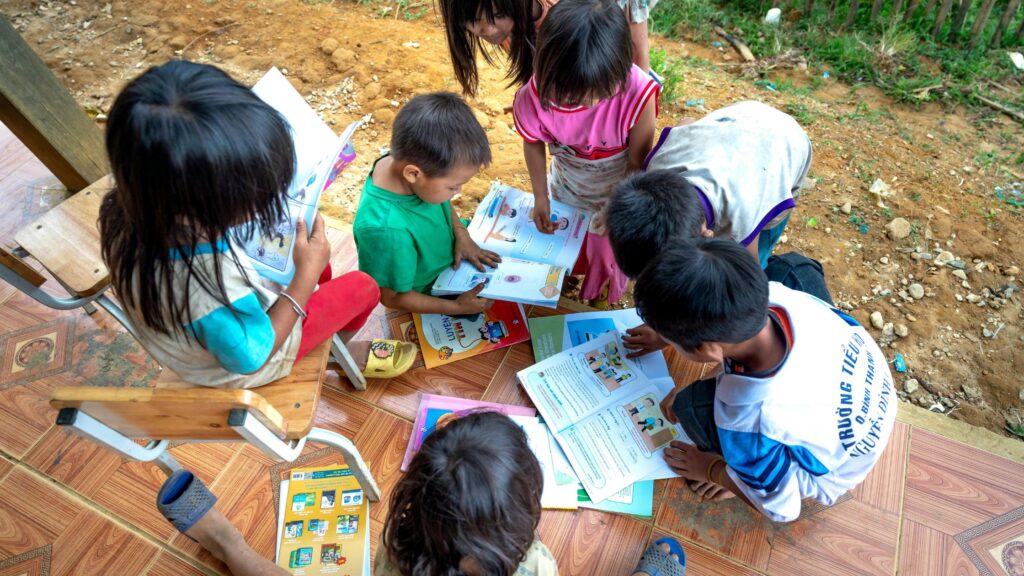
Children read better when books are easily accessible. Make reading a normal part of their surroundings.
Keep English storybooks, picture books, magazines, and flashcards around the house.
Display books on open shelves within their reach.
Encourage kids to read anytime—during breaks, before bedtime, or while travelling.
When books are visible and available, kids naturally feel curious and pick them up more often.
3. Start with Age-Appropriate Books
Choosing the right book matters. If the book is too hard, children lose interest. If it’s too easy, they do not progress.
For younger kids, choose picture storybooks, phonics books, or books with short sentences.
For older kids, choose chapter books with simple language.
Let them choose books based on their interests—animals, superheroes, fairy tales, science, or sports.
When children read what they enjoy, they stay motivated and engaged.
4. Practice Reading Aloud Daily
Reading aloud is one of the most effective ways to Improve Kids’ English Reading skill
Set aside 10–20 minutes daily for reading aloud.
Sit with your child and take turns reading sentences or paragraphs.
Encourage them to pause at commas and full stops.
Correct mistakes gently without breaking their confidence.
Reading aloud helps children become aware of sentence structure, rhythm, and clarity.
5. Teach Phonics and Sound Patterns
Phonics helps children understand how letters and groups of letters sound. This builds decoding skills, which are essential for reading new words.
Introduce letter sounds like /a/, /b/, /c/.
Teach blends like “sh,” “ch,” “th.”
Show how changing one letter can change the whole word (cat, hat, bat).
Use phonics apps or worksheets for practice.
Kids who learn phonics early become confident independent readers.
6. Encourage Daily Conversational English
Reading improves naturally when kids hear and speak more English. Conversation strengthens vocabulary, sentence formation, and listening skills.
Talk to them in simple English at home.
Describe daily activities: “Let’s put the toys away,” “It’s time to eat lunch.”
Ask open-ended questions like “What did you enjoy today?”
Encourage them to answer in English, even if they make mistakes.
The more English they hear, the better they read.
7. Use Reading Games and Activities
Kids learn best through play. Make reading fun with:
Word puzzles and crosswords
Flashcards
Alphabet treasure hunts
Scrabble or word bingo
Matching words with pictures
These activities build interest and strengthen memory without making reading feel like homework.
Educational apps and online reading programs can support learning when used in moderation.
Use apps that teach phonics, sight words, and sentence reading.
Play short reading games that improve comprehension.
Watch English stories with subtitles—kids connect spoken and written words.
Balance is key. Avoid too much screen time and choose high-quality content.
9. Model Good Reading Behavior
Children imitate what they see. If they see adults reading, they believe reading is valuable.
Read your own newspaper, magazine, or book regularly in front of your child.
Share interesting facts or stories you read.
Talk about how reading helps you learn new things.
When reading becomes a family habit, kids develop a positive attitude toward books.
10. Encourage Them to Ask Questions
Curious children become good readers. When they ask questions, they develop deeper understanding.
While reading, encourage them to ask about new words.
Ask simple questions: “Why do you think the character did that?” or “What do you think will happen next?”
Help them predict the ending of the story.
This builds comprehension skills and develops critical thinking.
11. Practice Reading Comprehension
Understanding the text is more important than reading fast.
After reading a paragraph or story, ask:
What was the story about?
Who were the main characters?
What happened first, next, and last?
What did you learn from the story?
Children who practise comprehension become confident students in all subjects.
12. Create a Daily Reading Routine
Consistency is the real key to improvement.
Set a fixed reading time every day.
A short 10–15 minutes is enough for younger kids.
Older children can read for 20–30 minutes.
A daily routine builds discipline and makes reading a natural part of life.
Children stay motivated when they feel appreciated.
Praise them for finishing a book.
Give small rewards like stickers or stars.
Display their word-of-the-day notebook or reading chart.
Positive reinforcement helps kids feel proud of their progress.
Conclusion
Improving kids’ English reading skills is a gradual and joyful journey. With the right environment, consistent practice, engaging books, and supportive guidance, every child can become a confident reader. The goal is not just to read faster or score higher, but to help children enjoy reading, explore new worlds, and build a strong foundation for lifelong learning. When parents make reading fun and meaningful, kids naturally develop curiosity, imagination, and language skills that stay with them forever.