Category Archives: Postpartum Care

10 Painfull Postpartum Complications: What Every New Mother Should Know

Postpartum Complications: Recognizing physical and emotional challenges for timely care and recovery.

The postpartum period—often called the “fourth trimester”—begins immediately after childbirth and typically lasts for six weeks, though some changes can continue for months.

This is a time of profound physical, emotional, and hormonal adjustment as a woman’s body recovers from pregnancy and delivery while she adapts to caring for a newborn. While many mothers experience a smooth recovery, others may face complications that require medical attention and emotional support.

Understanding the Postpartum Complications of this period is essential for early recognition, prompt treatment, and overall well-being of both mother and baby.

1. Postpartum Hemorrhage

Postpartum hemorrhage is one of the most serious Postpartum Complications after childbirth. It refers to excessive bleeding following delivery and can occur within the first 24 hours (primary) or up to several weeks later (secondary). Common causes include uterine atony (when the uterus fails to contract properly), retained placental tissue, or birth canal tears.

Symptoms may include heavy vaginal bleeding, dizziness, rapid heartbeat, and weakness. Immediate medical care is crucial, as an untreated hemorrhage can be life-threatening. I too faced this complication during my postpartum period, and i contact with my Gynochologist slowly recover from this complication.

2. Infections After Delivery

Postpartum infections can develop in the uterus, urinary tract, incision sites (after cesarean section or episiotomy), or breasts. Endometritis, an infection of the uterine lining, is among the most common.

Warning signs include fever, foul-smelling vaginal discharge, lower abdominal pain, and chills. Proper hygiene, timely antibiotic treatment, and regular follow-up can significantly reduce risk and complications.

3. Perineal Pain and Wound Complications

Women who experience vaginal delivery may have perineal tears or episiotomy wounds. Pain, swelling, and discomfort are common in the early days. However, Postpartum Complications such as wound infection, delayed healing, or hematoma formation can occur.

Severe pain, increasing redness, pus, or fever should not be ignored. Proper wound care, effective pain management, and adequate rest are essential for optimal healing.

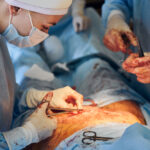
Mothers who deliver by cesarean section may face additional postoperative risks. These include wound infection, blood clots, delayed bowel function, and prolonged pain. Limited mobility and improper wound care can increase Postpartum Complications. Following medical advice on activity, wound hygiene, and early ambulation plays a vital role in recovery.

Also Read: 9 Best Tips: A Complete Guide to Care After Cesarean Delivery

5. Postpartum Urinary and Bowel Problems

Urinary incontinence, difficulty urinating, constipation, and hemorrhoids are common postpartum concerns. These issues may result from weakened pelvic floor muscles, pressure during childbirth, or pain medications. While many resolve with time, persistent symptoms may need pelvic floor exercises, dietary changes, or medical evaluation.

Breastfeeding, though natural, can sometimes be challenging. Common complications include engorgement, cracked nipples, blocked milk ducts, and mastitis. Mastitis presents with breast pain, redness, fever, and flu-like symptoms and requires prompt treatment. Early breastfeeding support and correct latching techniques can prevent many of these problems.

7. Postpartum Anemia and Fatigue

Significant blood loss during delivery can lead to postpartum anemia, causing extreme fatigue, weakness, dizziness, and shortness of breath. Combined with sleep deprivation from newborn care, this can affect a mother’s ability to recover and bond with her baby. Iron-rich nutrition, supplements, and adequate rest are crucial components of recovery.

8. Hormonal Imbalance and Physical Changes

After delivery, hormone levels drop rapidly, leading to symptoms such as sweating, hair loss, mood swings, and hot flashes. Physical changes may include delayed uterine involution, persistent abdominal muscle separation (diastasis recti), and back pain. Although many of these changes are temporary, some may require targeted exercises or medical guidance.

9. Postpartum Mental Health Complications

Emotional well-being is just as important as physical health in the postpartum period. While mild mood changes known as “baby blues” are common, more severe conditions such as postpartum depression, anxiety, or psychosis can occur. Symptoms may include persistent sadness, excessive worry, irritability, withdrawal from loved ones, or difficulty caring for the baby. Early recognition and professional support are essential for recovery.

10. Blood Clots and Cardiovascular Issues

The postpartum period increases the risk of blood clots due to changes in blood flow and clotting factors. Deep vein thrombosis (DVT) and pulmonary embolism are rare but serious complications. Warning signs include leg swelling, chest pain, and sudden shortness of breath. Immediate medical evaluation is necessary if these symptoms appear.

11. Delayed Uterine Recovery

Normally, the uterus gradually returns to its pre-pregnancy size. In some cases, delayed involution occurs, leading to prolonged bleeding and increased infection risk. Factors such as infection, retained placental fragments, or multiple pregnancies can contribute to this condition.

12. Importance of Postpartum Care and Awareness

Many postpartum complications are preventable or manageable with proper care, timely follow-up, and awareness. Postnatal check-ups, balanced nutrition, hydration, gentle physical activity, and emotional support play a vital role in recovery. Family members and caregivers should also be aware of warning signs so they can provide support and seek help when needed.

Conclusion

The postpartum period is a critical phase that deserves as much attention as pregnancy and childbirth. Postpartum Complications during this time can affect a mother’s physical health, emotional stability, and overall quality of life.

Recognizing symptoms early, seeking prompt medical care, and fostering a supportive environment can make a significant difference in recovery. By understanding the potential complications of the postpartum period, new mothers and their families can navigate this transformative time with confidence, care, and compassion—ensuring a healthier start for both mother and baby.Also Read: What To Know About Caring for Your Postpartum Vagina

10 Ways Of First Periods After Pregnancy: What Every New Mother Should Know.

Understanding the return of Periods After Pregnancy from timing and changes to self-care and reassurance.

The arrival of a baby brings immense joy, emotional shifts, and countless physical changes. Among the many questions new mothers have, one common concern is about the first periods after pregnancy.

When will it return? Will it be painful? Is it normal if it is heavy or irregular? These questions are natural, and understanding what to expect can help reduce anxiety during the postpartum phase.

Why Periods Stop During Pregnancy

During pregnancy, menstruation pauses because of hormonal changes, especially the rise in progesterone and estrogen. These hormones support the growth of the baby and prevent the shedding of the uterine lining. After childbirth, hormone levels gradually shift again, allowing the menstrual cycle to resume. However, this process does not follow a fixed timeline for every woman.

When Do Periods Return After Pregnancy?

The timing of the first period after pregnancy varies widely and depends on several factors, most importantly breastfeeding.

  • For non-breastfeeding mothers: Periods may return as early as 6 to 8 weeks after delivery. The body resumes ovulation once hormone levels stabilize.
  • For breastfeeding mothers: Breastfeeding releases prolactin, a hormone that suppresses ovulation. As a result, periods may be delayed for several months or even until breastfeeding is reduced or stopped.

It is important to remember that even without periods, ovulation can occur. This means pregnancy is possible before the first postpartum period arrives.

How Is the First Period Different?

The first periods after pregnancy often feel different from what you experienced before. Some common changes include:

  • Heavier bleeding: The first cycle may be heavier as the uterus clears leftover tissue.
  • Longer or shorter duration: Periods may last more or fewer days initially.
  • Clots: Passing small clots can be normal in early cycles.
  • Stronger cramps: The uterus is shrinking back to its original size, which can cause discomfort.

For many women, these changes settle within a few cycles as the body regains its rhythm.

Irregular Periods After Pregnancy

Irregular periods are very common after childbirth. Your cycle may be unpredictable for several months, especially if you are breastfeeding or experiencing sleep deprivation and stress. Hormonal imbalance, weight changes, and emotional adjustments can all influence menstrual regularity.

However, if irregularity continues beyond six months after periods resume, it is wise to consult a healthcare provider.

First Period vs. Postpartum Bleeding

Many women confuse their first period with lochia, which is postpartum bleeding that occurs immediately after delivery. Lochia can last for 4 to 6 weeks and gradually change from bright red to pink, brown, and finally white or yellow. It is not a menstrual period. True menstruation begins only after lochia has completely stopped.

Pain and Discomfort During the First Period

Some mothers experience more intense cramps during their first period after pregnancy, while others notice milder pain than before. Breastfeeding can trigger uterine contractions during menstruation, sometimes increasing discomfort. Gentle exercise, warm compresses, hydration, and rest can help ease pain naturally.

If pain is severe or accompanied by fever, foul-smelling discharge, or extreme bleeding, medical advice should be sought immediately.

Emotional Changes and Mood Swings

Hormonal fluctuations during the first postpartum period can affect mood. Some women feel more emotional, irritable, or anxious. This is especially true if combined with postpartum fatigue and stress. These emotional changes are normal, but persistent sadness or anxiety should not be ignored, as they may signal postpartum depression.

Also Read: Understanding a Mother’s Emotions After Childbirth.

Breastfeeding and Menstrual Changes

When periods return during breastfeeding, they may be irregular or lighter. Some mothers notice a temporary drop in milk supply around their period due to hormonal shifts. This is usually short-lived and does not mean breastfeeding needs to stop. Staying hydrated and maintaining proper nutrition can help manage these changes.

Fertility and Contraception After Pregnancy

A common misconception is that periods must return before fertility resumes. In reality, ovulation can happen before the first period, making pregnancy possible even without menstruation. If you wish to avoid another pregnancy soon, discussing contraception options with your healthcare provider is essential. Many breastfeeding-safe methods are available.

When Should You See a Doctor?

While most changes are normal, seek medical advice if you experience:

  • Extremely heavy bleeding, soaking pads every hour
  • Periods lasting longer than 10 days
  • Severe pain that does not improve
  • Irregular bleeding after many months
  • Signs of infection, such as fever or foul discharge

These symptoms may indicate a hormonal imbalance, retained tissue, or infection that requires treatment.

Self-Care Tips During First Periods After Pregnancy

Caring for yourself during this time is vital:

  • Rest whenever possible
  • Eat iron-rich foods to prevent fatigue
  • Stay hydrated
  • Use comfortable sanitary products
  • Practice gentle movement like walking or stretching

Listening to your body and giving it time to heal can make a significant difference.

A Gentle Reminder for New Mothers

Every woman’s postpartum journey is unique. Comparing your experience to others can create unnecessary worry. Whether your first period comes early, late, heavy, light, painful, or mild, most variations are normal. Your body has gone through an extraordinary transformation, and it deserves patience and kindness.

Conclusion

The return of your periods after pregnancy is more than just a physical event; it is a subtle sign that your body is regaining its balance after months of change, growth, and nurturing a new life. Whether your cycle returns sooner than expected or takes its time, there is no single “right” timeline.

Each experience reflects your hormones, lifestyle, breastfeeding patterns, and overall recovery. It is normal to feel unsure, uncomfortable, or even emotional during these early cycles, especially when your body feels different from before. What matters most is listening to your body’s signals and responding with care rather than worry.

Taking small steps, such as resting well, nourishing yourself, and seeking medical guidance when something feels off, can make this transition smoother. Remember, your body has already done something extraordinary, and healing happens in phases, not overnight. Embrace this stage with patience and self-compassion.

With time, consistency, and proper support, your menstrual cycle will gradually settle into a pattern that feels familiar again, reminding you that recovery after pregnancy is a journey of strength, resilience, and renewal.

Also Read: First Period After Pregnancy: What to Expect

10 Best Postpartum Care After Normal Delivery: A Complete Guide for New Mothers

Care After Normal Delivery: Healing, nurturing, and rediscovering yourself after childbirth.

The journey of motherhood does not end with a normal delivery; in many ways, it truly begins there. The postpartum period, also known as the fourth trimester, is a crucial phase when a woman’s body, mind, and emotions undergo significant changes as they recover from childbirth and adjust to caring for a newborn.

Proper postpartum care after a normal delivery is essential not only for physical healing but also for emotional well-being and long-term health. Understanding what your body needs during this time can make recovery smoother and help you embrace motherhood with confidence.

Understanding the Postpartum Period

The postpartum period typically lasts for six weeks after delivery, though some changes may continue for several months. During this time, the uterus returns to its pre-pregnancy size, hormone levels fluctuate, and the body heals from the strain of labor. Even after a normal delivery, mothers may experience soreness, fatigue, bleeding, and emotional ups and downs. Postpartum care focuses on supporting this recovery while ensuring the mother feels supported, nourished, and emotionally balanced.

Physical Recovery After Normal Delivery

Physical healing is one of the primary aspects of postpartum care. Vaginal soreness, perineal discomfort, or stitches (if present) are common after a normal delivery. Keeping the perineal area clean and dry is essential to prevent infection. Warm water rinses, sitz baths, and prescribed pain relief can help ease discomfort. Postpartum bleeding, known as lochia, is normal and gradually changes from bright red to lighter shades over a few weeks. Adequate rest and avoiding strenuous activities allow the body to heal naturally.

Importance of Rest and Sleep

Rest is often underestimated in postpartum care, yet it is vital for recovery. New mothers may find it difficult to get uninterrupted sleep due to frequent newborn feedings. However, resting whenever the baby sleeps can help replenish energy. Accepting help from family members with household chores and childcare allows the mother to focus on healing. Adequate rest supports hormone balance, improves mood, and speeds up physical recovery after normal delivery.

Nutrition for Postpartum Healing

A balanced and nutritious diet plays a key role in postpartum care. After normal delivery, the body requires extra nutrients to repair tissues, replenish blood loss, and support breastfeeding. Meals rich in protein, iron, calcium, fiber, and healthy fats promote faster healing and sustained energy levels. Drinking plenty of fluids helps prevent dehydration and supports milk production. Traditional postpartum diets in many cultures emphasize warm, nourishing foods that aid digestion and restore strength.

Breastfeeding and Breast Care

Breastfeeding is both a bonding experience and a nutritional cornerstone for the baby. However, it can come with challenges such as nipple soreness, engorgement, or latching difficulties. Proper breastfeeding techniques, comfortable positions, and regular feeding help prevent complications. Gentle breast massage, warm compresses, and supportive bras can ease discomfort. Seeking guidance from healthcare providers or lactation consultants can make breastfeeding more comfortable and rewarding for new mothers.

Emotional Well-Being and Mental Health

Postpartum care is incomplete without addressing emotional health. Hormonal changes, sleep deprivation, and the responsibilities of caring for a newborn can lead to mood swings, anxiety, or feelings of overwhelm. Baby blues are common in the first few days, but persistent sadness or lack of interest may indicate postpartum depression, which requires professional support. Open communication with family members, sharing feelings, and seeking help when needed are crucial for emotional recovery.

Also Read: Understanding a Mother’s Emotions After Childbirth.

Gentle Exercises and Body Care

After a normal delivery, gentle movement helps improve circulation, prevent stiffness, and gradually restore muscle strength. Simple activities such as walking and pelvic floor exercises can be started once approved by a healthcare provider. These exercises support uterine contraction, improve bladder control, and strengthen core muscles. Avoiding intense workouts in the early weeks prevents strain and allows the body to heal at its own pace.

Personal Hygiene and Self-Care

Maintaining personal hygiene is an important part of postpartum care. Daily baths, clean clothing, and proper wound care reduce the risk of infection and enhance comfort. Self-care also includes small but meaningful practices like relaxing showers, light stretching, or quiet moments of reflection. Caring for oneself is not selfish; it is essential for maintaining the energy and emotional resilience needed to care for a newborn.

Postpartum Checkups and Medical Care

Regular postpartum checkups ensure that recovery is progressing well. These visits allow healthcare providers to monitor healing, manage any complications, and address concerns related to physical or emotional health. Mothers should not ignore symptoms such as excessive bleeding, fever, severe pain, or emotional distress. Early medical attention ensures timely treatment and peace of mind during the recovery journey.

Bonding with the Baby

The postpartum period is also a time for bonding and building a strong emotional connection with the baby. Skin-to-skin contact, gentle touch, and responsive caregiving strengthen this bond and promote the baby’s sense of security. Spending quiet moments with the newborn helps mothers feel more confident and emotionally fulfilled, contributing positively to mental well-being.

Support System and Family Involvement

A strong support system plays a vital role in postpartum care after normal delivery. Emotional encouragement, practical help, and understanding from partners and family members ease the transition into motherhood. Sharing responsibilities, offering reassurance, and creating a calm environment allow the new mother to focus on healing and nurturing her baby without unnecessary stress.

Final Thought

Postpartum care after normal delivery is a holistic process that nurtures the body, mind, and soul. Every mother’s recovery is unique, and comparing one’s journey with others can lead to unnecessary pressure. Listening to your body, prioritizing rest, nourishing yourself, and seeking support create a strong foundation for long-term health and confident motherhood.

The postpartum period is not just about recovery; it is about renewal. With proper care, patience, and support, new mothers can heal gracefully and step into this new chapter with strength, confidence, and joy.AlsoRead: Labor and delivery, postpartum care

Also Read: Labor and delivery, postpartum care

14 Things Not to Do After Giving Birth: Crucial Mistakes New Mothers Should Avoid.

Not To Do After Giving Birth: complete postpartum guide to protect your body, mind, and long-term well-being.

Giving birth is a life-changing experience—physically, emotionally, and mentally. While much attention is given to pregnancy and labor, the postpartum period (often called the fourth trimester) is just as critical. This is the time when a mother’s body heals, hormones stabilize, and emotional adjustments take place. Unfortunately, many new mothers unknowingly make mistakes during this phase, often due to societal pressure, misinformation, or lack of guidance.

Understanding what not to do after giving birth is essential for a smooth recovery and long-term health. Below is a detailed guide outlining common postpartum mistakes and explaining why avoiding them can make a significant difference.

1. Do Not Ignore Rest and Sleep

One of the biggest mistakes new mothers make is underestimating the importance of rest. While caring for a newborn is demanding, pushing yourself beyond limits can delay healing and increase the risk of postpartum depression.

Your body has gone through intense physical strain during childbirth. Ignoring rest can worsen fatigue, weaken immunity, and slow tissue recovery. Sleep deprivation can also affect milk production and emotional stability. Accept help, nap when the baby sleeps, and prioritize rest over unnecessary tasks.

2. Do Not Skip Postpartum Medical Checkups

Many women assume that once the baby is born, medical care is no longer essential. This is a dangerous misconception. Skipping postpartum checkups may lead to undetected infections, hormonal imbalances, or complications such as anemia and high blood pressure.

Regular follow-ups help monitor uterine healing, mental health, breastfeeding challenges, and overall recovery. Whether you had a vaginal delivery or a cesarean section, postpartum visits are non-negotiable.

3. Do Not Lift Heavy Objects Too Soon

Your abdominal muscles and pelvic floor need time to heal. Lifting heavy objects—such as buckets, furniture, or even excessive household loads—can cause internal injuries, back pain, or prolapse.

Even if you feel physically capable, your internal tissues may still be fragile. Follow your doctor’s advice on physical activity and gradually ease back into normal routines.

4. Do Not Ignore Postpartum Bleeding

Postpartum bleeding, known as lochia, is normal. However, ignoring excessive or abnormal bleeding is risky. Very heavy bleeding, large clots, foul-smelling discharge, or bleeding that suddenly increases can indicate infection or hemorrhage.

Never dismiss these signs as “normal recovery.” Immediate medical attention can be life-saving.

5. Do Not Rush Back to Exercise or Dieting

Many new mothers feel pressure to “get their body back” quickly. Extreme dieting or intense workouts soon after delivery can harm recovery, reduce milk supply, and weaken the immune system.

Your body needs adequate nutrition and gradual movement. Gentle walks and doctor-approved exercises are enough initially. Focus on healing, not weight loss.

6. Do Not Neglect Proper Nutrition

Skipping meals or surviving on unhealthy snacks is common but harmful. After childbirth, your body requires nutrient-dense foods to repair tissues, balance hormones, and support breastfeeding.

Ignoring proper nutrition can lead to fatigue, hair loss, mood swings, and delayed healing. Include proteins, whole grains, fruits, vegetables, and adequate fluids in your daily diet.

Also read: 5 Best Nutrition Foods for Pregnant Women

7. Do Not Suppress Emotional Changes

Mood swings, crying spells, anxiety, and irritability are common after childbirth due to hormonal fluctuations. However, pretending everything is fine and suppressing emotions can worsen mental health.

Ignoring persistent sadness, fear, or emotional numbness may lead to postpartum depression or anxiety. Speak openly with your partner, family, or healthcare provider about how you feel.

8. Do Not Compare Yourself to Other Mothers

Every postpartum journey is unique. Comparing your recovery, milk supply, baby’s growth, or emotional state with others—especially on social media—can damage self-confidence.

Healing timelines vary based on delivery type, health, and support systems. Focus on your own progress rather than unrealistic standards.

9. Do Not Resume Sexual Activity Too Early

Resuming intimacy too soon after birth can cause pain, infection, or emotional discomfort. Your body needs time to heal vaginal tissues, stitches, or surgical wounds.

Always wait for medical clearance and ensure you feel physically and emotionally ready. Ignoring discomfort can lead to long-term complications.

10. Do Not Ignore Pelvic Floor Health

Many women accept urinary leakage or pelvic discomfort as “normal after birth” and do nothing about it. Ignoring pelvic floor health can result in chronic issues like incontinence or prolapse.

Pelvic floor exercises, when approved by a doctor, can significantly improve recovery. Seek professional guidance if symptoms persist.

11. Do Not Overload Yourself With Household Responsibilities

Trying to manage cooking, cleaning, guests, and baby care all at once is overwhelming. Overexertion can delay healing and increase emotional stress.

The postpartum period is not the time to prove strength. Delegate tasks and allow yourself to recover without guilt.

12. Do Not Ignore Signs of Infection or Pain

Persistent pain, fever, redness, swelling, or foul discharge are not normal postpartum symptoms. Ignoring them can lead to serious complications.

Early treatment prevents long-term health issues. Trust your instincts and seek help when something feels wrong.

13. Do Not Isolate Yourself

Many new mothers withdraw socially due to exhaustion or self-doubt. Prolonged isolation can worsen emotional health and feelings of loneliness.

Staying connected with supportive people—whether family, friends, or support groups—can provide comfort, reassurance, and practical help.

14. Do Not Stop Self-Care Completely

Self-care is not selfish; it is essential. Neglecting basic hygiene, personal time, or mental relaxation can lead to burnout.

Simple acts like a warm shower, a short walk, or quiet moments can significantly improve mood and energy levels. So don’t forget Not to Do After Giving Birth to take self-care.

Conclusion

The postpartum period is a delicate phase that deserves care, patience, and compassion. Knowing what not to do after giving birth helps protect a mother’s physical recovery, emotional balance, and long-term health. Avoiding these common mistakes allows new mothers to heal properly and embrace motherhood with confidence rather than exhaustion.

Remember, recovery is not a race. Listening to your body, seeking help, and prioritizing well-being are the strongest steps you can take after childbirth.

Also Read: You Shouldn’t Do These 12 Things After Giving Birth

10 Best Tips To Battle Aginst Postpartum Fatigue: Reclaiming Your Energy After Birth.

Best Tips to Battle Postpartum Fatigue and Feel Like Yourself Again.

Bringing a baby into the world is one of life’s most beautiful experiences—but it can also be one of the most exhausting. Postpartum fatigue is a common challenge faced by new mothers, often leaving them feeling physically drained, emotionally overwhelmed, and mentally foggy.

Between sleepless nights, hormonal shifts, physical recovery, and the constant demands of caring for a newborn, exhaustion can feel endless. The good news is that postpartum fatigue is manageable. With the right strategies, support, and self-compassion, you can gradually restore your energy and well-being.

Understanding Postpartum Fatigue

Postpartum fatigue goes beyond normal tiredness. It is a deep, persistent exhaustion that can affect your ability to function, think clearly, and enjoy early motherhood.

Several factors contribute to this condition, including sleep deprivation, blood loss during delivery, hormonal fluctuations, emotional stress, breastfeeding demands, and the physical healing process after childbirth—especially after a cesarean delivery. Recognizing that postpartum fatigue is real and valid is the first step toward recovery.

Prioritize Rest Without Guilt

One of the most important tips to battle postpartum fatigue is learning to rest without feeling guilty. Society often glorifies the idea of “doing it all,” but the postpartum period is meant for healing and adjustment.

Sleep when your baby sleeps—even short naps can make a big difference. Instead of using baby nap times to finish chores, use them to recharge. Remember, rest is not a luxury; it is a necessity for recovery.

Accept Help and Build a Support System

Many new mothers hesitate to ask for help, but support is essential during the postpartum phase. Accept assistance from your partner, family members, or friends—whether it’s help with cooking, cleaning, or caring for the baby while you rest.

If possible, take turns with nighttime feedings or baby care. Sharing responsibilities reduces physical strain and allows you to regain energy faster.

Nourish Your Body With the Right Nutrition

Your body needs proper nutrition to heal and produce energy. Focus on balanced meals rich in whole grains, lean proteins, fruits, vegetables, and healthy fats. Iron-rich foods such as leafy greens, lentils, beans, and lean meats can help combat fatigue, especially if you experienced blood loss during delivery. Stay hydrated by drinking plenty of water, particularly if you are breastfeeding, as dehydration can worsen tiredness.

Also Read: 5 Best Nutrition Foods for Pregnant Women

Gentle Movement to Boost Energy

While intense exercise is not recommended immediately after childbirth, gentle movement can actually help reduce fatigue. Short walks, stretching, or postnatal yoga can improve blood circulation, elevate mood, and increase energy levels. Start slowly and listen to your body. Even 10–15 minutes of light activity a day can make you feel more refreshed and mentally clear.

Manage Sleep Smartly

Newborn sleep patterns are unpredictable, but managing sleep smartly can help reduce exhaustion. Create a calm nighttime routine, keep lights dim during night feedings, and avoid stimulating activities before bed. If possible, ask your partner to handle diaper changes while you focus on feeding and resting. Even fragmented sleep becomes more restorative when you protect your rest environment.

Address Emotional Well-being

Emotional exhaustion often goes hand in hand with physical fatigue. Hormonal changes after childbirth can trigger mood swings, anxiety, or feelings of sadness. Talking openly about your emotions with a trusted person can be incredibly healing. Journaling, deep breathing exercises, or short moments of mindfulness can also help calm your mind. If feelings of sadness or fatigue persist or worsen, seek professional guidance, as postpartum depression and anxiety are treatable conditions.

Set Realistic Expectations

One major cause of postpartum fatigue is unrealistic expectations. Your body has undergone a major transformation, and recovery takes time. It’s okay if everything isn’t perfect. Let go of pressure to maintain pre-baby routines or appearances. Focus on small wins—like getting dressed, eating a nutritious meal, or stepping outside for fresh air. Progress, not perfection, is what truly matters.

Create Small Self-Care Rituals

Self-care doesn’t have to be elaborate. Simple daily rituals can significantly improve your energy and mood. A warm shower, a nourishing snack, five minutes of deep breathing, or listening to soothing music can feel incredibly restorative. These small acts remind you that you matter too—not just as a mother, but as a person.

Know When to Seek Medical Advice

While postpartum fatigue is common, extreme or long-lasting exhaustion should not be ignored. If you feel constantly drained despite rest and support, consult a healthcare provider. Conditions such as anemia, thyroid imbalances, or postpartum mood disorders can contribute to severe fatigue and require medical attention. Early intervention can make a significant difference in recovery.

Be Kind to Yourself

Perhaps the most powerful tip to battle postpartum fatigue is practicing self-compassion. Your body has done something extraordinary. Healing takes time, and every mother’s journey is different. Celebrate your strength, acknowledge your struggles, and permit yourself to slow down. With patience, support, and mindful care, your energy will return—and so will your sense of balance.

Final Thoughts

Postpartum fatigue may feel endless in the early days, but it is not a reflection of weakness—it is a natural response to an extraordinary life change. Your body is healing, your hormones are resetting, and your heart is learning a brand-new rhythm.

Instead of rushing recovery, allow yourself to slow down and listen to what you truly need. Rest when you can, nourish your body with kindness, and remember that asking for help is a sign of strength, not failure. Every small step—an extra nap, a balanced meal, a quiet moment of calm—adds up to renewed energy over time.

Some days will feel heavier than others, and that’s okay. Trust that this phase will pass, and brighter, more energized days are ahead. By caring for yourself with patience and compassion, you are not only healing your body but also building a stronger, healthier foundation for motherhood.

Also Read: The Parents Guide to Postpartum Self-Care

5 Most Powerful Postpartum Changes in Body, Skin, and Beyond.

Postpartum Changes: A Complete Guide to Physical, Skin, Hair, and Emotional Changes After Baby Arrives.

The postpartum period—often called the “fourth trimester”—is a time of immense transformation. While welcoming a new baby is joyful, many women are surprised by the physical, skin, and emotional changes their bodies go through after delivery. These changes are natural responses to pregnancy, childbirth, and hormonal shifts, yet they are rarely discussed openly. Understanding postpartum changes can help new mothers feel reassured, confident, and better prepared for recovery.

This article explores the most common postpartum changes of the body, skin, hair, and overall health, along with gentle care tips to support healing and self-love during this phase.

What Is the Postpartum Period?

The postpartum period begins immediately after childbirth and typically lasts for six weeks, though many changes continue for several months or even a year. During this time, the body works hard to return to its pre-pregnancy state while adapting to breastfeeding, sleep deprivation, and new emotional responsibilities.

Postpartum Body Changes

1. Weight Changes and Body Shape

After delivery, many women expect their bodies to “bounce back” quickly. However, postpartum weight loss is a gradual process. While some weight is lost immediately due to the baby, placenta, and fluids, the remaining weight may take months to reduce.

Changes in body shape—such as wider hips, softer abdomen, or fuller breasts—are normal. These shifts reflect the body’s incredible ability to support pregnancy and birth. After postpartum, I’ve lost my weight ridiculously, but my mom said, “Don’t be afraid, my child, it’s a common issue. And I understand the whole situation & not to panic.

2. Abdominal Changes and Loose Skin

The abdominal muscles stretch significantly during pregnancy. After delivery, the stomach may appear loose or saggy, and the uterus takes time to shrink back to its original size. Some women experience diastasis recti, a separation of abdominal muscles, which can improve with time and guided exercises.

3. Breast Changes

Breasts often become fuller, heavier, or tender, especially during breastfeeding. Nipples may darken or become sensitive. After weaning, breasts may reduce in size or firmness—this is a normal postpartum change.

Postpartum Skin Changes

1. Stretch Marks (Striae)

Stretch marks are the most common Postpartum Changes, commonly appearing on the abdomen, breasts, thighs, and hips. They often look red or purple initially and fade to a lighter shade over time. While they may not disappear completely, moisturizing regularly can improve their appearance.

2. Hyperpigmentation

Hormonal changes can cause dark patches on the skin, known as melasma or the “mask of pregnancy.” Areas like the face, neck, underarms, and inner thighs may appear darker. These patches usually fade gradually after childbirth.

3. Dry or Sensitive Skin

Many women experience dry, itchy, or sensitive skin postpartum due to hormonal fluctuations and dehydration. Using gentle, fragrance-free skincare products can help soothe the skin.

4. Acne and Breakouts

Postpartum hormone shifts may trigger acne, even in women who never had it before. This is temporary and often settles as hormones stabilize.

Hair and Nail Changes After Delivery

1. Postpartum Hair Loss

One of the most alarming postpartum changes is hair loss. During pregnancy, high estrogen levels prevent hair shedding, resulting in thicker hair. After delivery, estrogen drops, causing increased hair shedding—called postpartum telogen effluvium. This typically peaks around 3–6 months postpartum and resolves naturally.

2. Changes in Hair Texture

Some women notice changes in hair texture—hair may feel drier, curlier, or thinner. These changes often improve within a year.

3. Nail Changes

Brittle or weak nails can occur due to nutritional deficiencies or hormonal shifts. A balanced diet helps restore nail health. Hormonal and Internal Changes

1. Hormonal Fluctuations

After childbirth, levels of estrogen and progesterone drop sharply. This affects mood, skin, hair, and energy levels. Hormones gradually stabilize, especially after breastfeeding has reduced or stopped.

2. Menstrual Cycle Changes

Periods may return within 6–8 weeks if not breastfeeding. For breastfeeding mothers, menstruation may be delayed for several months. Initial cycles may be irregular or heavier.

3. Vaginal and Pelvic Changes

Vaginal soreness, dryness, or reduced tone is common after delivery. Pelvic floor muscles may weaken, leading to urinary leakage. Pelvic floor exercises (Kegels) can significantly help recovery.

Emotional and Mental Changes

1. Baby Blues

Up to 80% of new mothers experience mood swings, anxiety, tearfulness, or irritability within the first two weeks postpartum. These feelings are common Postpartum Changes, are temporary and usually resolve on their own.

2. Postpartum Depression

If sadness, hopelessness, or anxiety persist beyond two weeks or interfere with daily life, it may indicate postpartum depression. Seeking professional help is crucial and highly effective.

3. Body Image and Self-Confidence

Adjusting to a changed body can be emotionally challenging. Unrealistic expectations fueled by social media often worsen self-esteem. Remember, healing takes time, and everybody recovers differently.

Also Read: Understanding a Mother’s Emotions After Childbirth.

How to Care for Your Body and Skin Postpartum.

1. Nourish Your Body

Eat a balanced diet rich in fruits, vegetables, whole grains, protein, and healthy fats. Proper nutrition supports skin healing, hair growth, and overall recovery.

2. Stay Hydrated

Drinking enough water improves skin elasticity, supports breastfeeding, and boosts energy levels.

3. Gentle Skincare Routine

Use mild cleansers, moisturizers, and sunscreen. Avoid harsh treatments during the early postpartum months.

4. Light Physical Activity

Once approved by your doctor, gentle exercises like walking or postnatal yoga can help tone muscles and improve mood.

5. Prioritize Rest and Support

Sleep deprivation affects skin, hormones, and emotional health. Accept help from family and prioritize rest whenever possible.

Embracing Postpartum Changes with Compassion

Postpartum changes are not flaws—they are signs of strength, resilience, and motherhood. Your body has accomplished something extraordinary. Instead of rushing recovery, allow yourself grace and patience.

With time, care, and support, most postpartum changes gradually improve. More importantly, learning to appreciate your body for what it has done can transform this phase into one of self-growth and empowerment.

Conclusion

Postpartum changes are a powerful period of transformation, not just the arrival of a newborn but the rebirth of a mother. The changes in body shape, skin, hair, hormones, and emotions after childbirth are natural responses to pregnancy and delivery. Stretch marks, loose skin, hair fall, mood swings, and fatigue are not signs of weakness—they are reminders of the incredible journey your body has completed.

Instead of rushing to “bounce back,” it is important to focus on healing, nourishment, and self-care. Gentle skincare, balanced nutrition, hydration, light physical activity, and emotional support play a vital role in recovery. Most postpartum changes gradually improve with time, patience, and consistent care.

Every mother’s experience is unique, and comparison only adds unnecessary pressure. Embracing these changes with kindness and understanding helps build confidence and emotional well-being. Seeking support—from family, healthcare providers, or mental health professionals—is a sign of strength, not failure.

Above all, remember that Postpartum Changes in your body tell a story of resilience, love, and strength. Celebrate what your body has achieved, honor its healing process, and give yourself the grace you truly deserve during this beautiful, life-changing phase of motherhood.

Also Read: 5 Moms Share How They Really Felt About Their Postpartum Bodies