Understanding the return of Periods After Pregnancy from timing and changes to self-care and reassurance.
The arrival of a baby brings immense joy, emotional shifts, and countless physical changes. Among the many questions new mothers have, one common concern is about the first periods after pregnancy.
When will it return? Will it be painful? Is it normal if it is heavy or irregular? These questions are natural, and understanding what to expect can help reduce anxiety during the postpartum phase.
Table of Contents
Why Periods Stop During Pregnancy
During pregnancy, menstruation pauses because of hormonal changes, especially the rise in progesterone and estrogen. These hormones support the growth of the baby and prevent the shedding of the uterine lining. After childbirth, hormone levels gradually shift again, allowing the menstrual cycle to resume. However, this process does not follow a fixed timeline for every woman.
When Do Periods Return After Pregnancy?
The timing of the first period after pregnancy varies widely and depends on several factors, most importantly breastfeeding.
- For non-breastfeeding mothers: Periods may return as early as 6 to 8 weeks after delivery. The body resumes ovulation once hormone levels stabilize.
- For breastfeeding mothers: Breastfeeding releases prolactin, a hormone that suppresses ovulation. As a result, periods may be delayed for several months or even until breastfeeding is reduced or stopped.
It is important to remember that even without periods, ovulation can occur. This means pregnancy is possible before the first postpartum period arrives.
How Is the First Period Different?
The first periods after pregnancy often feel different from what you experienced before. Some common changes include:
- Heavier bleeding: The first cycle may be heavier as the uterus clears leftover tissue.
- Longer or shorter duration: Periods may last more or fewer days initially.
- Clots: Passing small clots can be normal in early cycles.
- Stronger cramps: The uterus is shrinking back to its original size, which can cause discomfort.
For many women, these changes settle within a few cycles as the body regains its rhythm.
Irregular Periods After Pregnancy
Irregular periods are very common after childbirth. Your cycle may be unpredictable for several months, especially if you are breastfeeding or experiencing sleep deprivation and stress. Hormonal imbalance, weight changes, and emotional adjustments can all influence menstrual regularity.
However, if irregularity continues beyond six months after periods resume, it is wise to consult a healthcare provider.
First Period vs. Postpartum Bleeding
Many women confuse their first period with lochia, which is postpartum bleeding that occurs immediately after delivery. Lochia can last for 4 to 6 weeks and gradually change from bright red to pink, brown, and finally white or yellow. It is not a menstrual period. True menstruation begins only after lochia has completely stopped.
Pain and Discomfort During the First Period
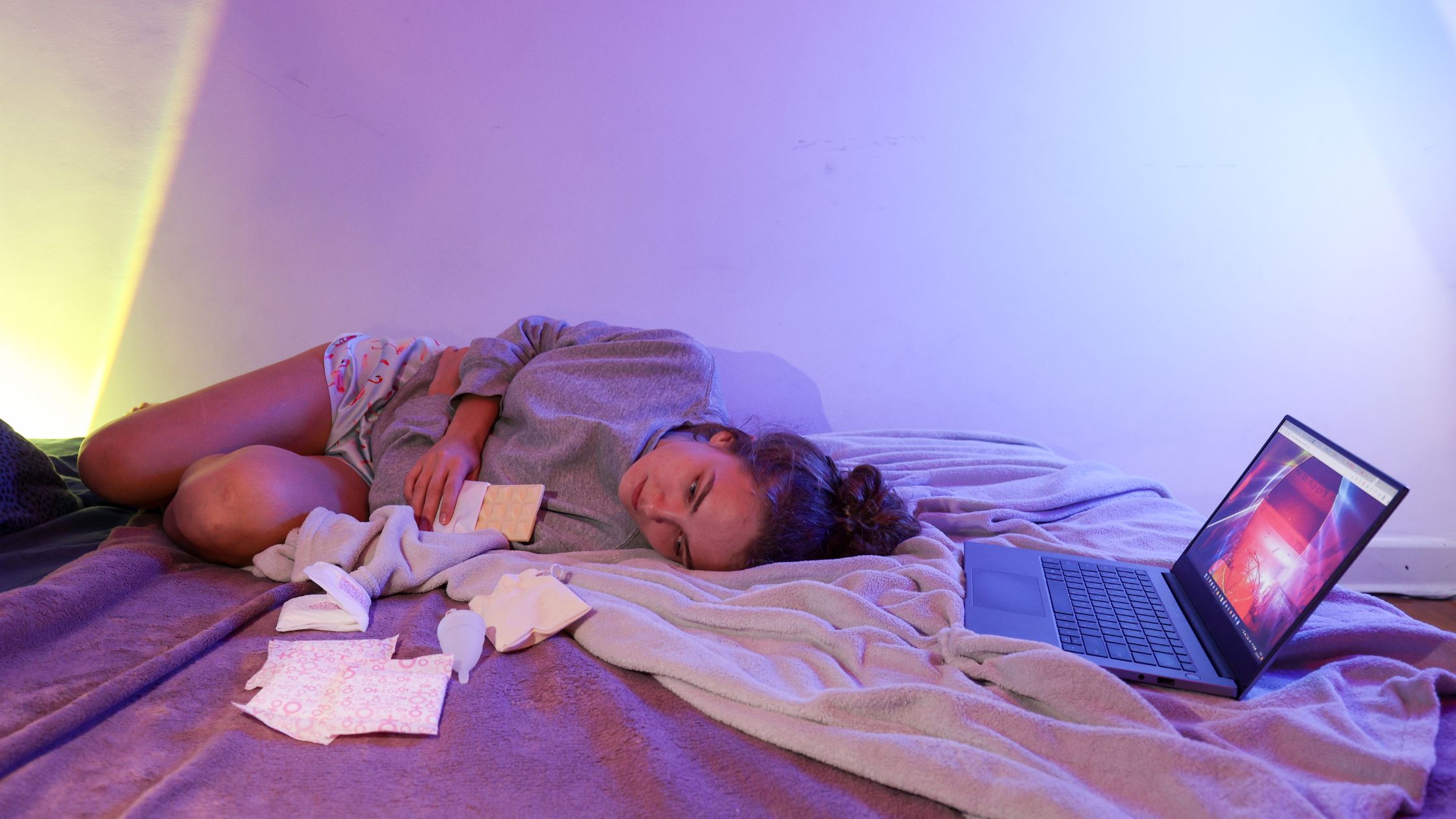
Some mothers experience more intense cramps during their first period after pregnancy, while others notice milder pain than before. Breastfeeding can trigger uterine contractions during menstruation, sometimes increasing discomfort. Gentle exercise, warm compresses, hydration, and rest can help ease pain naturally.
If pain is severe or accompanied by fever, foul-smelling discharge, or extreme bleeding, medical advice should be sought immediately.
Emotional Changes and Mood Swings
Hormonal fluctuations during the first postpartum period can affect mood. Some women feel more emotional, irritable, or anxious. This is especially true if combined with postpartum fatigue and stress. These emotional changes are normal, but persistent sadness or anxiety should not be ignored, as they may signal postpartum depression.
Also Read: Understanding a Mother’s Emotions After Childbirth.
Breastfeeding and Menstrual Changes
When periods return during breastfeeding, they may be irregular or lighter. Some mothers notice a temporary drop in milk supply around their period due to hormonal shifts. This is usually short-lived and does not mean breastfeeding needs to stop. Staying hydrated and maintaining proper nutrition can help manage these changes.
Fertility and Contraception After Pregnancy
A common misconception is that periods must return before fertility resumes. In reality, ovulation can happen before the first period, making pregnancy possible even without menstruation. If you wish to avoid another pregnancy soon, discussing contraception options with your healthcare provider is essential. Many breastfeeding-safe methods are available.
When Should You See a Doctor?
While most changes are normal, seek medical advice if you experience:
- Extremely heavy bleeding, soaking pads every hour
- Periods lasting longer than 10 days
- Severe pain that does not improve
- Irregular bleeding after many months
- Signs of infection, such as fever or foul discharge
These symptoms may indicate a hormonal imbalance, retained tissue, or infection that requires treatment.
Self-Care Tips During First Periods After Pregnancy
Caring for yourself during this time is vital:
- Rest whenever possible
- Eat iron-rich foods to prevent fatigue
- Stay hydrated
- Use comfortable sanitary products
- Practice gentle movement like walking or stretching
Listening to your body and giving it time to heal can make a significant difference.
A Gentle Reminder for New Mothers
Every woman’s postpartum journey is unique. Comparing your experience to others can create unnecessary worry. Whether your first period comes early, late, heavy, light, painful, or mild, most variations are normal. Your body has gone through an extraordinary transformation, and it deserves patience and kindness.
Conclusion
The return of your periods after pregnancy is more than just a physical event; it is a subtle sign that your body is regaining its balance after months of change, growth, and nurturing a new life. Whether your cycle returns sooner than expected or takes its time, there is no single “right” timeline.
Each experience reflects your hormones, lifestyle, breastfeeding patterns, and overall recovery. It is normal to feel unsure, uncomfortable, or even emotional during these early cycles, especially when your body feels different from before. What matters most is listening to your body’s signals and responding with care rather than worry.
Taking small steps, such as resting well, nourishing yourself, and seeking medical guidance when something feels off, can make this transition smoother. Remember, your body has already done something extraordinary, and healing happens in phases, not overnight. Embrace this stage with patience and self-compassion.
With time, consistency, and proper support, your menstrual cycle will gradually settle into a pattern that feels familiar again, reminding you that recovery after pregnancy is a journey of strength, resilience, and renewal.
Also Read: First Period After Pregnancy: What to Expect