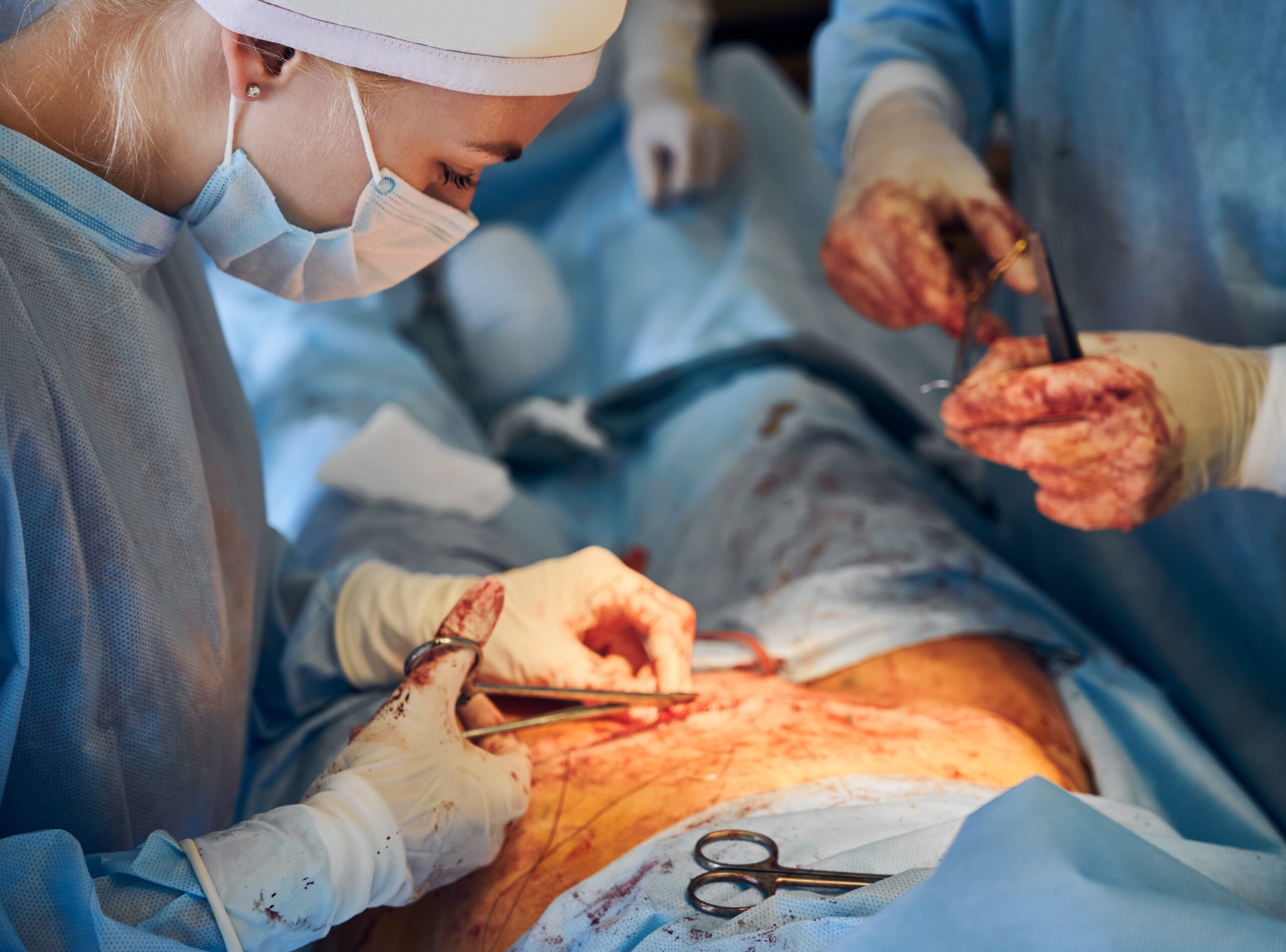
Essential tips for physical recovery, emotional well-being, and newborn care after Cesarean Delivery.
Cesarean delivery, commonly known as a C-section, is a major surgical procedure that brings a beautiful new life into the world. While it can be planned or performed as an emergency to protect the mother or baby, recovery after a cesarean delivery requires special attention, patience, and proper care.
Unlike vaginal birth, a C-section involves abdominal surgery, which means the body needs more time and support to heal. Understanding how to take care after cesarean delivery can make recovery smoother, reduce complications, and help new mothers regain strength while bonding with their newborn.
Table of Contents
Understanding the Recovery Process
After a cesarean delivery, the body begins healing from both childbirth and surgery. The uterus needs time to shrink back to its normal size, the incision must heal properly, and hormonal changes can affect emotions and energy levels.
Recovery usually takes about 6 to 8 weeks, though complete healing may take longer for some women. Every woman’s experience is unique, so it is important to listen to your body and follow medical advice closely.
Incision and Wound Care
Proper incision care is one of the most important Care After Cesarean Delivery for recovery. The surgical cut is usually made horizontally across the lower abdomen and must be kept clean and dry to prevent infection. Gently clean the area with mild soap and water during bathing, and pat it dry without rubbing. Avoid applying powders, creams, or oils unless prescribed by your doctor.
Watch for warning signs such as redness, swelling, warmth, foul-smelling discharge, increasing pain, or fever. These may indicate an infection and require immediate medical attention. Wearing loose, breathable clothing can reduce friction and discomfort around the incision site.
Managing Pain and Discomfort
Pain and soreness are common after a cesarean delivery, especially during the first few days. Doctors usually prescribe pain-relief medications that are safe for breastfeeding mothers. Take these medicines as directed and do not wait until the pain becomes severe.
Simple techniques such as supporting your abdomen with a pillow while coughing, laughing, or breastfeeding can reduce strain on the incision. Gentle movements, slow walking, and proper posture can also help minimize discomfort and promote circulation.
Rest and Sleep: A Healing Necessity
Adequate rest is essential for recovery, but it can be challenging with a newborn. Try to sleep whenever your baby sleeps and accept help from family or friends. Avoid lifting heavy objects, climbing stairs frequently, or doing household chores during the early weeks.
Your body heals best when it is well-rested. Ignoring fatigue can delay recovery and increase the risk of complications. Remember, resting is not laziness—it is an important part of healing.
Nutrition and Hydration for Faster Recovery
A balanced and nutritious diet plays a vital role in post-cesarean recovery. Focus on foods rich in protein, iron, calcium, vitamins, and fiber. Protein helps repair tissues, iron replenishes blood loss, and fiber prevents constipation—a common issue after surgery.
Include foods such as eggs, lean meats, lentils, green leafy vegetables, fruits, whole grains, and dairy products. Drink plenty of fluids, especially water, to stay hydrated and support breastfeeding. Avoid junk food and excessive caffeine, as they can slow healing and affect energy levels.
Gentle Physical Activity and Exercise
While complete rest is important initially, gentle movement is equally necessary to prevent blood clots and improve circulation. Short, slow walks within the house can begin as early as recommended by your doctor. Walking helps reduce stiffness, improve digestion, and boost mood.
Avoid strenuous exercise, abdominal workouts, or lifting heavy weights until your doctor gives clearance—usually after six weeks. Once approved, postnatal exercises and pelvic floor strengthening can help restore muscle tone and overall fitness.
Breastfeeding After Cesarean Delivery
Breastfeeding after a C-section may feel challenging at first due to pain and limited movement. However, with the right positions and support, it can become comfortable and enjoyable. Positions such as the side-lying position or the football hold reduce pressure on the abdomen and incision.
Breastfeeding helps the uterus contract, reducing bleeding and promoting faster recovery. If you experience difficulties, consult a lactation expert for guidance and reassurance.
Emotional Well-being and Mental Health
Emotional changes are common after childbirth, and cesarean delivery can sometimes add feelings of disappointment, guilt, or anxiety. Hormonal fluctuations, sleep deprivation, and physical discomfort can contribute to mood swings or baby blues.
It is important to talk openly about your feelings with your partner, family members, or friends. If sadness, anxiety, or emotional distress lasts more than two weeks or interferes with daily life, seek professional help. Postpartum depression is a medical condition, and early support can make a significant difference.
Vaginal bleeding, known as lochia, occurs even after a cesarean delivery. It gradually changes from bright red to pink or brown and then to a yellowish-white color over several weeks. Use sanitary pads instead of tampons to reduce infection risk.
Other body changes may include swelling, constipation, gas pain, and hair fall. These are usually temporary and improve with time, proper care, and nutrition.
Follow-Up Appointments and When to Seek Help
Attending postpartum check-ups is essential to ensure proper healing and address any concerns. Your doctor will examine the incision, uterus, and overall health during follow-up visits.
Seek immediate medical attention if you experience severe abdominal pain, heavy bleeding, high fever, chest pain, difficulty breathing, or signs of infection at the incision site. Early treatment can prevent serious complications.
Conclusion: Healing Strong.
Care after cesarean delivery is not just about physical healing—it is about nurturing your body, mind, and emotions as you begin a new chapter of motherhood.
A C-section is a major surgery, and giving yourself time, rest, and compassion is essential for a smooth recovery. By caring for your incision, eating nourishing foods, staying gently active, and prioritizing emotional well-being, you empower your body to heal naturally and confidently.
Remember, progress may feel slow some days, but every small step forward matters. Accept help without guilt, listen to your body’s signals, and never hesitate to seek medical advice when something feels off. Most importantly, be kind to yourself. Your strength brought life into the world, and now it deserves care and patience. Healing after a cesarean is a journey—walk it with confidence, self-love, and hope for healthier days ahead.