Care After Normal Delivery: Healing, nurturing, and rediscovering yourself after childbirth.
The journey of motherhood does not end with a normal delivery; in many ways, it truly begins there. The postpartum period, also known as the fourth trimester, is a crucial phase when a woman’s body, mind, and emotions undergo significant changes as they recover from childbirth and adjust to caring for a newborn.
Proper postpartum care after a normal delivery is essential not only for physical healing but also for emotional well-being and long-term health. Understanding what your body needs during this time can make recovery smoother and help you embrace motherhood with confidence.
Table of Contents
Understanding the Postpartum Period
The postpartum period typically lasts for six weeks after delivery, though some changes may continue for several months. During this time, the uterus returns to its pre-pregnancy size, hormone levels fluctuate, and the body heals from the strain of labor. Even after a normal delivery, mothers may experience soreness, fatigue, bleeding, and emotional ups and downs. Postpartum care focuses on supporting this recovery while ensuring the mother feels supported, nourished, and emotionally balanced.
Physical Recovery After Normal Delivery
Physical healing is one of the primary aspects of postpartum care. Vaginal soreness, perineal discomfort, or stitches (if present) are common after a normal delivery. Keeping the perineal area clean and dry is essential to prevent infection. Warm water rinses, sitz baths, and prescribed pain relief can help ease discomfort. Postpartum bleeding, known as lochia, is normal and gradually changes from bright red to lighter shades over a few weeks. Adequate rest and avoiding strenuous activities allow the body to heal naturally.
Importance of Rest and Sleep
Rest is often underestimated in postpartum care, yet it is vital for recovery. New mothers may find it difficult to get uninterrupted sleep due to frequent newborn feedings. However, resting whenever the baby sleeps can help replenish energy. Accepting help from family members with household chores and childcare allows the mother to focus on healing. Adequate rest supports hormone balance, improves mood, and speeds up physical recovery after normal delivery.
Nutrition for Postpartum Healing
A balanced and nutritious diet plays a key role in postpartum care. After normal delivery, the body requires extra nutrients to repair tissues, replenish blood loss, and support breastfeeding. Meals rich in protein, iron, calcium, fiber, and healthy fats promote faster healing and sustained energy levels. Drinking plenty of fluids helps prevent dehydration and supports milk production. Traditional postpartum diets in many cultures emphasize warm, nourishing foods that aid digestion and restore strength.
Breastfeeding and Breast Care
Breastfeeding is both a bonding experience and a nutritional cornerstone for the baby. However, it can come with challenges such as nipple soreness, engorgement, or latching difficulties. Proper breastfeeding techniques, comfortable positions, and regular feeding help prevent complications. Gentle breast massage, warm compresses, and supportive bras can ease discomfort. Seeking guidance from healthcare providers or lactation consultants can make breastfeeding more comfortable and rewarding for new mothers.
Emotional Well-Being and Mental Health
Postpartum care is incomplete without addressing emotional health. Hormonal changes, sleep deprivation, and the responsibilities of caring for a newborn can lead to mood swings, anxiety, or feelings of overwhelm. Baby blues are common in the first few days, but persistent sadness or lack of interest may indicate postpartum depression, which requires professional support. Open communication with family members, sharing feelings, and seeking help when needed are crucial for emotional recovery.
After a normal delivery, gentle movement helps improve circulation, prevent stiffness, and gradually restore muscle strength. Simple activities such as walking and pelvic floor exercises can be started once approved by a healthcare provider. These exercises support uterine contraction, improve bladder control, and strengthen core muscles. Avoiding intense workouts in the early weeks prevents strain and allows the body to heal at its own pace.
Personal Hygiene and Self-Care
Maintaining personal hygiene is an important part of postpartum care. Daily baths, clean clothing, and proper wound care reduce the risk of infection and enhance comfort. Self-care also includes small but meaningful practices like relaxing showers, light stretching, or quiet moments of reflection. Caring for oneself is not selfish; it is essential for maintaining the energy and emotional resilience needed to care for a newborn.
Postpartum Checkups and Medical Care
Regular postpartum checkups ensure that recovery is progressing well. These visits allow healthcare providers to monitor healing, manage any complications, and address concerns related to physical or emotional health. Mothers should not ignore symptoms such as excessive bleeding, fever, severe pain, or emotional distress. Early medical attention ensures timely treatment and peace of mind during the recovery journey.
Bonding with the Baby
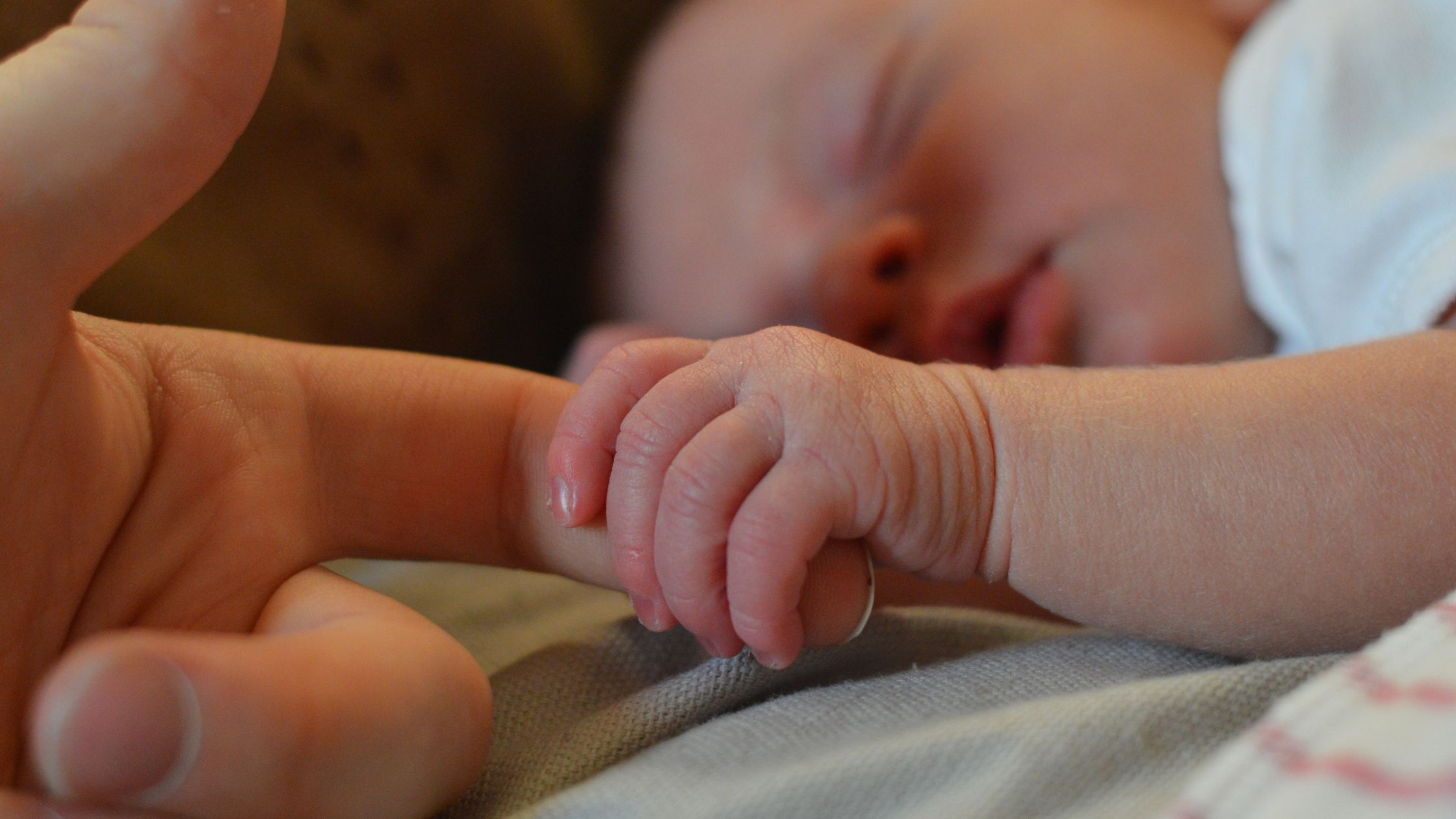
The postpartum period is also a time for bonding and building a strong emotional connection with the baby. Skin-to-skin contact, gentle touch, and responsive caregiving strengthen this bond and promote the baby’s sense of security. Spending quiet moments with the newborn helps mothers feel more confident and emotionally fulfilled, contributing positively to mental well-being.
Support System and Family Involvement
A strong support system plays a vital role in postpartum care after normal delivery. Emotional encouragement, practical help, and understanding from partners and family members ease the transition into motherhood. Sharing responsibilities, offering reassurance, and creating a calm environment allow the new mother to focus on healing and nurturing her baby without unnecessary stress.
Final Thought
Postpartum care after normal delivery is a holistic process that nurtures the body, mind, and soul. Every mother’s recovery is unique, and comparing one’s journey with others can lead to unnecessary pressure. Listening to your body, prioritizing rest, nourishing yourself, and seeking support create a strong foundation for long-term health and confident motherhood.
The postpartum period is not just about recovery; it is about renewal. With proper care, patience, and support, new mothers can heal gracefully and step into this new chapter with strength, confidence, and joy.AlsoRead: Labor and delivery, postpartum care