A baby’s first year of life is filled with rapid growth, exciting changes, and countless memorable moments. Each month brings new skills as babies learn to move, communicate, interact, and understand the world around them. While every child develops at their own unique pace, there are common developmental milestones that most babies reach during their first 12 months. Understanding these milestones helps parents support healthy development and identify when extra guidance may be needed. Here is a detailed look at the major milestones in a baby’s first year.
1. The First Month: Adjusting to the New World
In the first month,Steps Of Kids’ Development babies spend most of their time sleeping, feeding, and adjusting to life outside the womb. They begin to recognize their parents’ voices and may briefly focus on faces or bright objects placed close to them. Reflexes like grasping, sucking, and startle reflex (Moro reflex) are strong at this stage. Crying is their main form of communication, signaling hunger, discomfort, or tiredness. Although they cannot control their movements, they may lift their head slightly during tummy time, showing early neck strength.
2. Two Months: Becoming More Alert
By the second month, babies become more awake and responsive. One of the sweetest early milestones—the social smile—usually appears as they start responding to familiar faces. They follow moving objects with their eyes, turn toward sounds, and enjoy being talked to. Babies begin to hold their head up for a few seconds during tummy time and show improved muscle tone. Their cries become more expressive, making it easier for parents to understand whether they are hungry, sleepy, or simply need attention.
3. Three Months: Stronger Movements and Early Interaction
At three months, babies gain better head control and can lift their head and chest while lying on their tummy. Their hand movements become more intentional—they open and close their fists, bring their hands to their mouth, and may try to bat at toys. They also enjoy cooing, making vowel sounds like “ah” or “oh.” Emotionally, they begin to recognize caregivers more clearly and show excitement with smiles and wiggles.
4. Four Months: Active Engagement
Around four months, babies become more playful and active. They can hold their head steady without support and may roll from tummy to back. They start grabbing toys and exploring them with their hands and mouth. Their laughter becomes noticeable as they enjoy games like peek-a-boo. They also begin to mimic sounds and respond to changes in tone, showing early signs of communication. Vision improves significantly—they can track objects smoothly across the room.
5. Five Months: More Awareness and Mobility
By the fifth month, babies often show more confidence in their movements. Many can roll both ways or get close to doing so. They may sit with support and reach for objects with accuracy. Babies become more aware of their surroundings and show curiosity about new sounds, textures, and faces. Teething may begin, leading to drooling and the urge to chew on objects. Vocalizations increase, and babies enjoy making playful squeals and giggles.
6. Six Months: Sitting and Starting Solids
Six months is a big developmental stage. Many babies can sit without support for short periods and roll easily in both directions. This is often when solid foods are introduced, which helps develop chewing and swallowing skills. Babies use both hands to pass toys from one hand to the other. They also begin to recognize their names and respond by turning their head. Babbling becomes richer with consonant sounds like “ma,” “ba,” and “da,” laying the foundation for early speech.
7. Seven Months: Exploring with Hands and Body
At seven months, babies love exploring. They may start attempting to crawl, scoot, or shuffle, showing increased mobility. Their fine motor skills improve as they learn to pick up small objects using a raking motion. They also develop stronger emotional attachment to caregivers and may show signs of separation anxiety. Babies enjoy interactive games and begin to understand simple words like “no” or “bye-bye” through tone and repetition.
8. Eight Months: More Communication and Movement
By eight months, babies may crawl confidently or find other ways to move around. They can pull themselves into a sitting position and may start to pull up to stand with support. Their ability to pick up smaller objects improves using their fingers and thumb. They babble more clearly and imitate sounds or gestures, such as clapping hands. Babies begin showing preferences for certain toys and respond strongly to familiar people.
9. Nine Months: Beginning of Independence
Nine-month-old babies are often eager explorers. Many can crawl, pull themselves up to stand, and may even cruise along furniture. They understand object permanence—knowing something still exists even if they can’t see it. This makes games like hide-and-seek more exciting. Their grasp becomes more exact, allowing them to pick up finger foods. Communication improves as they respond to simple instructions and use a variety of sounds to express themselves.
10. Ten Months: Increased Confidence
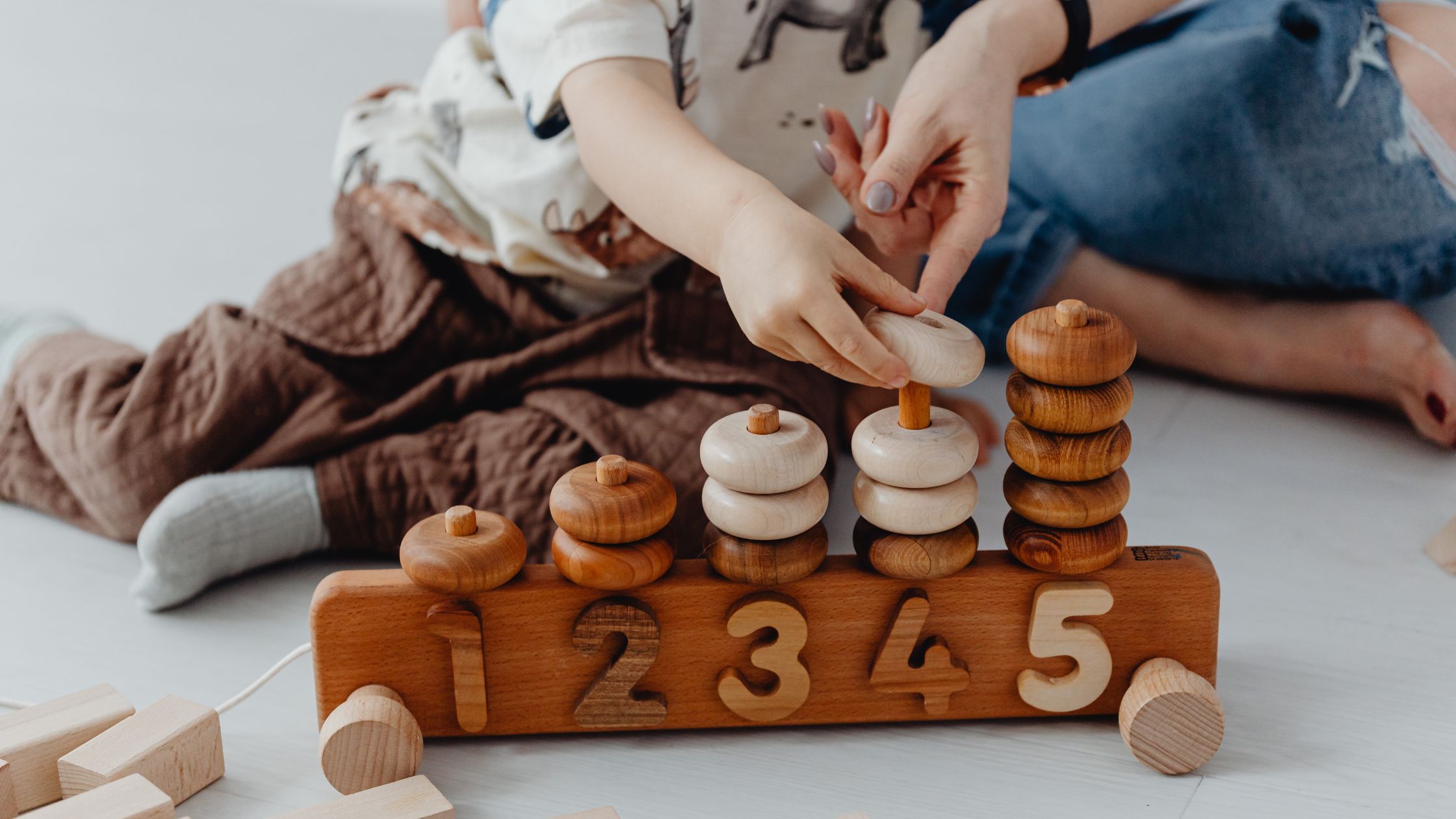
At ten months, babies show more confidence in moving and interacting. Many can stand while holding onto something and may take small steps with support. They intentionally say simple sounds to communicate, such as “mama” or “dada,” even if not always directed at parents. Babies enjoy stacking toys, banging objects, and exploring cause-and-effect play. Their understanding of routines becomes stronger—they may anticipate meal times, playtime, or bedtime.
11. Eleven Months: Emerging Personality
By eleven months, a baby’s personality becomes more visible. They may imitate everyday activities, like brushing hair or talking on a toy phone. Mobility improves rapidly—some take first steps while others prefer crawling a bit longer. They show more independence, feeding themselves small pieces of food and choosing what they want to explore. Their communication skills also advance as they try to mimic words and respond to simple requests.
12. Twelve Months: First Steps and First Words
Reaching one year is a major milestone. Many babies take their first independent steps around this age, though some walk earlier or later. They may say one or two meaningful words like “mama,” “dada,” or “ball.” They understand simple instructions, point to things they want, and enjoy interactive play. Fine motor skills develop as they stack blocks, turn pages in board books, or attempt to scribble with a crayon. Emotionally, babies show affection, express preferences, and may seek comfort from caregivers when upset.
The first year of a child’s life is a time of joyful discovery and rapid growth. While each baby reaches milestones at their own pace, being aware of typical developmental stages helps parents provide support and celebrate progress. Instead of worrying about minor delays, focus on creating a loving, stimulating environment filled with play, interaction, and opportunities to explore. With patience and encouragement, every child grows in their own beautiful way.
Children learn best when they are engaged, curious, and having fun. That’s why Educational Games for Kids become one of the most effective tools for supporting early development. Whether played at home or school, these games blend fun with learning, helping children absorb new concepts without feeling pressured. From improving problem-solving skills to boosting creativity, educational games open the door to joyful learning experiences.
In today’s fast-paced world, where technology is rapidly changing the way kids interact with information, parents often wonder how to make learning enjoyable. Educational Games for Kids offer the perfect balance—they entertain children while guiding them to build essential academic and life skills. Let’s explore how these games support development, the types available, and how you can incorporate them into your child’s routine.
Table of Contents
Why Educational Games Matter
Educational Games for Kids are more than just playful activities. They help strengthen several key skills children need as they grow. Here are some major benefits:
1. Improve Cognitive Skills
Games involving puzzles, memory cards, number matching, or strategy help sharpen thinking abilities. Kids learn to make decisions, notice patterns, and stay mentally active. These Educational Games for Kids stimulate the brain and encourage logical reasoning.
2. Strengthen Academic Knowledge
Many games are designed around school subjects like math, reading, science, and language. When children practice through play, they learn faster and retain information longer. Educational Games for Kids make challenging lessons easier because they break concepts into small, manageable tasks.
3. Boost Creativity and Imagination
Building games, drawing apps, and storytelling activities encourage kids to think creatively. They learn to experiment, design, and express ideas freely. Creative thinking plays a big role in solving real-life problems and helps children become more confident.
Many educational games allow kids to compete with themselves or others. A bit of competition teaches children important values like patience, resilience, and sportsmanship. They learn that winning is fun, but trying again after a mistake is equally important.
5. Support Social and Emotional Development
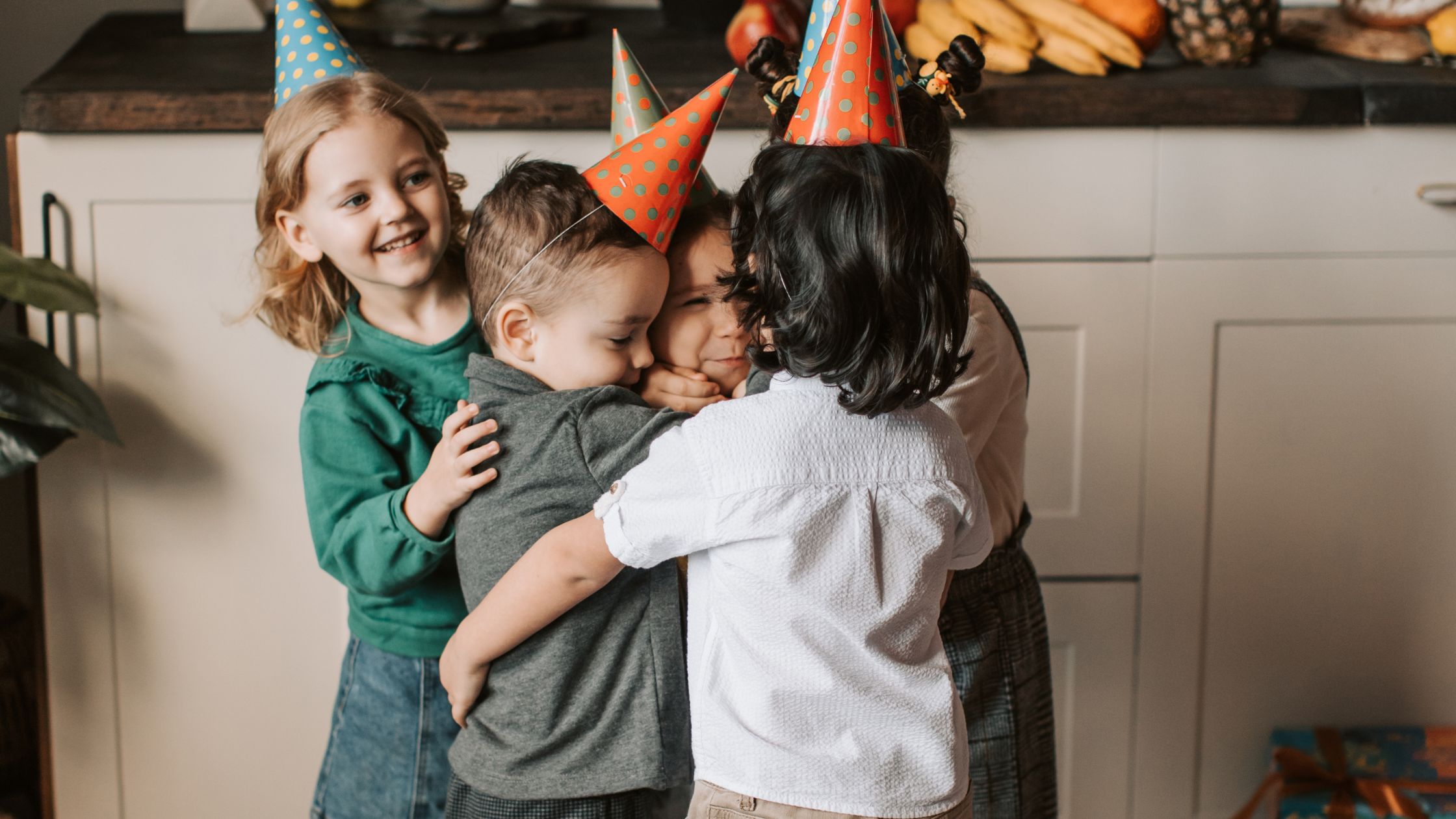
Educational Games for Kids played in groups or pairs require teamwork, communication, and cooperation. Kids learn to share, take turns, and understand others’ perspectives. These social skills help them build stronger relationships in daily life.
Types of Educational Games for Kids
There are many kinds of Educational Games for Kids available today—digital, physical, indoor, outdoor, individual, and group-based. Here are some popular categories:
1. Learning Apps and Online Games
Technology has made Educational Games for Kids more interactive. Learning apps teach math, reading, science, puzzles, and general knowledge. Many offer colorful animations, music, rewards, and quizzes that encourage children to keep learning. Examples include coding games, phonics apps, and math puzzles.
2. Board Games
Classic board games are excellent for teaching strategy and patience. Games like Scrabble improve vocabulary, while number-based games build basic math skills. Board games also encourage family bonding and playtime away from screens.
3. Puzzle Games
Jigsaw puzzles, tangrams, and brainteasers help develop spatial awareness, concentration, and logical reasoning. Kids learn how different pieces fit together, improving hand-eye coordination and problem-solving skills.
4. Outdoor Educational Games
Outdoor games make learning fresh and active. Activities like nature scavenger hunts teach kids about plants, colors, seasons, and animals. Simple math games with chalk or spelling games with stones bring academics outdoors.
5. Science and Experiment Kits
Kids love hands-on learning. Science activity kits allow them to explore concepts like magnetism, electricity, plants, or simple chemical reactions. These games teach children curiosity and how things work in the world around them.
6. Building and Construction Games
Blocks, Lego, and construction sets encourage creativity, engineering thinking, and fine motor skills. Kids learn to plan, design, and build structures while understanding balance and shape.
7. Art and Craft Games
Drawing challenges, coloring games, and craft-making boost creativity. They help kids develop focus, imagination, and self-expression. Craft sets also improve hand skills and coordination.
How Educational Games Support Different Age Groups
Educational games can be tailored to fit every age, making them a flexible learning tool.
Preschoolers (3–5 years)
At this age, children benefit from simple games that support basic skills. Matching games, alphabet puzzles, shape sorters, and counting toys help strengthen foundational abilities. Games with bright colors and simple rules are ideal.
Early School Age (6–8 years)
Kids in this age group can handle more structured games. Word-building board games, math challenges, science kits, and digital learning apps help them expand academic knowledge. Strategy games also help build thinking abilities.
Preteens (9–12 years)
Older kids enjoy more complex games that involve planning, creativity, and teamwork. Coding games, advanced puzzles, quiz apps, and educational video games foster higher-level thinking. These games build problem-solving, reasoning, and analytical skills.
Tips to Choose the Right Educational Games
Selecting the right game can make a big difference in keeping your child engaged. Here are a few tips:
1. Match the Game to Your Child’s Interests
Children learn faster when they enjoy the activity. If your child loves animals, choose animal-themed learning games. If they like building, try construction sets.
2. Look for Age-Appropriate Content
Games should match your child’s developmental stage. Too easy will cause boredom; too difficult may create frustration. Choose games that offer a gentle challenge.
3. Balance Screen and Non-Screen Games
While digital games are useful, it’s important to combine them with physical games like puzzles, board games, and outdoor activities to ensure balanced development.
4. Encourage Group Play
Many educational games become more fun when played with others. Invite siblings or friends to join—this improves social skills and teamwork.
5. Prioritize Learning Through Fun
Educational games should never feel like homework. Choose games that make learning enjoyable, surprising, and interactive.
Final Thoughts
Educational games play a powerful role in a child’s development. They make learning exciting, help kids discover their strengths, and encourage them to explore the world with curiosity. When children learn through play, they are more motivated, confident, and eager to understand new things. Whether it’s a simple board game at home, a fun app on a tablet, or an outdoor activity in nature—each game contributes to building essential skills for life. By choosing the right educational games, parents can support children’s learning while giving them joyful moments that they will remember for years.
Every child deserves opportunities to explore, learn, and enjoy activities that bring them happiness and growth. For autistic kids, the right activities can help them build essential skills—communication, sensory regulation, social interaction, and emotional expression—while also celebrating their strengths and interests.
Autistic children often experience the world differently, and supportive activities can create a safe space where they feel understood, confident, and capable. This article explores a variety of meaningful and enjoyable activities for autistic kids, along with their benefits and tips for parents and caregivers.
1. Sensory Play Activities
Many autistic kids experience heightened or reduced responses to sensory inputs. Sensory activities help them process sensations at their own pace while calming their minds and improving focus.
a. Sensory Bins
A sensory bin filled with rice, beans, sand, or water beads can offer hours of meaningful exploration. Kids can scoop, pour, or search for small toys buried inside. This activity promotes fine motor skills and helps regulate sensory input.
b. Water Play
Water is soothing for many autistic kids. Letting them pour water between cups, squeeze sponges, or play with floating toys builds hand strength and coordination. Adding bubbles or food coloring makes it even more exciting.
c. Playdough or Slime
Soft, moldable materials give children a chance to express creativity while relieving stress. You can add scents or textures to match their preferences—smooth, gritty, stretchy, or firm.
2. Outdoor Activities
Fresh air and physical movement support overall development and help release pent-up energy. Outdoor play also exposes children to natural sensory experiences that can be calming and grounding.
a. Nature Walks
A simple walk in a park or garden can be a great way to explore different sounds, sights, and textures. Kids may enjoy collecting leaves, stones, or flowers, observing insects, or feeling the bark of trees.
b. Trampoline Time
Jumping on a trampoline is excellent for balance, coordination, and sensory regulation. Many autistic children find rhythmic bouncing calming and enjoyable.
c. Playground Exploration
Slides, swings, and climbing structures help strengthen gross motor skills. Swings, in particular, can be very soothing for children who enjoy repetitive movement.
3. Creative Arts Activities
Art allows autistic children to express feelings and thoughts they may find difficult to communicate verbally. It also boosts imagination, improves fine motor skills, and builds confidence.
a. Painting
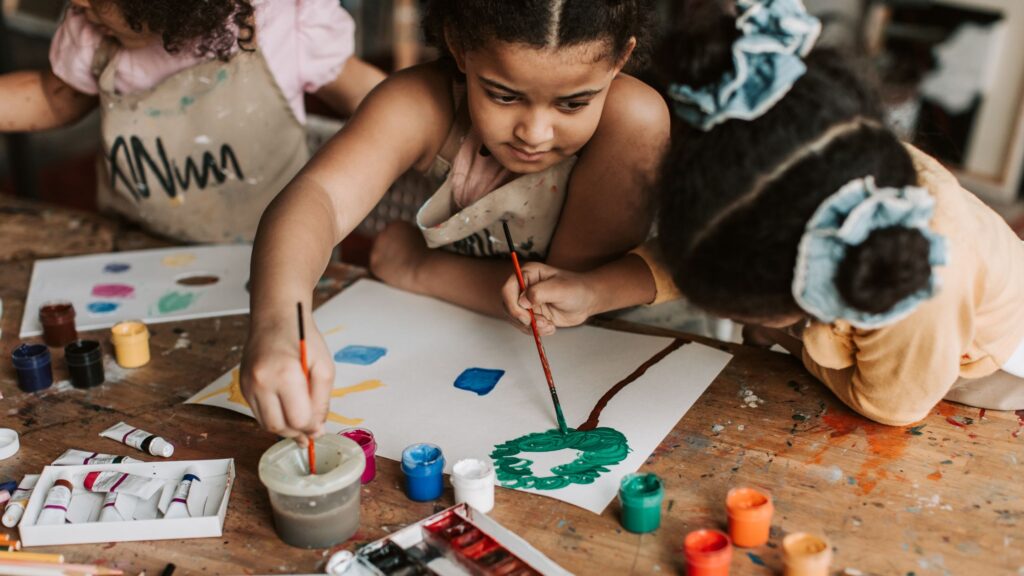
Finger painting, brush painting, or even sponge painting gives children various sensory choices. If they dislike mess, try mess-free painting methods like painting in a sealed plastic bag.
b. Drawing and Coloring
These activities help improve focus and allow kids to express ideas visually. Mandala patterns or simple outlines can be relaxing for children who enjoy structure.
c. Craft Projects
Simple crafts—like making collages, paper animals, or bead bracelets—encourage creativity while developing hand-eye coordination.
4. Music and Movement Activities
Music has a powerful impact on mood, attention, and expression. Many autistic children respond positively to rhythm and repetitive beats.
a. Singing and Rhymes
Simple songs, nursery rhymes, or action songs enhance language skills. They also connect sound with movement, which helps strengthen memory.
b. Dancing
Dancing freely or following a simple routine encourages body awareness, coordination, and joy. You can use scarves, ribbons, or musical instruments to make it more engaging.
c. Playing Musical Instruments
Drums, xylophones, keyboards, and shakers offer excellent sensory feedback. Children can experiment with sound and rhythm at their own pace.
5. Structured Educational Activities
Learning does not always need to happen through traditional methods. Structured activities that match a child’s learning style make lessons enjoyable and effective.
a. Puzzle Games
Puzzles help strengthen problem-solving skills, concentration, and spatial awareness. Start with simple puzzles and gradually increase difficulty based on the child’s comfort.
b. Sorting and Matching Games
Kids can sort objects by color, shape, size, or category. This supports cognitive development, visual recognition, and organization skills.
c. Board Games
Simple board games like matching cards, memory games, or turn-taking games improve social interaction and patience. Choose games with clear rules and visual cues.
6. Social and Communication Activities
Autistic kids may face challenges in social situations. Activities that focus on interaction but remain low-pressure can build essential communication and relationship skills.
a. Role-Play Games
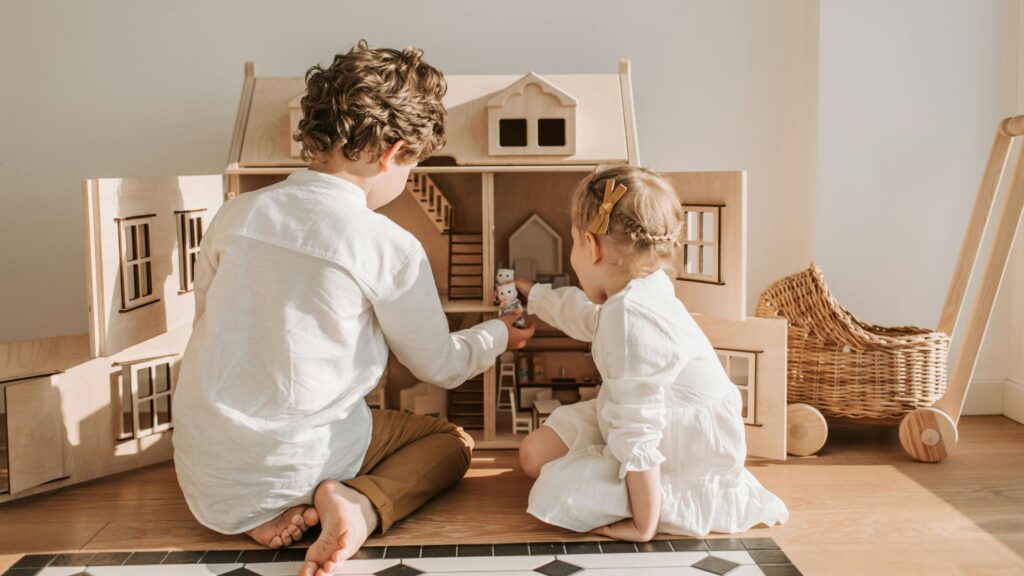
Pretend play—like playing shop, doctor, or restaurant—helps children understand social roles and practice conversations. Keep the scenarios simple and guided.
b. Group Play Sessions
Small, structured playdates allow autistic kids to engage with peers in a controlled environment. Choose activities that all children enjoy, such as building blocks or cooperative games.
c. Storytelling Time
Reading stories together or asking the child to narrate what happens in a picture book supports language development, imagination, and emotional expression.
With technology becoming an everyday part of life, educational apps and digital games can support learning while keeping kids engaged.
a. Interactive Learning Apps
Apps focusing on numbers, letters, emotions, or communication can be beneficial. Choose apps that offer visual and auditory prompts and allow kids to learn at their own pace.
b. Digital Drawing
Tablets allow children to draw with different colors and textures without sensory mess. It helps them express creativity comfortably.
c. Audio Stories
Listening to audio books or bedtime stories builds attention and language understanding.
8. Life Skills Activities
Teaching daily living skills through hands-on activities empowers autistic kids with independence and confidence.
a. Cooking or Baking
Simple tasks like washing vegetables, mixing batter, or decorating cupcakes help develop motor skills and sensory tolerance while also teaching responsibility.
b. Gardening
Planting seeds, watering plants, or observing growth helps children connect with nature. It also teaches patience and routine.
c. Cleaning Routines
Activities like folding laundry, organizing toys, or wiping surfaces can be turned into fun, structured routines.
Final Thoughts
Activities for autistic kids should always be guided by their comfort, preferences, and pace. Every child on the autism spectrum is unique—what works beautifully for one may not be suitable for another. As parents, teachers, or caregivers, the best approach is to observe the child closely and adapt activities to their needs. Celebrate small wins, allow breaks, and offer choices to promote a sense of control.
With patience, understanding, and the right activities, autistic children can thrive emotionally, socially, mentally, and physically. These activities not only help them learn and grow but also create moments of joy, connection, and confidence that last a lifetime.
A child’s growth is one of the most important indicators of their overall health. Every parent looks forward to watching their little one become taller, stronger, and more active each year. But sometimes, parents begin to worry when their child doesn’t gain weight as expected.
Slow Weight Gain in Children—also known as failure to thrive in medical terms—can be confusing and stressful, especially when a child seems otherwise healthy. Understanding what causes slow weight gain, how to identify it early, and ways to support your child’s growth can help ensure they stay on a healthy path.
Table of Contents
What Is Slow Weight Gain?
Slow Weight Gain in Children refers to a child gaining weight at a rate lower than expected for their age and gender. It may show up as:
Falling below the normal weight-for-age chart
Not following their expected growth curve
Losing weight or failing to gain enough over time
It’s important to remember that every child grows at their own pace. A child who is naturally small may still be perfectly healthy.Slow Weight Gain in Children becomes a concern only when it interferes with a child’s overall health, development, or energy levels.
1. Inadequate Calorie Intake
This is the most common reason. Children may not be getting enough calories due to:
Picky eating habits
Small appetite
Not eating frequently enough
Drinking too much milk or juice, reducing hunger for solid foods
Poor feeding practices in infants
Babies may also struggle with breastfeeding, poor latch, or inadequate milk supply.
2. Increased Energy Needs
Some children burn more calories than usual because of:
High activity levels
Chronic infections
Premature birth
Congenital heart disease
Hyperthyroidism
When calorie needs increase but intake does not, then Slow Weight Gain in Children occurs.
3. Difficulty Absorbing Nutrients
Even if a child is eating well, they may not absorb nutrients properly due to:
Celiac disease
Food intolerances
Cystic fibrosis
Digestive tract infections
Inflammatory bowel disease
This can lead to nutrient loss and a reason of Slow Weight Gain in Children
4. Medical Conditions
Certain medical problems can affect appetite, digestion, or metabolism:
Gastroesophageal reflux (GERD)
Food allergies
Hormonal disorders
Genetic disorders
Chronic respiratory illnesses
These issues may require professional evaluation and ongoing management.It also are the reason of Slow Weight Gain in Children.
5. Emotional or Environmental Factors
Children growing in stressful or unstable environments may eat less or have disrupted feeding habits. Problems like neglect, lack of routine, or family stress can influence a child’s growth.
Signs and Symptoms to Watch For
Slow Weight Gain in Children does not always show symptoms immediately. Parents should watch for:
Clothes becoming loose instead of tight
Child appearing thin, weak, or easily tired
Delayed physical or developmental milestones
Poor feeding or low appetite
Irritability or lethargy
Frequent illnesses
Infants may show additional signs such as not waking up for feeds, long feeding times, or crying excessively due to hunger.
How Slow Weight Gain Is Diagnosed A healthcare professional will typically:
Track the child’s growth over time using growth charts
Review medical history and feeding habits
Examine diet patterns and daily routines
Conduct physical exams
Order tests if needed—such as blood tests, stool tests, or allergy screenings
Diagnosis focuses on finding the underlying cause rather than just the symptoms.
Ways to Support Healthy Weight Gain
Once the cause is identified, parents and caregivers can take several steps to help a child gain weight in a healthy way.
Children who struggle to gain weight often need more calories than the average child. Offer small, frequent meals instead of three large ones. Include high-calorie, nutritious foods to prevent from Slow Weight Gain in Children such as:
Nut butter (peanut, almond)
Avocado
Eggs
Cheese and yogurt
Whole milk
Ghee or olive oil added to meals
Smoothies with fruits, nuts, and milk
2. Avoid Filling Calories
Juice, sugary drinks, and excessive milk can reduce appetite for real food. Limit these and focus on solid, nutrient-rich meals.
3. Maintain a Consistent Feeding Schedule
Routine helps children understand when to eat and prepares their bodies to expect food. Offer meals and snacks at regular intervals and avoid distractions during mealtime.
4. Encourage Healthy Eating Habits
Include your child in meal preparation
Provide colorful, fun plates of food
Let them choose between two healthy options
Avoid force-feeding, which can create negative associations with food
5. Introduce High-Calorie Add-ons
Small boosts can make a big difference:
Add cheese to sandwiches or vegetables
Mix powdered milk into soups or porridge
Add nuts or seeds to smoothies
Spread butter or ghee on chapati, bread, or rice
6. Monitor Growth Regularly
Keep track of your child’s weight and height at regular intervals. Celebrate small gains to stay motivated and focused.
7. Focus on Hydration and Sleep
Proper sleep boosts appetite and growth hormone production. Hydration supports digestion and nutrient absorption. Ensure your child drinks adequate water and follows a good sleep routine.
8. Address Medical Conditions Promptly
If a medical issue is causing slow weight gain, follow your doctor’s advice, take prescribed supplements or medications, and attend follow-up appointments.
When to Seek Medical Help
Consult a healthcare provider if:
Your child is losing weight
They have persistent digestive issues
You suspect allergies or intolerances
Their growth curve drops significantly
Appetite changes suddenly
You notice signs of nutritional deficiency
Slow Weight Gain in Children is a concern that many parents face, but it can often be managed with the right information and timely action. Understanding the underlying causes—whether related to diet, medical conditions, or lifestyle—helps you take appropriate steps toward supporting your child’s growth. Offering nutritious meals, creating a positive eating environment, monitoring growth regularly, and seeking medical advice when necessary are all essential in helping children reach their healthiest potential.
Child obesity has become one of the most serious health concerns across the world. With increasing access to processed foods, reduced physical activity, and changing lifestyle patterns, more children today are gaining excess weight at an early age.
Obesity is not just about body size; it is a complex condition that affects a child’s health, emotions, confidence, and overall well-being. Understanding the causes and effects of child obesity is the first step toward building healthier habits and preventing long-term health problems.
Table of Contents
What Is Child Obesity?
Child obesity is a condition where a child has an excessive amount of body fat that may negatively affect their health. Doctors often use Body Mass Index (BMI) charts based on age and gender to determine whether a child falls into the overweight or obese category. While every child’s body is different, obesity indicates that the body weight is higher than what is considered healthy for the child’s age and height.
Causes of Child Obesity
Child obesity does not have a single cause. It is often the result of a combination of lifestyle, environmental, and sometimes genetic factors. Here are the major causes:
1. Unhealthy Eating Habits
One of the most common causes of child obesity is a diet high in calories but low in nutrients. Children today often consume:
Fast food and fried snacks
Sugary drinks like soda and packaged juices
Processed foods with high fat, sugar, and salt
Packaged sweets, chocolates, and bakery items
These foods provide extra calories but do not offer essential vitamins and minerals. Over time, consuming more calories than the body needs leads to weight gain.
Physical activity plays a major role in maintaining a healthy weight. However, many children today lead a sedentary lifestyle. Instead of outdoor play, they spend hours watching TV, using mobile phones, playing video games, or sitting with digital devices. When a child eats more and moves less, their body stores the unused calories as fat, causing weight gain.
3. Family Lifestyle and Habits
Children learn from their environment. If the family follows unhealthy eating patterns—such as eating late at night, relying on junk food, skipping breakfast, or not including fruits and vegetables in meals—the child is likely to adopt the same habits. Similarly, if parents are not physically active, children may not feel encouraged to exercise.
4. Genetic Factors
Genetics also play a role in child obesity. If one or both parents are overweight or obese, the child has a higher chance of gaining excess weight. However, genes alone do not cause obesity; they simply increase susceptibility. When genetic risk is combined with an unhealthy lifestyle, obesity becomes more likely.
5. Psychological Factors
Some children eat more when they feel stressed, bored, sad, or lonely. Emotional eating can cause them to consume unhealthy comfort foods, leading to weight gain. Children who face family issues, academic pressure, or bullying may turn to food for relief.
6. Lack of Sleep
Sleep affects hormones that control hunger. Children who do not get enough sleep often feel hungrier during the day and may crave sugary or high-fat foods. Poor sleep also reduces energy levels, making the child less active.
7. Socioeconomic Factors
Families with limited access to healthy food options may rely on cheap, processed foods. Additionally, lack of safe parks or playgrounds in some communities prevents children from engaging in physical activities.
Effects of Child Obesity
Child obesity has serious effects on physical, emotional, and social health. These effects may appear during childhood and continue into adulthood.
A. Physical Effects
1. Increased Risk of Chronic Diseases
Obese children are more likely to develop health problems such as:
Type 2 diabetes
High blood pressure
High cholesterol
Fatty liver disease
Asthma and breathing difficulties
Joint and bone problems
These conditions were once seen mostly in adults but are now becoming common in children due to obesity.
2. Early Puberty
Excess body fat can interfere with hormone levels, causing early puberty in children, especially girls. Early puberty can lead to physical discomfort and emotional challenges.
3. Sleep Problems
Obese children often suffer from sleep apnea, a condition where breathing stops and starts during sleep. Poor sleep quality affects overall health, concentration, and mood.
B. Emotional and Psychological Effects
1. Low Self-Esteem and Body Image Issues
Children who are overweight may feel embarrassed or insecure about their appearance. This can lower their self-esteem, making them avoid social activities or feel uncomfortable in school.
2. Bullying and Social Isolation
Obese children are more likely to face teasing or bullying from peers. This can lead to feelings of sadness, loneliness, or withdrawal from social interactions.
3. Depression and Anxiety
Continuous criticism, body shaming, and poor self-image may cause mental health issues such as anxiety or depression. Emotional stress may also push children into overeating, creating a harmful cycle.
C. Long-Term Effects into Adulthood
If obesity continues into adulthood, the risks become even more serious. Obese adults are more likely to develop:
Heart disease
Stroke
Kidney problems
Certain cancers
Reduced life expectancy
Adult obesity also increases the chances of infertility, mobility issues, and chronic joint pain.
How Can We Prevent Child Obesity?
Preventing obesity is easier than treating it. Families, schools, and communities play an important role in helping children stay healthy. Here are some effective strategies:
1. Encourage Healthy Eating
Provide home-cooked meals.
Include fruits, vegetables, whole grains, and lean proteins.
Reduce sugary drinks and replace them with water.
Limit junk food and packaged snacks.
2. Promote Daily Physical Activity
Encourage at least 60 minutes of activity every day.
Outdoor play, cycling, swimming, and sports help burn calories.
Reduce screen time to 1–2 hours per day.
3. Build Healthy Family Routines
Eat meals together as a family.
Set regular bedtimes and ensure sufficient sleep.
Make physical activity a family habit.
4. Support Children Emotionally
Listen to their feelings.
Avoid body shaming.
Praise effort, not appearance.
Conclusion
Child obesity is not just a physical issue—it is a serious health challenge that affects a child’s future well-being. Understanding the causes helps parents and caregivers create a supportive environment where children can develop healthy habits. By promoting balanced eating, regular exercise, emotional support, and proper sleep, families can protect children from the long-term effects of obesity. Preventing child obesity is ultimately a shared responsibility, and small daily steps can make a big difference in helping children live healthier, happier lives.
Every parent wants their child to grow up healthy, active, and happy. But in today’s busy world, many children gradually pick up habits that are not good for their physical, mental, or emotional well-being. These Unhealthy Habits of Kids may seem small at first, but over time they can affect growth, learning, behavior, and overall health.
The good news is that most Unhealthy Habits of Kids can be changed with awareness, patience, and the right guidance. This article explores the most common unhealthy habits among kids, why they develop, and how parents and caregivers can help children adopt healthier routines.
Table of Contents
1. Poor Eating Habits
One of the most common Unhealthy Habits of Kids is poor eating behavior. Many kids prefer junk foods like chips, sugary drinks, chocolates, fast foods, and fried snacks. These foods taste good but are low in nutrients and high in sugar, unhealthy fats, and salt. When kids regularly eat junk food, they may face issues like obesity, weak immunity, poor concentration, and low energy levels.
Busy family schedules with limited home-cooked meals
Influences from TV advertisements and peers
Using food as a reward
How to help: Encourage balanced meals with fruits, vegetables, whole grains, and proteins. Offer healthy snacks like nuts, yogurt, and fresh fruits. Avoid keeping too many sugary snacks at home and involve kids in grocery shopping and cooking.
2. Lack of Physical Activity
With screens becoming a big part of children’s lives, physical activity has reduced drastically. Many kids spend most of their time indoors, sitting and watching TV, playing video games, or browsing on phones. Lack of Physical Activity is one of the most Unhealthy Habits of Kids.
Possible effects:
Weight gain
Poor muscle strength
Low stamina
Delay in motor skills
Trouble sleeping or focusing
Why it happens:
Limited play areas
Academic pressure
Lack of sports activities
Screen addiction
How to help: Encourage at least 1 hour of active play every day. This can include cycling, running, dancing, swimming, or outdoor games. Parents should also participate to motivate children.
3. Inconsistent Sleep Schedules
Many kids today sleep late at night due to homework, screen use, or simply poor routines. Lack of sleep affects mood, learning ability, memory, and overall health. Children who sleep less often feel tired, irritated, and unfocused during the day. So Inconsistent Sleep Schedules is most Unhealthy Habits of Kids.
Causes:
Watching TV or using phones before bed
Drinking caffeinated beverages
Not having a fixed bedtime
Stress or overstimulation
Solutions: Set a consistent bedtime routine. Reduce screen time at least an hour before sleep. Create a calm environment in the bedroom and avoid heavy meals before bedtime to reduce Unhealthy Habits of Kids
4. Excessive Screen Time
From mobiles and tablets to video games and online classes, screens are everywhere. While technology has its benefits, too much screen time can lead to several unhealthy habits in kids.
Negative effects:
Eye strain and headaches
Reduced physical activity
Sleep problems
Behavioral issues
Short attention span
Why kids get addicted:
Easy entertainment
Lack of alternative activities
Social media influence
Parents’ screen use patterns
How to control it: Set daily screen time limits. Encourage offline hobbies like drawing, reading, or puzzle games. Create “no-phone” zones during meals and family time.
5. Nail Biting, Thumb Sucking, and Hair Twirling
These are common Unhealthy Habits of Kids and may be signs of stress, boredom, or anxiety. While they may seem harmless, continuous habits can lead to dental problems, infections, or difficulty concentrating.
What parents can do: Instead of scolding, try understanding the reason behind the behaviour. Give kids stress balls, fidget toys, or involve them in activities to keep their hands busy.
Skipping handwashing, refusing to shower, not brushing teeth properly, or wearing dirty clothes are Unhealthy Habits of Kids that can lead to infections, dental issues, and low self-confidence.
Causes:
Lack of awareness
Laziness or distraction
Rushed mornings
Parents doing the tasks for them
Solutions: Teach kids the importance of hygiene through stories, demonstrations, and routine charts. Make hygiene time fun with colorful soaps, reward stickers, or character-themed toothbrushes.
7. Constant Snacking
Many children snack throughout the day, especially while watching TV or studying. Constant snacking is a very bad Unhealthy Habits of Kids which reduces appetite for real meals and increases sugar intake.
Tips to fix it: Offer pre-planned snack times. Keep healthy options available and avoid eating in front of screens.
8. Skipping Breakfast
Breakfast is the first fuel for the day, yet many kids skip it due to waking up late or loss of appetite. Skipping breakfast affects energy levels, learning performance, and metabolism. So Skipping Breakfast is another Unhealthy Habits of Kids
Encourage simple breakfast options like fruits, milk, eggs, oatmeal, or whole-grain toast.
9. Overdependence on Parents
Some children develop the habit of relying too much on parents for simple tasks like packing bags, cleaning rooms, or getting dressed. All those are Unhealthy Habits of Kids which reduce their independence and confidence.
Encourage children to take responsibility for small daily tasks. Praise their efforts to build consistency.
10. Impatient or Impulsive Behavior
Kids often want immediate results and may get frustrated quickly. Factors like fast-paced digital content, lack of discipline, or limited face-to-face communication can increase impulsiveness. Which is very Unhealthy Habits of Kids
Teach kids patience through activities like gardening, board games, and timed tasks. Model calm behavior and reward positive actions.
Why Kids Develop Unhealthy Habits
Unhealthy habits usually develop gradually. Some key reasons include:
Lack of routine
Peer pressure
Stress from school or family situations
Imitating adults
Emotional comfort
Lack of supervision
Understanding the root cause helps parents address habits more effectively.
How Parents Can Help Children Break Unhealthy Habits
Be a role model: Kids repeat what they see. Practicing healthy habits yourself sets the strongest example.
Start small: Changing too many habits at once can overwhelm children.
Use positive reinforcement: Praise and rewards work better than punishment.
Create a routine: Structured daily schedules help reduce confusion and stress.
Make learning fun: Use games, stories, or charts to teach good habits.
Communicate openly: Let kids express feelings to reduce stress-based habits.
Conclusion
Unhealthy habits in kids may seem worrying, but they can be corrected with understanding, guidance, and patience. Every child is capable of learning healthier routines when supported in a positive and loving way. With consistent effort, parents can help children build habits that support strong bodies, sharp minds, and confident personalities. The goal is not perfection but progress—one healthy choice at a time
As parents, we all know how often kids ask for snacks. Whether it’s after school, before playtime, or in between meals, children love to nibble. But the challenge begins when it comes to choosing healthy snacks instead of sugary or packaged options.
Good snacking habits can fuel your child’s growth, boost their energy, and improve their overall health. The good news? Healthy snacks don’t have to be boring. With the right ingredients and a little creativity, you can offer your child tasty bites that are both fun and nutritious.
This article explores the best healthy snack ideas for kids, why these snacks matter, and how to make snack time enjoyable and guilt-free.
Table of Contents
Why Healthy Snacking Matters for Kids
Children have smaller stomachs and higher energy needs compared to adults. They burn calories quickly during play, learning, and growth. Healthy snacks For Kids Support physical growth.
1. Keep energy levels stable
Nutritious snacks prevent blood sugar dips, helping kids stay active and focused throughout the day.
2. Support physical growth
Foods rich in protein, vitamins, and minerals provide building blocks for strong muscles, bones, and immunity.
3. Improve concentration and mood
Balanced snacks keep the brain nourished, boosting memory, attention, and learning ability.
4. Build lifelong healthy eating habits
Introducing nutritious snacking early in childhood creates better food choices as they grow older.
Qualities of a Good Snack
A healthy snack for kids should be:
Fresh and natural
Low in sugar and salt
Rich in fiber, protein, or healthy fats
Easy to prepare
Colorful and appealing
Combining nutrients—for example, pairing fruits (carbs) with nuts (protein)—makes snacks more balanced and filling.
Top Healthy Snack Ideas for Kids
Here are some simple, nutritious, and Healthy Snacks for Kids that you can prepare at home.
1. Fresh Fruit Slices
Fruits are naturally sweet, making them the perfect Healthy Snacks For Kids. Cut apples, bananas, mangoes, oranges, berries, and melons into fun shapes. You can even create a rainbow fruit bowl to make it more exciting.
Why it’s healthy: High in vitamins, antioxidants, and fiber. Keeps kids full without extra calories.
Tip: Add a spoon of yogurt or peanut butter for extra protein.
2. Yogurt Parfait
Layer yogurt with fruits and a little granola to create a colorful treat. Use plain or Greek yogurt for more protein.
Why it’s healthy: Great source of calcium, probiotics, and protein for strong bones and gut health.
Tip: Avoid flavored yogurts, as many contain hidden sugar.
3. Vegetable Sticks With Dip
Kids often resist vegetables, but they love dips. Serve carrot, cucumber, beetroot, and bell pepper sticks with hummus or curd dip.
Why it’s healthy: Provides fiber, vitamins, and hydration.
Tip: Let kids help prepare the veggies—they’re more likely to eat what they make.
4. Nut and Seed Mix
Make your own mix with almonds, cashews, peanuts, walnuts, raisins, and pumpkin seeds. Roast lightly for better flavour. All those are Healthy Snacks for Kid.
Why it’s healthy: Rich in healthy fats, protein, and iron, supporting brain development and immunity.
Tip: For younger kids, make sure the nuts are chopped to avoid choking risks.
5. Whole Grain Sandwiches
Prepare mini sandwiches using whole wheat bread and fillings like peanut butter, cottage cheese, boiled eggs, or mashed avocado.
Why it’s healthy: Whole grains provide long-lasting energy and fiber. The fillings add protein and good fats.
Tip: Cut into fun shapes using cookie cutters.
6. Homemade Energy Balls
Blend dates, nuts, oats, and a little cocoa into bite-sized balls. These are sweet, soft, and perfect Healthy Snacks for Kids lunchboxes.
Why it’s healthy: Natural sugars from dates + energy from oats + protein from nuts.
Tip: Store them in airtight containers for a week.
7. Boiled Eggs
Eggs are one of the most complete foods for kids. Serve boiled eggs plain, seasoned with a pinch of salt and pepper, or slice them over toast which is Healthy Snacks for Kids.
Why it’s healthy: Excellent source of protein, vitamin D, and essential minerals.
Tip: Great option before sports or study time.
8. Smoothies
Blend fresh fruits with milk, yogurt, or coconut water to make a refreshing drink. Add spinach or chia seeds for extra nutrition. Smoothies are best Healthy Snacks for Kids.
Why it’s healthy: Hydrating, filling, and packed with vitamins and minerals.
Tip: Avoid adding sugar; fruits are sweet enough.
9. Homemade Popcorn
Air-popped popcorn is a whole grain and a great alternative to chips and also Healthy Snacks for Kids
Why it’s healthy: Low in calories, high in fiber, and fun to eat.
Tip: Avoid butter-heavy versions. Use a sprinkle of salt and a little olive oil.
10. Oats Pancakes or Oats Idlis
Use oats to prepare mini pancakes, dosas, or idlis with vegetables which is Healthy Snacks for Kids
Why it’s healthy: High in fiber and slow-releasing carbs, great for steady energy.
Tip: Add carrots, spinach, or beets for color and extra nutrients.
How to Make Healthy Snacking a Habit
Healthy snacking becomes easier when it’s part of a routine. Here’s how parents can support better choices:
1. Keep Healthy Options Visible
Place fruit bowls, soaked nuts, and yogurt at eye level in the fridge. Kids tend to eat what they see first.
2. Involve Kids in Preparation
Children love helping in the kitchen. Let them wash fruits, stir ingredients, or arrange snacks on plates.
3. Offer Variety
Rotate snacks daily to prevent boredom. Introducing new colors, shapes, and flavors makes snacking interesting.
4. Limit Junk Food
Occasional treats are fine, but avoid stocking chips, chocolates, and sugary biscuits at home. Kids choose healthier foods when junk isn’t easily available.
5. Practice Portion Control
Even healthy snacks can add excess calories if eaten too much. Serve small, frequent portions.
Packing lunch boxes is a daily challenge for many parents. Here are some easy tiffin-friendly snacks:
Mini idlis or dosas
Fruit cubes
Paneer tikka
Vegetable poha
Whole wheat wraps
Chilla rolls
Sprout salad
These stay fresh for hours and give kids long-lasting energy during school. So all those are given above are Healthy Snacks for Kids.
Final Thoughts
Healthy snacks for kids don’t have to be complicated or time-consuming. With a little creativity, you can prepare colorful, delicious, and highly nutritious Healthy Snacks for Kids that your children will happily enjoy.
The goal is to offer foods that nourish their growing bodies, support brain development, and build healthier habits for life. When kids learn to appreciate good food early on, they become more mindful eaters as adults.
By choosing the right ingredients and involving children in the process, snack time can become both fun and beneficial. Start small, explore different recipes, and watch your child grow healthier—one bite at a time.
Helping kids develop healthy eating habits is one of the best gifts parents can give. Children grow rapidly, and their bodies demand the right mix of nutrients to support brain development, energy levels, immunity, and overall growth.
But in a world full of packaged snacks, sugary treats, and busy schedules, offering nutritious meals can feel challenging. That’s why dietitians emphasize simple, balanced, and kid-friendly food ideas that work in real life. Here are dietitian-approved nutritious ideas that make healthy eating easy, fun, and delicious for kids.
Table of Contents
1. Build Balanced Plates Using the “1-2-3 Formula”
Many dietitians recommend a simple approach while planning kids’ meals: 1 fruit or vegetable + 1 protein + 1 whole grain.
This formula ensures that kids get all the main nutrients they need without overcomplicating meal planning.
Examples:
Breakfast: Whole-grain toast + scrambled eggs + apple slices
Lunch: Brown rice + chicken curry + cucumber salad
The combination of carbs, protein, and fiber helps keep kids full and energised throughout the day.
2. Smart Breakfasts That Kick-Start the Day
Breakfast is a key meal for kids because it fuels brain function and concentration at school. Dietitians suggest meals that include protein and fiber instead of sugary cereals.
Healthy breakfast ideas:
Oats porridge topped with nuts, fruits, and a spoon of honey
Vegetable poha with peas, carrot, and lemon
Upma with veggies and a side of curd
Smoothie bowls made with banana, yogurt, oats, and berries
Whole-wheat paratha stuffed with paneer or potato served with curd
These options are best Nutritious Ideas for Kids Approved by Dietitians provide long-lasting energy and essential nutrients like calcium, iron, and vitamins.
3. Nutrient-Packed School Lunches
Lunchboxes can be tricky, especially if kids get bored easily. Dietitians recommend colorful, wholesome meals that include a mix of textures and flavors.
Lunchbox-friendly ideas:
Veggie wraps made with whole-wheat roti, hummus, and vegetables
Vegetable pulao with tofu or paneer cubes
Mini idlis tossed in ghee and served with chutney
Egg fried rice using brown rice and mix veggies
Homemade pizza using whole-wheat base, veggies, and cheese
Try adding a small portion of fruits like grapes, apple slices, or seasonal fruits for extra nutrients.
4. Healthy Snacks That Kids Actually Love
Snacking is a big part of a child’s diet. Instead of packaged chips or sugary biscuits, dietitians recommend nutrient-rich snacks that satisfy cravings and deliver goodness.
Smart snack choices:
Fruit kebabs using melon, grapes, and banana
Roasted chana or makhana
Peanut butter and banana sandwiches
Dahi chaat with boiled potatoes, fruits, and nuts
Smoothies made with milk, banana, and seeds
These snacks are best Nutritious Ideas for Kids Approved by Dietitians to help maintain energy levels between meals and support better digestion.
5. Creative Ways to Add More Fruits & Vegetables
Most kids refuse vegetables at some point, but dietitians suggest creative ways to incorporate them without stress.
Tips to include more veggies:
Blend vegetables into soups, pasta sauces, and parathas
Make rainbow plates with colorful fruits and veggies
Serve veggie sticks with tasty dips like hummus or yogurt
Add grated carrots, beets, or spinach to idlis, dosas, omelettes, or muffins
Offer new vegetables in small portions repeatedly—kids need time to accept new tastes
Fruits and vegetables provide essential vitamins, minerals, and fiber that support immunity and gut health.
6. Protein-Rich Foods for Growing Bodies
Protein helps build strong muscles, bones, and tissues. Dietitians recommend including protein in every meal.
Good protein sources:
Eggs
Milk, paneer, and curd
Lentils and beans
Nuts and seeds
Chicken and fish
Soy, tofu, and sprouts
Protein-rich meal ideas:
Moong dal chilla with paneer
Chicken soup with veggies
Rajma chawal
Sprouts salad
Curd bowl mixed with nuts and fruits
A steady intake of protein supports healthy growth, boost immunity, and improves concentration. So those protein source & meal ideas which given above are best Nutritious Ideas for Kids Approved by Dietitians
Most kids don’t drink enough water. Dietitians recommend offering plain water over sugary juices, energy drinks, or packaged beverages.
To make hydration fun:
Infuse water with lemon, mint, or orange slices
Offer fresh coconut water
Serve homemade lemonade without excess sugar
Keeping kids hydrated helps maintain focus, energy, and digestion throughout the day.
8. Include Healthy Fats for Brain Development
Healthy fats are essential for brain health, hormone balance, and vitamin absorption.
Sources of healthy fats include:
Nuts and seeds (almonds, walnuts, chia, flaxseeds)
Peanut butter and nut butters
Avocado
Ghee and olive oil
Coconut
Use these are best Nutritious Ideas for Kids Approved by Dietitians in moderation to boost nutrient absorption and support cognitive development.
9. Reduce Sugar Without Taking Away Fun
Dietitians warn that excess sugar leads to hyperactivity, poor focus, and weight problems. But reducing sugar doesn’t mean removing all treats.
Healthier dessert options:
Fruit custard
Homemade banana ice cream
Oats muffins with jaggery
Ragi ladoo
Yogurt with honey and berries
These satisfy sweet cravings while providing more nutrients are best Nutritious Ideas for Kids Approved by Dietitians’
10. Involve Kids in Food Preparation
Children are more likely to eat food they helped prepare. Dietitians encourage involving them in cooking—washing vegetables, stirring ingredients, or choosing fruits for their plate.
This builds:
Healthy eating habits
Confidence
Interest in nutritious choices
Even small kitchen tasks can turn picky eaters into enthusiastic eaters.
Final Thoughts
Nutritious eating doesn’t need to be complicated or expensive. By offering a mix of proteins, whole grains, fruits, and vegetables, parents can ensure their kids get the right nutrients for healthy growth. Dietitian-approved food ideas focus on balance, variety, and simplicity. With a little creativity and planning, every meal can become Nutritious Ideas for Kids both wholesome and enjoyable.
Encouraging kids to try new foods, involving them in meal prep, and offering healthier snack swaps can make a big difference in their lifelong relationship with food. Healthy habits start early—and with these nutritious ideas, you can support your child’s strong, happy, and energetic growth every single
Signs of Nutrition Deficiency in a Child: What Every Parent Should Know
A child’s body grows at a fast pace, and to support this growth, they need a steady supply of essential nutrients. Vitamins, minerals, proteins, healthy fats, and carbohydrates all play a unique role in building strong bones, boosting immunity, improving brain development, and maintaining overall health.
But in many families, children may not receive these nutrients in the right amount due to picky eating habits, lack of awareness, or limited food choices. Over time, this can lead to nutritional deficiency, a condition where the body does not get enough nutrients to function properly.
Understanding the signs of nutritional deficiency is important because early detection can prevent long-term health issues. Here are some of the most common signs you should look out for in your child.
Table of Contents
1. Slow Growth and Low Weight Gain
One of the earliest and most noticeable Signs of Nutrition Deficiency in a Child is slow growth. If your child is not gaining weight or height according to age-appropriate growth charts, it may indicate a lack of essential nutrients such as protein, iron, zinc, or vitamins. Malnutrition can cause children to appear smaller, weaker, or thinner than their peers. Regular checkups and monitoring your child’s growth pattern can help you catch this early.
2. Frequent Illnesses and Weak Immunity
Good nutrition strengthens a child’s immune system. When a child lacks vitamins A, C, D, zinc, or iron, the immune system becomes weak. As a result, they may fall sick often with colds, coughs, infections, or fevers. If your child recovers slowly from simple illnesses, it may be a signal that their diet is not supporting their immunity well enough and it’s a Signs of Nutrition Deficiency in a Child
3. Fatigue and Low Energy Levels
If your child seems tired even after enough sleep, or lacks energy to play, study, or participate in routine activities, it could be due to iron deficiency. Iron helps carry oxygen through the blood, and without enough of it, children may feel constantly fatigued. Deficiency in B vitamins also affects energy levels. Constant tiredness should not be ignored, especially if it affects daily functioning. Fatigue &low energy is the Signs of Nutrition Deficiency in a Child
4. Pale Skin and Nails
Pale or yellowish skin and brittle nails are classic signs of anemia, commonly caused by iron deficiency. If your child looks unusually pale around the lips, eyelids, or palms, it may be a sign that their red blood cell count is low and indicate the Signs of Nutrition Deficiency in a Child. Nails may also develop vertical ridges or become thin and break easily. These symptoms need medical attention and dietary changes.
5. Hair Loss or Poor Hair Quality
Healthy hair depends on nutrients like protein, biotin, iron, and omega-3 fatty acids. When children do not get these nutrients, their hair may become thin, dry, brittle, or may fall out more than usual. Slow hair growth is also a Signs of Nutrition Deficiency in a Child. While occasional hair fall is normal, excessive shedding should be checked.
6. Dental Issues
Teeth are strong indicators of nutritional health. Children with deficiencies in calcium, vitamin D, and phosphorus may develop weak teeth, delayed tooth eruption, or tooth decay. Swollen or bleeding gums can also result from a lack of vitamin C. If dental problems keep happening, then it’s the Signs of Nutrition Deficiency in a Child.
7. Dry, Rough, or Bumpy Skin
Skin often shows early signs of deficiency. Vitamin A, vitamin E, and essential fatty acids keep the skin soft and healthy. Deficiency may cause dry, itchy, or rough patches on the skin. Some children may develop small, hard bumps on the arms, thighs, or cheeks—a condition known as keratosis pilaris—linked to vitamin A or fatty acid deficiency. So if you notice that your child’s skin become dry,rough and bumpy, it is the Signs of Nutrition Deficiency in a Child. Then contact with a Pediatrician and give your child proper diet and medicines.
8. Delayed Cognitive Development
Proper nutrition is directly linked to brain development. Omega-3 fatty acids, iron, iodine, vitamin B12, and folate are essential for learning and memory. Children who are deficient may show trouble concentrating, delayed speech, poor school performance, or slower problem-solving skills are Signs of Nutrition Deficiency in a Child. Early years are crucial for brain growth, so noticing and addressing these signs on time is important.
Sometimes, nutritional deficiency affects a child’s behavior. Low levels of magnesium, zinc, or B vitamins may contribute to irritability, mood swings, anxiety, or trouble sleeping. A child may become more restless, easily distracted, or less patient. All those are Signs of Nutrition Deficiency in a Child.Since behavior is influenced by both emotional and physical factors, nutrition plays a bigger role than many parents realize.
10. Poor Appetite
A child who refuses to eat or loses interest in foods may be experiencing nutrient deficiencies. For example, zinc deficiency can reduce taste and smell sensitivity, making food seem less appealing. Poor appetite also Signs of Nutrition Deficiency in a Child which leads to further nutritional decline, creating a cycle that affects growth and development.
Children require calcium, vitamin D, magnesium, and phosphorus for strong bones. If they are deficient, they may complain of bone pain, delayed walking, weak muscles, or frequent fractures. Vitamin D deficiency is extremely common in children who stay indoors or do not get enough sunlight.
12. Digestive Issues
Frequent constipation, diarhea, or bloating may indicate a lack of fever, water, or key vitamins and minerals. Children who do not eat enough fruits, vegetables, and whole grains often suffer from digestive discomfort. Sometimes, digestive problems also reduce the absorption of nutrients, worsening the deficiency. Digestive issues are the major Signs of Nutrition Deficiency in a Child
Why Early Detection Matters
Nutritional deficiencies, if ignored, can lead to serious problems such as developmental delays, decreased learning ability, chronic fatigue, weak bones, and long-term health risks. Early detection helps prevent complications and ensures that your child grows into a strong and healthy adult.
How Parents Can Help
Here are some simple steps to support your child’s nutritional needs:
Offer a balanced diet with fruits, vegetables, whole grains, proteins, and healthy fats.
Include iron-rich foods such as leafy greens, eggs, beans, nuts, and lean meats.
Provide dairy or calcium-rich alternatives for bone health.
Encourage outdoor play for natural vitamin D.
Limit junk foods that offer calories but no nutrients.
Consult a doctor or nutritionist if you notice any signs of deficiency.
Use supplements only when recommended by health professionals.
Final Thoughts
Nutritional deficiency in children is more common than many parents realize, but the good news is that it is preventable and treatable. Paying attention to your child’s eating habits, energy levels, and physical changes can help you identify problems early. A well-balanced diet, active lifestyle, and timely medical guidance can ensure your child grows healthy, strong, and full of potential.
Strong reading skills are the foundation of every child’s learning journey. When kids learn to read confidently, they understand school lessons more easily, express themselves better, and develop a lifelong love for learning.
English reading skills, in particular, help children communicate well and open doors to global knowledge. But improving reading ability is not something that happens overnight—it requires patience, the right strategies, and consistent practice. Here are simple, effective, and enjoyable ways to Improve Kids’ English Reading skill.
Table of Contents
1. Build a Strong Vocabulary Base
Vocabulary plays a crucial role in reading. When children recognize most of the words on a page, they read smoothly and understand better. You can help build their vocabulary in several fun ways to Improve Kids’ English Reading skill
Introduce new words daily: Choose 1–2 simple words each day and explain their meaning.
Use objects around the house: Name things like “refrigerator,” “balcony,” or “calendar,” and ask your child to repeat them.
Word-of-the-day notebook: Let kids write one new word daily, draw a picture, and use it in a sentence. This habit strengthens both memory and understanding and Improve Kids’ English Reading skill
2. Create a Reading-Friendly Environment
Children read better when books are easily accessible. Make reading a normal part of their surroundings.
Keep English storybooks, picture books, magazines, and flashcards around the house.
Display books on open shelves within their reach.
Encourage kids to read anytime—during breaks, before bedtime, or while travelling.
When books are visible and available, kids naturally feel curious and pick them up more often.
3. Start with Age-Appropriate Books
Choosing the right book matters. If the book is too hard, children lose interest. If it’s too easy, they do not progress.
For younger kids, choose picture storybooks, phonics books, or books with short sentences.
For older kids, choose chapter books with simple language.
Let them choose books based on their interests—animals, superheroes, fairy tales, science, or sports.
When children read what they enjoy, they stay motivated and engaged.
4. Practice Reading Aloud Daily
Reading aloud is one of the most effective ways to Improve Kids’ English Reading skill
Set aside 10–20 minutes daily for reading aloud.
Sit with your child and take turns reading sentences or paragraphs.
Encourage them to pause at commas and full stops.
Correct mistakes gently without breaking their confidence.
Reading aloud helps children become aware of sentence structure, rhythm, and clarity.
5. Teach Phonics and Sound Patterns
Phonics helps children understand how letters and groups of letters sound. This builds decoding skills, which are essential for reading new words.
Introduce letter sounds like /a/, /b/, /c/.
Teach blends like “sh,” “ch,” “th.”
Show how changing one letter can change the whole word (cat, hat, bat).
Use phonics apps or worksheets for practice.
Kids who learn phonics early become confident independent readers.
6. Encourage Daily Conversational English
Reading improves naturally when kids hear and speak more English. Conversation strengthens vocabulary, sentence formation, and listening skills.
Talk to them in simple English at home.
Describe daily activities: “Let’s put the toys away,” “It’s time to eat lunch.”
Ask open-ended questions like “What did you enjoy today?”
Encourage them to answer in English, even if they make mistakes.
The more English they hear, the better they read.
7. Use Reading Games and Activities
Kids learn best through play. Make reading fun with:
Word puzzles and crosswords
Flashcards
Alphabet treasure hunts
Scrabble or word bingo
Matching words with pictures
These activities build interest and strengthen memory without making reading feel like homework.
Educational apps and online reading programs can support learning when used in moderation.
Use apps that teach phonics, sight words, and sentence reading.
Play short reading games that improve comprehension.
Watch English stories with subtitles—kids connect spoken and written words.
Balance is key. Avoid too much screen time and choose high-quality content.
9. Model Good Reading Behavior
Children imitate what they see. If they see adults reading, they believe reading is valuable.
Read your own newspaper, magazine, or book regularly in front of your child.
Share interesting facts or stories you read.
Talk about how reading helps you learn new things.
When reading becomes a family habit, kids develop a positive attitude toward books.
10. Encourage Them to Ask Questions
Curious children become good readers. When they ask questions, they develop deeper understanding.
While reading, encourage them to ask about new words.
Ask simple questions: “Why do you think the character did that?” or “What do you think will happen next?”
Help them predict the ending of the story.
This builds comprehension skills and develops critical thinking.
11. Practice Reading Comprehension
Understanding the text is more important than reading fast.
After reading a paragraph or story, ask:
What was the story about?
Who were the main characters?
What happened first, next, and last?
What did you learn from the story?
Children who practise comprehension become confident students in all subjects.
12. Create a Daily Reading Routine
Consistency is the real key to improvement.
Set a fixed reading time every day.
A short 10–15 minutes is enough for younger kids.
Older children can read for 20–30 minutes.
A daily routine builds discipline and makes reading a natural part of life.
Children stay motivated when they feel appreciated.
Praise them for finishing a book.
Give small rewards like stickers or stars.
Display their word-of-the-day notebook or reading chart.
Positive reinforcement helps kids feel proud of their progress.
Conclusion
Improving kids’ English reading skills is a gradual and joyful journey. With the right environment, consistent practice, engaging books, and supportive guidance, every child can become a confident reader. The goal is not just to read faster or score higher, but to help children enjoy reading, explore new worlds, and build a strong foundation for lifelong learning. When parents make reading fun and meaningful, kids naturally develop curiosity, imagination, and language skills that stay with them forever.
How to Boost Your Child’s Self-Confidence: A Complete Guide for Parents
A confident child grows into a resilient, capable, and emotionally strong adult. But confidence doesn’t appear overnight — it is built slowly, to Boost Your Child’s Self-Confidence through experiences, encouragement, and the right kind of support at home.
As a parent, you play the most important role in shaping your child’s belief in themselves. The good news? Confidence-building isn’t complicated. With consistent guidance and mindful everyday habits, you can help your child feel secure, capable, and proud of who they are. In this way you can Boost Your Child’s Self-Confidence.
Here’s an easy and practical article on how to boost your child’s self-confidence.
Table of Contents
1. Create a Safe and Supportive Environment
Children feel confident when they know they are loved and accepted just as they are. Home should be their safest space — where mistakes are okay, emotions are understood, and everyone listens without judgment.
Pay attention when your child speaks.
Maintain a calm, patient tone when they struggle.
Let them know that their feelings matter, whether it’s happiness, fear, or frustration.
A supportive environment gives children the courage to try new things without worrying about failure.
2. Encourage Effort, Not Just Success
Confidence doesn’t come from being perfect — it comes from trying. Praise your child’s effort more than the final result.
Instead of saying:
“You got full marks, I’m so proud!” Try saying:
“You worked really hard on this. That’s amazing effort!”
When children learn that effort is valuable, they become more willing to try difficult tasks. They also understand that setbacks are part of learning, not signs of weakness.
3. Teach Them to Solve Problems
Letting kids face small challenges on their own helps them become self-reliant. Instead of stepping in too quickly, gently guide them.
If they can’t tie their shoelaces, don’t rush to tie them for them. If they’re struggling with homework, ask guiding questions instead of giving answers.
When children solve problems independently, they feel capable — a key ingredient in confidence.
4. Let Them Make Choices
Giving children age-appropriate choices makes them feel respected and in control. It helps them understand that their opinions matter.
Simple choices can be:
“Do you want the red T-shirt or the blue one?”
“Should we read a story before dinner or after?”
“Which game should we play today?”
These small decisions build independence and trust in their own judgment.
5. Encourage Healthy Risk-Taking
Confidence grows when children explore new experiences. These don’t have to be big risks — just activities that push them slightly out of their comfort zone.
Examples include:
Trying a new sport
Speaking up in class
Learning to ride a bicycle
Making a new friend
When your child succeeds, celebrate it. When they fail, comfort them and highlight what they learned. Both outcomes build confidence in different ways.
Children absorb the way adults talk about challenges. Teach them to replace “I can’t do this” with “I can try” or “I need more practice.”
You can model positive self-talk by saying things like:
“This is tough, but I’ll figure it out.”
“I made a mistake, but mistakes help me learn.”
Over time, they learn to handle frustrations with a growth mindset instead of self-doubt.
7. Celebrate Strengths and Talents
Every child has something they are good at — drawing, dancing, building things, storytelling, or even making people laugh. Notice these strengths and encourage them.
Display their artwork
Clap for their performances
Show appreciation for their kindness or creativity
When children feel valued for who they are, they naturally develop stronger self-esteem.
8. Set Realistic Expectations
Expecting too much can make a child feel pressured, while expecting too little can make them doubt their abilities. The key is balance.
Set goals that match your child’s age and developmental stage. Break big tasks into small steps. Celebrate progress, not perfection. This helps children understand that they are capable of learning anything with time and practice.
9. Encourage Social Skills and Friendships
Confident children usually feel comfortable interacting with others. Help your child develop healthy social habits like sharing, listening, taking turns, and expressing feelings respectfully.
Arrange playdates, group activities, or sports to Boost Your Child’s Self-Confidence where they can learn teamwork and communication. Positive friendships give children a sense of belonging, which boosts self-worth.
It may feel hard to watch your child struggle or lose, but failure is an important teacher. Shielding them from failure only creates fear and dependency.
When they fail:
Validate their feelings: “I know it hurts.”
Normalize mistakes: “Everyone messes up sometimes.”
Encourage persistence: “You can try again.”
Children who learn to bounce back from failure become strong, emotionally resilient individuals.
11. Be a Confident Role Model
Children copy what they see. If you want your child to feel confident, show them what confidence looks like.
Speak kindly about yourself
Stay calm when faced with challenges
Celebrate your own small achievements
Avoid negative self-talk like “I’m so stupid” or “I can’t do anything right”
When parents display self-love and persistence, children naturally absorb these attitudes. That’s the way To Boost Your Child’s Self-Confidence.
12. Spend Quality Time Together
A child feels important when you give them your attention. Even 15–20 minutes of focused, distraction-free time can make a huge difference.
Read together, play a board game, go for a walk, cook something simple — anything that helps them feel special and connected. A strong bond with parents lays the foundation for emotional confidence.
13. Encourage Independence in Daily Tasks
Give your child responsibilities suited to their age:
Putting toys away
Packing their school bag
Pouring water
Helping set the table
Completing these tasks gives them a sense of achievement and pride. It sends a strong message: “I trust you.”
14. Avoid Harsh Comparisons
Comparing your child to others damages confidence and creates insecurity. Each child develops at their own pace, with their own strengths.
Focus on your child’s journey, not someone else’s. Celebrate their uniqueness instead of comparing.
Final Thoughts
Boosting your child’s self-confidence is not about raising a child who never experiences fear or failure. It’s about raising a child who believes in themselves, who tries even when things are hard, and who knows they are loved no matter what. With consistent support, encouragement, and patience, you can help shape a confident, capable, and emotionally strong child who grows into a successful adult.
Boost Memory Power in Kids: Simple Ways to Strengthen.
A strong memory is one of the greatest gifts you can give your child. It helps them learn faster, stay confident, and handle school challenges with ease. While some kids naturally remember things well, memory power is not fixed— it can be improved with the right habits, environment, and daily practices.
The good news is that boosting your child’s memory doesn’t require expensive tools or complicated programs. Small, consistent changes in their routine can make a big difference.
Here is a simple and practical guide to help your child develop sharper memory and better learning skills.
Table of Contents
1. Give the Brain the Right Fuel: Nutritious Food
Healthy food is the foundation of a strong memory. The brain needs proper nutrients to stay active, alert, and ready to absorb information. Nutritious Food Boost Memory Power in Kids
Some of the best memory-boosting foods for kids include:
Fruits rich in antioxidants like blueberries, oranges, apples, and strawberries
Omega-3 rich foods such as walnuts, flaxseeds, and fish like salmon
Leafy greens like spinach and broccoli
Protein-rich snacks such as eggs, paneer, sprouts, and chickpeas
Avoid excessive junk food, sugary snacks, and packaged drinks, as they cause mental fatigue and reduce focus.
A well-rested brain remembers better. When kids sleep, their brain stores the information they learned during the day. Lack of sleep makes it hard for children to concentrate, recall facts, and stay mentally sharp. Sleeping Boost Memory Power in Kids
Here is how much sleep kids need daily:
3–5 years: 10–12 hours
6–12 years: 9–11 hours
Teens: 8–10 hours
Set a consistent bedtime routine, reduce screen time at night, and make sure the room is calm, dark, and comfortable.
3. Keep Them Physically Active
Kids who move more, remember more. Exercise sends more oxygen to the brain and improves the growth of brain cells. Physically activeness Boost Memory Power in Kids
Activities that support memory development include:
Cycling
Running or skipping
Swimming
Dancing
Yoga and simple stretching
Even 30 minutes of daily physical activity can significantly improve memory power.
Games are not just fun—they’re powerful memory builders. Certain activities challenge the brain and improve concentration, problem-solving, and recall.
Try including these games:
Memory card matching
Jigsaw puzzles
Chess
Sudoku
Scrabble and word games
Spot-the-difference puzzles
These games strengthen the brain’s ability to store and retrieve information easily.
5. Build the Habit of Reading
Reading improves vocabulary, imagination, and memory. When kids read, their brain works actively to understand and retain new information. Repeatedly reading Boost Memory Power in Kids
To build a reading habit:
Set aside 15–20 minutes daily for reading
Give them books that match their interests—comics, storybooks, science books
Read together before bedtime
Visit libraries or book fairs
Reading regularly strengthens the brain’s ability to concentrate and remember details.
6. Teach Them to Stay Organized
A cluttered mind always struggles to remember. When children learn to stay organized, they become better at storing and recalling information.
Encourage habits like:
Keeping school books in place
Using a timetable or planner
Preparing school bags the night before
Maintaining a clean study area
Organized surroundings lead to organized thoughts, which improves memory.
7. Break Big Tasks Into Smaller Steps
Children often forget things because they feel overwhelmed. Breaking information into smaller, easier parts helps their brain process and remember better.
For example:
Instead of learning a whole chapter at once, divide it into small sections
While teaching a long poem, teach it two lines at a time
Use bullet points and keywords instead of long paragraphs
This technique helps kids absorb information slowly and remember it for longer.
8. Encourage Regular Revision
Revision is the key to strong memory. Even if a child learns something once, they can easily forget it unless they revise it repeatedly. Regular revision Boost Memory Power in Kids.
Here’s a simple revision rule:
Revise the topic the same day
Revise again after three days
Revise once more after a week
Using this pattern strengthens long-term memory and improves exam performance.
9. Teach Them Visualization Techniques
Visualization is a powerful memory tool. Kids remember better when they create mental pictures of what they’re learning.
For example:
If they are learning about planets, ask them to imagine the solar system
If they are remembering a story, let them visualize the characters
If they are studying science, encourage them to draw diagrams
Turning lessons into pictures helps the brain store information more deeply.
10. Use Mnemonics and Memory Tricks
Mnemonics are fun tools that make remembering easier. These include:
Acronyms (e.g., ‘VIBGYOR’ for colours of the rainbow)
Rhymes and songs to memorize facts
Funny phrases to remember sequences
Kids enjoy these tricks, and they help in recalling information quickly.
11. Reduce Distractions During Study Time
Kids learn better when their environment is calm and distraction-free. Too many noises, gadgets, or background activities confuse the brain and weaken memory.
To improve focus:
Keep screens away during study time
Remove unnecessary toys
Choose a quiet corner for studying
Allow short breaks to avoid boredom
A distraction-free environment strengthens concentration and memory.
12. Give Them Enough Water and Brain Breaks
A dehydrated brain becomes tired and forgetful. Make sure your child drinks adequate water throughout the day. Drink enough water to Boost Memory Power in Kids
Brain breaks—short pauses—are equally important. A 5-minute break after every 25 minutes of study helps the mind relax and retain more information.
13. Offer Emotional Support and Reduce Stress
Stress affects memory at any age. Kids under pressure—whether academic or emotional—find it difficult to remember or learn new things. Emotional supports helps to Boost Memory Power in Kids
Ways to reduce stress include:
Offering encouragement instead of criticism
Avoiding comparison with other kids
Allowing free play
Listening to their worries
Practicing deep breathing or meditation together
A relaxed mind always learns better.
Final Thoughts
Boosting memory power in kids is not about forcing them to study harder—it’s about building a lifestyle that supports healthy brain growth. Nutritious food, restful sleep, physical activity, organized habits, fun learning games, and emotional support all work together to strengthen memory naturally.
When children feel supported, active, and confident, their memory improves automatically. Start with small steps, stay consistent, and watch your child’s mind grow stronger every day.