A child’s growing body needs the right balance of nutrients to stay energetic, strong, and disease-free. Among all essential nutrients, dietary fiber often gets overlooked, yet it plays a powerful role in children’s overall health. From improving digestion to boosting immunity, fiber-rich foods can make a big difference in a child’s daily well-being. This article explores why fiber is important and highlights the best high fiber foods for kids, along with easy ways to include them in everyday meals.
Table of Contents
Why Fiber Is Important for Kids
Dietary fiber is the part of plant-based food that the body cannot fully digest. Instead of being absorbed, fiber moves through the digestive system, helping it function smoothly. For children, this is especially important because their digestive systems are still developing.
Adequate fiber intake helps prevent constipation, a common problem among kids. It also supports healthy gut bacteria, which strengthens immunity and improves nutrient absorption. Fiber helps children feel full for longer, reducing unnecessary snacking on junk food. Over time, a fiber-rich diet can lower the risk of obesity, diabetes, and heart problems later in life.
Fiber requirements depend on a child’s age and gender. As a general guideline:
Toddlers (1–3 years): around 19 grams per day
Children (4–8 years): about 25 grams per day
Older kids and teenagers may need 25–30 grams per day
Meeting these needs is easy when meals include whole grains, fruits, vegetables, legumes, and nuts.
1.Whole Grains: The Foundation of a Fiber-Rich Diet
Whole grains are one of the best sources of High Fiber Foods for Kids. Unlike refined grains, whole grains retain their bran and germ, which contain fiber and essential nutrients.
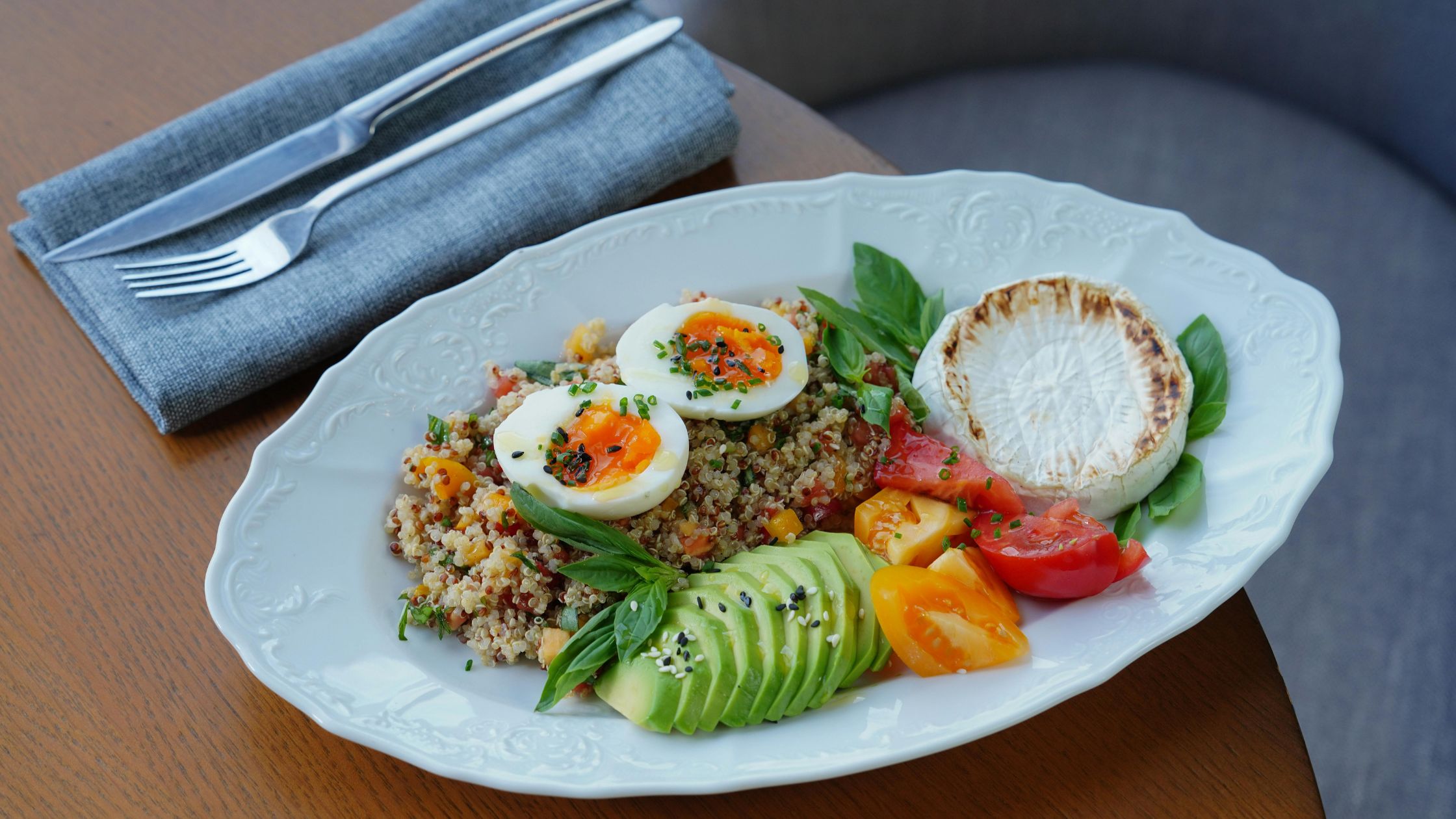
Foods like whole wheat roti, brown rice, oats, barley, millet, and whole grain bread are excellent options. Starting the day with oatmeal or whole grain cereal can give children a fiber boost in the morning. Replacing white rice with brown rice or adding millet-based dishes a few times a week can significantly improve fiber intake.
2.Fruits: Naturally Sweet Fiber Powerhouses
Fruits are not only delicious but also rich in fiber, vitamins, and antioxidants. Kids are more likely to enjoy fiber when it comes in colorful and sweet forms.
High fiber fruits include apples (with skin), pears, bananas, oranges, berries, guava, and mango. Dried fruits like raisins, figs, and dates are also fiber-rich but should be given in moderation due to their natural sugar content. Offering whole fruits instead of juices ensures children get the maximum fiber benefit.
3.Vegetables: Essential for Digestive Health
Vegetables are a vital part of a High Fiber Foods for Kids. They support digestion, immunity, and overall growth. Some fiber-rich vegetables include carrots, peas, broccoli, spinach, sweet potatoes, pumpkin, and beans.
For picky eaters, vegetables can be added creatively—grated carrots in parathas, blended spinach in soups, or colorful vegetable stir-fries. The more variety you include, the better the fiber and nutrient intake.
4.Legumes and Pulses: Plant-Based Fiber Champions
Legumes are among the richest sources of fiber and protein, making them ideal for growing children. Lentils (dal), chickpeas, kidney beans, black beans, and green gram are excellent choices.
Regular consumption of dals, bean curries, or sprouts helps maintain gut health and provides sustained energy. Including legumes in lunch or dinner can keep kids full and active throughout the day.
5.Nuts and Seeds: Small but Fiber-Rich
Nuts and seeds may be small in size, but they are packed with fiber, healthy fats, and minerals. Almonds, peanuts, walnuts, chia seeds, flaxseeds, and pumpkin seeds are great High Fiber Foods for Kids so those are also add to a child’s diet.
For younger kids, nuts should be powdered or finely chopped to prevent choking. Adding nut powder to milk, porridge, or smoothies is a simple way to boost fiber intake safely.
Healthy Snacks is High Fiber Food for Kids
Snacking is a big part of a child’s daily routine, and choosing fiber-rich snacks can make a positive impact. Instead of chips or biscuits, offer fruit chaat, roasted makhana, popcorn (without excess butter), whole grain crackers, or yogurt with fruits and seeds.
Homemade snacks like vegetable cutlets, oats pancakes, or sprout chaat are both nutritious and filling.
Tips to Increase Fiber Intake in Kids’ Diet
Introducing fiber should be gradual to avoid bloating or discomfort. Always ensure children drink enough water alongside fiber-rich foods. Encourage kids to eat the skin of fruits where appropriate, choose whole grains over refined ones, and include vegetables in every meal.
Making meals visually appealing, involving kids in food preparation, and setting a good example by eating fiber-rich foods yourself can motivate children to follow healthy habits.
Conclusion: Building Lifelong Healthy Eating Habits
Including high fiber foods for kids is one of the simplest and most effective ways to support their digestive health, immunity, and overall growth. From whole grains and fruits to vegetables, legumes, nuts, and seeds, fiber-rich foods are easily available and versatile.
By making small, consistent changes and offering a variety of fiber-rich options, parents can help children develop healthy eating habits that last a lifetime. A happy tummy today leads to a healthier, more energetic future for your child.