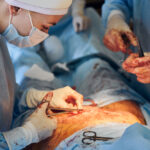
Evidence-Based Tips for a Healthier Pregnancy and Avoiding Cesarean Delivery.
Cesarean delivery (C-section) is a life-saving surgical procedure when medically necessary, but in recent years, its rates have increased worldwide—often beyond what is clinically required.
While C-sections can be essential in emergencies, many women prefer to experience a normal vaginal delivery due to faster recovery, fewer complications, and a more natural birthing experience. The good news is that, in many cases, cesarean delivery can be avoided with proper preparation, informed choices, and supportive care.
This article explores practical, safe, and evidence-based ways to reduce the chances of Avoiding Cesarean Delivery while prioritizing the health of both mother and baby.
Table of Contents
Understanding Why Cesarean Deliveries Happen
Before learning how to Avoiding Cesarean Delivery, it is important to understand why they occur. Common reasons include prolonged labor, fetal distress, abnormal baby position (such as breech), multiple pregnancies, high blood pressure, gestational diabetes, previous cesarean delivery, or fear of labor pain. Some C-sections are also performed due to non-medical reasons, such as scheduling convenience or lack of labor support.
Not all cesarean deliveries are avoidable, but many can be prevented with proactive care and awareness.
Start With Pre-Pregnancy and Early Pregnancy Health
Avoiding Cesarean Delivery often begins even before conception. Maintaining a healthy body weight, managing chronic conditions like diabetes or hypertension, and adopting a balanced lifestyle can significantly improve pregnancy outcomes.
Once pregnant, early and regular antenatal checkups are essential. Monitoring fetal growth, blood pressure, and blood sugar levels helps identify and manage risks early, reducing complications and Avoiding Cesarean Delivery.
Choose the Right Healthcare Provider and Birth Setting
One of the most important factors influencing delivery type is the healthcare provider. Choosing a doctor or midwife who supports normal vaginal birth and has a low cesarean rate can make a significant difference. Hospitals with a patient-centered, evidence-based approach to labor are more likely to encourage natural delivery.
Do not hesitate to ask questions such as:
What is your Cesarean Delivery rate?
How do you handle slow labor?
Do you support the labor movement and non-medical pain relief?
Being informed empowers you to make confident decisions.
Stay Active and Exercise During Pregnancy
Regular physical activity during pregnancy strengthens muscles, improves stamina, and enhances pelvic flexibility—key factors for a smoother labor. Exercises such as walking, prenatal yoga, swimming, and pelvic floor exercises help prepare the body for childbirth. In this way, you can Avoiding Cesarean Delivery.
Staying active can also reduce excessive weight gain and lower the risk of gestational diabetes and high blood pressure, both of which are associated with higher Cesarean Delivery.
Always consult your healthcare provider before starting or continuing an exercise routine.
Maintain a Balanced and Nutritious Diet.
Nutrition plays a crucial role in supporting normal labor. A diet rich in fruits, vegetables, whole grains, lean proteins, iron, calcium, and healthy fats promotes optimal fetal growth and maternal strength.
Avoid excessive sugar and processed foods, which can lead to excessive fetal weight gain (macrosomia), increasing the likelihood of a Cesarean Delivery. Proper hydration is equally important for maintaining energy levels during labor. So, avoid processed food To Avoiding Cesarean Delivery.
Fear and lack of knowledge about labor often contribute to unnecessary interventions. Attending antenatal or childbirth education classes can help you understand the stages of labor, breathing techniques, pain management options, and coping strategies.
When women understand what to expect, they are less likely to panic during labor and more likely to trust their bodies. Confidence and calmness can positively influence labor progress and reduce the chance of Avoiding Cesarean.
Practice Natural Pain Management Techniques
Fear of labor pain is one of the most common reasons women opt for elective cesarean delivery. To Avoiding Cesarean, Learning natural pain relief techniques can help manage discomfort effectively. These include deep breathing, relaxation exercises, meditation, visualization, warm baths, massage, music therapy, and the use of birthing balls.
Non-medical pain management reduces the likelihood of early epidural use, which can sometimes slow labor and increase the chances of a cesarean delivery.
Stay Mobile During Labor
Movement during labor helps gravity assist the baby’s descent into the pelvis. Walking, changing positions, squatting, and using upright or side-lying positions can shorten labor and reduce pain. In this way, you can Avoiding Cesarean Delivery.
Continuous bed rest and lying flat on the back may slow labor and increase discomfort. Discuss with your healthcare provider about maintaining mobility during labor unless medical conditions require otherwise.
Avoid Unnecessary Labor Interventions
While medical interventions are sometimes essential, unnecessary induction of labor, early admission to the hospital, or continuous electronic fetal monitoring can increase the risk of cesarean delivery.
If possible, allow labor to begin naturally. Induction should be reserved for clear medical reasons. Delaying hospital admission until active labor (when contractions are strong and regular) may also reduce intervention rates.
Ensure Emotional and Physical Support During Labor
Continuous labor support from a partner, family member, or trained doula has been shown to reduce cesarean rates significantly. Emotional encouragement, reassurance, and physical comfort help women cope better with labor pain and stress.
Feeling supported and safe allows the body to release natural labor hormones, promoting effective contractions and smoother labor progress.
Consider Vaginal Birth After Cesarean (VBAC)
For women with a previous cesarean delivery, a repeat C-section is not always the only option. Vaginal Birth After Cesarean (VBAC) can be safe and successful for many women, depending on individual health factors and the type of previous surgery.
Discuss VBAC eligibility thoroughly with your healthcare provider to understand the benefits and risks.
Know When a Cesarean Is Necessary
While the goal may be to avoid a cesarean, it is equally important to recognize that sometimes it is the safest option. Prolonged fetal distress, severe bleeding, or life-threatening complications require immediate surgical intervention.
A positive birth experience is not defined solely by the mode of delivery but by the safety and well-being of both mother and baby.
Conclusion
Avoiding cesarean delivery is often possible through informed decision-making, healthy lifestyle choices, proper education, and supportive care. By staying active, eating well, choosing the right healthcare provider, learning about childbirth, and trusting your body, you can significantly increase your chances of a normal vaginal birth.
However, flexibility is key. Every pregnancy and labor is unique, and the ultimate goal is a healthy mother and baby. When women are empowered with knowledge and support, they can approach childbirth with confidence, resilience, and peace—no matter how the journey unfolds.