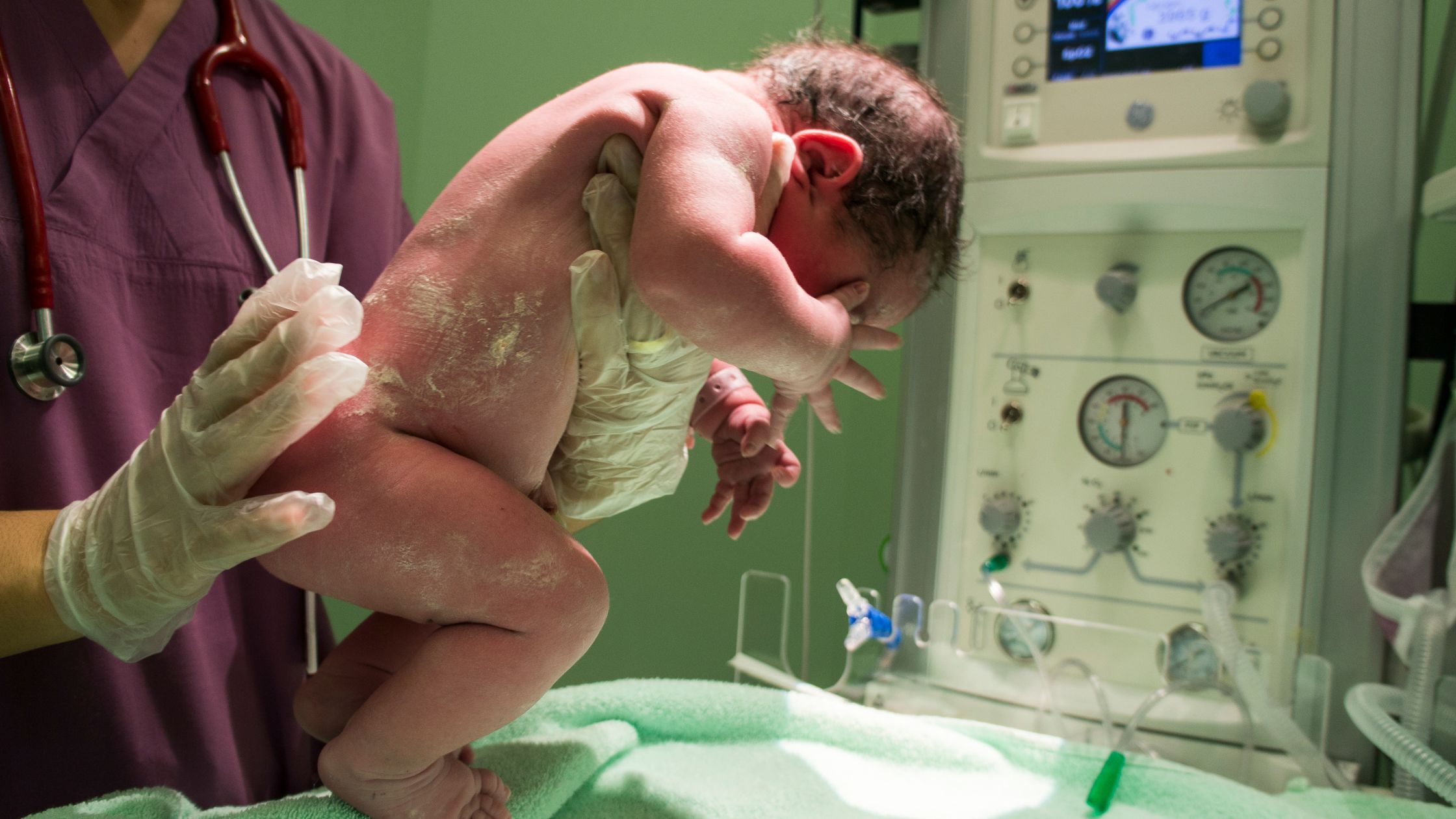
A Normal DeliverySupports Faster Recovery, Better Bonding, and Overall Well-Being.
Childbirth is one of the most transformative experiences in a woman’s life. With medical advancements, mothers today have multiple options for delivery, the most common being Vaginal delivery and cesarean section (C-section).
While cesarean delivery is a life-saving surgical procedure when medically required, normal delivery is widely considered the preferred and more beneficial option for both mother and baby whenever possible.
One of the strongest reasons for this preference is that the overall facilities, care process, and outcomes associated with Vaginal delivery are often better, simpler, and more mother-friendly than cesarean delivery.
This article explores why the facilities and experiences of Vaginal delivery are generally superior, highlighting physical, emotional, medical, and economic aspects. In my life, I’ve gone through a C-Section, which is more painful than my first time Vaginal Delivery.
Table of Contents
1. Natural Process With Minimal Medical Intervention
Vaginal delivery follows the body’s natural rhythm of labor and birth. Facilities designed for vaginal birth focus on supportive care rather than surgical intervention. Labor rooms often provide:
Comfortable birthing beds
Freedom to move, walk, or change positions
Breathing and relaxation support
Access to midwives, nurses, and doctors without invasive procedures
In contrast, cesarean delivery requires operating theaters, anesthesia equipment, surgical instruments, and strict sterile protocols, making the process more complex and resource-intensive. Normal delivery facilities are therefore more patient-centered and less intimidating.
One of the biggest advantages of Vaginal delivery is quick recovery. Facilities supporting vaginal birth are structured to help mothers become active soon after delivery. In most cases:
Mothers can walk for a few hours
Hospital discharge happens within 24–48 hours
Postpartum care focuses on comfort, nutrition, and breastfeeding
Cesarean delivery facilities must include post-surgical recovery units, pain management systems, wound care, and longer monitoring. Mothers usually stay in the hospital for 4–7 days, and recovery can take weeks. Normal delivery facilities are therefore less burdensome and more efficient for both families and healthcare systems.
3. Lower Risk of Complications
Normal delivery facilities emphasize continuous monitoring and natural progression of labor, which reduces the risk of complications. Vaginal birth is associated with:
Lower risk of infections
Minimal blood loss compared to surgery
Reduced chances of anesthesia-related problems
Fewer long-term health issues for the mother
Cesarean sections, being major abdominal surgeries, require facilities equipped to handle surgical complications, such as infections, blood clots, and delayed wound healing. From a safety and facility-management perspective, normal delivery is less risky and more sustainable when no medical complications are present.
4. Better Facilities for Mother-Baby Bonding
Facilities for normal delivery strongly support immediate skin-to-skin contact and early bonding. Most vaginal births allow:
Immediate holding of the baby
Early initiation of breastfeeding
Rooming-in without separation
These facilities promote emotional comfort and help regulate the baby’s temperature, breathing, and heartbeat. Cesarean delivery facilities often involve temporary separation due to anesthesia recovery and surgical monitoring, which may delay bonding and breastfeeding. Normal delivery settings are therefore more emotionally supportive and family-friendly.
5. Enhanced Breastfeeding Support
Normal delivery facilities are typically designed to encourage early and successful breastfeeding. Since the mother is alert and mobile sooner, lactation support becomes more effective. Benefits include:
Early milk production due to natural hormonal release
Better positioning and comfort for feeding
Reduced need for formula supplementation
Cesarean delivery facilities must manage post-operative pain and limited movement, which can make breastfeeding more challenging initially. Normal delivery offers better functional facilities for natural feeding practices.
6. Cost-Effective and Accessible Facilities
From an economic perspective, facilities for normal delivery are more affordable and widely accessible, especially in developing regions. Normal delivery generally requires:
Fewer medical resources
No surgical theater
Reduced medication and equipment
Cesarean delivery significantly increases healthcare costs due to surgery, anesthesia, longer hospital stays, and post-operative care. Normal delivery facilities reduce the financial burden on families and healthcare systems while maintaining safety and quality.
7. Emotional Comfort and Psychological Benefits
Normal delivery facilities often allow a birth companion, such as a husband or family member, to stay during labor. This emotional support helps reduce anxiety and fear. The sense of accomplishment after vaginal birth also contributes to:
Higher maternal confidence
Lower risk of postpartum depression
Better emotional adjustment to motherhood
Cesarean facilities are more restrictive due to surgical protocols. Normal delivery environments are therefore more humane, comforting, and empowering for mothers.
8. Better Outcomes for the Baby
Facilities supporting normal delivery benefit newborns as well. During vaginal birth, babies pass through the birth canal, which helps:
Clear lung fluids naturally
Strengthen immunity through exposure to beneficial bacteria
Improve respiratory adaptation
Babies born via cesarean often require extra monitoring facilities, such as neonatal observation units, especially if born before labor begins. Normal delivery facilities support natural neonatal transition more effectively.
9. Reduced Future Pregnancy Risks
Normal delivery facilities also focus on long-term maternal health. Women who deliver vaginally have fewer complications in future pregnancies, such as uterine rupture or placenta problems. Cesarean delivery increases the need for advanced facilities in subsequent births. Choosing normal delivery when possible reduces dependency on high-risk obstetric infrastructure in the future.
10. When Cesarean Is Necessary
It is important to clarify that cesarean delivery is essential and life-saving in many medical situations, such as fetal distress, placenta previa, or obstructed labor. In such cases, advanced surgical facilities are critical. However, when there is no medical indication, Vaginal delivery remains the better-supported and more beneficial option.
Conclusion: Choosing the Better Path When Possible
Normal delivery is not just a method of childbirth; it is a holistic experience supported by simpler, safer, and more mother-centered facilities. From faster recovery and lower costs to better bonding and emotional well-being, the facilities associated with normal delivery offer clear advantages over cesarean delivery in uncomplicated pregnancies.
While cesarean sections play a vital role in modern medicine, promoting and improving facilities for normal delivery ensures healthier mothers, stronger babies, and more sustainable healthcare systems. Whenever medically safe, normal delivery stands as the better-supported and more natural choice for childbirth.
A Step-by-Step Guide to Normal Delivery for Expectant Parents.
Normal delivery, also known as vaginal delivery, is the most natural way a baby is born through the birth canal. For centuries, women have delivered babies this way, guided by their bodies and supported by skilled healthcare providers. Yet, for many expecting parents, the process can feel mysterious, overwhelming, or even frightening.
Understanding how normal delivery is done can replace fear with confidence and help parents feel more prepared for one of life’s most powerful moments.
This article explains the entire process of normal delivery in simple, clear terms, from the early signs of labor to the first moments after birth.
Table of Contents
What Is a Normal Delivery?
A normal delivery refers to the birth of a baby through the vagina without major surgical intervention. It usually occurs after 37 weeks of pregnancy and involves three main stages of labor: dilation of the cervix, delivery of the baby, and delivery of the placenta. While medical support may be present, the process largely follows the body’s natural rhythm.
Normal delivery is often preferred because it usually involves a shorter recovery time, fewer complications, and early bonding between mother and baby.
Signs That Normal Delivery Is About to Begin
Before labor officially starts, the body gives several signals indicating that delivery is near. These signs may appear hours or even days before active labor.
Common signs include:
Regular contractions that increase in strength and frequency
Lower back pain or cramping
Passage of the mucus plug, sometimes called “bloody show.”
Water breaking, which is the rupture of the amniotic sac
A feeling of pressure in the pelvis
Once contractions become regular and painful, it is usually time to go to the hospital or birthing center.
Stage One of Labor: Cervical Dilation
The first stage of normal delivery is the longest and involves the opening of the cervix. The cervix must dilate from 0 to 10 centimeters to allow the baby to pass through.
Early Labor
In early labor, contractions are mild and irregular. The cervix dilates slowly, usually up to 3 or 4 centimeters. Many women can stay at home during this phase, resting, walking, and staying hydrated.
Active Labor
Active labor begins when the cervix dilates from about 4 to 7 centimeters. Contractions become stronger, longer, and closer together. This is typically when hospital admission happens. Breathing techniques, movement, and pain relief options may be used during this phase.
Transition Phase
The transition phase is the most intense part of labor. The cervix dilates from 8 to 10 centimeters, and contractions are very strong and frequent. Although challenging, this phase is usually the shortest and signals that delivery is close.
Pain Management During Normal Delivery
Pain during labor varies from woman to woman. Some manage with breathing exercises and emotional support, while others choose medical pain relief.
Common pain management options include:
Breathing and relaxation techniques
Changing positions or walking
Warm showers or a massage
Epidural anesthesia
Injectable pain medications
The choice of pain relief depends on personal preference, medical condition, and availability.
Stage Two of Labor: Birth of the Baby
Once the cervix is fully dilated, the second stage of labor begins. This is when the mother starts pushing to help the baby move through the birth canal.
With each contraction, the mother pushes while the healthcare provider guides the process. As the baby’s head crowns, meaning it becomes visible at the vaginal opening, gentle control is used to prevent tearing.
Delivery of the Baby
The baby’s head is usually delivered first, followed by the shoulders and the rest of the body. This moment is often described as intense but deeply emotional. Within seconds, the baby is fully born, and the first cry fills the room.
Immediate Care After Birth
After delivery, the baby is placed on the mother’s chest for skin-to-skin contact. This helps regulate the baby’s temperature, breathing, and heart rate while encouraging bonding and early breastfeeding.
The umbilical cord is clamped and cut, usually after it stops pulsating. The baby’s basic health checks, such as breathing and color, are done quickly and gently.
The third stage of normal delivery involves the removal of the placenta. Mild contractions continue, helping the uterus push out the placenta within 5 to 30 minutes after the baby is born.
Once the placenta is delivered, the healthcare provider checks it to ensure it is complete. The uterus is also monitored to prevent excessive bleeding. If there are minor tears or an episiotomy, stitches may be given at this stage.
Recovery After Normal Delivery
Recovery after a normal delivery is generally faster compared to a cesarean section. Most women are encouraged to stand and walk within a few hours.
Common experiences during recovery include:
Vaginal soreness or swelling
Mild bleeding, known as lochia
Uterine cramps occur as the uterus shrinks
Fatigue and emotional changes
With proper rest, nutrition, and support, the body gradually heals over the following weeks.
Benefits of Normal Delivery
Normal delivery offers several physical and emotional benefits:
Faster postpartum recovery
Lower risk of infection and complications
Early initiation of breastfeeding
Stronger bonding between mother and baby
Shorter hospital stay
It also supports the baby’s natural adaptation to life outside the womb.
When Normal Delivery May Need Assistance
While many deliveries progress smoothly, some may require assistance for safety reasons. This can include the use of forceps, vacuum extraction, or, in some cases, an emergency cesarean section. These decisions are made to protect the health of both mother and baby.
Final Thoughts
Normal delivery is a powerful, natural process guided by the body and supported by medical care. While every labor experience is unique, understanding how a normal delivery is done helps expecting parents feel informed, confident, and emotionally prepared.
With the right support, patience, and care, normal delivery can be a deeply empowering experience, marking the beautiful beginning of a new life and a new chapter in motherhood.
Behind the Birth Story: How Many Stitches Are Needed For a Normal Deliveryand Why
Childbirth is a powerful and transformative experience, but it can also raise many questions, especially for first-time mothers. One common concern after a normal vaginal delivery is stitches. Many women wonder: How many stitches are needed after a normal delivery? The answer is not the same for everyone. It depends on several factors, including the type and extent of perineal tearing, whether an episiotomy was performed, and how the body heals.
This article explains why stitches may be needed after a normal delivery, how many stitches are needed, the types of tears, the healing process, and practical tips for recovery.
Table of Contents
Why Are Stitches Needed After a Normal Delivery?
During a vaginal delivery, the baby passes through the birth canal, stretching the perineum. The perineum is the area between the vaginal opening and the anus. While this tissue is designed to stretch, it may tear during childbirth. In some cases, doctors or midwives may also perform an episiotomy, a small surgical cut to enlarge the vaginal opening.
Stitches are used to:
Repair tears or episiotomy cuts
Control bleeding
Help tissues heal properly
Reduce the risk of infection
The goal is to restore the perineal muscles and skin as naturally as possible.
How Many Stitches Are Usually Required?
There is no fixed number of stitches for a normal delivery. The number can range from a few stitches to more than twenty, depending on the severity of the tear or cut.
Here is a general idea:
Minor tears may need 2 to 5 stitches
Moderate tears may require 6 to 15 stitches
Severe tears can need 15 to 30 or more stitches
Doctors usually use dissolvable stitches, which do not need to be removed and dissolve on their own within a few weeks.
Types of Perineal Tears and Stitches Required
Perineal tears are classified into four degrees. Understanding these helps explain why stitch numbers vary.
First-Degree Tear
This is the mildest form of tearing. It affects only the skin around the vaginal opening.
Usually small and superficial
May need few or no stitches
Healing is quick, often within 1 to 2 weeks
Some first-degree tears heal naturally without stitches.
Second-Degree Tear
This is the most common type of tear during normal delivery. It involves both the skin and the perineal muscles.
Requires stitches for proper healing
Typically needs 6 to 15 stitches
Healing time is around 3 to 6 weeks
Most women who receive stitches after normal delivery fall into this category.
Third-Degree Tear
This tear extends into the muscles surrounding the anus.
Requires careful stitching, often in layers
May need 15 to 30 stitches or more
Healing can take 6 to 8 weeks or longer
These tears are less common and usually repaired by an experienced doctor.
Fourth-Degree Tear
This is the most severe type and extends into the anal lining.
Requires advanced surgical repair
Stitch count varies widely
Longer recovery and follow-up care are needed
Fortunately, fourth-degree tears are rare in normal deliveries.
What About Episiotomy Stitches?
An episiotomy is not routinely performed in modern obstetric practice, but it may be done in specific situations, such as fetal distress or assisted delivery.
Episiotomy stitches usually range from 10 to 20 stitches
Healing time is similar to second-degree tears
Proper care reduces pain and infection risk
Does the Number of Stitches Affect Pain?
Pain after delivery is not always related to the number of stitches. Some women with fewer stitches may experience more discomfort, while others with more stitches may heal smoothly.
Pain levels depend on:
Location of the tear
Swelling and inflammation
Individual pain tolerance
Quality of stitching and aftercare
Doctors often prescribe pain relief medications and recommend home remedies to ease discomfort.
How Long Do Stitches Take to Heal?
Most stitches used after normal delivery are absorbable.
Begin dissolving within 1 to 2 weeks
Fully absorbed by 4 to 6 weeks
Deeper stitches may take longer
During healing, mild itching or tightness is normal, but severe pain or foul-smelling discharge should be reported to a healthcare provider.
Tips to Heal Faster After Stitches
Proper care can significantly improve comfort and healing.
Keep the area clean and dry
Use warm water to gently rinse after urination
Apply ice packs to reduce swelling in the first 24 hours
Sit on a soft cushion or donut pillow
Avoid constipation by eating fiber-rich foods and drinking plenty of water
Do pelvic floor exercises as advised by your doctor
Rest is essential. Avoid heavy lifting and excessive strain during recovery.
When Should You Contact a Doctor?
Seek medical advice if you notice:
Increasing pain instead of improvement
Signs of infection such as redness, swelling, or pus
Fever or chills
Difficulty controlling bowel movements
Stitches opening or bleeding
Early treatment prevents complications and supports better healing.
Emotional Impact of Stitches After Delivery
Beyond physical recovery, stitches can affect emotional well-being. Some women feel anxious about pain, intimacy, or body changes. These feelings are normal and temporary.
Open communication with your partner and healthcare provider can help. Remember, your body has gone through a major event, and healing takes time.
There is no standard answer to how many stitches are needed after a normal delivery. It can be as few as a couple or more than twenty, depending on the type of tear or whether an episiotomy was performed. What matters most is not the number of stitches, but proper repair, good aftercare, and allowing your body the time it needs to heal.
Every birth is unique, and so is every recovery. With the right support, patience, and care, most women heal well and regain comfort and confidence in the weeks following childbirth.
Early signs, medical clues, and tests To Recognizing a Twin Pregnancy.
Pregnancy is a remarkable journey filled with anticipation, questions, and surprises. For some parents, one of the most exciting surprises is discovering they are Recognizing a Twin Pregnancy.. A twin pregnancy can bring double the happiness—but also double the curiosity. Many women wonder early on: How can I know if I’m carrying twins? While only a medical professional can confirm a twin pregnancy with certainty, the body often gives subtle (and sometimes not-so-subtle) hints along the way.
This article explores the early signs, symptoms, medical tests, and key indicators that may suggest a twin pregnancy, helping you understand what to look for and when to seek confirmation.
Table of Contents
What Is a Twin Pregnancy?
A twin pregnancy occurs when two babies develop in the uterus at the same time. Twins can be:
Identical (monozygotic): One fertilized egg splits into two embryos.
Fraternal (dizygotic): Two separate eggs are fertilized by two different sperm.
Fraternal twins are more common and may run in families, while identical twins occur randomly.
Early Signs and Symptoms of Twin Pregnancy
1. More Intense Pregnancy Symptoms
One of the earliest clues of a twin pregnancy is experiencing stronger pregnancy symptoms than usual. Because hormone levels—especially human chorionic gonadotropin (hCG)—are often higher in twin pregnancies, symptoms may feel amplified.
Common signs include:
Severe nausea and vomiting (sometimes hyperemesis gravidarum)
Extreme fatigue early in pregnancy
Breast tenderness that feels more pronounced
Heightened sense of smell
While these symptoms don’t guarantee twins, unusually intense discomfort can be an early hint.
2. Rapid Weight Gain in the First Trimester
Gaining weight earlier or more rapidly than expected can be another sign. In a twin pregnancy, the body is supporting two developing babies, two placentas (in some cases), and increased blood volume, which can contribute to earlier weight changes.
However, weight gain alone is not a reliable indicator, as it varies widely among individuals.
3. Faster-Growing Baby Bump
Some women notice their abdomen seems larger than expected for their gestational age. A uterus expanding more quickly than average may prompt a healthcare provider to investigate further.
That said, body type, previous pregnancies, and muscle tone also affect how a baby bump appears.
4. Elevated hCG Levels
During early prenatal blood tests, doctors measure hCG levels to assess pregnancy progress. Higher-than-average hCG levels may suggest multiple babies, although levels can vary significantly even in singleton pregnancies.
High hCG is a clue, not a confirmation, and must be followed by imaging tests.
Medical Clues That Suggest a Twin Pregnancy
5. Measuring Large for Gestational Age
At prenatal visits, healthcare providers measure fundal height—the distance from the pubic bone to the top of the uterus. If this measurement is consistently larger than expected for the number of weeks pregnant, it may indicate twins or more.
This finding often leads to an ultrasound for clarity.
6. Hearing Two Heartbeats
In some cases, a trained provider may detect two separate fetal heartbeats using a Doppler device during a prenatal checkup. While exciting, this method is not always reliable early on, as heartbeats can overlap or be difficult to distinguish.
7. Increased Fetal Movement (Later in Pregnancy)
As pregnancy progresses, some women carrying twins report feeling movement in different areas of the abdomen simultaneously. While this can be subjective, it sometimes raises suspicion of multiple babies.
Ultrasound: The Most Reliable Confirmation
8. Early Ultrasound Scan
An ultrasound is the gold standard for diagnosing a twin pregnancy. It can usually detect twins as early as 6–8 weeks of pregnancy. During the scan, the sonographer may identify:
Two gestational sacs
Two embryos
Two heartbeats
Ultrasound also helps determine whether twins share a placenta or amniotic sac, which is important for monitoring pregnancy risks.
Risk Factors That Increase the Chance of Twins
While twins can happen to anyone, certain factors increase the likelihood:
Emotional and Physical Differences in Twin Pregnancy
Learning you are pregnant with twins can bring mixed emotions—joy, excitement, anxiety, and curiosity. Physically, twin pregnancies often involve:
Greater fatigue
Increased nutritional needs
More frequent prenatal visits
Higher risk of complications such as preterm labor or anemia
Early knowledge allows for better preparation and specialized care.
When to See a Doctor
If you suspect a twin pregnancy due to strong symptoms, rapid growth, or family history, it’s important to consult your healthcare provider. Early and regular prenatal care is especially crucial for multiple pregnancies to ensure the health of both mother and babies.
Final Thoughts: Trust Science Over Symptoms
While your body may give hints, only medical tests—especially an ultrasound— Recognizing a twin pregnancy, symptoms and signs can vary widely, and many women with singleton pregnancies experience similar changes.
If you do discover you’re expecting twins, remember that with proper care, nutrition, and monitoring, many twin pregnancies result in healthy outcomes. Embrace the journey, ask questions, and lean on your healthcare team for guidance—because double the babies truly means double the love.
Smart and Practical Ways to Avoid Hidden Toxins During Pregnancy.
Pregnancy is a beautiful journey filled with excitement, hope, and careful choices. While most expecting mothers focus on eating well, taking prenatal vitamins, and attending regular checkups, many are unaware of how to avoid hidden toxins that quietly exist in everyday life.
These toxins can be found in food, household products, cosmetics, air, and even water. During pregnancy, a woman’s body becomes more sensitive, and exposure to certain harmful substances can affect both maternal health and fetal development.
The good news is that awareness and small lifestyle changes can significantly reduce toxin exposure. This article explores practical, realistic, and effective ways to avoid hidden toxins during pregnancy, helping you create a safer environment for yourself and your baby.
Understanding Hidden Toxins and Why They Matter
To Avoid Hidden Toxins are, chemicals or substances that may not cause immediate harm but can accumulate in the body over time. During pregnancy, these toxins can cross the placenta and interfere with fetal growth, brain development, and immune function. Some have been linked to preterm birth, low birth weight, hormonal imbalances, and developmental delays.
Common sources include pesticides, heavy metals, endocrine disruptors, artificial fragrances, and industrial chemicals. Knowing where these toxins hide is the first step toward avoiding them.
Table of Contents
Choose Clean and Nourishing Foods
Food is one of the most common sources of hidden toxins. Pesticides, preservatives, and artificial additives often find their way into daily meals.
Wash fruits and vegetables thoroughly to remove pesticide residues. Use clean water and gentle scrubbing.
Choose organic produce whenever possible, especially for items known to contain higher pesticide levels.
Avoid highly processed foods, which often contain artificial colors, flavors, and preservatives.
Limit seafood high in mercury, such as shark, swordfish, and king mackerel. Opt for safer options like salmon, sardines, and trout.
Avoid food packaged in plastic when possible, as some plastics can leach harmful chemicals into food.
Eating fresh, whole, home-cooked meals not only reduces toxin exposure but also supports overall pregnancy nutrition.
Be Mindful of Drinking Water Quality
Water may look clean, but it can sometimes contain contaminants like lead, chlorine, or industrial chemicals.
Use a reliable water filter for drinking and cooking.
Avoid drinking from old or damaged pipes, especially in older buildings.
Do not heat water in plastic containers, as heat increases chemical leaching.
Carry a reusable stainless-steel or glass bottle instead of plastic bottles.
Clean water supports hydration, digestion, and circulation—essential functions during pregnancy.
Switch to Safer Household Cleaning Products
Many conventional cleaning products contain harsh chemicals that release toxic fumes. During pregnancy, inhaling these chemicals can cause headaches, dizziness, and respiratory irritation.
Choose natural or eco-friendly cleaners labeled non-toxic or chemical-free.
Make simple cleaners at home using vinegar, baking soda, and lemon.
Ensure proper ventilation while cleaning—open windows and doors.
Avoid mixing cleaning chemicals, as this can create dangerous fumes.
A cleaner home does not need to come at the cost of health.
Read Labels on Personal Care and Beauty Products
Cosmetics and personal care items are often overlooked sources of toxins. Many contain chemicals that can disrupt hormones.
Avoid products with parabens, phthalates, formaldehyde, and synthetic fragrances.
Choose fragrance-free or naturally scented products.
Limit the use of makeup, especially during the first trimester.
Opt for pregnancy-safe skincare and hair products.
What you apply to your skin can be absorbed into your bloodstream, so gentle and simple is best.
Reduce Exposure to Plastic and Synthetic Materials
Plastic is everywhere, but certain types can release harmful chemicals.
Avoid microwaving food in plastic containers.
Use glass, ceramic, or stainless-steel cookware and storage.
Reduce use of plastic wrap, especially on hot food.
Avoid plastic toys or items with strong chemical smells in your environment.
Replacing plastic gradually can make a meaningful difference over time.
Improve Indoor Air Quality
Indoor air can be more polluted than outdoor air due to chemicals, dust, and poor ventilation.
Open windows daily to allow fresh air circulation,To Avoid Hidden Toxin from room.
Avoid incense, scented candles, and air fresheners that release harmful fumes.
Dust and vacuum regularly to reduce allergens and chemical particles.
Use indoor plants that naturally purify air, if possible.
Clean air supports better breathing, sleep, and overall comfort during pregnancy.
Be Careful with Pesticides and Insect Repellents
Exposure to pesticides can be harmful to both mother and baby.
To Avoid Hidden Toxins, avoid using chemical pesticides in the home or garden.
Choose natural pest control methods, such as neem-based solutions or traps, To Avoid Hidden Toxins from chemical pest
Avoid areas recently sprayed with insecticides.
Use pregnancy-safe mosquito repellents if needed, following medical advice.
Reducing chemical exposure helps protect the developing nervous system of the baby.
Check Medications and Supplements Carefully
Not all medications and supplements are safe during pregnancy.
Take medicines only as prescribed by your healthcare provider.
Avoid self-medication, even with over-the-counter drugs.
Check herbal supplements carefully, as some may contain harmful substances.
Stick to trusted brands and avoid unknown or unregulated products.
Always consult a healthcare professional before introducing anything new.
Create a Safer Work and Daily Environment
Your workplace and daily routine may expose you to toxins without you realizing it.
To Avoid Hidden Toxins, avoid direct contact with chemicals, paints, solvents, and fumes.
Use protective gear if exposure is unavoidable.
Take breaks in well-ventilated areas.
Reduce screen time and ensure ergonomic comfort.
Small adjustments can greatly improve safety and comfort.
Trust Awareness, Not Fear
To Avoid Hidden Toxins does not mean living in constant fear. Pregnancy is about balance, not perfection. The goal is to reduce unnecessary exposure, not eliminate everything at once. Even small changes—switching products, improving ventilation, choosing fresh foods—can have a positive impact.
Pregnancy is a time to nurture life, and that nurturing begins with creating a healthier environment. Hidden toxins may be invisible, but their effects can be real. By becoming informed and making conscious choices, you empower yourself to protect both your health and your baby’s future.
Remember, every mindful step you take today contributes to a safer, stronger, and healthier beginning for your child. Choose awareness, choose care, and embrace pregnancy with confidence and peace.
Subchorionic Hemorrhage—Signs, Risks, and When to Seek Medical Care.
Pregnancy is often described as a time of joy and anticipation, but it can also bring moments of worry—especially when unexpected symptoms appear. One such condition that can cause anxiety in early pregnancy is subchorionic Hemorrhage (SCH). Hearing this term for the first time, particularly after experiencing vaginal bleeding, can be frightening. However, understanding what a subchorionic Hemorrhage is, its symptoms, and how it is managed can help reduce fear and support healthier outcomes.
This article explores subchorionic hemorrhage symptoms, along with its causes, diagnosis, potential risks, and general care guidelines, to help expectant mothers feel informed and reassured.
Table of Contents
What Is Subchorionic Hemorrhage?
A subchorionic hemorrhage, also called a subchorionic hematoma, occurs when blood collects between the uterine wall and the chorionic membrane (the outer fetal membrane). This membrane eventually forms part of the placenta. SCH is one of the most common causes of vaginal bleeding during the first trimester of pregnancy.
The size of the hemorrhage can vary from very small to large. In many cases, it resolves on its own without harming the pregnancy. However, symptoms and outcomes may differ depending on the size, location, and gestational age.
Common Symptoms of Subchorionic Hemorrhage
Symptoms of subchorionic hemorrhage can range from mild to noticeable. Some women experience clear signs, while others may have no symptoms at all and only discover the condition during a routine ultrasound.
1. Vaginal Bleeding
The most common symptom of subchorionic hemorrhage is vaginal bleeding, especially during early pregnancy.
Bleeding may be light spotting or a heavier flow
Color can vary from pink or bright red to dark brown
It may occur suddenly or intermittently
Importantly, bleeding does not always indicate pregnancy loss, but it should never be ignored.
Some women notice brown vaginal discharge, which often represents old blood leaving the uterus. This can happen as the hemorrhage begins to resolve. While brown discharge is generally less concerning than fresh red bleeding, it should still be reported to a healthcare provider.
3. Abdominal or Pelvic Pain
Mild lower abdominal discomfort or pelvic pressure may occur in some cases. The pain is usually not severe and may feel similar to menstrual cramps. However, intense or persistent pain should be evaluated promptly.
4. Back Pain
Dull or aching lower back pain can sometimes accompany subchorionic hemorrhage, especially when bleeding is present. While back pain is common in pregnancy, sudden or worsening pain may signal the need for medical assessment.
5. No Symptoms at All
In many cases, women experience no noticeable symptoms. Subchorionic hemorrhage is sometimes discovered incidentally during a routine ultrasound scan, even when the pregnancy appears otherwise healthy.
When Do Symptoms Usually Appear?
Subchorionic hemorrhage symptoms most commonly appear during the first trimester, particularly between 6 and 12 weeks of pregnancy. However, SCH can occasionally be detected in the second trimester as well.
Early detection often leads to better monitoring and reassurance, as many early SCH cases resolve naturally.
What Causes SCH?
The exact cause of subchorionic hemorrhage is not always known. However, it is believed to occur when the fertilized egg partially detaches from the uterine wall, causing bleeding between the membranes.
Possible contributing factors include:
Implantation issues
Trauma or injury
Abnormal placental attachment
Blood clotting disorders (rare)
Most of the time, SCH occurs without any identifiable cause and is not due to anything the mother did or did not do.
How Is SCH Diagnosed?
Subchorionic hemorrhage is typically diagnosed through an ultrasound examination. The ultrasound can show:
The presence of a blood clot or collection
The size of the hemorrhage
Its location in relation to the placenta and gestational sac
Regular follow-up ultrasounds may be recommended to monitor changes in size and resolution.
Is SCH Dangerous?
In many cases, subchorionic hemorrhage is not dangerous and resolves without complications. However, certain factors may increase risks, such as:
Large-sized hemorrhages
Hemorrhage located behind the placenta
Persistent or heavy bleeding
SCH diagnosed later in pregnancy
Potential complications may include an increased risk of miscarriage, preterm labor, or placental issues, though many women with SCH go on to have healthy pregnancies.
What Should You Do If You Have Symptoms?
If you experience symptoms suggestive of subchorionic hemorrhage, it is important to:
Contact your healthcare provider promptly
Avoid self-diagnosis
Follow medical advice carefully
Seek immediate medical attention if you experience heavy bleeding, severe pain, dizziness, or passing large clots.
General Care and Management
There is no single treatment for subchorionic hemorrhage, but doctors may recommend supportive measures such as:
Rest or reduced physical activity
Avoiding heavy lifting
Temporary pelvic rest (avoiding intercourse)
Regular prenatal follow-ups
Management depends on the severity of symptoms, size of the hemorrhage, and overall pregnancy health.
Emotional Impact and Reassurance
Experiencing bleeding during pregnancy can be emotionally overwhelming. Fear, anxiety, and stress are common reactions. It is important to remember that many women with sch deliver healthy babies.
Open communication with healthcare providers, emotional support from family, and staying informed can greatly ease anxiety during this time.
Final Thoughts
Subchorionic hemorrhage symptoms—particularly vaginal bleeding—can be alarming, but they do not always indicate a serious problem. Understanding the symptoms, seeking timely medical care, and following professional guidance are key steps in managing this condition.
Every pregnancy is unique, and outcomes can vary. With proper monitoring and care, most cases of subchorionic hemorrhage resolve naturally, allowing the pregnancy to progress safely. Staying calm, informed, and supported can make a meaningful difference during this sensitive phase of pregnancy.
Evidence-Based Tips for a Healthier Pregnancy and Avoiding Cesarean Delivery.
Cesarean delivery (C-section) is a life-saving surgical procedure when medically necessary, but in recent years, its rates have increased worldwide—often beyond what is clinically required.
While C-sections can be essential in emergencies, many women prefer to experience a normal vaginal delivery due to faster recovery, fewer complications, and a more natural birthing experience. The good news is that, in many cases, cesarean delivery can be avoided with proper preparation, informed choices, and supportive care.
This article explores practical, safe, and evidence-based ways to reduce the chances of Avoiding Cesarean Delivery while prioritizing the health of both mother and baby.
Table of Contents
Understanding Why Cesarean Deliveries Happen
Before learning how to Avoiding Cesarean Delivery, it is important to understand why they occur. Common reasons include prolonged labor, fetal distress, abnormal baby position (such as breech), multiple pregnancies, high blood pressure, gestational diabetes, previous cesarean delivery, or fear of labor pain. Some C-sections are also performed due to non-medical reasons, such as scheduling convenience or lack of labor support.
Not all cesarean deliveries are avoidable, but many can be prevented with proactive care and awareness.
Start With Pre-Pregnancy and Early Pregnancy Health
Avoiding Cesarean Delivery often begins even before conception. Maintaining a healthy body weight, managing chronic conditions like diabetes or hypertension, and adopting a balanced lifestyle can significantly improve pregnancy outcomes.
Once pregnant, early and regular antenatal checkups are essential. Monitoring fetal growth, blood pressure, and blood sugar levels helps identify and manage risks early, reducing complications and Avoiding Cesarean Delivery.
Choose the Right Healthcare Provider and Birth Setting
One of the most important factors influencing delivery type is the healthcare provider. Choosing a doctor or midwife who supports normal vaginal birth and has a low cesarean rate can make a significant difference. Hospitals with a patient-centered, evidence-based approach to labor are more likely to encourage natural delivery.
Do not hesitate to ask questions such as:
What is your Cesarean Delivery rate?
How do you handle slow labor?
Do you support the labor movement and non-medical pain relief?
Being informed empowers you to make confident decisions.
Stay Active and Exercise During Pregnancy
Regular physical activity during pregnancy strengthens muscles, improves stamina, and enhances pelvic flexibility—key factors for a smoother labor. Exercises such as walking, prenatal yoga, swimming, and pelvic floor exercises help prepare the body for childbirth. In this way, you can Avoiding Cesarean Delivery.
Staying active can also reduce excessive weight gain and lower the risk of gestational diabetes and high blood pressure, both of which are associated with higher Cesarean Delivery.
Always consult your healthcare provider before starting or continuing an exercise routine.
Maintain a Balanced and Nutritious Diet.
Nutrition plays a crucial role in supporting normal labor. A diet rich in fruits, vegetables, whole grains, lean proteins, iron, calcium, and healthy fats promotes optimal fetal growth and maternal strength.
Avoid excessive sugar and processed foods, which can lead to excessive fetal weight gain (macrosomia), increasing the likelihood of a Cesarean Delivery. Proper hydration is equally important for maintaining energy levels during labor. So, avoid processed food To Avoiding Cesarean Delivery.
Fear and lack of knowledge about labor often contribute to unnecessary interventions. Attending antenatal or childbirth education classes can help you understand the stages of labor, breathing techniques, pain management options, and coping strategies.
When women understand what to expect, they are less likely to panic during labor and more likely to trust their bodies. Confidence and calmness can positively influence labor progress and reduce the chance of Avoiding Cesarean.
Practice Natural Pain Management Techniques
Fear of labor pain is one of the most common reasons women opt for elective cesarean delivery. To Avoiding Cesarean, Learning natural pain relief techniques can help manage discomfort effectively. These include deep breathing, relaxation exercises, meditation, visualization, warm baths, massage, music therapy, and the use of birthing balls.
Non-medical pain management reduces the likelihood of early epidural use, which can sometimes slow labor and increase the chances of a cesarean delivery.
Stay Mobile During Labor
Movement during labor helps gravity assist the baby’s descent into the pelvis. Walking, changing positions, squatting, and using upright or side-lying positions can shorten labor and reduce pain. In this way, you can Avoiding Cesarean Delivery.
Continuous bed rest and lying flat on the back may slow labor and increase discomfort. Discuss with your healthcare provider about maintaining mobility during labor unless medical conditions require otherwise.
Avoid Unnecessary Labor Interventions
While medical interventions are sometimes essential, unnecessary induction of labor, early admission to the hospital, or continuous electronic fetal monitoring can increase the risk of cesarean delivery.
If possible, allow labor to begin naturally. Induction should be reserved for clear medical reasons. Delaying hospital admission until active labor (when contractions are strong and regular) may also reduce intervention rates.
Ensure Emotional and Physical Support During Labor
Continuous labor support from a partner, family member, or trained doula has been shown to reduce cesarean rates significantly. Emotional encouragement, reassurance, and physical comfort help women cope better with labor pain and stress.
Feeling supported and safe allows the body to release natural labor hormones, promoting effective contractions and smoother labor progress.
Consider Vaginal Birth After Cesarean (VBAC)
For women with a previous cesarean delivery, a repeat C-section is not always the only option. Vaginal Birth After Cesarean (VBAC) can be safe and successful for many women, depending on individual health factors and the type of previous surgery.
Discuss VBAC eligibility thoroughly with your healthcare provider to understand the benefits and risks.
Know When a Cesarean Is Necessary
While the goal may be to avoid a cesarean, it is equally important to recognize that sometimes it is the safest option. Prolonged fetal distress, severe bleeding, or life-threatening complications require immediate surgical intervention.
A positive birth experience is not defined solely by the mode of delivery but by the safety and well-being of both mother and baby.
Conclusion
Avoiding cesarean delivery is often possible through informed decision-making, healthy lifestyle choices, proper education, and supportive care. By staying active, eating well, choosing the right healthcare provider, learning about childbirth, and trusting your body, you can significantly increase your chances of a normal vaginal birth.
However, flexibility is key. Every pregnancy and labor is unique, and the ultimate goal is a healthy mother and baby. When women are empowered with knowledge and support, they can approach childbirth with confidence, resilience, and peace—no matter how the journey unfolds.
Reason of Seizure During Delivery and How They Can Be Prevented.
Childbirth is usually a moment of joy and anticipation, but in some cases, it can suddenly become a medical emergency. One of the most alarming complications during labor and delivery is the occurrence of seizures.
Reasons Of Seizures delivery, though relatively rare, poses serious risks to both the mother and the baby. Understanding the causes of seizures during delivery is essential for early detection, timely treatment, and prevention of life-threatening outcomes.
This article explores the major causes of seizures during delivery, their warning signs, risk factors, and the importance of prompt medical care.
Table of Contents
What Is a Seizure During Delivery?
A seizure during delivery refers to sudden, uncontrolled electrical activity in the brain that occurs in a woman during labor, childbirth, or immediately after delivery. These seizures may involve loss of consciousness, jerking movements, confusion, or abnormal behavior. In obstetrics, seizures are most commonly associated with pregnancy-related conditions but can also result from pre-existing medical or neurological disorders.
The Most Common Cause: Eclampsia
1. Eclampsia (Severe Preeclampsia)
The leading Reason of seizure during delivery is eclampsia, a serious complication of pregnancy. Eclampsia usually develops from preeclampsia, a condition marked by high blood pressure and damage to organs such as the liver and kidneys.
How it causes seizures:
Extremely high blood pressure affects blood flow to the brain
Brain swelling and irritation trigger seizure activity
Sudden changes in blood vessel function lead to neurological symptoms
Warning signs before seizures:
Severe headache
Blurred vision or light sensitivity
Swelling of face, hands, or feet
Upper abdominal pain
High blood pressure readings
If preeclampsia is not properly managed, it can progress rapidly to eclampsia during labor or shortly after delivery.
Other Major Reason of Seizure During Delivery
2. Severe Hypertension (High Blood Pressure)
Even without full-blown preeclampsia, dangerously high blood pressure during labor can trigger seizures. Sudden spikes in blood pressure can disrupt brain function and lead to convulsions.
Risk factors include:
Chronic hypertension
Poor antenatal care
Obesity
Diabetes
Advanced maternal age
3. Low Blood Sugar (Hypoglycemia)
Hypoglycemia is another important cause, especially in women with gestational diabetes or pre-existing diabetes.
Why it happens during delivery:
Prolonged labor without food intake
Excess insulin or diabetes medications
Increased energy demand during labor
Low blood sugar deprives the brain of glucose, which is essential for normal function, potentially leading to seizures.
4. Electrolyte Imbalance
Electrolytes such as sodium, calcium, and magnesium play a crucial role in nerve signaling. An imbalance can disturb brain activity.
Common electrolyte issues during labor include:
Low sodium (hyponatremia)
Low calcium (hypocalcemia)
Magnesium imbalance
These imbalances may occur due to excessive IV fluids, vomiting, dehydration, or underlying medical conditions.
5. Infections Affecting the Brain
Serious infections can also Reason of seizur during delivery, though this is less common.
Possible infections include:
Meningitis
Encephalitis
Severe systemic infections with high fever
High fever and inflammation increase brain irritability, raising the Reason of seizure during labor.
6. Pre-Existing Epilepsy
Women with a history of epilepsy are at higher risk of seizures during delivery.
Contributing factors include:
Missed or reduced anti-seizure medications
Sleep deprivation during labor
Emotional and physical stress
Hormonal changes
With proper medical supervision, most women with epilepsy can have safe deliveries, but careful planning is essential.
7. Brain Disorders or Trauma
Rarely, seizures during delivery may be caused by underlying neurological conditions such as:
Brain tumors
Previous head injuries
Stroke or bleeding in the brain
The stress of labor can exacerbate these conditions and trigger seizures.
8. Drug Reactions or Anesthesia Complications
Certain medications used during labor or anesthesia complications can lead to a high Reason Of seizure.
Examples include:
Adverse reactions to anesthetic drugs
Overdose of pain medications
Drug withdrawal
This is why close monitoring during labor is crucial, especially in high-risk pregnancies.
Risk Factors That Increase the Reason of Seizure Delivery
Some women are more prone to seizures during delivery due to specific risk factors, including:
First pregnancy
Lack of regular prenatal checkups
History of high blood pressure
Multiple pregnancies (twins or triplets)
Kidney disease
Autoimmune disorders
Poor nutrition
Identifying these risk factors early allows healthcare providers to take preventive measures.
Recognizing early symptoms can save lives. Seek immediate medical attention if a woman in labor experiences:
Severe headache
Visual disturbances
Sudden confusion
High blood pressure
Reduced urine output
Jerking movements or loss of consciousness
Effects of Seizures on Mother and Baby
If not treated promptly, seizures during delivery can lead to serious complications:
For the mother:
Brain injury
Organ failure
Placental abruption
Increased risk of maternal death
For the baby:
Reduced oxygen supply
Premature birth
Low birth weight
Stillbirth in severe cases
Prevention and Management
The good news is that most causes of seizure delivery are preventable with proper care.
Key preventive steps include:
Regular antenatal checkups
Monitoring blood pressure and urine protein
Managing diabetes and chronic conditions
Adhering to prescribed medications
Timely hospitalization for high-risk pregnancies
During labor, doctors may use medications such as magnesium sulfate to prevent and control seizures, especially in women with preeclampsia.
Conclusion
Seizures during delivery are frightening but often preventable complications of pregnancy. Eclampsia remains the most common cause, followed by severe hypertension, metabolic imbalances, infections, and pre-existing neurological conditions. Awareness, early detection, and quality prenatal care play a crucial role in reducing the risk of seizure delivery.
By understanding the causes and warning signs, expectant mothers and healthcare providers can work together to ensure a safer childbirth experience—protecting both mother and baby during one of life’s most critical moments.
Simple, science-backed steps to Avoid the Risk of Miscarriage and support a healthy pregnancy.
Pregnancy is a deeply emotional journey filled with hope, anticipation, and sometimes fear. One of the most common concerns expectant parents face is miscarriage, especially during the first trimester.
While not all miscarriages can be prevented—many occur due to genetic reasons beyond anyone’s control—there are several steps that can significantly reduce the risk and support a healthier pregnancy. Understanding these measures empowers women to take informed, positive actions for themselves and their developing baby.
This article explores practical, lifestyle-based, and medical approaches that can help avoid miscarriage and promote a safe, healthy pregnancy.
Table of Contents
Understanding Miscarriage: A Brief Overview
A miscarriage is the loss of a pregnancy before 20 weeks, most commonly within the first 12 weeks. It is more common than many realize, affecting about 10–20% of known pregnancies. The causes vary and may include chromosomal abnormalities, hormonal imbalances, infections, chronic illnesses, lifestyle factors, or structural issues of the uterus.
While some causes are unavoidable, many risk factors are manageable. Focusing on overall health, early prenatal care, and mindful lifestyle choices can make a meaningful difference.
1. Start with Preconception and Early Prenatal Care
One of the most effective ways to reduce miscarriage risk is early and regular prenatal care.
Schedule a doctor’s visit as soon as pregnancy is confirmed to monitor hormone levels, overall health, and early fetal development.
Discuss your medical history, including previous miscarriages, chronic conditions, or medications.
Follow medical advice carefully, including recommended tests and supplements.
Early care helps identify potential problems before they become serious.
2. Maintain a Healthy, Balanced Diet
Nutrition plays a critical role in supporting pregnancy and preventing complications.
Eat a variety of nutrient-rich foods, including fruits, vegetables, whole grains, lean proteins, and healthy fats.
Ensure adequate intake of folic acid, which reduces the risk of birth defects and supports early fetal development.
Include iron, calcium, vitamin D, and omega-3 fatty acids to support blood health, bone development, and placental function.
Avoid raw or undercooked foods, unpasteurized dairy, and excessive caffeine, which may increase risks.
A well-nourished body provides a strong foundation for a developing pregnancy.
3. Avoid Harmful Substances Completely
Certain substances are strongly linked to miscarriage and should be avoided entirely.
Stop smoking and avoid secondhand smoke, as it reduces oxygen supply to the fetus.
Avoid alcohol in all forms, as no amount is considered safe during pregnancy.
Do not use recreational drugs, which can interfere with fetal development and increase pregnancy loss.
Limit caffeine intake, ideally to less than 200 mg per day (about one small cup of coffee).
Eliminating these substances significantly improves pregnancy outcomes.
4. Manage Stress and Emotional Well-being
Chronic stress does not directly cause miscarriage, but high stress levels can negatively affect hormonal balance and immune function.
Practice relaxation techniques such as deep breathing, meditation, or prenatal yoga.
Get enough sleep, aiming for 7–9 hours per night.
Share your feelings with your partner, family, or a trusted friend.
Seek professional counseling if anxiety or fear becomes overwhelming.
Emotional health is just as important as physical health during pregnancy.
5. Exercise Safely and Stay Active
Moderate physical activity supports circulation, hormonal balance, and mental well-being.
Engage in gentle exercises like walking, swimming, or prenatal stretching.
Avoid high-impact, contact, or extreme sports that increase the risk of falls or abdominal injury.
Listen to your body and stop exercising if you feel pain, dizziness, or fatigue.
Always consult your healthcare provider before starting or continuing an exercise routine during pregnancy.
6. Control Chronic Medical Conditions
Unmanaged health conditions can increase the risk of miscarriage.
Diabetes, thyroid disorders, high blood pressure, and autoimmune diseases should be carefully monitored and treated.
Take prescribed medications exactly as directed and never stop or start medications without medical advice.
Monitor blood sugar or hormone levels if advised by your doctor.
Proper management of existing conditions helps create a safer environment for pregnancy.
7. Prevent and Treat Infections Promptly
Certain infections can increase the risk of pregnancy loss.
Practice good hygiene, including frequent handwashing.
Avoid exposure to people with contagious illnesses when possible.
Cook food thoroughly and wash fruits and vegetables well.
Seek medical attention promptly if you experience fever, unusual discharge, or pain.
Early treatment of infections protects both mother and baby.
8. Be Careful with Medications and Supplements
Not all medications are safe during pregnancy.
Inform your doctor about all medications, including over-the-counter drugs and herbal supplements.
Avoid self-medication, even for common problems like headaches or colds.
Use only pregnancy-safe supplements recommended by a healthcare professional.
What seems harmless can sometimes affect early fetal development.
9. Maintain a Healthy Weight
Both underweight and overweight conditions can increase miscarriage risk.
Aim for a healthy body mass index (BMI) before and during pregnancy.
Gain weight gradually, as recommended by your healthcare provider.
Focus on nourishment rather than dieting during pregnancy.
Balanced weight supports hormonal stability and placental health.
10. Follow Medical Advice After Previous Miscarriages
If you have experienced a miscarriage before, extra care may be needed.
Undergo recommended tests to identify possible causes.
Follow specific treatment plans, such as hormonal support or lifestyle changes.
Attend frequent check-ups for reassurance and early detection of problems.
Many women go on to have healthy pregnancies after miscarriage with proper guidance and care.
Conclusion: Hope, Care, and Conscious Choices
While miscarriage cannot always be prevented, many steps can be taken to reduce the risk and support a healthy pregnancy. Focusing on good nutrition, avoiding harmful substances, managing stress, staying active, and seeking early medical care creates the best possible environment for a growing baby.
Most importantly, remember that pregnancy is not about perfection—it’s about care, awareness, and compassion for yourself. If concerns arise, never hesitate to seek medical advice. With informed choices and supportive care, the journey toward motherhood can begin with confidence, hope, and strength.
Physical recovery, emotional healing, and finding Self-Care after Miscarriage
Miscarriage is a deeply personal and painful experience that affects not only the body but also the heart and mind. It can happen suddenly, leaving behind feelings of grief, confusion, guilt, and emptiness. While medical care often focuses on the physical aspects, emotional healing is equally important.
Taking care after a miscarriage is a gradual process that requires patience, compassion, and support. This article offers a comprehensive guide on how to care for yourself physically, emotionally, and mentally after a miscarriage, helping you move forward with strength and hope.
Understanding the Impact of Miscarriage
A miscarriage is the loss of a pregnancy before 20 weeks. It is more common than many realize, yet it remains a topic surrounded by silence. Every woman’s experience is different—some may feel intense grief, while others may feel numb or confused. There is no “right” way to feel. Acknowledging the impact of miscarriage is the first step toward healing.
Table of Contents
Physical Care After Miscarriage
1. Allow Your Body Time to Heal
After a miscarriage, your body needs time to recover. Bleeding and cramping may continue for a few days or weeks, depending on the type of miscarriage and whether medical or surgical treatment was required. Rest is essential during this time.
Avoid heavy lifting and strenuous activities for at least a couple of weeks
Follow your doctor’s advice regarding bathing, sexual activity, and exercise
Attend follow-up appointments to ensure proper recovery
If you experience heavy bleeding, fever, severe pain, or foul-smelling discharge, seek medical help immediately.
A miscarriage can lead to blood loss and hormonal changes, making proper nutrition crucial.
Eat iron-rich foods like leafy greens, dates, legumes, and lean meats
Include fruits, vegetables, whole grains, and protein to rebuild strength
Stay well hydrated to support overall recovery
If recommended by your doctor, take prescribed supplements such as iron or folic acid.
3. Manage Hormonal Changes
After a miscarriage, pregnancy hormones gradually return to pre-pregnancy levels. This hormonal shift can cause fatigue, mood swings, breast tenderness, or headaches. These symptoms usually settle with time.
Gentle activities like walking, stretching, or yoga (once approved by your doctor) can help balance hormones and improve well-being.
Emotional and Mental Care After Miscarriage
4. Give Yourself Permission to Grieve
Grief after miscarriage is real and valid. You may grieve the loss of the baby, the loss of dreams, or the loss of control over your body.
Cry if you need to
Talk about your feelings with someone you trust
Avoid judging your emotions or comparing your grief to others
Healing does not mean forgetting—it means learning to live with the loss.
5. Seek Emotional Support
You do not have to go through this alone. Support can make a significant difference in recovery.
Share your feelings with your partner, family, or close friends
Join a miscarriage support group, either online or in person
Consider speaking with a counselor or therapist, especially if sadness or anxiety feels overwhelming
Professional help is particularly important if you experience prolonged depression, panic attacks, or thoughts of self-harm.
6. Take Care of Your Mental Health
Miscarriage can trigger feelings of guilt, self-blame, or fear about future pregnancies. It’s important to remind yourself that most miscarriages are not preventable and are not caused by anything you did or didn’t do.
Practices that support mental health include:
Mindfulness or meditation
Journaling your thoughts and emotions
Deep breathing exercises
Limiting exposure to triggering content if needed
Be gentle with your thoughts and practice self-compassion.
Taking Care of Relationships After Miscarriage
7. Communicate With Your Partner
Partners may grieve differently—one may want to talk, while the other may withdraw. Open communication helps prevent misunderstandings.
Share how you feel and listen without judgment
Respect each other’s coping styles
Support one another rather than assigning blame
Grieving together can strengthen your bond, even during a painful time.
8. Set Boundaries With Others
Well-meaning friends or relatives may say things that feel hurtful, such as “It happened for a reason” or “You can try again.” It’s okay to protect your emotional space.
Politely change the subject if conversations feel uncomfortable
Limit social interactions if you need time alone
Clearly express what kind of support you need
Your healing comes first.
Preparing for the Future
9. When to Think About Trying Again
Physically, doctors often recommend waiting until bleeding stops and at least one normal menstrual cycle occurs before trying to conceive again. Emotionally, the right time varies for everyone.
Do not rush yourself
Discuss future plans with your doctor
Address fears or concerns before planning another pregnancy
Many women go on to have healthy pregnancies after miscarriage.
10. Rebuild Hope at Your Own Pace
Healing after miscarriage does not follow a straight path. Some days will feel lighter, others heavier. Over time, pain may soften, making room for hope again.
You may find comfort in:
Creating a small ritual or memory to honor your loss
Engaging in creative activities like writing, art, or music
Helping others or sharing your story when you feel ready
Healing does not mean replacing what was lost—it means carrying it forward with love.
Final Thoughts
Taking care after miscarriage involves more than physical recovery—it is about nurturing your emotional, mental, and spiritual well-being. There is no timeline for healing and no correct way to grieve. Be patient with yourself, seek support when needed, and remember that your feelings are valid.
Miscarriage can change you, but it can also reveal deep strength, resilience, and compassion within you. With time, care, and understanding, healing is possible—and so is hope for the future.
Symptoms Of Miscarriage, knowing when to seek help, and caring for your emotional well-being.
Pregnancy is often a time filled with hope, excitement, and dreams for the future. However, it can also come with uncertainties and fears—one of the most distressing being miscarriage. A miscarriage, medically referred to as spontaneous pregnancy loss before 20 weeks of gestation, is more common than many realize.
Understanding Symptoms Of Miscarriage is crucial, as early recognition can help women seek timely medical care and emotional support.
This article explores the common and less-known symptoms of miscarriage, explains how they may vary, and emphasizes when to consult a healthcare professional.
Table of Contents
What Is a Miscarriage?
A miscarriage occurs when a pregnancy ends on its own, usually during the first trimester (the first 12 weeks). Many miscarriages happen before a woman even realizes she is pregnant. While the experience is deeply personal and emotional, it is important to understand that most miscarriages are not caused by anything the mother did or did not do.
Miscarriage symptoms can range from mild to severe and may differ from one woman to another. Some symptoms may also overlap with normal pregnancy discomforts, making them confusing. Below are the most common signs to be aware of.
1. Vaginal Bleeding
Vaginal bleeding is the most recognized symptom of miscarriage. It may start as light spotting or progress to heavier bleeding.
Light spotting can be normal in early pregnancy
Heavy bleeding, especially with clots or tissue, is more concerning
Bleeding accompanied by pain increases the likelihood of miscarriage
Not all bleeding leads to miscarriage, but any bleeding during pregnancy should be reported to a doctor.
2. Abdominal Pain and Cramping
Cramping in early pregnancy can be normal as the uterus expands. However, severe or persistent cramping, especially when combined with bleeding, may indicate a miscarriage.
Pain may feel similar to strong menstrual cramps
It can occur in the lower abdomen or pelvic region
One-sided pain may suggest complications such as ectopic pregnancy
3. Lower Back Pain
Dull or sharp lower back pain is another common symptom. Unlike regular back discomfort during pregnancy, miscarriage-related back pain may be intense and persistent.
Pain may radiate from the lower back to the abdomen
Often accompanies cramping and bleeding
May worsen over time rather than improve
4. Passing Tissue or Clots
Passing grayish or pinkish tissue from the vagina is a serious sign of miscarriage.
Tissue may appear fleshy or clot-like
This symptom usually occurs with heavy bleeding
Immediate medical attention is recommended
5. Sudden Loss of Pregnancy Symptoms
A sudden disappearance of pregnancy symptoms can be alarming.
Common changes include:
Breast tenderness fading abruptly
Nausea or vomiting stopping suddenly
Feeling “less pregnant” emotionally and physically
While symptoms can naturally fluctuate, a sudden and complete loss of symptoms should be discussed with a healthcare provider.
6. Decrease in Pregnancy Hormones
Although not always noticeable without medical testing, falling levels of pregnancy hormones (hCG) can signal a miscarriage.
May be detected through blood tests
Often associated with reduced pregnancy symptoms
Confirmed through ultrasound or lab work
Less Common Symptoms of Miscarriage
Some miscarriage symptoms are subtle and may go unnoticed initially.
1. Fever and Chills
A fever along with bleeding or pain may indicate infection related to pregnancy loss.
Fever above 38°C (100.4°F) is concerning
May be accompanied by foul-smelling vaginal discharge
Requires urgent medical evaluation
2. Weakness or Dizziness
Excessive bleeding can lead to weakness, lightheadedness, or fainting.
May indicate significant blood loss
Requires immediate medical attention
3. Emotional Distress Without Physical Symptoms
Sometimes, emotional changes occur even before physical symptoms.
Sudden anxiety or feeling something is “wrong”
Emotional heaviness without clear reason
Should not be ignored, especially if followed by physical signs
Symptoms of Missed or Silent Miscarriage
A missed miscarriage occurs when the fetus has stopped developing, but the body has not yet expelled the pregnancy tissue.
Possible signs include:
No fetal heartbeat detected during ultrasound
Gradual loss of pregnancy symptoms
Minimal or no bleeding initially
This type of miscarriage can be particularly distressing because symptoms may be absent.
When to See a Doctor
Seek immediate medical help if you experience:
Heavy bleeding soaking more than one pad per hour
Severe abdominal or back pain
Passing tissue from the vagina
Fever, chills, or foul-smelling discharge
Dizziness or fainting
Early medical care can help manage complications and provide clarity about what is happening.
Emotional Symptoms After a Miscarriage
Miscarriage affects not only the body but also the mind and heart. Emotional symptoms may include:
Grief and sadness
Guilt or self-blame
Anxiety about future pregnancies
Depression or emotional numbness
These feelings are normal and valid. Emotional healing takes time, and support from loved ones or professionals can make a significant difference.
Important Things to Remember
Miscarriage is common and often unavoidable
Symptoms vary from person to person
Early symptoms do not always mean miscarriage
Medical guidance is essential for proper diagnosis
Most women who experience a miscarriage go on to have healthy pregnancies in the future.
Conclusion
Understanding miscarriage symptoms empowers women to respond promptly and seek the care they need. While not every symptom means a pregnancy loss, being informed helps reduce fear and confusion during a vulnerable time. If you suspect something is wrong, trust your instincts and reach out to a healthcare professional.
Pregnancy is a journey filled with uncertainties, but knowledge, support, and compassion—both for yourself and others—can help navigate even the most difficult moments.
A guide to the physical, emotional, and medical factors that’s the reasons of miscarriage.
Miscarriage is a deeply emotional and often misunderstood experience that affects millions of women and families worldwide. Medically defined as the loss of a pregnancy before 20 weeks of gestation, miscarriage is more common than many realize.
Studies suggest that 10–20% of known pregnancies end in miscarriage, often before a woman even knows she is pregnant. Despite its frequency, the topic is surrounded by silence, guilt, and misinformation. Understanding the causes of miscarriage is essential—not to assign blame, but to promote awareness, emotional healing, and better prenatal care.
This article explores the major Reasons Of Miscarriage, ranging from genetic and medical factors to lifestyle and environmental influences, while emphasizing compassion and support for those affected.
Table of Contents
1. Chromosomal Abnormalities: The Most Common Cause
The leading cause of miscarriage, especially in the first trimester, is chromosomal abnormalities in the developing fetus. Chromosomes carry genetic information, and a normal embryo should have 46 chromosomes. When there are too many, too few, or structurally abnormal chromosomes, the embryo may not develop properly.
These abnormalities usually occur randomly during fertilization or early cell division and are not caused by anything the parents did or did not do. In such cases, the body naturally ends the pregnancy because the fetus is not viable. This type of miscarriage is often referred to as a “natural selection” process and accounts for nearly 50–60% of early pregnancy losses.
2. Maternal Age and Its Impact
A woman’s age plays a significant role in pregnancy outcomes. As maternal age increases, particularly after the age of 35, the risk of miscarriage rises. This is largely due to the higher likelihood of chromosomal abnormalities in eggs as women age.
Younger women can and do experience miscarriages, but statistically, the chances are lower compared to women in their late 30s or 40s. Age-related factors may also include reduced egg quality, hormonal changes, and a higher incidence of chronic health conditions.
3. Hormonal Imbalances
Hormones are crucial for maintaining a healthy pregnancy. Progesterone, often called the “pregnancy hormone,” helps prepare the uterus for implantation and supports early fetal development. Low levels of progesterone can prevent the uterine lining from sustaining the pregnancy, and the Reasons Of Miscarriage miscarriage.
Other hormonal issues, such as thyroid disorders (hypothyroidism or hyperthyroidism) and uncontrolled polycystic ovary syndrome (PCOS), can also increase the risk. When hormonal imbalances are diagnosed early, medical treatment can significantly improve pregnancy outcomes.
4. Chronic Medical Conditions in the Mother
Certain long-term health conditions can interfere with normal pregnancy progression. These include:
Diabetes (especially uncontrolled)
High blood pressure
Autoimmune disorders such as lupus or antiphospholipid syndrome
Kidney or heart disease
These conditions can affect blood flow to the placenta or disrupt the body’s ability to support fetal development. Proper medical management before and during pregnancy is critical to reducing the Reasons Of Miscarriage risk.
5. Infections During Pregnancy
Some infections can cross the placenta or directly affect the uterus, increasing the Reasons Of Miscarriage. Common infections linked to pregnancy loss include:
Listeria
Toxoplasmosis
Rubella
Sexually transmitted infections like syphilis and chlamydia
High fever caused by severe infections can also be harmful to the developing fetus. Early prenatal care, good hygiene practices, and timely treatment of infections are key preventive measures.
6. Uterine and Cervical Abnormalities
Structural problems in the uterus can make it difficult for a pregnancy to implant or grow normally. These may include:
Uterine fibroids
Congenital uterine abnormalities (such as a septate uterus)
Scar tissue from previous surgeries or infections
Additionally, cervical insufficiency, a condition where the cervix weakens and opens too early, can lead to second-trimester the Reasons Of Miscarriage. Many uterine or cervical issues can be treated or managed once diagnosed, improving the chances of a successful pregnancy.
7. Lifestyle Factors and Substance Use
Certain lifestyle choices significantly increase the risk of miscarriage. These include:
Smoking and tobacco use
Alcohol consumption
Illegal drug use
Excessive caffeine intake
Smoking reduces oxygen supply to the fetus, while alcohol and drugs can interfere with fetal development. Even high stress levels and poor nutrition may indirectly Reasons Of Miscarriage. Adopting a healthy lifestyle before and during pregnancy plays a vital role in fetal well-being.
8. Environmental and Occupational Hazards
Exposure to harmful environmental factors can also contribute to miscarriage. These include:
Radiation
Heavy metals like lead or mercury
Toxic chemicals and pesticides
Women working in certain industries or living in highly polluted areas may face increased risks. Taking safety precautions and discussing potential exposures with a healthcare provider is essential to avoid the Reasons Of Miscarriage.
9. Trauma and Physical Injury
Severe physical trauma, such as a car accident or a serious fall, can result the Reasons Of Miscarriage, especially later in pregnancy. While everyday activities and moderate exercise are generally safe, direct injury to the abdomen can disrupt the pregnancy. Wearing seatbelts properly and avoiding high-risk activities can reduce this risk.
10. Unexplained Causes: When There Are No Clear Answers
In some cases, the Reasons Of Miscarriage remains unknown, even after thorough medical evaluation. This uncertainty can be emotionally challenging for parents seeking closure. It is important to remember that unexplained miscarriage does not mean preventable miscarriage. Many women who experience unexplained pregnancy loss go on to have healthy pregnancies in the future.
Emotional Impact and the Importance of Support
Beyond the physical causes, Reasons Of Miscarriage carries a profound emotional toll. Feelings of grief, guilt, anger, and sadness are common and valid. Understanding that miscarriage is rarely caused by personal actions can help reduce self-blame.
Support from partners, family, healthcare professionals, and counseling services is crucial for emotional healing. Open conversations and awareness can help break the stigma surrounding pregnancy loss.
Miscarriage is a complex medical and emotional experience with many possible causes. While not all miscarriages can be prevented, understanding the risk factors empowers women and families to seek timely care, make informed lifestyle choices, and approach future pregnancies with confidence and hope.
Most importantly, miscarriage is not a failure—it is a loss that deserves empathy, understanding, and support. With advances in medical science, improved prenatal care, and growing awareness, many women who experience miscarriage go on to have healthy, successful pregnancies. Knowledge, compassion, and resilience remain the strongest tools in navigating this deeply personal journey.