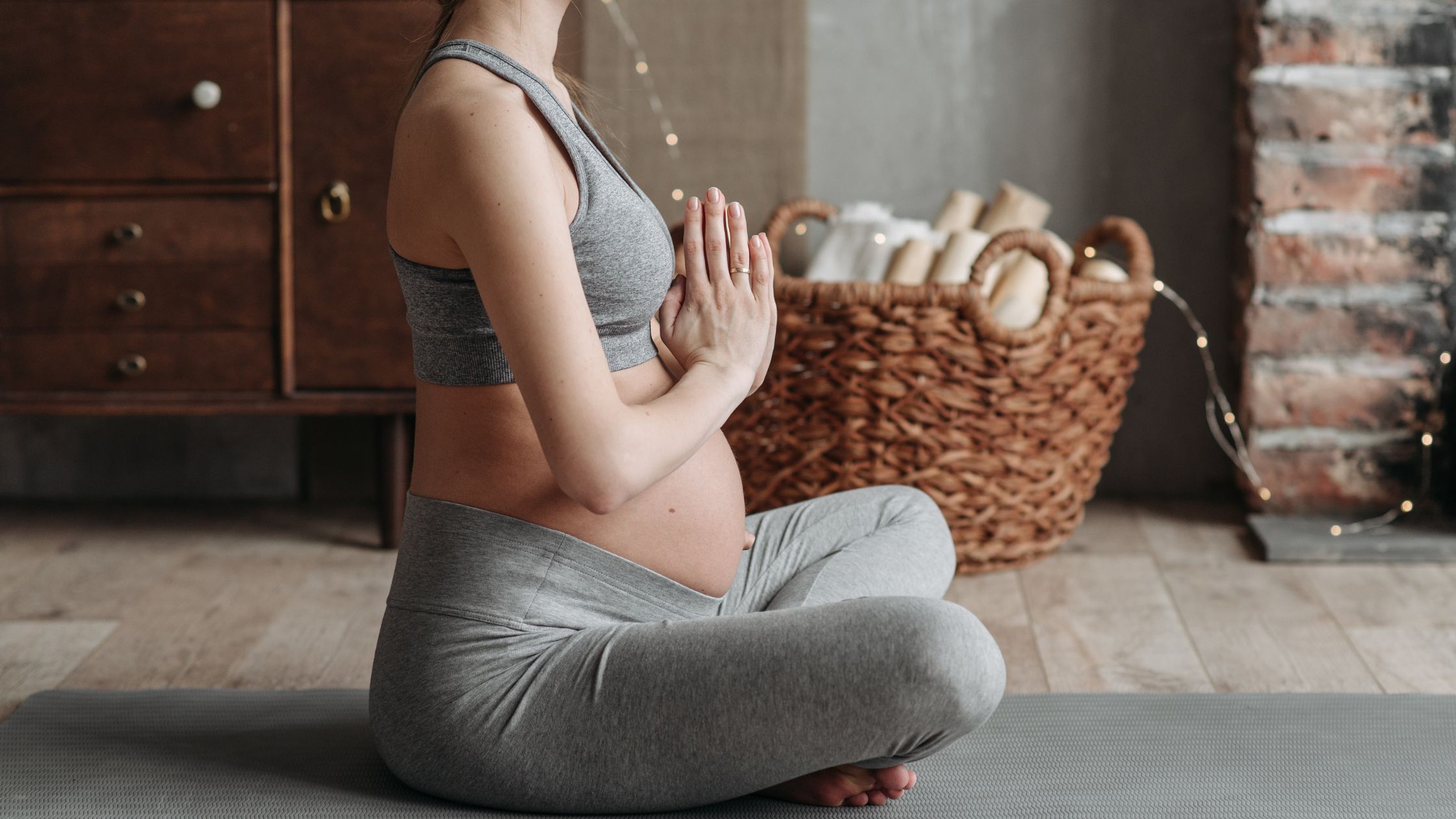
Physical Activity During Pregnancy Supports a Healthier Mom and a Happier Baby.
Pregnancy is a beautiful journey marked by excitement, change, and anticipation. Along with nurturing a growing baby, it’s also a time when a woman’s body undergoes remarkable physical and emotional transformations.
One of the most effective ways to support these changes is through regular physical activity during pregnancy. Contrary to old myths that advised pregnant women to rest excessively, modern research and medical guidance strongly encourage safe, moderate exercise as a key part of prenatal care.
This article explores why physical activity is important during pregnancy, the benefits it offers, the safest exercises to try, precautions to follow, and how to stay active comfortably through all three trimesters.
Understanding Physical Activity During Pregnancy
Physical activity during pregnancy refers to any body movement that uses energy and is safe for both mother and baby. This can include walking, stretching, prenatal yoga, swimming, or light strength training. The goal is not intense workouts or weight loss, but maintaining strength, flexibility, circulation, and emotional balance.
For most healthy pregnant women, doctors recommend at least 150 minutes of moderate-intensity physical activity per week, spread over several days. However, every pregnancy is unique, and it’s essential to consult a healthcare provider before starting or continuing any exercise routine.
Table of Contents
Benefits of Staying Active While Pregnant
Engaging in regular physical activity during pregnancy offers a wide range of physical, emotional, and mental benefits.
1. Improves Physical Strength and Endurance
As pregnancy progresses, carrying extra weight can strain muscles and joints. Exercise strengthens the core, back, and pelvic muscles, making it easier to support the growing belly and maintain good posture.
2. Reduces Common Pregnancy Discomforts
Regular movement helps relieve back pain, constipation, bloating, swelling, and fatigue. Gentle exercises also improve circulation, reducing the risk of leg cramps and varicose veins.
3. Supports Healthy Weight Gain
Physical activity helps regulate healthy pregnancy weight gain, reducing the risk of complications such as gestational diabetes and high blood pressure.
4. Boosts Mood and Mental Health
Hormonal changes during pregnancy can cause mood swings, anxiety, or stress. Exercise releases endorphins—natural “feel-good” hormones—that improve mood and reduce symptoms of prenatal depression.Also Read: 10 Most Emotional Changes During Pregnancy
5. Improves Sleep Quality
Many pregnant women struggle with sleep. Light to moderate physical activity can help regulate sleep patterns and promote deeper, more restful sleep.
6. Prepares the Body for Labor and Delivery
Strong muscles, better stamina, and controlled breathing can make labor more manageable. Active women often experience shorter labor times and quicker postpartum recovery.
Safe and Recommended Exercises During Pregnancy
Not all exercises are suitable during pregnancy, but many are both safe and beneficial when performed correctly.
Walking
Walking is one of the safest and easiest forms of exercise. It improves cardiovascular health without putting stress on joints and can be continued throughout pregnancy.
Prenatal Yoga
Prenatal yoga focuses on gentle stretching, breathing techniques, and relaxation. It improves flexibility, reduces stress, and helps prepare the body for childbirth.
Swimming and Water Aerobics
Water supports body weight, reducing pressure on joints and the spine. Swimming is excellent for full-body conditioning and helps relieve swelling and discomfort.
Pelvic Floor Exercises (Kegels)
Strengthening pelvic floor muscles helps support the uterus, bladder, and bowel. These exercises can prevent urinary leakage and aid postpartum recovery.
Light Strength Training
Using light weights or resistance bands helps maintain muscle tone. Focus on controlled movements and proper breathing.
Exercises to Avoid During Pregnancy
Certain activities can increase the risk of injury or complications and should be avoided:
- High-impact sports like basketball or football
- Contact sports
- Activities with a high risk of falling (cycling on rough roads, skiing)
- Exercises that require lying flat on the back after the first trimester
- Heavy weightlifting or intense abdominal workouts
Always listen to your body and stop exercising if you feel dizzy, short of breath, or uncomfortable.
Physical Activity Across the Three Trimesters
First Trimester
Fatigue and nausea are common. Gentle activities like walking and stretching are ideal. Short, frequent sessions work better than long workouts.
Second Trimester
Energy levels often improve. This is a great time to establish a regular routine with prenatal yoga, swimming, or strength training.
Third Trimester
Focus on slow, gentle movements to maintain flexibility and reduce stiffness. Breathing exercises and pelvic stretches can be especially helpful.
Safety Tips for Exercising While Pregnant
- Always consult your doctor before starting any exercise program
- Warm up before and cool down after workouts
- Stay hydrated and avoid overheating
- Wear comfortable clothing and supportive footwear
- Eat balanced meals to maintain energy levels
- Avoid exercising in extreme heat or humidity
Listening to Your Body Is Key
Every pregnancy is different. Some days you may feel energetic, while others you may need rest. Physical activity should never feel painful or exhausting. The goal is movement with comfort, not perfection.
Conclusion
Physical activity during pregnancy is not just safe for most women—it is highly beneficial. From reducing discomfort and improving mood to preparing the body for labor and speeding up recovery, exercise plays a vital role in a healthy pregnancy. By choosing the right activities, following safety guidelines, and listening to your body, you can move with confidence and embrace pregnancy with strength, balance, and positivity.
Always remember: an active pregnancy supports a healthier mother and a stronger start for your baby.
Also Read: 22 Healthy Pregnancy Tips for the Whole 9 Months