Inside the Boundless Mind: How Teens Imagination.

How Teens Imagination Shapes Identity, Creativity, and the Future

The teenage years are often described as confusing, emotional, and transformative—but they are also incredibly imaginative. During adolescence, the mind becomes a powerful playground where ideas grow wings, dreams take shape, and possibilities feel endless. Teen imagination is not just about daydreaming or fantasy; it is a vital force that shapes identity, fuels creativity, and prepares young people to face the world with curiosity and courage.

The Unique Power of the Teenage Mind

Teenagers experience imagination differently from children and adults. While young children imagine freely without boundaries, teens combine imagination with emerging logic, emotions, and self-awareness. Their brains are still developing, particularly the areas responsible for decision-making and emotional regulation. This unique combination allows teens to think boldly, question norms, and explore “what if” scenarios with intensity.

A teen might imagine becoming a writer, scientist, athlete, or social reformer. They may envision changing the world, inventing something new, or living a life very different from what they see around them. These imaginative thoughts are not unrealistic fantasies; they are mental rehearsals for future possibilities.

Imagination as a Tool for Self-Discovery

Adolescence is a time of identity formation. Teens constantly ask themselves questions such as “Who am I?”, “Where do I belong?”, and “What do I believe in?” Imagination helps them explore these answers safely. Through creative thinking, teens try on different identities, values, and roles without real-world consequences.

For example, a teenager who imagines standing up against injustice may later develop strong moral values. Another who dreams of artistic success may discover a passion for music, art, or writing. Imagination allows teens to experiment internally before making external choices, helping them grow into more confident and self-aware adults.

Emotional Expression Through Imaginative Thinking

Teenagers often experience emotions more intensely than adults, yet they may struggle to express them verbally. Imagination becomes a powerful emotional outlet. Through storytelling, journaling, poetry, drawing, music, or even role-playing, teens process feelings like joy, fear, anger, loneliness, and love.

Daydreaming can also serve as a coping mechanism. When reality feels overwhelming—academic pressure, social expectations, or family conflicts—imagination offers a temporary escape. In healthy forms, this escape provides emotional relief and helps teens return to reality with renewed strength.

Also Read: When Growing Up Feels Heavy: Understanding the Silent Stress in Teenagers

Creativity, Innovation, and Problem-Solving

Teen imagination is closely linked to creativity. Many groundbreaking ideas, artistic styles, and innovations have roots in teenage thinking. When teens are encouraged to imagine freely, they learn to approach problems from fresh perspectives.

Imaginative teens are more likely to:

  • Think creatively when faced with challenges
  • Develop innovative solutions
  • Show empathy by imagining others’ experiences
  • Adapt to change more easily

In classrooms, imagination enhances learning by making concepts more engaging and memorable. A teen who imagines historical events as lived experiences or visualizes scientific theories often understands them more deeply.

The Influence of Technology and Media

In today’s digital world, teen imagination is constantly shaped by social media, movies, games, and online content. Technology can be both a booster and a barrier. On one hand, digital platforms provide inspiration, global exposure, and creative tools. Teens can write blogs, create videos, design graphics, or share stories with a worldwide audience.

On the other hand, excessive screen time and passive content consumption can limit original imagination. When teens only scroll or copy trends, they may lose the habit of independent thinking. The key lies in balance—using technology as a tool for creation rather than mere consumption.

When Imagination Becomes a Challenge

While imagination is a strength, it can sometimes overwhelm teens. Overthinking, unrealistic expectations, or constant comparison can lead to anxiety or self-doubt. A teen who imagines worst-case scenarios may struggle with fear, while one who dreams without grounding may feel frustrated when reality doesn’t match expectations.

This is where guidance from parents, teachers, and mentors becomes essential. Instead of dismissing a teen’s imaginative thoughts, adults should help them channel imagination into achievable goals and positive action.

How Parents and Educators Can Nurture Teen Imagination

Supporting teen imagination does not require expensive resources—only understanding, patience, and encouragement. Here are a few effective ways:

  • Listen without judgment: Take their ideas seriously, even if they seem impractical.
  • Encourage creative outlets: Writing, art, music, drama, and sports all stimulate imagination.
  • Ask open-ended questions: Questions like “What do you think would happen if…?” spark deeper thinking.
  • Allow freedom with boundaries: Give teens space to explore while providing emotional safety.
  • Celebrate effort, not just results: This builds confidence and reduces fear of failure.

When teens feel supported, their imagination becomes a source of motivation rather than confusion.

Imagination as the Bridge to the Future

Every invention, story, movement, and discovery begins with imagination. Teen imagination is the foundation of tomorrow’s world. The dreams teenagers hold today—about equality, innovation, creativity, and purpose—can become real change when nurtured properly.

Rather than seeing imagination as distraction or immaturity, society must recognize it as a powerful developmental strength. When teens are allowed to imagine, they learn to hope. When they are guided to act on those hopes, they learn to lead.

Conclusion: Protecting the Spark

Teen imagination is fragile yet powerful. It can be easily discouraged by criticism, pressure, or rigid expectations—but when protected and nurtured, it becomes a lifelong asset. By valuing imagination, we help teens grow into adults who think deeply, feel compassionately, and create fearlessly.

In the boundless mind of a teenager lies not just fantasy, but the blueprint of the future.

AlsoRead: Teens Are in a Mental Health Crisis—Here’s How Parents Can Help

When Growing Up Feels Heavy: Understanding the Silent Stress in Teenagers

Key Symptoms Every Parent Should Recognize to Support Teen Mental Well-Being

Adolescence is often described as a bridge between childhood and adulthood—a phase full of dreams, discovery, and growing independence. But behind the laughter, social media smiles, and busy schedules, many teenagers quietly struggle with stress.

Academic pressure, peer expectations, family dynamics, and the constant need to “fit in” can weigh heavily on young minds. Understanding the symptoms of stress in teenagers is the first step toward helping them feel supported, understood, and emotionally safe.

Why Stress Is So Common in Teenagers

Teenagers today face a fast-paced, highly competitive world. Exams, career choices, friendships, body image concerns, and digital exposure create an environment where stress can easily build up. Unlike adults, teens may not always have the emotional vocabulary to explain what they are feeling. Instead, stress often shows up through changes in behavior, mood, and physical health.

Recognizing these signs early can prevent long-term emotional issues and help teens develop healthy coping skills.

Emotional Symptoms of Stress in Teenagers

One of the earliest indicators of stress is a shift in emotional behavior. A stressed teenager may seem different from their usual self.

Mood swings are common, but frequent irritability, anger, or unexplained sadness can be warning signs. Teens under stress may become overly sensitive, crying easily or reacting strongly to minor issues. Feelings of hopelessness, low self-esteem, or constant worry may also surface.

Some teenagers begin to withdraw emotionally. They may stop sharing their thoughts, avoid family conversations, or appear emotionally distant. This emotional shutdown is often a defense mechanism to cope with overwhelming feelings.

Behavioral Changes That Signal Stress

Stress often alters how teenagers behave at home and school. A noticeable drop in academic performance is a major red flag. A teen who once enjoyed learning may suddenly lose interest in studies, skip classes, or struggle to concentrate.

Changes in social behavior are also common. Some teenagers isolate themselves, avoiding friends and social activities they once loved. Others may become unusually aggressive, argumentative, or defiant.

Risk-taking behaviors, such as lying, breaking rules, or experimenting with harmful habits, can sometimes be a cry for help rather than rebellion.

Physical Symptoms of Stress in Teenagers

Stress doesn’t only affect the mind—it impacts the body too. Teenagers may frequently complain of headaches, stomachaches, muscle tension, or unexplained body pain. These physical symptoms often appear without any clear medical cause.

Sleep disturbances are another strong indicator. Difficulty falling asleep, frequent nightmares, or sleeping too much can all be signs of emotional overload. A stressed teen may wake up feeling tired despite adequate rest.

Changes in appetite—either eating too little or overeating—can also signal stress. Sudden weight loss or gain should never be ignored.

Cognitive Signs: How Stress Affects Thinking

Stress can interfere with a teenager’s ability to think clearly. Difficulty concentrating, forgetfulness, and constant confusion are common cognitive symptoms. Teens may struggle to make decisions or feel mentally exhausted even after simple tasks.

Negative thinking patterns often develop during periods of stress. A teenager might constantly expect failure, doubt their abilities, or fear disappointing others. This mental pressure can reduce motivation and increase anxiety.

Social Withdrawal and Relationship Struggles

When stress becomes overwhelming, teenagers may pull away from people who care about them. They might avoid family gatherings, stop talking to close friends, or prefer staying alone for long periods.

Conflict in relationships can increase. Small disagreements may escalate quickly, and teens may feel misunderstood or judged, even when support is being offered. This sense of isolation can deepen stress and create emotional distance.

Warning Signs That Require Immediate Attention

While stress is common, some symptoms should never be ignored. Persistent sadness, frequent crying spells, or talk of feeling worthless may indicate deeper emotional distress. If a teenager expresses thoughts of self-harm, extreme hopelessness, or shows drastic behavior changes, professional help should be sought immediately.

Early intervention can make a life-changing difference.

How Parents and Caregivers Can Help

The most powerful support for a stressed teenager is a caring, non-judgmental environment. Open communication is key. Encourage your teen to talk, listen without interrupting, and validate their feelings—even if their worries seem small to you.

Help them create balance in their daily life by promoting healthy routines, regular physical activity, and adequate rest. Teach simple stress-management techniques such as deep breathing, journaling, or mindfulness.

Most importantly, remind your teenager that they are not alone and that asking for help is a sign of strength, not weakness.

Also Read: 9.Best tips to Treat Your Teenage Kids

Final Thoughts: Turning Awareness into Support

Stress in teenagers is real, complex, and often invisible. By learning to recognize the emotional, physical, and behavioral symptoms of stress, parents and caregivers can step in with understanding rather than judgment.

Every teenager deserves to feel heard, supported, and emotionally safe. When we pay attention to the signs and respond with empathy, we not only reduce stress—we help young minds grow stronger, healthier, and more confident for the journey ahead.

Also Read: 4 Big Changes That Happen When Your Kid Turns 18

9.Best tips to Treat Your Teenage Kids

Treat Your Teenage Kids to Building Trust, Respect, and Strong Bonds During the Most Sensitive Years

The teenage years are often described as a rollercoaster—and rightly so. For parents, this phase can feel confusing, emotionally draining, and sometimes even overwhelming. One moment your child seeks your comfort, and the next they seem distant, irritated, or silent. Understanding how to treat your teenage kids with patience, empathy, and wisdom is the key to maintaining a healthy relationship during this transformative stage of life.

Teenagers are not children anymore, yet they are not fully adults either. They are discovering their identity, emotions, values, and place in the world. How you treat them during these years deeply shapes their confidence, decision-making ability, and emotional well-being. Let’s explore practical, loving, and effective ways to treat your teenage kids so they feel understood, respected, and supported.

1. Listen More, Lecture Less

One of the biggest mistakes parents make with teenagers is talking too much and listening too little. Teens want to be heard, not judged or corrected immediately. When your child shares their thoughts, resist the urge to interrupt or give instant advice.

Active listening—maintaining eye contact, nodding, and acknowledging their feelings—helps teens feel valued. Even if you disagree, listening calmly builds trust. Sometimes, your teenager doesn’t need a solution; they just need someone who truly understands.

2. Respect Their Growing Independence

Teenage kids crave independence. They want to make choices about their clothes, friends, hobbies, and opinions. Treating your teen with respect means allowing age-appropriate freedom while setting healthy boundaries.

Avoid controlling every aspect of their life. Instead, guide them gently. When you respect their individuality, they feel empowered rather than restricted. This balance teaches responsibility and builds self-confidence.

3. Communicate with Kindness and Clarity

The way you speak to your teenage kids matters more than you realize. Harsh words, sarcasm, or constant criticism can damage their self-esteem. Choose your words carefully and communicate calmly—even during conflicts.

Use “I feel” statements instead of blame. For example, say, “I feel worried when you come home late” rather than “You never listen.” Kind communication keeps conversations open and reduces emotional distance.

Also Read: 14 Easy Ways To Boost Your Child’s Self-Confidence.

4. Be Their Safe Space

Teenagers face peer pressure, academic stress, social media influence, and emotional confusion. Treat your teen as someone who can come to you without fear of punishment or ridicule.

If your child makes a mistake, respond with understanding instead of anger. This doesn’t mean ignoring discipline—it means guiding with compassion. When parents become a safe space, teens are more likely to share their struggles honestly.

5. Set Clear Boundaries with Love

Discipline is still important during the teenage years, but it should be fair, consistent, and explained clearly. Teens are more likely to follow rules when they understand the reason behind them.

Avoid strict control or excessive freedom. Instead, set boundaries together and involve your teen in decision-making. This approach shows respect and teaches accountability rather than fear.

6. Appreciate Effort, Not Just Results

Teenagers often struggle with self-doubt and comparison. Constant pressure to achieve perfect grades or success can lead to stress and anxiety. Treat your teenage kids with encouragement by appreciating their effort, not just the outcome.

Celebrate small achievements and progress. A simple “I’m proud of how hard you tried” can motivate them more than criticism ever will.

7. Spend Quality Time Together

Even if teens act uninterested, they still crave connection with their parents. Spending quality time—whether through casual conversations, shared meals, or short outings—strengthens your bond.

Avoid forcing interactions. Let moments happen naturally. Your presence, attention, and genuine interest make your teen feel important and loved.

8. Be a Role Model

Teenagers learn more from what you do than what you say. Show them how to manage emotions, resolve conflicts, and treat others with respect. Your behavior becomes their silent lesson.

If you make a mistake, admit it. Apologizing teaches humility and emotional maturity—powerful lessons for growing teens.

9. Encourage Open Conversations About Life

Topics like friendships, emotions, failures, relationships, and future goals should be discussed openly. Create an environment where questions are welcomed, not avoided.

When teens feel comfortable talking about life’s challenges, they grow into confident adults who trust their inner voice and family support.

Conclusion: Treat Them with Love, Not Fear

Learning how to treat your teenage kids is not about control—it’s about connection. These years are temporary, but the impact of your words, actions, and love lasts a lifetime. Treat your teens with patience, respect, and understanding, and you will raise emotionally strong, confident, and compassionate individuals.

Remember, behind every moody silence is a child who still needs your love—just in a gentler, more understanding way.

Also Read: How Do I Help My Teen Adjust to College Life?

Best Baby Activity Centers for Busy Parents

Baby Activity Centers for Busy Parents That Keep Your Baby Happy While You Breathe Easy

Parenthood is beautiful—but let’s be honest, it’s also busy. Between household chores, work-from-home schedules, meal prep, and those never-ending to-do lists, finding meaningful ways to engage your baby can feel overwhelming. This is where baby activity centers come to the rescue. Designed to stimulate, entertain, and support development, these clever play solutions are a true blessing for busy parents.

In this article, we’ll explore why baby activity centers are a must-have, what features matter most, and which types work best—so you can choose confidently and guilt-free.

Why Baby Activity Centers Are a Lifesaver for Busy Parents

Baby activity centers are more than just toys. They are thoughtfully designed spaces where babies can play safely while developing key skills. For parents, they provide short yet precious windows of time to focus on daily tasks—without compromising on a baby’s growth or happiness.

Here’s why parents love them:

  • They keep babies engaged for longer periods
  • They promote independent play
  • They support physical, sensory, and cognitive development
  • They offer a safe, supervised play environment

For busy moms and dads, this means less stress and more balance.

What Makes a Great Baby Activity Center?

Before choosing the best activity center, it’s important to understand what features truly matter—especially when time and energy are limited.

Also Read: 5 Best Extracurricular Activities for Kids: Building Skills Beyond the Classroom

1. Safety First, Always

Look for sturdy construction, wide bases, non-slip feet, and secure seating. Certified safety standards and non-toxic materials are non-negotiable.

2. Age-Appropriate Design

Most activity centers are suitable for babies aged 4–12 months. Adjustable height settings ensure proper posture and longer usability as your baby grows.

3. Multi-Sensory Engagement

The best centers include lights, music, mirrors, textures, and movable toys that stimulate sight, sound, and touch—keeping babies curious and engaged.

4. Easy to Clean and Store

Busy parents appreciate removable, washable seats and foldable designs that don’t take over the living space.

Best Types of Baby Activity Centers for Busy Parents

Instead of focusing on brand names alone, let’s look at types of activity centers that work best for modern parenting lifestyles.

1. Stationary Activity Centers

Best for: Safety and structured play

These centers keep babies seated in one place with toys all around. They are ideal for younger babies who can sit with support.

Why busy parents love them:

  • No chasing after crawling babies
  • Easy supervision
  • Great for short independent play sessions

Developmental benefits:

  • Improves hand-eye coordination
  • Strengthens neck and core muscles
  • Encourages cause-and-effect learning

2. 360-Degree Rotating Activity Centers

Best for: Maximum engagement

These allow babies to rotate freely, exploring toys from every angle. This movement keeps boredom away and curiosity alive.

Why busy parents love them:

  • Babies stay entertained longer
  • Encourages self-discovery
  • Reduces clinginess during playtime

Developmental benefits:

  • Enhances motor skills
  • Builds spatial awareness
  • Encourages independent decision-making

3. Musical and Light-Up Activity Centers

Best for: Sensory stimulation

Babies are naturally drawn to sound and light. These centers use music, flashing buttons, and interactive panels to capture attention instantly.

Why busy parents love them:

  • Instant engagement
  • Calms fussy babies
  • Creates joyful play moments

Developmental benefits:

  • Supports auditory development
  • Improves rhythm recognition
  • Boosts emotional expression

4. Convertible Activity Centers

Best for: Long-term value

These smart designs grow with your child—transforming from sit-and-play centers into toddler tables or learning stations.

Why busy parents love them:

  • Saves money
  • Reduces clutter
  • Adapts to your child’s milestones

Developmental benefits:

  • Encourages learning beyond infancy
  • Supports early standing and cruising
  • Promotes interactive play as toddlers

5. Compact and Foldable Activity Centers

Best for: Small homes and travel

Not every home has extra space, and that’s okay. Compact models are lightweight, foldable, and easy to move.

Why busy parents love them:

  • Space-saving design
  • Easy to store
  • Perfect for grandparents’ homes or travel

Developmental benefits:

  • Maintains routine play anywhere
  • Encourages consistency in learning

How Activity Centers Support Baby Development

Using an activity center wisely can support multiple areas of development:

  • Physical Development: Strengthens legs, arms, and posture
  • Cognitive Skills: Introduces colors, sounds, patterns, and problem-solving
  • Sensory Growth: Enhances touch, hearing, and visual tracking
  • Emotional Confidence: Encourages independent play and self-soothing

When used in moderation, activity centers become powerful tools—not replacements—for parent interaction.

Smart Tips for Busy Parents

To get the most out of an activity center:

  • Limit use to 15–20 minutes at a time
  • Always supervise your baby
  • Rotate toys to keep interest fresh
  • Combine with floor play and tummy time

Remember, balance is key.

Final Thoughts: A Helping Hand You Deserve

Being a parent doesn’t mean doing everything alone. Baby activity centers are not shortcuts—they are smart solutions. They give your baby joyful learning moments and give you the breathing space you truly deserve.

For busy parents juggling love, responsibility, and endless tasks, the right activity center can transform daily chaos into calm, confident parenting. Choose one that matches your baby’s needs and your lifestyle—and enjoy the beautiful balance it brings.

Because when your baby plays happily, you thrive too.

lso Read: 5 Simple Ways Parents Can Improve Their Toddler’s Communication Skills

A Complete Review of Chicco Baby Toothpaste: Safe, Happy Oral Care

Chicco Baby Toothpaste

When your baby’s first tiny tooth peeks out, it marks an exciting milestone—and also the beginning of lifelong oral care. Choosing the right toothpaste at this stage is crucial because babies tend to swallow toothpaste, and their gums and enamel are extremely delicate. Among the many options available, Chicco Baby Toothpaste has earned the trust of parents worldwide for its gentle, safe, and baby-friendly formulation. In this detailed product review, we’ll explore why Chicco Baby Toothpaste is often recommended for infants and toddlers and whether it truly lives up to its reputation.

Introduction to Chicco – A Trusted Baby Care Brand

Chicco is a well-known Italian brand that has been dedicated to baby care for decades. From feeding bottles and pacifiers to skincare and oral hygiene products, Chicco focuses on safety, research-backed formulations, and comfort for babies. Their baby toothpaste range is designed in collaboration with pediatric experts to ensure it meets the unique oral care needs of infants and young children.

What Is Chicco Baby Toothpaste?

Chicco Baby Toothpaste is specially formulated for babies and toddlers, usually from 6 months onwards, when the first teeth begin to erupt. It is designed to gently clean baby teeth, protect enamel, and care for sensitive gums—without exposing babies to harsh chemicals.

The toothpaste is available in baby-friendly flavors like apple-banana or strawberry, making brushing a pleasant experience rather than a st

lAlso Read: 5. Best Toothpaste for Babies: Tiny Smiles, Big Protection.

Key Ingredients and Formula Overview

One of the biggest reasons parents choose Chicco Baby Toothpaste is its safe and gentle ingredient list.

Fluoride-Free Formula
Chicco Baby Toothpaste is fluoride-free, which makes it safe if swallowed—an important consideration for babies who haven’t yet learned to spit.

Xylitol for Cavity Protection
Instead of fluoride, Chicco uses xylitol, a natural ingredient known to help reduce bacteria that cause cavities. It supports oral hygiene without damaging developing enamel.

No Harsh Chemicals
The toothpaste is free from parabens, preservatives like SLS, alcohol, and artificial colorants. This minimizes the risk of irritation or allergic reactions.

Low Abrasiveness
Its mild, non-abrasive texture ensures that baby teeth and gums are cleaned gently without scratching or weakening enamel.

Texture, Taste, and Baby Acceptance

Brushing a baby’s teeth can be challenging, but Chicco makes it easier with its smooth gel-like texture and mild taste.

  • The toothpaste spreads easily on a baby toothbrush
  • It does not foam excessively, preventing gagging
  • The subtle fruity flavor is pleasant but not overpowering

Most parents report that babies accept Chicco Baby Toothpaste willingly, which helps establish a positive brushing routine from an early age.

Safety and Pediatric Recommendations

Safety is where Chicco truly stands out. Since babies often swallow toothpaste, using a non-toxic, fluoride-free option is essential. Chicco Baby Toothpaste is:

  • Clinically tested
  • Pediatrician and dentist approved
  • Safe for daily use, even if swallowed

Parents can confidently use a rice-grain-sized amount without worrying about fluoride ingestion or chemical exposure.

Packaging and Ease of Use

Chicco Baby Toothpaste comes in compact, hygienic tubes that are easy to handle. The flip-cap design prevents leakage and contamination, making it travel-friendly as well.

The packaging clearly mentions:

  • Age suitability
  • Ingredients
  • Usage instructions

This transparency helps parents make informed decisions quickly.

How to Use Baby Toothpaste Correctly

For best results, follow these simple steps:

  1. Use a soft-bristled baby toothbrush or finger brush
  2. Apply a rice-grain-sized amount of toothpaste
  3. Gently brush in circular motions
  4. Brush twice daily—morning and before bedtime
  5. No rinsing required for babies

Consistency is key to building strong oral hygiene habits.

Pros of Chicco Baby Toothpaste

  • Fluoride-free and safe if swallowed
  • Gentle on gums and enamel
  • Pleasant taste that babies enjoy
  • Trusted international brand
  • Free from harmful chemicals
  • Suitable from first tooth onwards

Cons to Consider

  • Slightly more expensive than some local brands
  • Limited flavor options in certain regions
  • Not suitable for parents specifically looking for fluoride toothpaste

How It Compares to Other Baby Toothpastes

Compared to many generic baby toothpastes, Chicco stands out for its research-backed formulation and premium safety standards. While some brands include fluoride for cavity prevention, Chicco prioritizes swallow safety, making it ideal for younger babies and early toddlers.

For parents who want a toothpaste that focuses on gentle prevention rather than aggressive treatment, Chicco is a strong choice.

Who Should Choose Chicco?

Chicco Baby Toothpaste is perfect for:

  • Babies starting teething
  • Toddlers learning to brush
  • Parents concerned about fluoride ingestion
  • Children with sensitive gums
  • Families seeking a trusted, global baby brand

Final Verdict: Is Chicco Toothpaste Worth It?

When it comes to your baby’s oral health, compromise is not an option. Chicco Toothpaste offers a thoughtful balance of safety, effectiveness, and baby-friendly design. Its fluoride-free, xylitol-based formula ensures gentle cavity protection without risking enamel damage or toxicity.

While it may cost slightly more than some alternatives, the peace of mind it provides is invaluable. By making brushing enjoyable and safe, Chicco helps parents lay the foundation for a lifetime of healthy smiles.

Also Read: 9 Baby Teething Symptoms To Know

5. Best Toothpaste for Babies: Tiny Smiles, Big Protection.

Best Toothpaste for Babies

Your baby’s first tooth is a joyful milestone, but it also marks the beginning of an important responsibility—oral hygiene. Baby teeth may be small, but they play a big role in chewing, speech development, and guiding permanent teeth into proper alignment. Choosing the right toothpaste at this early stage can protect your baby from cavities and set the foundation for lifelong dental health. With so many options on the market, parents often feel confused about which product is truly safe and effective. This article explores the 5 best toothpaste for babies, focusing on safety, gentle ingredients, and real benefits for tiny teeth.

Why Babies Need Special Toothpaste

Babies are not miniature adults, and their dental care needs are unique. Unlike older children, babies cannot spit out toothpaste and may swallow most of it during brushing. That’s why baby toothpaste must be free from harsh chemicals, low in abrasiveness, and safe if ingested in small amounts. The best toothpaste for babies helps remove plaque, prevents early tooth decay, and keeps gums healthy—without causing irritation or risk.

Also Read: 10 Smart Ways to Prevent Cavities in Kids: A Parent’s Guide to Strong and Healthy Smiles

What to Look for in the Best Toothpaste for Babies

Before diving into the top five choices, it’s important to understand what makes a baby toothpaste truly suitable:

  • Safe-to-swallow formula for peace of mind
  • Fluoride-free or low-fluoride depending on age and dental advice
  • No artificial colors, parabens, or SLS
  • Mild or natural flavors that babies enjoy
  • Clinically tested and pediatrician-approved

Keeping these factors in mind ensures you choose a toothpaste that protects your baby’s smile without compromising safety.

1. Mamaearth Fluoride-Free Baby Toothpaste

Mamaearth has become a trusted name among parents for its toxin-free baby care range. Their fluoride-free baby toothpaste is specially designed for infants and toddlers, making it one of the most popular choices in many households.

This toothpaste contains natural ingredients like aloe vera and calendula, which are known for their soothing and antibacterial properties. Aloe vera helps maintain healthy gums, while calendula reduces inflammation and protects against bacteria. The gentle formula cleans effectively without being abrasive, and it is completely safe if swallowed.

With a mild, pleasant taste and no artificial sweeteners, Mamaearth baby toothpaste makes brushing a stress-free experience. It is an excellent option for parents who prefer natural, plant-based products for their babies.

2. Himalaya Kids Toothpaste (Strawberry Flavor)

Himalaya is well-known for its herbal formulations, and its kids’ toothpaste is no exception. Although suitable for toddlers and young children, it is gentle enough for babies who have started teething.

This toothpaste is enriched with herbal ingredients like neem and miswak, which help fight cavity-causing bacteria naturally. The strawberry flavor is mild and appealing, encouraging babies to accept brushing without resistance. It is fluoride-free and does not contain harmful chemicals, making it safe for daily use.

Himalaya Kids Toothpaste is ideal for parents looking for an herbal solution that combines traditional wisdom with modern safety standards.

3. Chicco Baby Moments Toothpaste

Chicco is a globally trusted baby-care brand, and its Baby Moments Toothpaste is specially formulated for infants from their first tooth. This toothpaste stands out for its extremely gentle, non-abrasive formula.

Free from fluoride, parabens, preservatives, and alcohol, Chicco baby toothpaste is safe even if swallowed. It helps prevent plaque buildup and protects delicate enamel without causing irritation. The subtle apple-banana flavor is mild and baby-friendly, making brushing a pleasant daily habit.

If you are looking for a simple, no-frills toothpaste that focuses purely on safety and effectiveness, Chicco Baby Moments is a reliable choice.

4. Sebamed Baby Toothpaste

Sebamed is known for its pH-balanced skincare products, and its baby toothpaste follows the same philosophy. This toothpaste is designed to match the natural pH of a baby’s mouth, helping to protect enamel and prevent tooth decay.

Sebamed baby toothpaste is fluoride-free and contains gentle cleansing agents that effectively remove plaque without damaging developing teeth. Its sugar-free and non-foaming formula reduces the risk of swallowing-related issues and keeps the mouth environment healthy.

This toothpaste is especially suitable for babies with sensitive gums or a higher risk of oral irritation, offering protection with scientific precision.

5. Mee Mee Baby Toothpaste

Mee Mee baby toothpaste is another excellent option for early oral care. It is formulated to be safe from the first tooth and contains no fluoride, no harmful chemicals, and no artificial colors.

The toothpaste helps fight germs, strengthens enamel, and keeps gums healthy with regular use. Its mild flavor is designed to be acceptable to babies, reducing fuss during brushing time. Mee Mee’s gentle formulation makes it a budget-friendly yet effective choice for parents seeking reliable baby oral care.

Fluoride or No Fluoride: Making the Right Choice

Many parents worry about fluoride use in baby toothpaste. For babies under three years, fluoride-free toothpaste is generally recommended unless advised otherwise by a pediatric dentist. If your baby is at a higher risk of cavities, a low-fluoride toothpaste in a rice-grain-sized amount may be suggested. Always follow professional guidance to ensure safe and effective use.

Tips for Brushing Your Baby’s Teeth

  • Start brushing as soon as the first tooth appears
  • Use a soft-bristled baby toothbrush
  • Apply only a smear of toothpaste
  • Brush gently twice a day
  • Make brushing fun with songs or playful interaction

Consistency is more important than perfection when building healthy habits.

Final Thoughts

Choosing the 5 best toothpaste for babies is about more than brand names—it’s about safety, gentleness, and building a positive brushing routine. Whether you prefer herbal, natural, or clinically formulated products, the right toothpaste can protect your baby’s tiny teeth and encourage lifelong oral hygiene. By starting early and choosing wisely, you give your child the gift of a healthy, confident smile that lasts well beyond babyhood.

Also Read: 8 Top Teething Tips From Experts

10 Smart Ways to Prevent Cavities in Kids: A Parent’s Guide to Strong and Healthy Smiles

Simple, science-backed habits that protect From Cavities in Kids

A child’s smile is priceless, but cavities can quickly turn that smile into discomfort and dental fear. Tooth decay is one of the most common childhood health problems, yet it is largely preventable with the right daily habits. Children’s teeth are more vulnerable because their enamel is thinner and their love for sweet snacks is stronger. Add inconsistent brushing and irregular dental visits, and cavities can appear sooner than parents expect.

The good news is that preventing cavities does not require expensive treatments or complicated routines. With smart, consistent steps, parents can protect their children’s teeth and help them develop lifelong oral health habits. Here are 10 smart ways to prevent cavities in kids that are practical, effective, and easy to follow.

1. Start Oral Care from Infancy

Cavity prevention begins even before the first tooth appears. Cleaning your baby’s gums with a soft, damp cloth after feeding helps remove harmful bacteria. Once the first tooth erupts, usually around six months, begin brushing gently with a soft-bristled toothbrush.

Early oral care prevents bacteria from settling in and teaches children that dental hygiene is a normal part of daily life.

2. Brush Twice a Day with Fluoride Toothpaste

Brushing twice a day is prevention from Cavities in Kids. Use a fluoride toothpaste appropriate for your child’s age—a rice-grain-sized amount for toddlers and a pea-sized amount for children over three years.

Parents should supervise brushing until at least age seven to ensure all tooth surfaces are cleaned properly. Brushing before bedtime is especially important, as bacteria cause more damage when saliva flow decreases during sleep.

3. Teach the Importance of Flossing Early

Flossing removes food particles and plaque from between teeth where toothbrushes cannot reach. As soon as your child’s teeth start touching, introduce flossing into their routine.

Make flossing fun and easy by using child-friendly flossers. Teaching this habit early reduces the risk of Cavities in Kids teeth, a common problem in children.

4. Limit Sugary and Sticky Foods

Sugary foods feed the bacteria that cause cavities. Sticky snacks like candies, toffees, cookies, and dried fruits cling to teeth and increase the risk of decay.So avoid sticky food to prevent from Cavities in Kids

Instead of banning sweets entirely, limit their frequency and offer them during meals rather than between snacks. Follow sweet treats with water or brushing to reduce sugar exposure on teeth.

5. Encourage Tooth-Friendly Foods

A healthy diet supports strong teeth. Foods rich in calcium, phosphorus, and vitamins help build and protect enamel. Include milk, cheese, yogurt, eggs, nuts, leafy vegetables, and whole grains in your child’s meals.

Crunchy fruits and vegetables like apples, carrots, and cucumbers naturally clean teeth and stimulate saliva production, which helps neutralize acids. Tooth-Friendly Foods reduce Cavities in Kids

6. Choose Water Over Sugary Drinks

Sugary drinks are one of the biggest contributors to cavities in kids. Soft drinks, flavored milk, packaged juices, and sports drinks contain high sugar levels that bathe teeth in acid.

Encourage water as the main drink throughout the day. Water rinses away food particles, keeps the mouth hydrated, and supports overall oral health. If your area has fluoridated water, it offers added cavity protection.

7. Avoid Bedtime Bottles and Sippy Cups

Allowing children to fall asleep with bottles or sippy cups filled with milk, juice, or sweetened drinks can lead to early childhood cavities. Sugars sit on teeth overnight, increasing decay risk.

Gradually wean your child off bedtime feeding by their first birthday. If a drink is needed at night, offer plain water only.

8. Schedule Regular Dental Check-Ups

Regular dental visits help identify early signs of cavities and prevent problems from worsening. Children should see a dentist by their first birthday or within six months of the first tooth.

Dentists can provide professional fluoride treatments, dental sealants, and guidance tailored to your child’s needs. Dental sealants, in particular, protect the chewing surfaces of molars and are highly effective in preventing cavities.

9. Make Oral Care Fun and Stress-Free

Children are more likely to follow dental routines when they enjoy them. Use colorful toothbrushes, flavored toothpaste suitable for kids, and fun timers or songs during brushing.

Avoid turning brushing into a battle. Positive reinforcement, praise, and brushing together as a family can motivate children to maintain good habits without resistance.

10. Be a Role Model for Good Dental Habits

Children learn by observing their parents. When they see you brushing, flossing, and caring for your teeth regularly, they are more likely to do the same.

Talk positively about dental visits and avoid sharing negative experiences. A calm and confident attitude helps children feel comfortable and cooperative about oral care.

ad Also: 10 Best Tips of Building Healthy Habits for Kids

Building Lifelong Healthy Smiles

Preventing cavities in kids is not about strict rules or eliminating treats completely. It is about balance, consistency, and awareness. By combining smart brushing habits, a tooth-friendly diet, and regular dental care, parents can significantly reduce the risk of cavities.

Healthy teeth support proper chewing, clear speech, good nutrition, and self-confidence. Most importantly, early cavity prevention helps children grow into adults who value and maintain their oral health.

With these 10 smart ways to prevent cavities in kids, you can protect your child’s smile today and set the foundation for a lifetime of healthy, happy teeth.

Also read: 8 Top Teething Tips From Experts

12. Signs of Appendicitis in Kids: Silent Signals Parents Should Never Ignore:

Signs of Appendicitis in Kids.

Appendicitis is one of the most common medical emergencies in children, yet it often goes unnoticed in its early stages. Unlike adults, kids may struggle to describe what they are feeling, making it harder for parents to recognize the warning signs in time. A delayed diagnosis can lead to serious complications, including a ruptured appendix. Understanding the early and advanced signs of appendicitis in kids can help parents act quickly and protect their child’s health.

What Is Appendicitis and Why Is It Serious in Children?

Appendicitis occurs when the appendix—a small, finger-shaped pouch attached to the large intestine—becomes inflamed or infected. This inflammation usually happens due to a blockage caused by stool, infection, or swollen lymph tissue. In children, appendicitis can progress rapidly, sometimes within 24 to 48 hours. Because kids’ symptoms are often vague or resemble common stomach problems, appendicitis can be easily misdiagnosed, increasing the risk of appendix rupture.

Early Signs of Appendicitis in Kids

The early symptoms of appendicitis may seem mild at first and can easily be mistaken for indigestion, gas, or a viral infection. However, these early clues are crucial.

1. Abdominal Pain That Changes Location

One of the earliest and most noticeable signs is abdominal pain. The pain often begins around the belly button and later shifts to the lower right side of the abdomen. This movement of pain is a classic indicator of Appendicitis in Kids. In younger children, they may simply say their “tummy hurts” or hold their stomach frequently.

2. Loss of Appetite: Signs of Appendicitis in Kids

A sudden lack of interest in food is another early sign. Children with appendicitis often refuse meals, even their favorite foods. This loss of appetite is different from normal picky eating and usually appears along with stomach discomfort.

3. Mild Fever

In the initial stage, children may develop a low-grade fever. While the fever may not seem alarming at first, when combined with abdominal pain, it should not be ignored.

Progressive Symptoms That Need Immediate Attention

As the inflammation worsens, symptoms become more intense and harder to overlook. These signs indicate that medical evaluation is urgently required.

4. Increasing Pain on the Lower Right Side

As appendicitis progresses, the pain becomes sharper and more localized in the lower right abdomen. The pain may worsen with movement, coughing, sneezing, or walking. Children may walk hunched over or avoid sudden movements to reduce discomfort.

5. Nausea and Vomiting

Nausea often follows the onset of abdominal pain, not before it. Vomiting may occur as the body reacts to the inflammation. Persistent nausea combined with abdominal pain is a strong warning sign.

6. Swelling or Bloating of the Abdomen

Some children develop a visibly swollen or bloated abdomen. This can be especially noticeable in younger kids and toddlers, who may cry when their abdomen is touched.Digestive Changes Linked to Appendicitis

Appendicitis can affect bowel movements, leading to changes that parents should watch closely.

7. Constipation or Diarrhea

While constipation is more common, some children may experience diarrhea, often accompanied by mucus. These bowel changes, when paired with abdominal pain, can indicate appendicitis rather than a simple stomach upset.

8. Pain During Urination

In some cases, the inflamed appendix can irritate the bladder, causing pain or discomfort during urination. This symptom is more common when the appendix lies close to the urinary tract, making diagnosis confusing.

Also read: 5 Best Nutritious Food: Make Kids Immune System Stronger

Behavioral and Physical Clues in Younger Children

Infants and toddlers may not show classic symptoms, making observation even more important.

9. Excessive Crying and Irritability

Young children may cry excessively, appear unusually fussy, or resist being held. They may pull their legs up toward their abdomen, a natural response to reduce pain.

10. Lethargy and Weakness

A child with appendicitis often appears unusually tired or weak. They may prefer lying still and avoid play or physical activity, which is unusual for active children.

Advanced Signs of a Possible Ruptured Appendix

If appendicitis is left untreated, the appendix can burst, leading to serious complications.

11. High Fever and Worsening Pain

A sudden spike in fever, along with severe abdominal pain, may indicate a ruptured appendix. In some cases, the pain may briefly lessen before worsening again, which is a dangerous sign.

12. Severe Abdominal Tenderness

The abdomen may become extremely sensitive to touch. Even light pressure can cause intense pain, signaling a medical emergency.

When Should Parents Seek Medical Help?

Parents should seek immediate medical attention if their child has persistent abdominal pain lasting more than a few hours, especially if the pain shifts to the lower right side. Do not give painkillers or laxatives without consulting a doctor, as they may mask symptoms or worsen the condition. Early diagnosis through physical examination, blood tests, and imaging can prevent complications and lead to a quicker recovery.

How Is Appendicitis Treated in Children?

The standard treatment for appendicitis is surgical removal of the appendix, known as an appendectomy. In some early cases, antibiotics may be considered, but surgery remains the most effective solution. Children usually recover quickly, especially when treated before the appendix ruptures.

Final Thoughts: Trust Your Instincts as a Parent

Appendicitis in kids can be tricky to identify, but parents play a crucial role in early detection. If your child’s pain feels unusual, persistent, or progressively worse, trust your instincts and seek medical care. Recognizing the signs of appendicitis in kids can make all the difference, ensuring timely treatment and safeguarding your child’s health and well-being.

Also Read: How To Treat Stomach-Related Illnesses in Children

5. Best High Fiber Foods for Kids: Building Healthy Tummies and Happy Futures

High Fiber Foods for Kids to fight constipation

A child’s growing body needs the right balance of nutrients to stay energetic, strong, and disease-free. Among all essential nutrients, dietary fiber often gets overlooked, yet it plays a powerful role in children’s overall health. From improving digestion to boosting immunity, fiber-rich foods can make a big difference in a child’s daily well-being. This article explores why fiber is important and highlights the best high fiber foods for kids, along with easy ways to include them in everyday meals.

Why Fiber Is Important for Kids

Dietary fiber is the part of plant-based food that the body cannot fully digest. Instead of being absorbed, fiber moves through the digestive system, helping it function smoothly. For children, this is especially important because their digestive systems are still developing.

Adequate fiber intake helps prevent constipation, a common problem among kids. It also supports healthy gut bacteria, which strengthens immunity and improves nutrient absorption. Fiber helps children feel full for longer, reducing unnecessary snacking on junk food. Over time, a fiber-rich diet can lower the risk of obesity, diabetes, and heart problems later in life.

Also Read: 9 Healthy Food Habits for Kids To Grow Mental Strength.

How Much Fiber Do Kids Need Daily?

Fiber requirements depend on a child’s age and gender. As a general guideline:

  • Toddlers (1–3 years): around 19 grams per day
  • Children (4–8 years): about 25 grams per day
  • Older kids and teenagers may need 25–30 grams per day

Meeting these needs is easy when meals include whole grains, fruits, vegetables, legumes, and nuts.

1.Whole Grains: The Foundation of a Fiber-Rich Diet

Whole grains are one of the best sources of High Fiber Foods for Kids. Unlike refined grains, whole grains retain their bran and germ, which contain fiber and essential nutrients.

Foods like whole wheat roti, brown rice, oats, barley, millet, and whole grain bread are excellent options. Starting the day with oatmeal or whole grain cereal can give children a fiber boost in the morning. Replacing white rice with brown rice or adding millet-based dishes a few times a week can significantly improve fiber intake.

2.Fruits: Naturally Sweet Fiber Powerhouses

Fruits are not only delicious but also rich in fiber, vitamins, and antioxidants. Kids are more likely to enjoy fiber when it comes in colorful and sweet forms.

High fiber fruits include apples (with skin), pears, bananas, oranges, berries, guava, and mango. Dried fruits like raisins, figs, and dates are also fiber-rich but should be given in moderation due to their natural sugar content. Offering whole fruits instead of juices ensures children get the maximum fiber benefit.

3.Vegetables: Essential for Digestive Health

Vegetables are a vital part of a High Fiber Foods for Kids. They support digestion, immunity, and overall growth. Some fiber-rich vegetables include carrots, peas, broccoli, spinach, sweet potatoes, pumpkin, and beans.

For picky eaters, vegetables can be added creatively—grated carrots in parathas, blended spinach in soups, or colorful vegetable stir-fries. The more variety you include, the better the fiber and nutrient intake.

4.Legumes and Pulses: Plant-Based Fiber Champions

Legumes are among the richest sources of fiber and protein, making them ideal for growing children. Lentils (dal), chickpeas, kidney beans, black beans, and green gram are excellent choices.

Regular consumption of dals, bean curries, or sprouts helps maintain gut health and provides sustained energy. Including legumes in lunch or dinner can keep kids full and active throughout the day.

5.Nuts and Seeds: Small but Fiber-Rich

Nuts and seeds may be small in size, but they are packed with fiber, healthy fats, and minerals. Almonds, peanuts, walnuts, chia seeds, flaxseeds, and pumpkin seeds are great High Fiber Foods for Kids so those are also add to a child’s diet.

For younger kids, nuts should be powdered or finely chopped to prevent choking. Adding nut powder to milk, porridge, or smoothies is a simple way to boost fiber intake safely.

Healthy Snacks is High Fiber Food for Kids

Snacking is a big part of a child’s daily routine, and choosing fiber-rich snacks can make a positive impact. Instead of chips or biscuits, offer fruit chaat, roasted makhana, popcorn (without excess butter), whole grain crackers, or yogurt with fruits and seeds.

Homemade snacks like vegetable cutlets, oats pancakes, or sprout chaat are both nutritious and filling.

Tips to Increase Fiber Intake in Kids’ Diet

Introducing fiber should be gradual to avoid bloating or discomfort. Always ensure children drink enough water alongside fiber-rich foods. Encourage kids to eat the skin of fruits where appropriate, choose whole grains over refined ones, and include vegetables in every meal.

Making meals visually appealing, involving kids in food preparation, and setting a good example by eating fiber-rich foods yourself can motivate children to follow healthy habits.

Conclusion: Building Lifelong Healthy Eating Habits

Including high fiber foods for kids is one of the simplest and most effective ways to support their digestive health, immunity, and overall growth. From whole grains and fruits to vegetables, legumes, nuts, and seeds, fiber-rich foods are easily available and versatile.

By making small, consistent changes and offering a variety of fiber-rich options, parents can help children develop healthy eating habits that last a lifetime. A happy tummy today leads to a healthier, more energetic future for your child.

Also Read: 5 Ways to Boost Your Kid’s Gut Health

Best Complan Drink Review: A Trusted Nutritional Companion for Growing Kids

Complan: Why Nutrition Matters in Growing Years

Childhood is a crucial phase for physical growth, brain development, and building immunity. However, many children today are picky eaters and often miss out on essential nutrients from regular meals. This is where health drinks like Complan step in as a reliable nutritional supplement. Known for decades, Complan has earned parents’ trust by supporting children’s growth and overall development. In this review, we take a closer look at Complan Drink, its benefits, ingredients, taste, and whether it truly lives up to its promises.

What Is Complan Drink?

Complan is a scientifically formulated health drink designed primarily for growing children and teenagers. It is enriched with high-quality milk protein, essential vitamins, minerals, and nutrients that help support height, weight, strength, and mental alertness. Complan is suitable for kids who may not receive complete nutrition through their daily diet.

Available in a variety of flavors, Complan aims to make nutrition enjoyable rather than a daily struggle.

Key Nutritional Highlights of Complan

High-Quality Protein for Growth

One of Complan’s biggest strengths is its high protein content, which plays a vital role in muscle development, tissue repair, and overall growth. Protein is especially important during childhood when the body is rapidly developing.

Vitamins and Minerals for Overall Development

Complan contains over 34 vital nutrients, including:

  • Calcium and Vitamin D for strong bones and teeth
  • Iron to help prevent fatigue and support oxygen transport
  • Zinc to boost immunity
  • Vitamin A, C, and E for eye health and immunity
  • B-complex vitamins for energy and brain function

This balanced nutritional profile makes Complan a comprehensive health drink.

Complan and Height Growth: Does It Help?

Many parents choose Complan for its association with height growth. While no drink alone can guarantee increased height, Complan supports growth by providing essential nutrients that contribute to bone health and muscle development. When combined with a balanced diet, proper sleep, and physical activity, Complan can play a supportive role in a child’s natural growth process.

Boosts Energy and Mental Alertness

Children today juggle school, homework, sports, and extracurricular activities. Complan helps provide sustained energy throughout the day. The presence of iron, carbohydrates, and B vitamins supports improved concentration, memory, and mental alertness, making it a good choice for school-going kids.

Taste and Flavors: Kid-Friendly and Enjoyable

One of the biggest challenges with health drinks is taste, but Complan scores well here. It is available in multiple delicious flavors such as:

  • Chocolate
  • Kesar Badam
  • Vanilla
  • Strawberry

The smooth texture and pleasant taste make it easy for children to enjoy without resistance, whether served hot or cold with milk.

Easy to Prepare and Use

Preparing Complan is simple and quick:

  1. Add 2–3 teaspoons of Complan powder to warm or cold milk
  2. Stir well to avoid lumps
  3. Serve fresh

This ease of preparation makes it convenient for busy parents and suitable for daily use.

Who Can Consume Complan?

Complan is ideal for:

  • Growing children and teenagers
  • Kids with poor appetite
  • Children who are underweight
  • Active kids needing extra energy
  • Students requiring better focus and stamina

However, it is always advisable to consult a pediatrician if your child has allergies or specific medical conditions.

Pros of Complan Drink

  • Rich in high-quality protein
  • Contains 34+ essential nutrients
  • Supports growth, strength, and immunity
  • Improves energy and mental alertness
  • Available in tasty flavors
  • Easy to prepare
  • Trusted brand with years of credibility

Cons of Complan Drink

  • Contains added sugar, which should be monitored
  • Not a replacement for a balanced diet
  • May not suit children with lactose intolerance

Moderation and proper dietary balance are key when including Complan in a child’s routine.

Is Complan Safe for Daily Use?

Yes, Complan is generally safe for daily consumption when taken as recommended. It is designed as a nutritional supplement, not a meal replacement. Parents should ensure their children continue eating home-cooked meals rich in fruits, vegetables, grains, and proteins.

Also Read: 5 Best Health Drinks for Kids: Nourishing Growing Bodies the Right Way

Final Verdict: Is Complan Worth It?

Complan Drink stands out as a reliable and well-rounded nutritional health drink for growing children. With its rich protein content, essential vitamins, minerals, and appealing taste, it effectively supports growth, strength, immunity, and mental performance. While it should not replace regular meals, Complan can be an excellent addition to a child’s daily nutrition plan—especially for picky eaters or kids with higher energy needs.

For parents looking for a trusted nutritional boost for their child’s growing years, Complan remains a strong and dependable choice.

11.Best Protein Foods for Babies: A Complete Guide for Healthy Growth

Protein Foods for Babies

Protein plays a crucial role in a baby’s growth and development, especially during the first two years of life. It helps build muscles, supports brain development, strengthens the immune system, and aids in the formation of enzymes and hormones. As babies transition from milk to solid foods, parents often wonder which protein-rich foods are safe, nutritious, and easy to digest. This article explores the best protein foods for babies, along with tips on when and how to introduce them.

Why Protein Is Important for Babies

During infancy, babies grow rapidly—physically and mentally. Protein provides essential amino acids that act as building blocks for tissues, organs, skin, and hair. Adequate protein intake helps babies:

  • Gain healthy weight
  • Develop strong muscles and bones
  • Support brain and nerve development
  • Improve immunity and overall health

Breast milk and formula provide sufficient protein for the first six months. After that, complementary foods should gradually include protein-rich options suitable for a baby’s age and digestive system.

Also Read: 5 Best Nutritious Food: Make Kids Immune System Stronger

When to Introduce Protein Foods to Babies

Protein-rich solid foods can usually be introduced around 6 months of age, when babies show readiness signs such as sitting with support, good head control, and interest in food. Start with soft, mashed, or pureed foods and introduce one new food at a time to check for allergies or intolerance.

Best Plant-Based Protein Foods for Babies

Plant-based proteins are gentle on the stomach and rich in fiber, vitamins, and minerals, making them ideal for babies.

1. Lentils (Dal)

Lentils are one of the best protein sources for babies. They are rich in protein, iron, and folate.

  • Easy to digest when well-cooked
  • Can be mashed or blended into soups
  • Suitable from 6–7 months

Moong dal and masoor dal are especially light and baby-friendly.

2. Chickpeas

Chickpeas provide protein, fiber, and energy.

  • Support muscle growth and digestion
  • Best introduced after 8 months
  • Serve as smooth hummus or mashed chickpeas

Ensure they are fully cooked and peeled to avoid choking.

3. Beans

Beans like kidney beans, black beans, and white beans are good protein sources.

  • Rich in protein and antioxidants
  • Introduce after 8–9 months
  • Mash well to prevent gas or bloating

4. Tofu

Tofu is a soft, plant-based protein made from soybeans.

  • High-quality protein and calcium
  • Easy to mash or crumble
  • Suitable from 7–8 months

Always choose plain, unsalted tofu.

5. Nut Powders (in Small Amounts)

Almond, cashew, or peanut powder can be introduced cautiously.

  • Rich in protein and healthy fats
  • Helps in weight gain
  • Introduce after 8 months in powdered form

Always consult a pediatrician due to allergy risks.

Best Animal-Based Protein Foods for Babies

Animal-based proteins provide complete proteins containing all essential amino acids.

6. Eggs

Eggs are one of the most nutritious foods for babies.

  • Rich in protein, choline, and vitamins
  • Support brain development
  • Introduce well-cooked eggs from 7–8 months

Start with yolk, then gradually include the white.

7. Chicken

Chicken is a lean protein source ideal for growing babies.

  • Helps build muscle and strength
  • Introduce after 8 months
  • Serve as finely shredded or pureed chicken

Avoid adding salt or spices.

8. Fish

Fish provides protein and omega-3 fatty acids.

  • Supports brain and eye development
  • Introduce after 9 months
  • Choose low-mercury fish like salmon or rohu

Ensure all bones are removed before feeding.

9. Meat (Mutton or Beef)

Red meat is rich in protein and iron.

  • Helps prevent anemia
  • Introduce after 9–10 months
  • Cook until very soft and puree well

Offer in small quantities to avoid digestive discomfort.

Best Dairy-Based Protein Foods for Babies

Dairy products are excellent protein sources but should be introduced carefully.

10. Paneer (Cottage Cheese)

Paneer is a soft, fresh cheese rich in protein and calcium.

  • Supports bone and muscle growth
  • Suitable from 8 months
  • Mash or crumble before serving

Use homemade paneer without added salt.

11. Curd (Yogurt)

Curd is a probiotic-rich protein food.

  • Improves digestion and immunity
  • Suitable from 6–7 months
  • Serve plain, unsweetened curd

Avoid flavored or packaged yogurt.

12. Cheese (in Moderation)

Cheese provides protein and calcium but can be high in salt.

  • Introduce after 9 months
  • Offer in very small amounts
  • Choose low-sodium varieties

Protein-Rich Finger Foods for Older Babies

As babies grow and develop chewing skills, finger foods can be introduced:

  • Soft scrambled eggs
  • Mini paneer cubes
  • Well-cooked lentil patties
  • Shredded chicken pieces

These help develop motor skills while providing nutrition.

How Much Protein Does a Baby Need?

Protein requirements vary by age:

  • 6–8 months: About 1.2 g/kg/day
  • 9–12 months: About 1.1 g/kg/day
  • 1–3 years: About 1.05 g/kg/day

A balanced diet usually meets these needs without supplements.

Tips for Feeding Protein Foods to Babies

  • Always cook protein foods thoroughly
  • Start with small quantities
  • Avoid added salt, sugar, and spices
  • Watch for allergic reactions
  • Maintain variety for balanced nutrition

Conclusion

Providing the best protein foods for babies is essential for healthy growth, strong immunity, and proper brain development. From lentils and eggs to paneer and chicken, there are plenty of nutritious and baby-safe protein options available. By introducing these foods gradually and in age-appropriate forms, parents can ensure their baby receives the right balance of nutrients for a strong and healthy start in life. A diverse, protein-rich diet not only supports physical development but also lays the foundation for lifelong healthy eating habits.

Also Read: Protein-Rich Foods for Kids

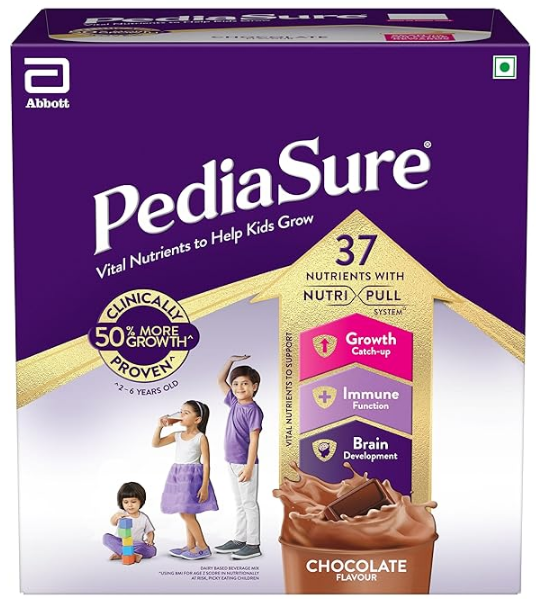
Pediasure for kids’ – Complete Nutritional Support for Growing Kids

Why Parents Trust Pediasure for Their Child’s Growth

Every parent wants to see their child grow healthy, active, and confident. However, picky eating habits, busy schedules, and nutritional gaps often make it challenging to meet a child’s daily nutrient needs through regular meals alone. This is where Pediasure has emerged as one of the most trusted nutritional supplements for children. Recommended by pediatricians worldwide, Pediasure is designed to support growth, immunity, and overall development in kids aged 2 to 10 years.

In this detailed review, we will explore what Pediasure is, its key ingredients, benefits, taste, safety, and whether it is truly worth adding to your child’s daily routine.

What Is Pediasure?

Pediasure is a clinically proven nutritional drink developed by Abbott to support children’s growth and development. It is especially beneficial for kids who are fussy eaters, underweight, or have poor appetite. Pediasure is not a medicine but a balanced nutritional supplement that provides essential proteins, vitamins, minerals, and healthy fats required for growing bodies.

Available in both powder and ready-to-drink liquid forms, it comes in kid-friendly flavors like vanilla, chocolate, strawberry, and more, making it easier for parents to include it in daily diets.

Also Read: 5 Best Health Drinks for Kids: Nourishing Growing Bodies the Right Way

Key Nutritional Ingredients.

1. High-Quality Protein Blend

Pediasure contains a blend of milk, soy, and whey proteins, which are essential for muscle growth, tissue repair, and overall physical development. Protein plays a vital role in helping children gain healthy weight.

2. Essential Vitamins and Minerals

Pediasure is enriched with 37 vital nutrients, including vitamins A, C, D, E, K, B-complex, calcium, iron, zinc, and magnesium. These nutrients support bone strength, brain development, blood formation, and immunity.

3. Healthy Fats and DHA

The presence of healthy fats and DHA (Docosahexaenoic Acid) helps support brain development, memory, and learning ability—especially important during early childhood years.

4. Prebiotics and Probiotics

Pediasure contains prebiotics that promote healthy gut bacteria, aiding digestion and improving nutrient absorption. A healthy gut also contributes to better immunity.

Health Benefit

Supports Healthy Weight Gain

One of the biggest advantages of Pediasure is its ability to help children achieve healthy weight gain. It provides calorie-dense nutrition without compromising quality, making it ideal for underweight kids.

Boosts Immunity

With vitamins C, E, zinc, and selenium, Pediasure helps strengthen the immune system, reducing the frequency of common illnesses like colds and infections.

Enhances Height and Bone Growth

Calcium, vitamin D, and phosphorus support strong bones and teeth, contributing to proper height growth during crucial years.

Improves Energy and Stamina

Children who often feel tired or lack energy may benefit from Pediasure’s balanced carbohydrate and fat content, which provides sustained energy throughout the day.

Helps Picky Eaters

For children who refuse vegetables, fruits, or protein-rich foods, this health drink acts as a nutritional safety net, ensuring they still receive essential nutrients.

Taste and Acceptability: Kid-Approved Flavors

One of the reasons this product is so popular among parents is its pleasant taste. Unlike many health drinks that kids resist, Pediasure’s smooth texture and sweet flavors are generally well accepted by children. It can be mixed with milk or water and even added to smoothies, shakes, or healthy desserts for variety. is easy to prepare. Simply mix the recommended number of scoops with warm or cold water or milk, as per the instructions on the pack. It can be given 1–2 times a day, preferably between meals or as advised by a pediatrician.

It is important to remember that Pediasure is a supplement, not a meal replacement. A balanced diet with fruits, vegetables, grains, and home-cooked meals should always remain the foundation of a child’s nutrition.

Safety and Quality Assurance

This health drink is developed using scientifically tested formulas and undergoes strict quality checks. It is free from trans fats and artificial preservatives, making it safe for regular consumption when used as directed. However, children with milk allergies or lactose intolerance should consult a doctor before use.

Pros and Cons of Pediasure

Pros

  • Clinically proven to support growth
  • Rich in essential nutrients
  • Improves immunity and digestion
  • Easy to prepare and tasty
  • Trusted brand with pediatric backing

Cons

  • Slightly expensive compared to regular health drinks
  • Contains added sugar (though within safe limits)
  • Needs consistency for visible results

If you are a parent worried about your child’s nutrition, growth, or eating habits, Pediasure is a reliable and effective option. It bridges nutritional gaps and supports overall development without compromising taste or safety. While it should not replace healthy home food, it works excellently as a supportive supplement.

With consistent use and a balanced diet, Pediasure can help children grow stronger, healthier, and more energetic—giving parents peace of mind and kids the nutrition they need to thrive.

Disclaimer: Always consult a pediatrician before starting any nutritional supplement, especially if your child has specific medical conditions or dietary restrictions.

Online Platform for Social Awareness

Exit mobile version