A Parent’s Practical Guide to Discipline a Toddler with Love and Consistency.
To discipline a toddler can feel like navigating a storm with a tiny, determined captain at the helm. One minute, they are hugging you tightly, and the next, they are throwing themselves on the floor because their cup is the “wrong” color. If you’re raising a toddler, you already know that big emotions come in very small bodies.
But here’s the reassuring truth: toddler behavior is not about being “bad.” It’s about learning. Discipline at this stage is not about punishment—it’s about teaching. It’s about helping your child understand boundaries, develop self-control, and feel secure in a world that is still new and overwhelming.
Let’s explore how to discipline a toddler in a way that builds trust, respect, and lifelong emotional strength.
Table of Contents
Understand What “Discipline” Really Means
The word discipline comes from the Latin word disciplina, meaning “to teach.” Toddlers (typically ages 1–3) are in a phase of rapid brain development. They are learning language, independence, social rules, and emotional control—all at once.
At this age, toddlers:
- Have limited impulse control
- Struggle to express feelings in words
- Crave independence
- Test limits to understand boundaries
When a toddler hits, bites, throws, or screams, it’s usually not defiance—it’s communication.
1. Set Clear and Simple Rules
Toddlers thrive on clarity. Long explanations won’t work because their attention span is short. Instead:
- Use short, clear phrases: “No hitting.” “Feet on the floor.”
- Be consistent every time the behavior occurs.
- Focus on safety and respect first.
Avoid constantly saying “no.” Instead, reframe when possible. For example:
- Instead of “Don’t run!” say, “Walk inside.”
- Instead of “Stop shouting!” say, “Use a quiet voice.”
Positive language tells them what to do, not just what not to do.
2. Stay Calm—Even When It’s Hard
Your toddler’s nervous system is still developing. They borrow your calm. If you yell, they escalate. If you remain steady, they eventually settle.
When a tantrum happens:
- Take a slow breath.
- Lower your voice instead of raising it.
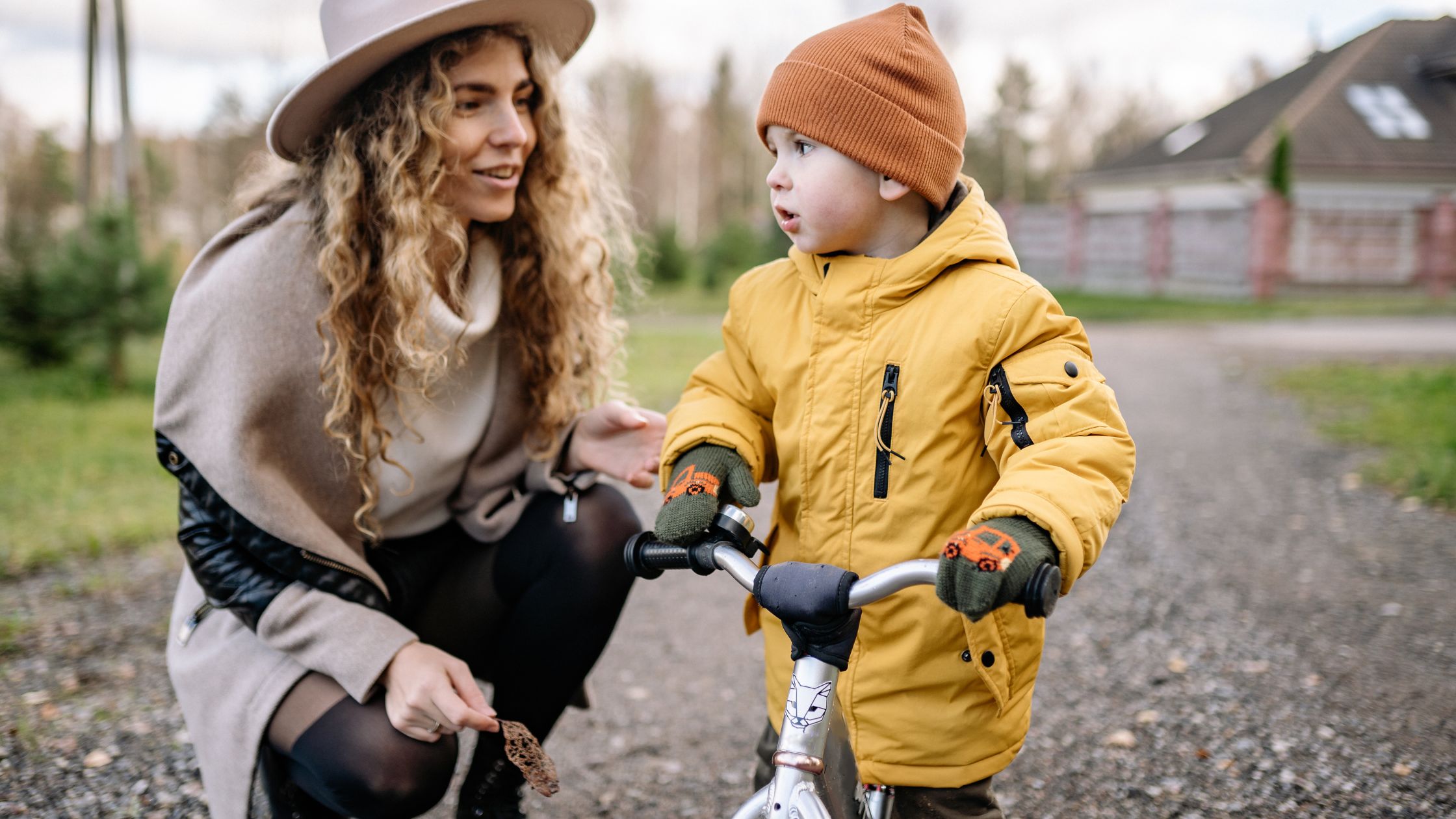
- Get down to their eye level.
You might say:
“I see you’re upset. It’s okay to be angry. It’s not okay to throw toys.”
This teaches emotional validation and boundaries at the same time.
3. Use Natural and Logical Consequences
Toddlers learn best when consequences connect directly to the behavior.
Natural consequences happen on their own:
If they refuse a coat, they feel cold.
Logical consequences are guided by you:
If they throw a toy, the toy is put away for a while.
Keep consequences:
- Immediate
- Short
- Related to the action
Avoid long lectures or delayed punishments. Toddlers live in the present moment.
4. Create Predictable Routines
Consistency reduces power struggles. When toddlers know what to expect, they feel secure.
Create routines for:
- Mealtimes
- Bedtime
- Playtime
- Clean-up
Use visual cues or simple songs for transitions. For example:
“It’s clean-up time!” followed by a tidy-up song.
When routines are predictable, resistance often decreases.
5. Offer Limited Choices
Toddlers crave independence. Giving small choices prevents battles while keeping you in control.
Instead of:
“Put your shoes on.”
Try:
“Do you want the red shoes or the blue shoes?”
Instead of:
“Time to brush your teeth.”
Try:
“Do you want to brush first, or should I help you?”
This strategy reduces power struggles while supporting autonomy.
6. Handle Tantrums with Patience
Tantrums are normal. They are a sign that your toddler’s emotional system is overloaded.
During a tantrum:
- Ensure safety first.
- Avoid arguing or reasoning in the heat of the moment.
- Stay nearby so they feel secure.
After they calm down, briefly discuss what happened:
“You were mad because playtime ended. Next time, we can say ‘more please’ instead of screaming.”
This reinforces learning after the emotional storm passes.
7. Avoid Physical Punishment
Research consistently shows that physical punishment increases aggression and fear rather than teaching self-control. Toddlers respond better to connection than correction.
Instead of spanking or shouting:
- Redirect attention.
- Remove the child from the situation calmly.
- Model the behavior you want to see.
Children learn far more from what you do than what you say.
8. Reinforce Positive Behavior
Catch your toddler being good. Praise specific behaviors:
- “You shared your toy. That was kind.”
- “You put your cup on the table. Thank you.”
Specific praise builds self-esteem and encourages repetition of good behavior.
Avoid overpraising simple tasks, but consistently acknowledge effort and kindness.
9. Teach Emotional Vocabulary
Toddlers misbehave less when they can name their feelings. Teach words like:
- Happy
- Sad
- Angry
- Tired
- Frustrated
You can say:
“You look frustrated. The block tower fell.”
When children feel understood, they calm down faster.
Also Read: 6 Surprising Secrets to Raising A Well-Behaved Kid
10. Be Consistent Between Caregivers
If one parent says “no” and another says “yes,” toddlers become confused—and will test boundaries more.
Discuss discipline strategies with:
- Your spouse
- Grandparents
- Babysitters
Agree on basic rules and consequences so your toddler receives consistent messages.
11. Pick Your Battles
Not every behavior requires correction. Ask yourself:
- Is it dangerous?
- Is it disrespectful?
- Is it developmentally normal?
Sometimes messy play, loud excitement, or stubbornness is simply part of growing up. Save your strongest boundaries for important issues like safety and kindness.
12. Model the Behavior You Want
Toddlers imitate constantly. If you shout when angry, they will shout. If you speak calmly, they learn calmness.
Demonstrate:
- Saying “sorry”
- Using polite words
- Managing frustration
For example:
“I’m feeling frustrated. I’m going to take a deep breath.”
When they see you regulate emotions, they begin to learn how.
13. Practice Gentle Time-Out Alternatives
Traditional time-outs can feel isolating for toddlers who crave connection. Instead, try a “time-in.”
A time-in means:
- Sitting together in a quiet space
- Holding or comforting them
- Helping them calm down
This strengthens attachment while still reinforcing boundaries.
Remember: Progress Takes Time
How to discipline a toddler is not about immediate obedience. It’s about long-term character development. Toddlers will repeat behaviors many times before learning.
Expect:
- Repetition
- Testing
- Emotional outbursts
What matters most is your steady guidance. Over time, consistency builds understanding.
Final Thoughts: Discipline A Toddler with Heart
Disciplining a toddler is a journey that requires patience, flexibility, and a great deal of self-awareness. There will be days when your child seems to forget every rule you’ve taught, and moments when you may feel exhausted repeating the same guidance. That’s part of the process. Toddlers learn through repetition, experience, and most importantly, connection. Every calm response you give, every boundary you gently reinforce, and every hug after a meltdown is shaping their understanding of the world.
Remember, discipline is not about winning power struggles—it’s about teaching life skills. You are helping your toddler learn self-control, empathy, and problem-solving step by step. Progress may feel slow, but small improvements add up over time. Trust the consistency of your efforts. When discipline is rooted in love, respect, and clear guidance, you’re not just managing behavior—you’re building a foundation of security and trust that will support your child for years to come.
Stay calm. Stay consistent. Stay loving.
Also Read: How to Discipline a Toddler