All posts by Sumita Sen

12 Fun Mental Health Activities For Kids: Simple Ways to Boost Their Emotional Well-Being

Fun Mental Health Activities for Kids

Children may look carefree, but they experience stress, big emotions, and overwhelm just like adults. The good news? Kids don’t need complicated therapies to support their mental well-being—often, simple, Mental Health Activities for Kids can make a big difference.

These activities help kids express themselves, build coping skills, and learn how to navigate their emotions in healthy ways. Painting, writing short poems are good Mental Health activities for Kids.

Here are fun, effective, and parent-approved Mental Health Activities for Kids that you can easily include in your child’s daily routine.

1. Creative Art Time: Let Feelings Flow Through Colors

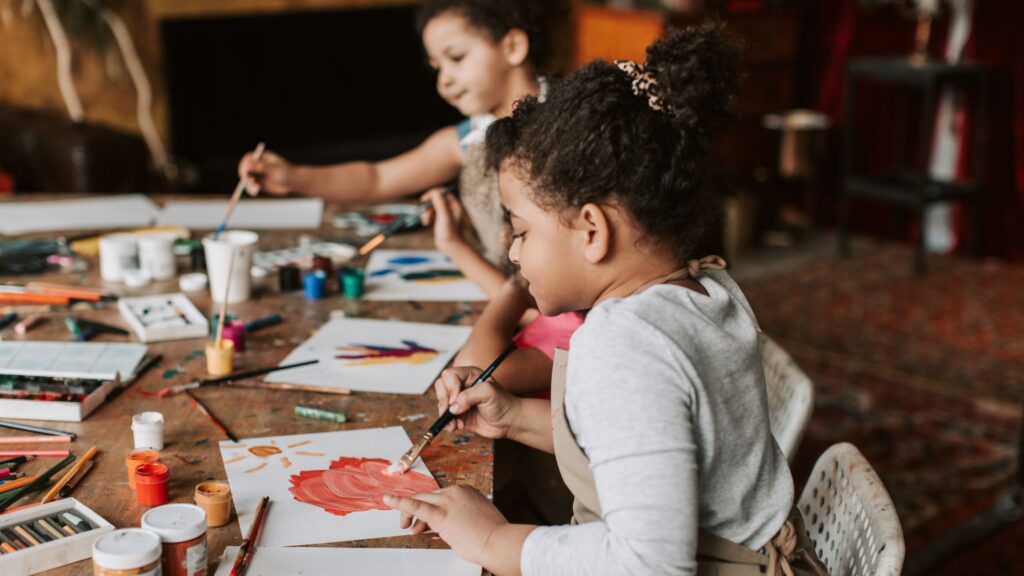
Kids may not always have the words to explain how they feel, but art gives them a safe space to express themselves. Drawing, coloring, or painting releases emotional tension and helps kids feel calmer. So creative arts are Mental Health activities for kids to Boost Their Emotional Well-Being

Why it works:
Art activates the imagination and distracts the mind from worries. It’s also a gentle way for kids to show their emotions when talking feels hard.

Try this activity:
Give your child crayons and ask them to “draw their day” or “draw how their heart feels.” There are no rules—just creativity and expression.

Breathing exercises are powerful for calming the mind, and when turned into a game, kids actually enjoy them.

Why it works:
Deep breathing reduces stress, helps regulate emotions, and teaches kids the first step of mindfulness.

Fun breathing ideas:

  • Bubble Breaths: Pretend to blow slow, big bubbles.
  • Flower and Candle: Smell the flower (inhale), blow the candle (exhale).
  • Shape Breathing: Trace a square or star in the air while breathing in and out.

A few minutes of mindful breathing can shift a child from overwhelmed to relaxed.

3. Gratitude Scavenger Hunt

Gratitude is linked to stronger emotional resilience. Teaching kids to find joy in simple things trains their mind to focus on positives.

How it works:
Send kids on a “gratitude hunt” around the house to find:

  • Something they love
  • Something that makes them smile
  • Something that makes them feel safe
  • Something they enjoy doing

Let them share what they found and why it makes them feel good.

4. Movement Breaks to Release Big Energy

Physical activity is not just good for the body—it helps kids release tension and improve mood.

Fun movement ideas:

  • 2-minute dance party
  • Animal walks (crab, frog, bear)
  • Mini yoga poses
  • Jumping jacks competition
  • Freeze dance

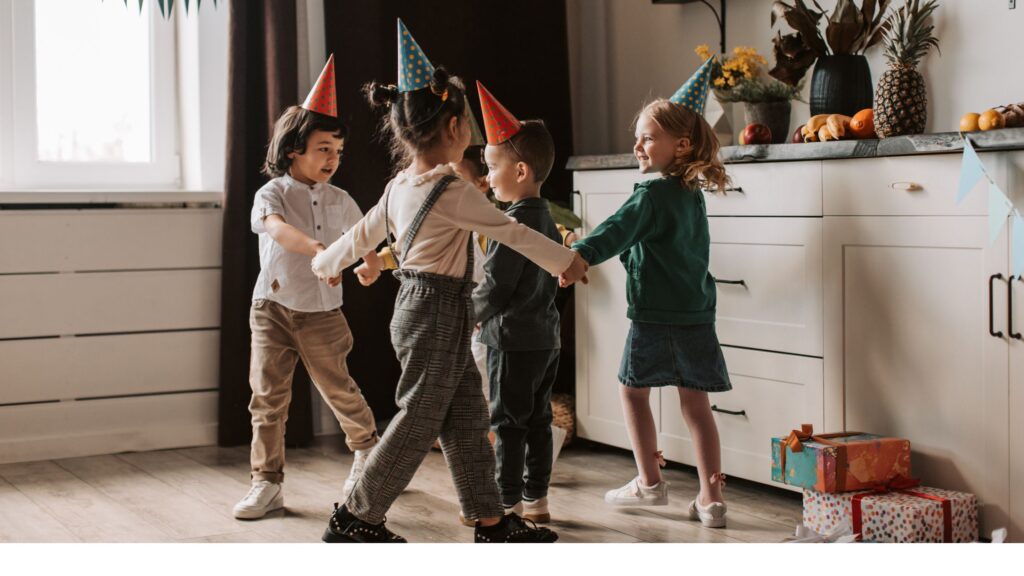
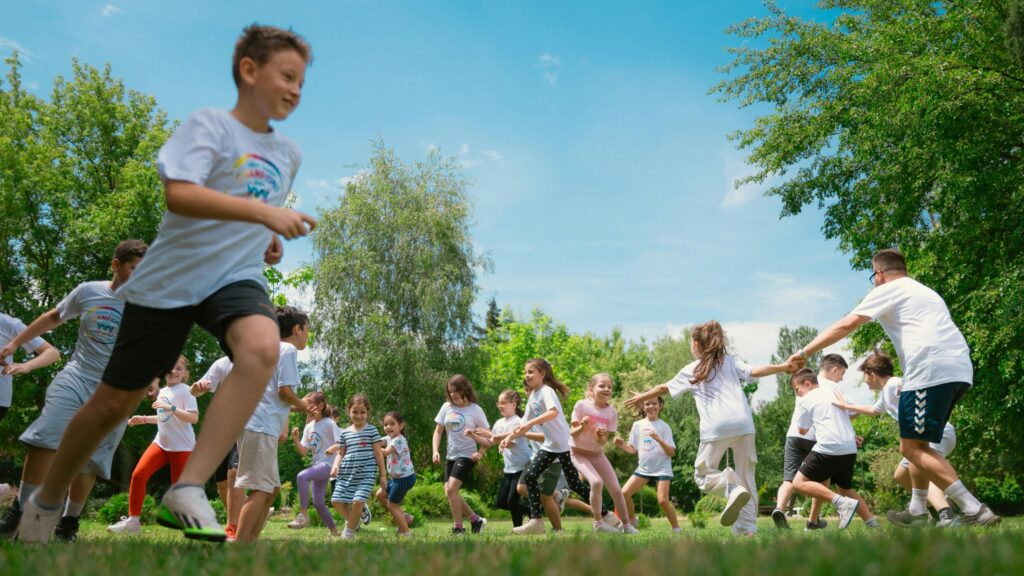
Even 10 minutes of movement can reduce stress and boost happiness. Dance, yoga, jumping jacks all those are Mental Health Activities For Kids.

5. Storytelling for Emotional Learning

Kids love stories. When stories include emotions, challenges, and solutions, children learn social and emotional skills without even realizing it.

Activity idea:
Tell a simple story about a character who feels frustrated, lonely, excited, or scared. Let your child guess the emotion, then ask:

  • “What do you think the character should do?”
  • “Has this happened to you before?”

This builds empathy, problem-solving, and emotional intelligence. Storytelling is another Mental Health Activities For Kids.

Also Read: How to Raise Emotionally Smart Kids.

6. Emotion Cards & Feelings Games

Understanding emotions is an important life skill. Simple games help kids learn to identify and express their feelings in a healthy way. Simple games are Mental Health Activities for Kids.

Try these:

  • Feelings Charades: Act out emotions like “proud,” “bored,” or “curious.”
  • Emotion Matching: Match different face cards to the correct emotion word.
  • How Do I Feel Today?: Let your child pick a card that matches their mood each morning.

These activities help kids develop emotional awareness, which improves behavior and communication.

7. Nature Time: A Natural Stress Reliever

Being outdoors instantly lifts mood and reduces stress in children. Nature has a calming effect and encourages curiosity and creativity. Spend time in a natural atmosphere is a good Mental Health Activities for Kids

Fun nature activities:

  • Collect leaves and make a nature collage
  • Cloud-watching and describing shapes
  • Walking barefoot on grass
  • Listening to birds or wind

Even 15 minutes outside can significantly improve a child’s mental well-being.

8. Journaling for Kids (Even If They Can’t Write Yet)

Journaling helps organize thoughts and reflect on emotions. Kids can journal too—just with simpler formats. Journaling also a best Mental Health Activities for Kids

Options:

  • Draw-a-feeling journal
  • “Best part of my day” journal
  • Sticker mood journal
  • Gratitude journal

This practice helps kids process daily experiences and build a positive mindset.

Also Read: Raising Mentally Strong Kids: Key Strategies

9. Role-Play Games to Practice Coping Skills

Children learn best through play. Role-play gives them a safe space to rehearse emotional or social situations.

Try acting out:

  • How to handle a disagreement
  • What to do when feeling sad
  • Asking for help
  • Trying again after a mistake

These playful scenes teach problem-solving and build confidence.

10. Sensory Play for Relaxation

Sensory activities calm the nervous system and help kids regulate emotions.

Examples:

  • Playdough
  • Kinetic sand
  • Water play
  • Rice bins
  • Slime
  • Fidget toys

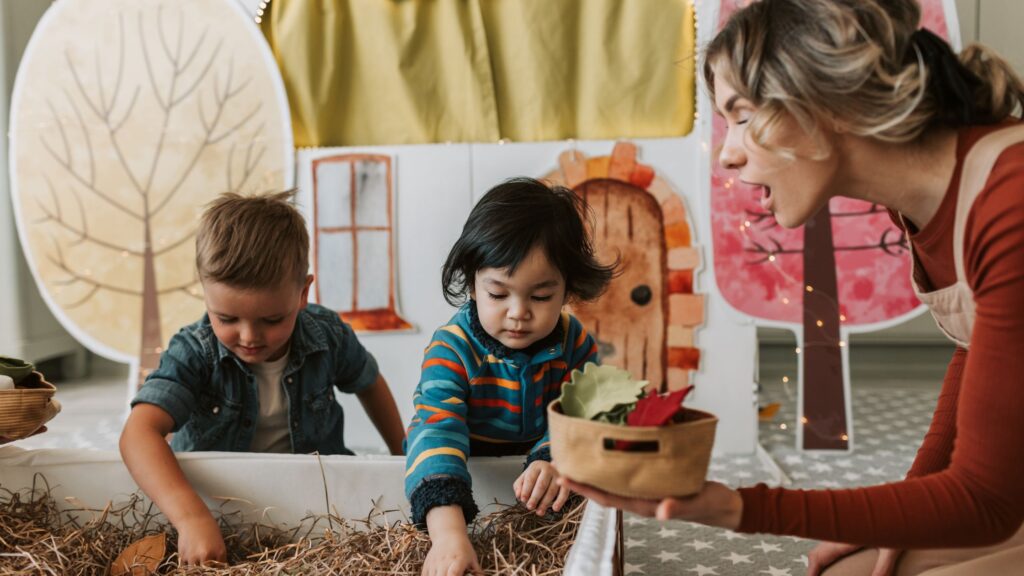
Sensory play is especially helpful for kids who feel anxious, overwhelmed, or overstimulated. playdough, kinetic sand, rice bins those are Mental Health Activities for Kids

11. Music & Rhythm Activities

Music is therapeutic. It lifts mood, improves focus, and encourages self-expression.

Ideas:

  • Make a “calm-down playlist”
  • Use pots and spoons to create beats
  • Sing together
  • Try simple drumming patterns

Music brings joy and strengthens emotional expression. Music & rhythms are powerful Mental Health Activities for Kids

12. Building Routines for Emotional Safety

Kids feel mentally stronger when they know what to expect. Routines create security, reduce stress, and improve behavior.

You can create simple routines for:

  • Morning start
  • Homework time
  • Bedtime
  • Transition moments

Even a short, predictable schedule boosts a child’s sense of stability.

Final Thought

Supporting children’s mental health doesn’t always require big plans or complicated strategies—sometimes, the simplest activities create the strongest impact. These 12 fun mental health activities remind us that play, creativity, and connection are powerful tools for emotional well-being. When kids have safe spaces to express feelings, explore their imaginations, and build confidence, they grow into happier, more resilient individuals.

As parents and caregivers, our role is not to perfect every moment but to be present, patient, and encouraging. By weaving these activities into daily routines—whether through mindful breathing, outdoor adventures, journaling, or shared laughter—we help children develop lifelong coping skills. Mental wellness is a journey, and every small, joyful activity becomes a stepping stone.

In the end, nurturing a child’s emotional world is one of the greatest gifts we can offer. Little efforts today can create a future filled with strength, balance, and confidence.

Also Read: How To Foster a Growth Mindset in Children

8 Best Home Remedies for Sick Kids

Home Remedies For Sick Kids That Actually Work.

Sick season can feel like it takes over your whole home—runny noses, sore throats, lingering coughs, and low energy. While medical care is always necessary for serious symptoms, many families look for simple, natural ways to relieve discomfort and support healing. Thankfully, several home remedies have been used for generations and are backed by both tradition and science. These remedies don’t replace a doctor’s advice, but they can definitely help ease symptoms and promote faster recovery.

Here are eight home remedies that truly work during sick season and can bring comfort to kids and adults alike.

1. Warm Honey Water for Cough Relief

Honey is one of the most effective natural cough soothers. It is the Best Home remedy for Sick Kids to coat the throat, reduce irritation, and may even help suppress nighttime coughing, which means better sleep and quicker recovery.

How to use it:
Mix 1–2 teaspoons of pure honey in a cup of warm water. You can add lemon for vitamin C and extra soothing.

Important: Do NOT give honey to children under 1 year due to the risk of botulism.

Why it works:
Honey has antimicrobial and antioxidant properties.It is a Best Home Remedies for Sick Kids. Studies show it works as well as, or even better than, some over-the-counter cough syrups in reducing cough frequency and severity.

2. Steam Inhalation for Stuffy Nose

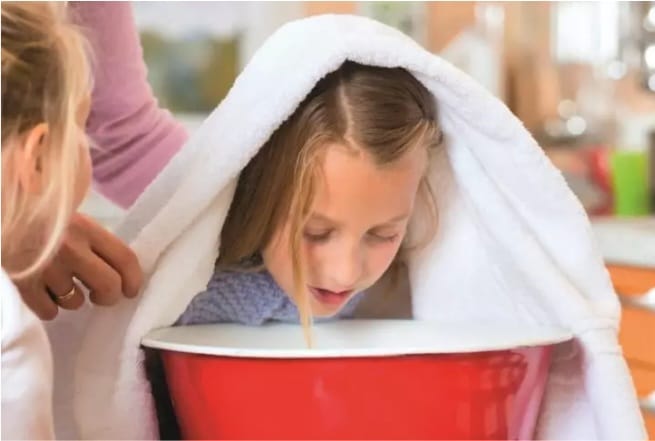
A blocked nose is often the most frustrating symptom during sick season. Steam inhalation is one of most popular home remedies for Sick Kids to loosen the mucus, reduce inflammation in the airways, and provide quick relief.

How to do it:
Boil water, pour it into a bowl, and breathe in the steam while covering your head with a towel. For children, simply sitting in a steamy bathroom during a hot shower is safer and effective.

Why it works:
Warm, moist air loosens mucus and helps it drain naturally, making breathing easier.

3. Saltwater Gargle for Sore Throat

This classic Home remedy for Sick Kids still works wonders for soothing sore throats. Gargling with saltwater reduces swelling, loosens mucus, and washes away bacteria and irritants.

How to prepare:
Mix ½ teaspoon of salt in a cup of warm water and gargle for 20–30 seconds. Repeat 2–3 times a day.

Why it works:
Saltwater helps draw out moisture from inflamed tissues, which reduces pain and swelling. ISaltwater works as a Home remedy for Sick Kids.

4. Ginger Tea for Nausea and Digestion Issues

Ginger is well-known for its ability to calm nausea, stomach upset, and indigestion. This makes it especially helpful during viral infections that come with stomach-related symptoms. So it is another Best Home Remedies for Sick Kids.

How to prepare:
Boil a few slices of fresh ginger in water for 10 minutes. Add honey or lemon if desired.

Why it works:
Ginger contains compounds like gingerol and shogaol that soothe the digestive tract, reduce inflammation, and help relax stomach muscles. Ginger is a natural Home Remedies for Sick Kids.

5. Turmeric Milk for Immunity and Inflammation

Turmeric, a staple in Indian kitchens, is a powerful natural anti-inflammatory and immunity booster. When combined with warm milk, it becomes a comforting home remedy for Sick Kids to relieve from coughs, colds, and mild fevers.

How to prepare:
Heat a cup of milk, add ¼ teaspoon of turmeric, and simmer for a minute. You can add a pinch of black pepper to increase absorption.

Why it works:
Turmeric contains curcumin, which has antibacterial and antiviral properties. It helps reduce throat irritation, body aches, and inflammation. Turmeric milk is one of best Home Remedies for Sick Kids.

Also Read:5 Best Nutritious Food: Make Kids Immune System Stronger

6. Warm Compress for Sinus Pressure and Body Pain

When sinus infection or cold symptoms cause pressure and pain around the nose, forehead, or eyes, a warm compress can provide immediate relief. It also works well for muscle pain during fever, which is the Best Home Remedies for Sick Kids

How to use:
Soak a cloth in warm water, wring it out, and place it over the affected area for 10–15 minutes. Repeat several times a day.

Why it works:
Heat improves blood circulation, relaxes muscles, and reduces sinus pressure. It helps the body drain mucus more easily, easing discomfort. Warm compress also a Home Remedies for Sick Kidsa home

7. Hydration with Electrolyte-Rich Drinks

During sick season, dehydration can happen quickly—especially with fever, vomiting, or reduced appetite. Drinking enough fluids helps flush toxins, loosen mucus, and keep energy levels stable.

What to drink:

  • Warm water
  • Coconut water
  • Homemade soups or broths
  • ORS (oral rehydration solution) if dehydration is suspected
  • Herbal teas

Why it works:
Hydration supports every function of the immune system and helps the body recover faster. Coconut water,homemade soup orbroths are best Home Remedies for Sick Kids.

8. Onion or Garlic Remedies for Cold Relief

Onion and garlic are powerful natural antimicrobials used for centuries in many cultures to support respiratory health. So both are Best Home Remedies for Sick Kids.

How to use onion:
Place a cut onion in the room—some families find it helps reduce congestion. Another method is making onion tea by boiling onion slices with honey.

How to use garlic:
Crush 1–2 garlic cloves and mix with warm water, honey, or soup. You can also add garlic to your meals.

Why it works:
Both onion and garlic contain compounds like allicin that fight bacteria and viruses. They may help reduce symptoms of cold, cough, and congestion. So it is an important Home Remedies for Sick Kids.

Additional Tips to Stay Healthy During Sick Season

Along with home remedies, a few healthy habits can strengthen your family’s immune system:

1. Prioritize Sleep

Lack of sleep weakens immunity. Children and adults recover faster when well rested.

2. Keep Hands Clean

Handwashing remains one of the most effective ways to stop the spread of viruses.

3. Eat Warm, Nutritious Foods

Soups, dals, cooked vegetables, fruits, nuts, and whole grains keep the body nourished during illness.

4. Avoid Overusing Medicines

Many over-the-counter cold medications are not recommended for young children. Stick to natural remedies unless your doctor advises otherwise.

5. Know When to See a Doctor

Seek medical help if symptoms worsen, breathing becomes difficult, fever persists for more than 2–3 days, or your child shows unusual behavior or dehydration.

Also Read:The Parents Guide to Staying Well During Sick Season

6 Surprising Secrets to Raising A Well-Behaved Kid

Secrets To Raising A Well-Behaved Kids

Every parent dreams of raising a well-behaved, respectful, and kind child. We all want kids who listen, follow rules, show good manners, and treat others with empathy.

But while most parents focus on discipline, strict rules, or constant reminders, there is a surprising secret that has a much bigger impact on a child’s behavior — strong emotional connection.

Yes, the real foundation of a well-behaved child is not fear, punishment, or strictness. It is the deep bond between parent and child. When a child feels emotionally connected, valued, and understood, they naturally become more cooperative, respectful, and responsible.

Let’s explore how emotional connection shapes behavior and how parents can build it every day.

Why Emotional Connection Changes Everything

Children misbehave for many reasons — frustration, stress, boredom, hunger, or lack of attention. When they feel disconnected, they don’t know how to express their emotions properly, so the behavior comes out negatively — hitting, shouting, refusing instructions, or crying.

But when they feel loved, seen, and heard, something magical happens. It helps to Raising A Well-Behaved Kid.

  • They develop self-control.
  • They learn to manage emotions better.
  • They want to cooperate instead of resist.
  • They feel motivated to follow family values and rules.

A connected child behaves well because they care about the relationship, not because they fear consequences. To Raising A Well-Behaved Kid, connect with your child heartily.

How to Build a Strong Emotional Connection

Here are simple and practical ways to strengthen your bond and raise a well-behaved child naturally.

1. Give 10 Minutes of Undivided Attention Every Day

Just 10 minutes of full attention can Raising A Well-Behaved Kid

No phones, no chores — just being present.

You can:

  • Read a story together
  • Talk about their day
  • Play a favorite game
  • Cuddle and laugh

When children feel valued, they no longer fight for attention through tantrums or misbehavior.

2. Listen More Than You Lecture

Kids want to be heard, not corrected every minute. When children feel understood, they calm down faster — and become a A Well-Behaved Kid

3. Use Warm Guidance Instead of Harsh Discipline

Discipline is still important. But it should teach, not scare.

Replace punishments with:

  • Clear expectations
  • Consistent routines
  • Calm reminders
  • Logical consequences

For example:

“You can play again after your toys are picked up.”

Gentle discipline keeps connection strong while teaching responsibility. It also helps to Raising A Well-Behaved Kid.

4. Say Yes to Their Feelings Even When You Say No to Their Actions

A child’s feelings are valid — even when their behavior is not.

Instead of:

“You’re not allowed to be angry!”

Try:

“It’s okay to feel angry, but hitting is not okay.”

Separating emotions from actions teaches kids emotional control without damaging connection.

5. Catch Them Doing Good

Children repeat behavior that gets attention.

So notice the positive, not only the negative.

Say things like:

  • “I saw you shared your toys — that was kind.”
  • “You worked so hard on your homework!”
  • “Thank you for listening the first time.”

Appreciation motivates good behavior more than criticism ever will. To Raising A Well-Behaved Kid appreciate them.

6. Stay Calm — Kids Copy What They See

Children learn how to handle emotions by watching parents.

If you shout, they shout.
If you stay calm, they learn calmness.

Whenever the situation gets heated, take a breath before responding. This teaches children self-contrl and raising A Well-Behaved Kid.

Why Connection Works Better Than Control

Many parents believe strictness equals good behavior. But strictness only works temporarily — and often causes rebellion later. To Raising A Well-Behaved Kid don’t behave with your kids strictly.

Emotional connection works long-term because:

  • Children respect parents they feel safe with.
  • They want to behave, not because they’re scared, but because they feel loved.
  • It builds confidence, self-discipline, and empathy.

A connected child doesn’t need constant reminders or fear-based discipline. They develop moral values naturally because they have been treated with kindness and respect. so Raising A Well-Behaved Kid don’t treat your kid with fear-based discipline.

Behavior Is Communication

Instead of seeing misbehavior as “bad,” see it as a message.

Often behavior means:

  • “I’m tired.”
  • “I’m confused.”
  • “I need help.”
  • “I feel ignored.”
  • “I don’t know how to express my feelings.”

When parents identify the root cause instead of reacting harshly, the problem gets solved faster and with much less stress. If you want to Raising A Well-Behaved Kid don’t react harshly.

Also Read:Improve Communication Skills in Children: 9 Simple and Effective Ways

Connection Doesn’t Mean Spoiling

Some parents worry that gentle parenting means permissiveness. But emotional connection doesn’t mean:

  • Giving every wish
  • Avoiding rules
  • Being overprotective

Connection means:

  • Warmth + boundaries
  • Love + guidance
  • Understanding + expectations

When love and limits are balanced, behavior improves naturally and your child become A Well-Behaved Kid

Small Daily Habits That Build a Well-Behaved Child

Incorporate these into your routine:

Daily HabitWhy It Helps
Morning hug and smileSets a positive tone
Family meals togetherStrengthens communication
Reading before bedBuilds closeness and routine
Letting kids help in choresBuilds responsibility and pride
Saying “I’m proud of you” even on small daysBoosts confidence and good behavior

These tiny moments create a secure emotional environment that Raising A Well-Behaved Kid in future.

Also Read:10 Best Tips of Building Healthy Habits for Kids

The Long-Term Benefits

Children raised with emotional connection grow into:

  • Teens who communicate instead of argue
  • Adults who are empathetic and emotionally strong
  • Individuals who understand responsibility and respect

Your relationship becomes their emotional foundation for the future — friendships, marriage, self-esteem, coping skills, and success.

Final Thought

The surprising secret to raising a well-behaved kid isn’t more rules, punishments, or warnings. It is connection — the love a child feels through time, attention, empathy, and understanding.

Kids don’t behave well because they fear us.
They behave well because they trust us.

So hug a little longer, listen a little deeper, laugh a little louder, and spend time a little more intentionally.
A well-behaved child grows first from a deeply loved child.

Also Read:10 Ways To Discipline Your Toddler Without Saying ‘No’

10 Steps How to Stop Your Kid from Hitting Others

Stop Your Kid from Hitting Others

Every parent wants their child to grow up kind, caring, and emotionally strong. But sometimes children behave in ways that leave parents confused and embarrassed—like hitting others.

Whether it happens during playtime, arguments, or sudden bursts of frustration, hitting is a common behavior among young kids, especially toddlers and preschoolers.

The good news is that hitting is not a sign of bad parenting or a “bad child.” It means your child is still learning how to express big emotions properly.

With patience, gentle guidance, and consistent teaching, you can help your child learn to stop hitting others.

Why Do Kids Hit? Understanding the Root Cause

Before correcting the behavior, it’s important to understand why hitting happens. Children don’t usually hit because they want to be mean; they hit because they don’t yet have the skills to manage their emotions. So to Stop Your Kid from Hitting Others follow the rules below.

  • Frustration or anger: A child might hit when something doesn’t go their way—like losing a toy or waiting for a turn.
  • Communication difficulties: Kids who are still developing language skills may hit because they cannot express what they need or feel.
  • Impulse control: Young children act quickly on emotions before thinking about consequences.
  • Seeking attention: Sometimes hitting is a way to get noticed—even if the reaction is negative.
  • Overstimulation or tiredness: When kids are hungry, sleepy, or overwhelmed, self-control becomes harder.

Recognizing the trigger helps you respond calmly rather than emotionally, which teaches your child healthy communication an Stop Your Kid from Hitting Others.

Also read:Improve Communication Skills in Children: 9 Simple and Effective Ways

Stay Calm—Your Reaction Matters

When a child hits, adults often feel shocked or angry. But reacting with yelling or punishment can make the situation worse. Children learn more from what they see than what they hear. If we teach them to stop aggression by using aggression—shouting, spanking, or blaming—they may begin to believe that hitting is an acceptable way to show anger. So feel their emotion deeply to Stop Your Kid from Hitting Others

Instead, take a deep breath, stay calm, and speak in a firm but gentle tone. A calm adult presence helps the child feel safe and teaches emotional control to Stop Your Kid from Hitting Others

Set Clear Rules and Boundaries. ‘ Children need to know what behavior is acceptable and what is not. After an incident, firmly but kindly say something like.

  • “Hitting hurts. We don’t hit people.”
  • “You can feel angry, but you cannot hit.”

Do not use long lectures; kids respond better to short and clear statements. Repeat the rule every time hitting occurs—consistency helps children learn faster.

Teach Safe Ways to Express Big Emotions

Stopping the behavior is not enough—kids also need new tools to express their feelings. You can teach emotional alternatives such as:

  • Saying “I’m mad” instead of hitting
  • Asking an adult for help
  • Walking away from a triggering situation
  • Using calming strategies like deep breathing

Some useful phrases kids can learn:

  • “Can I have my turn please?”
  • “Stop, I don’t like that.”
  • “I need space.”

Practice these phrases during calm moments so the child can use them when upset.

Redirect Physical Energy

Some children hit because they have high energy or big emotions trapped in their bodies. Giving them safe physical outlets helps release energy without hurting others. Try to Stop Your Kid from Hitting Others follow the rules below

  • Throwing soft balls into a basket
  • Pushing a pillow
  • Jumping on a trampoline or bed
  • Running races or outdoor play

Physical play is necessary for emotional health, and when children get enough exercise, then you can Stop Your Kid from Hitting Others naturally.

Use Time-In, Not Time-Out

Instead of sending your child away when they hit, try bringing them close. This is called a time-in. Hitting often happens when a child feels overwhelmed; at that moment, they need connection and guidance, not isolation.

Sit with your child and say:

  • “You’re having a hard time. I’m here to help you calm down.”

This builds trust and teaches emotional regulation more effectively than punishment.

Model the Behavior You Want to See

Kids learn from watching adults. If you solve conflicts calmly, they will eventually copy you. Show them how you handle frustration by saying things like

  • “I feel upset, so I’m taking a deep breath.”
  • “I need a moment to calm down.”

When kids see emotional strength instead of anger, they learn self-control from example and Stop Kid from Hitting Others

Praise Gentle and Positive Behavior

Children repeat behaviors that get attention. So, make sure you notice when your child chooses kindness its transform to Stop Your Kid from Hitting Others

  • “You waited so patiently for your turn—great job!”
  • “You were upset and used your words instead of hitting. I’m proud of you!”

Positive reinforcement increases cooperation and teaches kids that gentle actions feel good—and are recognized.

Create a Calm Environment and Routine

Kids feel safe when they know what to expect. Predictable routines, enough sleep, healthy food, and balanced schedules reduce emotional overload. Also, monitor exposure to violent cartoons or games— to Stop Your Kid from Hitting Others

A peaceful environment builds peaceful behavior.

Help Your Child Build Social Skills

Hitting often decreases when children learn how to interact with others. Encourage:

  • Sharing toys
  • Taking turns
  • Cooperative games
  • Group activities

If your child struggles socially, practice pretend play at home. For example, you can role-play taking turns with toys or solving arguments with words.

Be Patient—Change Takes Time

Learning not to hit doesn’t happen overnight. Children need repeated practice, reminders, and emotional support. Expect progress with occasional setbacks. Celebrate small improvements and keep guiding with love and consistency.

When to Seek Professional Help

In most cases, hitting is a normal developmental phase. But consider seeking a child psychologist or pediatrician if you can’t to Stop Your Kid from Hitting Others

  • Hitting continues for a long time despite guidance
  • There is severe aggression or self-harm
  • Your child hurts others intentionally or frequently
  • You feel overwhelmed or unsure how to handle the behavior

Support is a sign of strength, not failure.

Final Thoughts

Stopping a child from hitting is not about punishment—it is about teaching. Kids hit when they don’t yet have the skills to express emotions safely. As parents and caregivers, we can guide them with patience, empathy, and consistent boundaries. When children feel understood and supported, they slowly learn that gentleness, communication In that way you can Stop Your Kid from Hitting Others.

Also Read:How Do I Help My Mad Toddler Express Anger in a Healthier Way?

10 Best Tips of Building Healthy Habits for Kids

Best Way of Building Healthy Habits for Kids

Every parent dreams of raising happy, confident, and healthy children. One of the most meaningful ways to support this journey is by helping kids build healthy habits early in life. Positive habits become part of their routine and influence their physical, emotional, and social well-being. Whether it’s eating nutritious food, staying active, sleeping on time, or understanding emotions, the habits kids learn today shape the adults they become tomorrow. The good news is that children naturally learn patterns from their daily environment, so encourage them to build healthy habits.

1. Start With Small and Simple Habits

When teaching kids new habits, beginning with small steps makes the process manageable and comfortable. Instead of expecting a child to instantly switch to completely healthy meals or exercise daily for an hour, focus on one behaviour at a time. For example, encourage them to drink more water every day, keep their toys organized after play, or go to bed 10 minutes earlier. Small successes Building Healthy Habits for Kids

2.Be a Role Model

Kids learn most not from lectures, but from what they see. If parents and caregivers practise healthy habits themselves, children naturally follow. When they watch you choose fruits over junk food, enjoy outdoor activities, or keep the home tidy, they understand the importance of these habits and automatically Building Healthy Habits themselves. Instead of telling your child to read more, sit beside them and read your own book. Being a role model communicates the message more effectively than instructions alone, which can Building Healthy Habits for Kids.

3.Make Healthy Living Fun

Children find routines much easier when they are enjoyable. Healthy habits should not feel like punishment or boring tasks. Try turning them into games or playful challenges. For example:

  • Create a star chart for brushing teeth twice daily.
  • Plan a “rainbow plate” challenge where kids try fruits and vegetables of different colours.
  • Set up fun family walks, dance breaks, or outdoor sports activities.

When kids associate healthy habits with fun, they are more likely to adopt them naturally rather than resisting them. It is a best way of Building Healthy Habits for Kids.

4.Encourage Good Food Choices Without Pressure

Healthy eating is one of the most important aspects of a child’s development. Instead of forcing children to finish their food or banning all treats, focus on balance and moderation. Offer a variety of nutritious foods in attractive ways. Allow them to explore different tastes, textures, and colours. Involve them in grocery shopping and meal preparation to spark their interest. When children participate in cooking or choosing ingredients, they feel proud and become more curious about healthy food. By these steps of Building Healthy Habits for Kids

It is also important to avoid using food as a reward or punishment. Telling kids, “You’ll get ice cream only if you finish vegetables” creates negative emotions toward healthy food. Instead, talk about how foods help their body — like milk that strengthens bones or carrots that support eyesight. Kids respond well when they understand the benefits in a positive tone and are motivated to build healthy Habits for Kids

Also Read:9 Healthy Food Habits for Kids To Grow Mental Strength.

5.Promote Physical Activity Every Day

Movement is essential for children’s physical and mental development. In the digital age, screens often dominate leisure time, reducing opportunities for physical play. Encourage active habits by offering fun ways to stay physically active daily. Children don’t need structured workouts — running in the park, cycling, dancing, playing ball games, or jumping rope are all great options. So involve them in these options and Building Healthy Habits for Kids.

Parents should avoid focusing on body size or weight — the goal is to help children enjoy physical activity and feel good about their bodies. When movement becomes a normal and enjoyable part of life, it easily Building Healthy Habits for Kids

Also Read:Raising Mentally Strong Kids: Key Strategies

6.Create a Consistent Routine at Home

Children thrive in predictable environments. When daily routines are clear and consistent, kids understand expectations and feel more secure. Routines can include fixed times for waking up, meals, homework, play, screen use, and sleep. A stable routine reduces arguments, builds discipline, and makes it easier to build healthy habits for Kids without reminders.

A consistent bedtime routine is especially important. Dim lights, calming activities, and screen-free time before sleep help kids relax and sleep better. Good sleep improves learning, mood, attention, and immunity which also Building Healthy Habits for Kids

7.Build Emotional Health Too

Healthy habits are not only about food and exercise — emotional well-being is equally important. Encourage kids to express their feelings openly and teach them simple ways to handle stress. Help them identify emotions like happiness, anger, sadness, and pride. Listening to children without judgment builds Healthy Habits for Kids and boosts confidence.

Practices like gratitude, mindfulness, and kindness also play a big role. Try using short family gratitude moments, where everyone shares something they are thankful for each day. Reading stories that highlight empathy and compassion also helps to build healthyfor Kids.

Also Read:How to Raise Emotionally Smart Kids (Starting with the 4 Core Feelings)

8.Praise Effort, Not Perfection

Kids need encouragement, especially when building new habits. Celebrate their effort rather than expecting perfection. If they forget sometimes, avoid blaming or shaming. Instead of saying, “You never clean your room,” try, “I’m proud that you folded your clothes yesterday. Let’s try again today.” Appreciation motivates to Building Healthy Habits for Kids

9.Set Limits with Kindness

Healthy habits grow stronger when there are clear and respectful limits. This includes boundaries on screen time, sugary snacks, bedtime, and behaviour. Limits should be firm but kind — not strict or frightening. Explain the reasons behind rules in simple language.In that way you can Building Healthy Habits for Kids.

10.Patience and Consistency Are the Key

Building lifelong habits takes time. Kids learn through repetition, patience, and gentle reminders. Some days will be successful while others may not — and that is perfectly normal. Focus on progress rather than perfection and remember that every positive step counts.

Also Read:10 Ways To Discipline Your Toddler Without Saying ‘No’

5 Best Nutritious Food: Make Kids Immune System Stronger

Nutritious Food: Make Kids Immune System Stronger

Every parent wants their child to stay healthy, active, and energetic. While frequent colds and minor infections are a natural part of growing up, a strong immune system can help kids fight off illnesses faster and stay well for longer. So give them Nutritious Food: Make Kids’ Immune System Stronger.

The foundation of strong immunity begins with nutritious food—what children eat every day directly impacts how well their bodies defend against germs. By adding certain immunity-boosting foods to your child’s meals, you can naturally strengthen their defense system and support healthier growth. So give them Best Nutritious Food to Make Kids’ Immune System Stronger

Here are five powerful, nutrient-rich foods that Make Kids’ Immune System Stronger along with easy ways to include them in their daily diet.

Also read:9 Healthy Food Habits for Kids To Grow Mental Strength.

1. Citrus Fruits: Natural Vitamin C Boosters

Citrus fruits like oranges, lemons, limes, and sweet lime (mosambi) are some of the best natural sources of Vitamin C, the superstar nutrient for immunity. Vitamin C helps the body produce white blood cells, which fight infections. So give your kid this type of Nutritious Food to Make Kids’ Immune System Stronger.

Why They’re Good for Immunity

  • Vitamin C increases the production of antibodies.
  • Helps the body absorb iron from plant-based foods.
  • Keeps skin healthy, acting as a protective barrier.

How to Add Them to Kids’ Diet

  • Give a small bowl of orange slices as a snack.
  • Make fresh lemonade with honey for hydration.
  • Add citrus pieces to fruit salads or smoothies.
  • Use lemon juice on vegetables to enhance flavour.

Citrus fruits are refreshing and sweet, making them one of the easiest immune-boosting foods to include in kids’ daily meals.So give them Nutritious Food to Make Kids’ Immune System Stronger

2. Yogurt: Packed with Probiotics for Gut Health

About 70% of the immune system lives in the gut, which means maintaining a healthy digestive tract is key to strong immunity. Yogurt, especially unsweetened or probiotic yogurt, contains good bacteria that support the digestive system and help the body fight infections and Make Kids’ Immune System Stronger.

Why It’s Good for Immunity

  • Probiotics balance gut bacteria and improve nutrient absorption.
  • Contains protein, calcium, and B vitamins.
  • Helps reduce the risk of digestive infections.

How to Add It to Kids’ Diet

  • Serve a small bowl of curd with lunch or dinner.
  • Make yogurt-based fruit smoothies.
  • Create fun parfaits with layers of yogurt, fruit, and nuts.
  • Prepare raita with grated cucumber or carrots.

If your child doesn’t enjoy plain yogurt, add natural sweetness with fruits like banana or mango -It also a Nutritious Food to Make Kids’ Immune System Stronger.

3. Leafy Greens: Rich in Iron, Vitamins, and Antioxidants

Leafy greens such as spinach, kale, fenugreek (methi), and amaranth are packed with iron, Vitamin A, Vitamin C, fiber, and powerful antioxidants. These nutrients help develop healthy cells, improve blood quality, and protect the body from infections, which Make Kids’ Immune System Stronger

Why They’re Good for Immunity

  • Iron boosts energy levels and strengthens immunity.
  • Vitamin A supports the body’s natural defense tissues.
  • Antioxidants reduce inflammation and fight free radicals.

How to Add Them to Kids’ Diet

  • Blend spinach into soups or dal for milder taste.
  • Add chopped greens to parathas or dosas.
  • Mix methi leaves into vegetable curries.
  • Prepare spinach smoothies with banana for added sweetness.
  • Bake spinach into homemade muffins or omelets.

Many kids hesitate to eat greens, but when cooked creatively, they can become a normal part of meals without resistance.

4. Nuts and Seeds: Tiny Superfoods Full of Nutrients

Almonds, walnuts, cashews, chia seeds, and pumpkin seeds are small in size but loaded with immunity-boosting nutrients like healthy fats, Vitamin E, zinc, protein, and antioxidants. Vitamin E is especially important because it protects cells and Make Kids’ Immune System Stronger.

Why They’re Good for Immunity

  • Provide essential fatty acids that reduce inflammation.
  • Rich in minerals that support healthy cell growth.
  • Offer slow-release energy, keeping kids active.

How to Add Them to Kids’ Diet

  • Give soaked almonds or mixed nuts as a snack.
  • Add chopped nuts to porridge or cereal.
  • Mix seeds into smoothies or yogurt bowls.
  • Prepare homemade nut laddoos or energy bars.
  • Sprinkle seed mixes on fruit salads or pancakes.

Since nuts can be a choking hazard for younger toddlers, always serve them in powdered or paste form if needed. It also a helpfull Nutritious Food to Make Kids’ Immune System Stronger.

5. Eggs: A Complete Protein with Essential Vitamins

Eggs are one of the most nutritious foods for growing kids. They contain high-quality protein, Vitamin D, Vitamin B12, selenium, and healthy fats. Vitamin D, in particular, plays a direct role to Make Kids’ Immune System Stronger.

Why They’re Good for Immunity

  • Protein helps build and repair body tissues.
  • Vitamin D strengthens bones and immunity.
  • Selenium acts as an antioxidant to protect cells.

How to Add Them to Kids’ Diet

If your child doesn’t like plain eggs, try offering different styles—boiled, poached, scrambled, or in pancakes.

  • Serve boiled eggs as a breakfast or snack.
  • Make egg sandwiches or omelets with veggies.
  • Add scrambled eggs to chapati rolls.
  • Prepare healthy egg muffins with spinach and capsicum.

Make Kids’ Immune System Stronge

Additional Tips to Support Your Child’s Immune System

Strong immunity doesn’t depend on one food alone. It grows from consistent healthy habits. Along with nutritious foods, focus on these daily practices.

Also read: Cultivating Inner Strength: How to Make Your Child Mentally Strong

1. Ensure Enough Sleep

Children need 9–12 hours of sleep, depending on their age. Proper rest helps the body recover and fight germs.

2. Keep Kids Hydrated

Water transports nutrients and flushes out toxins. Encourage your child to sip water regularly .

3. Encourage Outdoor Play

Sunlight boosts Vitamin D levels, while physical activity improves blood circulation and strengthens immunity.

4. Reduce Sugar Intake

High sugar intake can weaken immune function. Replace sugary snacks with fruits, nuts, or yogurt.

5. Maintain Good Hygiene

Teach kids to wash hands before eating and after playtime to reduce infections.

.Also Read:Protein-Rich Foods for Kids.

9 Healthy Food Habits for Kids To Grow Mental Strength.

Start the Day with a Brain-Boosting Healthy Food Habits for Kids

A child’s brain grows faster in the first few years of life than at any other time, and the food they eat plays a huge role in shaping that growth. Nutritious eating habits not only support physical development but also help boost memory, focus, emotional balance, and overall mental strength. So it is very important to take Healthy Food Habits for Kids To Grow Mental Strength.

By encouraging the right foods early on, you give your child the tools they need to think clearly, learn better, and stay mentally resilient to build a Healthy Food Habits for Kids To Grow Mental Strength.

Breakfast fuels the brain after hours of sleep. Foods rich in fiber, protein, and good fats help improve concentration and energy. So it is very important to adopt healthy food habits for Kids to Build Mental Strength. Great options include.

  • Oats with fruits
  • Whole-grain toast with peanut butter
  • Eggs with vegetables
  • Smoothies made with yogurt, nuts, and berries

A balanced breakfast prevents mood swings and supports steady brain performance throughout the day.

Add Omega-3-Rich Foods for Sharp Thinking

Omega-3 fatty acids strengthen brain cells and support memory and learning. Kids can get these healthy fats through.

  • Fish like salmon, tuna, and sardines
  • Walnuts and chia seeds
  • Flaxseed powder added to rotis, smoothies, or porridge

These foods nourish the brain and help kids stay mentally alert. Those are Brain-Boosting Healthy Food Habits for Kids

Encourage Colorful Fruits and Vegetables

Brightly colored produce is full of antioxidants, which protect the brain from stress and support emotional health. Aim for a mix of Colorful Fruits and Vegetables build a Healthy Food Habits for Kids To Grow Mental Strength.

  • Blueberries, apples, oranges
  • Spinach, carrots, beetroot
  • Pumpkins and tomatoes

A “rainbow plate” is a simple way to make meals healthier and more fun.

Also read:Cultivating Inner Strength: How to Make Your Child Mentally Strong

Focus on Protein for Better Attention

Protein helps build neurotransmitters—the chemicals that carry signals in the brain. Adding a good protein source to each meal can improve focus and reduce fatigue. It is a Brain-Boosting Healthy Food Habits for Kids.

  • Eggs
  • Paneer
  • Lentils and dal
  • Lean chicken
  • Greek yogurt

Replace Junk Snacks with Smart Snacks

Processed snacks may taste good but can cause irritability, low energy, and poor concentration. Swap them with In today’s fast-paced world, snacking has become a big part of every child’s daily routine. Unfortunately, many of the snacks kids grab—like chips, sugary biscuits, candy, and packaged treats—are loaded with salt, sugar, unhealthy fats, and artificial flavours. These “junk snacks” may taste great, but they offer very little nutrition and can slowly impact a child’s overall health and energy.

Replacing junk snacks with smart snacks is one of the simplest and most effective ways to support your child’s growth, concentration, and immunity. Smart snacks are foods that provide essential nutrients while still being delicious and fun to eat. Instead of chips, offer air-popped popcorn or whole-grain crackers. Swap sugary biscuits for fruit slices, dates, or homemade oat cookies. Replace packaged juices with fresh coconut water, lime water, or plain water infused with fruit for a refreshing twist. That’s the easy process to build a Healthy Food Habits for Kids To Grow Mental Strength.

The key is to make smart snacks easy and accessible. Keep washed fruit, cut vegetables, roasted makhana, chana, peanuts, yoghurt cups, or cheese slices ready in the fridge or on the counter. When healthy options are visible and within reach, children naturally choose better foods. You can also involve kids in preparing simple snacks—like mixing fruit salads, spreading peanut butter on apples, or creating colourful veggie plates. When children help make their own food, they are more likely to enjoy eating it. In that way you can build a Healthy Food Habits for Kids To Grow Mental Strength.

Smart snacking doesn’t have to be boring. It can be tasty, colourful, and exciting while giving your child long-lasting energy and important nutrients. By slowly replacing junk snacks with healthier choices, you help build lifelong habits that support physical health, sharper minds, and stronger immunity. It’s also need a Healthy Food Habits for Kids To Grow Mental Strength.

  • Nuts and seeds
  • Fresh fruit slices
  • Roasted chana
  • Homemade energy bars
  • Yogurt with honey

Smart snacks keep energy levels stable and support better mood control and also build a Healthy Food Habits for Kids To Grow Mental Strength.

Also Read:Improve Communication Skills in Children: 9 Simple and Effective Ways

Keep Them Hydrated

Even mild dehydration affects memory and mood. Encourage kids to drink water regularly. Coconut water, fresh lemonade, and fruit-infused water are great alternatives to sugary drinks.

Limit Sugar for Emotional Balance

Too much sugar can lead to hyperactivity, mood swings, and trouble concentrating. Encourage natural sweetness through fruits instead of sugary pastries, candies, or soft drinks. So please keep your kids far away from this type of food and make Healthy Food Habits for Kids To Grow Mental Strength.

Also Read: Raising Mentally Strong Kids: Key Strategies

Build Healthy Eating Habits as a Routine

Kids learn best through consistency and example. Create family routines like. Building healthy eating habits is easier when it becomes a natural part of your daily routine. Start by setting simple, realistic goals, such as adding one extra fruit or vegetable to each meal. It is a Healthy Food Habits for Kids To Grow Mental Strength.

Plan your meals ahead of time to avoid last-minute unhealthy choices, and keep nutritious snacks like nuts, yogurt, or fruits within reach. Eating at regular intervals also helps manage hunger and prevents overeating.

Make mealtimes mindful—slow down, enjoy your food, and listen to your body’s cues. Involving family members, especially children, can make healthy eating fun and consistent. Try cooking together or introducing a “healthy plate” challenge to encourage better choices. So build a Healthy Food Habits for Kids To Grow Mental Strength.

Lastly, stay hydrated and limit processed foods, sugary drinks, and excessive salt. With small, steady steps, healthy eating can become an effortless daily habit that supports long-term energy, growth, and well-being. so every parent always tries to give her child a Healthy Food Habits To Grow Mental Strength.

  • Eating meals together
  • Avoiding screens during meals
  • Involving kids in simple cooking tasks
  • Using positive language around food

When healthy eating becomes a lifestyle, kids feel more confident and emotionally strong.

Healthy food habits are one of the simplest yet most powerful ways to strengthen a child’s mental development. With the right balance of nutrients, kids can grow sharper thinking skills, stronger emotional control, and a positive attitude—all of which shape their learning and well-being for years to come. So every child need a Healthy Food Habits To Grow Mental Strength.

Also Read:Protein-Rich Foods for Kids:

Improve Communication Skills in Children: 9 Simple and Effective Ways

Sure! Here’s a well-structured, 800-word blog article on “Improve Communication Skills in Children.” It’s written in a warm, informative, and parent-friendly tone that would suit a parenting or education blog.

Improve Communication Skills in Children

Good communication is one of the most valuable life skills a child can develop. It helps them express their thoughts, understand others, build relationships, and handle emotions in a healthy way. While some children are naturally talkative and expressive, others may need more support and encouragement to open up. The good news is that communication is a skill — and like any skill, it can be nurtured through patience, practice, and the right environment.

In this article, we’ll explore simple, effective ways parents and caregivers can help children become confident communicators.

1. Start with Listening

Before children can become good speakers, they need to be good listeners. Communication is a two-way process — speaking and listening go hand in hand. Encourage your child to pay attention when someone is talking, make eye contact, and respond thoughtfully to increase communication skills in Children.

You can model this behavior at home. When your child talks to you, stop what you’re doing and give them your full attention. Nod, smile, and respond to what they say. This shows them that their words matter and teaches them the importance of listening to others. In this easy way, we can improve communication skills in children

Simple listening games like “Simon Says” or “Telephone” can also make listening practice fun and interactive.

2. Encourage Conversations Every Day

Daily conversation is one of the easiest and most effective ways to build communication skills. Talk to your child about their day, their friends, or even what they had for lunch. Ask open-ended questions that invite more than a “yes” or “no” response — for example,

  • “What was your favorite part of school today?”
  • “How did you feel when that happened?”

These types of questions encourage children to think, reflect, and express themselves more fully.

You can also share your own thoughts and stories. When children see adults communicating openly, they learn how to express ideas clearly and confidently.

3. Read Together — and Talk About It

Reading is a powerful tool for developing language and improve communication skills in children. Books expose children to new words, ideas, and ways of expressing feelings. But the real magic happens when you talk about what you read.

After reading a story, discuss the characters and their emotions. Ask your child what they would have done in a similar situation. Encourage them to predict what might happen next. This builds comprehension, vocabulary, and the ability to articulate opinions to improve communication skills in children.

Even picture books for younger children can spark meaningful conversations — for example, “What do you think the puppy is feeling?” or “Why do you think the girl is smiling?”

4. Teach the Power of Nonverbal Communication

Communication isn’t only about words. Facial expressions, tone of voice, and body language also play a big role in how we connect with others. Teach your child to notice these cues — for instance, recognizing when someone looks sad, bored, or excited.

Role-playing can help with this. You can act out different emotions and ask your child to guess what you’re feeling, or switch roles so they can practice expressing emotions through gestures and expressions. Understanding nonverbal communication helps children develop empathy and emotional intelligence to improve communication skills in Children.

Also read: Cultivating Inner Strength: How to Make Your Child Mentally Strong

5. Build Vocabulary Naturally

A strong vocabulary gives children the tools to express themselves clearly. You don’t have to “teach” new words in a formal way; instead, weave them naturally into daily life.

When you cook together, name ingredients and describe their colors or textures. When you go for a walk, talk about what you see — the tall trees, the chirping birds, the smooth stones. Encourage your child to ask questions and repeat new words.In this way you can improve communication skills in Children.

Over time, this casual exposure builds a rich vocabulary without making it feel like a lesson.

6. Encourage Storytelling and Imagination

Children love stories — and storytelling helps them organize thoughts, use descriptive language, and express ideas creatively. Encourage your child to make up their own stories. They can tell a story about their favorite toy, an imaginary adventure, or even what happened at school in their own words. It is an another way to improve communication skills in Children.

You can make this a family game: start a story and take turns adding to it. This not only sparks imagination but also teaches children how to listen, build on ideas, and communicate collaboratively.

7. Model Positive Communication

Children learn by watching adults. The way you communicate — how you express frustration, give feedback, or handle disagreements, it helps to increase communication skills in Children.

Try to model calm, respectful communication. When you make a mistake, apologize. When you’re happy, express it. When your child is upset, validate their feelings before offering advice. This teaches them that emotions are normal and that communication is a safe space for expressing them.

8. Limit Screens and Encourage Real Conversations

Technology has its benefits, but too much screen time can reduce opportunities for face-to-face interaction. Try to set aside “tech-free” times — during meals or before bed by this way you can improve communication skills in Children.

Play board games, cook together, or take walks where you chat about anything that comes to mind. These real-life interactions help children learn tone, timing, and body language — all crucial parts of communication that screens can’t replace.

Also read: Raising Mentally Strong Kids: Key Strategies

9. Celebrate Small Wins

Improving communication skills takes time. Celebrate your child’s progress — whether it’s using a new word, expressing a feeling clearly, or asking a thoughtful question. Praise builds confidence, and confidence encourages more communication.

Remember, every child develops at their own pace. The goal isn’t perfection but growth — helping them feel heard, understood, and capable of expressing themselves.

Also read: How to Raise Emotionally Smart Kids (Starting with the 4 Core Feelings)

Final Thoughts

Strong communication skills help children navigate the world — from making friends and resolving conflicts to expressing dreams and fears. By nurturing listening, conversation, and empathy at home, you’re giving your child a lifelong gift: the ability to connect meaningfully with others.

The key is to make communication a natural, joyful part of everyday life. Talk, listen, read, and share stories — and watch your child’s confidence and connection grow with every word.

Also read: 9 Easy Ways to Boost Your Child’s Confidence and Pride

How to Raise Emotionally Smart Kids.

Raise Emotionally Smart Kids

It’s no secret that little kids can feel big emotions—and they start showing those feelings as early as their first birthday.

That’s why learning how to talk about emotions with young children is so important. When we help kids put words to what they feel, we’re giving them tools they’ll use for life.

Emotions serve an important purpose—they help us make sense of what’s happening inside and around us. For adults, those feelings are shaped by past experiences, but young kids don’t have that same emotional history yet.

They react based on what’s happening right now, which can make their responses seem big or sudden.

Instead of bombarding your child with every feeling under the sun, start small. Focus on the four core emotions that most others stem from: anger, sadness, fear, and jealousy. That’s the way to raise emotionally smart Kids in the future.

Here’s how to help your little one recognize and talk about each of them.

1. How To Handle Anger By Children

How to control anger by children

Anger is a powerful emotion—it can look like annoyance, frustration, or even hostility. But it’s not a bad emotion. Just like happiness or excitement, anger is a normal part of being human. Talking about it helps kids learn how to handle emotions in healthy ways and become emotionally smart kid.

For children, anger often shows up when something feels unfair—like when a friend grabs their toy. Their fight-or-flight response kicks in, and because they’re still learning emotional control, they might yell, hit, or cry.

“Anger may seem irrational, but for a child who hasn’t learned to regulate emotions yet, it’s a natural reaction to feeling wronged,” says Dr. Jaclyn Shlisky, a clinical psychologist in Long Island, New York.

Instead of jumping straight to punishment, use those moments to teach.

Step 1: Identify the feeling.


Try saying, “It looks like you’re really mad,” while matching your facial expression to the emotion. Using softer language like “It looks like” instead of “I see” gives your child room to correct you if they’re feeling something different.

Step 2: Explain the feeling.


You might say, “Sometimes things don’t go the way we want, and that makes us feel mad.” Then model healthy expression—“I really don’t like when someone takes my toy.” Helping your child find the right words builds their emotional vocabulary and reduces acting out to raise emotionally smart Kids.

Step 3: Make it easier.


Point out emotions in storybooks or movies—“How do you think that character feels?” This helps kids connect words, faces, and feelings, and also builds empathy. It also a best way to Raise Emotionally Smart Kids.

2. How to recover from Sadness

Sadness is another big one. It often shows up when kids feel disappointed, left out, or miss someone they love. It’s a feeling of loss or letdown, and for kids.

“When your child is sad, they not only feel sad—they think and act sad,” says Dr. Shlisky. While tears are the most obvious sign, sadness can also look like anger, clinginess.

If you always rush to fix things when your child cries, they might not learn how to sit with sadness or express it clearly. Instead, help them connect the dots—“I feel sad because…”

Step 1 Identify the feeling.

Notice how they’re acting and gently reflect it back. “It looks like you’re feeling sad about your toy being lost.”

Step 2: Explain the feeling.


Instead of distracting or dismissing them, sit together, offer comfort, and let them cry if they need to. You can even share your own story—“When I lost my favorite toy, I felt really sad too.” Showing your child that adults feel emotions helps normalize theirs.

Step 3: Make it easier.


A feelings chart with emojis can be a great visual tool. If your child can’t find the words yet, they can point to a face that shows how they feel.

Also Read: Raising Mentally Strong Kids: Key Strategies

3.Achive joy on Fear

Fear comes from anxiety and worry—it’s our body’s way of keeping us safe. Kids often have age-appropriate fears: strangers, the dark, and being away from parents. But sometimes, scary news stories or real-life events can trigger deeper worries. So help your kid to achive joy over fear to Raise Emotionally Smart Kids.

When your child feels scared, don’t brush it off. Say something like, “That does sound really scary,” instead of “You’re fine.”

“Stay calm and matter-of-fact,” says Dr. Shlisky. “Your tone tells your child they’re safe.”

Step 1: Identify the feeling.
Validate their fear and keep your body language relaxed.

Step 2: Explain the feeling.
You can say, “I feel that way too sometimes.” If they ask questions you don’t know the answer to, it’s okay to admit that—you can look for answers together.

Step 3: Make it easier.
Use books or stories about fear—like The Color Monster or Wemberly Worried. These examples help children process their feelings in a safe, imaginative way.

Jealousy is one of the earliest emotions to appear—even babies can feel it! It might show up when mom holds another baby or when a sibling gets gifts for their birthday.

4. Jealousy

Jealousy is often tied to insecurity—worrying that someone else is getting love, attention, or things that your child wants. “It’s a feeling rooted in unmet needs or fear of loss,” explains Dr. Francyne Zeltser, a psychologist in New York.

Here’s how to help your child manage it.

Step 1: Identify the feeling.
You might say, “It looks like you wish you had that toy too,” or “You’re feeling sad that your sister got a gift.” Focusing on understanding instead of judgment helps them feel seen.

Step 2: Explain the feeling.
Talk about the difference between envy and jealousy—envy is wanting what someone else has, while jealousy is being afraid to lose something you already have. For example, feeling left out of a party can spark jealousy. Acknowledge their feelings: “I understand you feel left out. That would hurt my feelings too.”

Then, brainstorm solutions together—like planning their own fun get-together or joining a new group of friends. It also helps to become to Raise Emotionally Smart Kids.

Step 3: Make it easier.
If you know an event might trigger jealousy (like a sibling’s birthday), prepare them ahead of time. When it happens, validate their feelings gently: “I know you wanted the biggest slice of cake—and it’s okay to feel that way. Today, we’re letting your friend have it since it’s his birthday.” Then, redirect to something positive—“What part of the party has been your favorite so far?”

Final Thoughts

Every emotion—big or small—is a teaching opportunity. When kids learn to name, understand, and manage their feelings, they build confidence and empathy. The goal isn’t to avoid emotions, but to help kids see that all feelings are okay—and none of them last forever.

Also Read: 5 Simple Ways Parents Can Improve Their Toddler’s Communication Skills

Raising Mentally Strong Kids: Key Strategies

How to Raising Mentally Strong Kids.

Mentally strong children are better equipped to handle the challenges of the world. They possess the confidence and skills to tackle problems, bounce back from failure, and cope with hardships. Mental strength is not about acting tough or suppressing emotions; it is about resilience, courage, and the confidence to reach their full potential. so it is essential to become a Raising Mentally Strong Kids.

Building this mental muscle requires commitment and consistency, focusing on a three-pronged approach:

  1. Emotional Intelligence: Helping them regulate emotions and understand their feelings.
  2. Positive Action & Thinking: Showing them how to take positive actions and cultivate positive thoughts.
  3. Growth Mindset: Supporting the belief that abilities and intelligence can be developed through dedication and hard work.

Top Tips for Fostering Mental Strength

Here are specific, actionable ways to instill mental toughness in your children:

1. Model Mental Fortitude

Role Model Resilience:

Kids learn by watching you. Be mindful of your own mental strength—talk about your goals, openly work on self-improvement, and show them how you handle stress or setbacks healthily. In that way you can Raising Mentally Strong Kids.

Instead of encouraging avoidance, help them confront fears one small step at a time. Praise their effort and bravery to show them they are capable of doing hard things and stepping outside their comfort zone to Raising Mentally Strong Kids.

2. Teach Essential Life Skills

Focus on Natural & Logical Consequences:

Use consequences to teach valuable skills like problem-solving, impulse control, and self-discipline, rather than using them to punish. in this way you can help them to raising mentally strong Kids in future.

Teach Emotion Regulation:

Help them co-regulate their intense feelings (like anger or sadness) initially. With practice, they will learn to manage uncomfortable emotions on their own.

Let Them Make Mistakes:

Normalize mistakes as part of the learning process. Allow for safe natural consequences and discuss how to avoid repeating the error next time.

Affirm Personal Responsibility:

Teach them to accept responsibility for their actions and feelings, distinguishing between explanations and excuses. They can control their response, even if they can’t control the external event that make a raising mentally strong kids in the future.

Also Read: Cultivating Inner Strength: How to Make Your Child Mentally Strong

3. Build Confidence and Healthy Habits

Encourage Healthy Self-Talk: Teach them to reframe negative or catastrophic thoughts into a more realistic, yet optimistic, outlook.

Build Character:To Raising Mentally Strong Kids

Intentionally model and reinforce core values like honesty and compassion. Children with a strong moral compass are more likely to make healthy choices and it also helps them Raising Mentally Strong Kids.

Allow for Discomfort:

Resist the urge to constantly rescue them from distress. Let them feel bored, lose sometimes, or handle responsibilities they don’t want to. Struggles, with your guidance, are crucial for building strength.

Make Gratitude a Priority:

Practice gratitude regularly. It is a powerful remedy for self-pity and can boost mood, encouraging proactive problem-solving even on tough days.

Read the Blog: 11 Activities To Improve Your Toddler’s Development

Cultivating Inner Strength: How to Make Your Child Mentally Strong

How to Make Your Child Mentally Strong

Make Your Child Mentally Strong

In an increasingly complex and fast-paced world, one of the most valuable gifts a parent can bestow upon a child is mental strength. A child who is mentally strong may not possess the emotional capacity to confront problems, learn from failure, and bounce back from adversity.

They are better equipped to manage stress, regulate their emotions, and ultimately thrive as independent, confident individuals. This isn’t about raising “tough” kids who suppress their feelings; it’s about nurturing their inner world so they can handle hard things. This is the way to cultivating Inner strength to make your child mentally strong.

Understanding of Children’s Mental Health and Resilience

Mental strength encompasses a collection of positive characteristics that allow a child to navigate life’s inevitable ups and downs. These include:

  • Emotional Regulation: The ability to understand and manage their emotions, staying calm in challenging situations without overreacting.
  • Optimism: Maintaining a positive outlook, even when facing difficulties, which helps them stay motivated.
  • Self-Confidence: Believing in their own abilities and being willing to try new things without the paralyzing fear of failure.
  • Problem-Solving Skills: The capacity to think logically and independently to find solutions, rather than immediately seeking parental intervention.
  • High Empathy: Understanding and sharing the feelings of others, leading to thoughtful decisions and positive social interactions.

Seven Essential Strategies for Building Mental Strength

Building mental resilience is a prolonged process that requires consistent effort and a supportive environment. Here are seven effective ways to help your child develop a robust inner core. Cultivating Inner Strength: How to Make Your Child Mentally Strong You must follow the rules given belowd Regulation

1. Teach Emotional Awareness

A child can’t manage what they don’t understand. Start by helping your child recognise, name, and validate their feelings. Encourage them to talk about their emotions, journal, or draw them. When they are upset, instead of dismissing their feelings, validate them first (“I see you’re really frustrated right now”) and then teach coping strategies.

  • Tool: Introduce simple self-management techniques, like taking deep breaths or stepping away for a moment.
  • Model: Share your own healthy ways of managing difficult emotions to show them it’s normal to struggle and possible to recover.

2. Foster Independent Problem-Solving

It’s natural to want to swoop in and fix every problem for your child, but this can inadvertently teach helplessness. Instead, when your child faces an age-appropriate challenge, step back and let them figure it out to cultivate inner strength to make your child mentally strong.

  • Prompt, Don’t Provide: Ask guiding questions like, “What have you tried so far?” or “What are three possible ways you could solve this?”
  • Allow for Productive Struggle: Resilience grows when a child moves through difficulty. Your role is to provide a steady, supportive presence, not a quick solution. When they say, “This is too hard,” respond with, “I believe in you, and I’m right here.”

3. Praise Effort and Process, Not Just Outcome

Shifting your praise is crucial. Praising natural talent or a perfect outcome (“You’re so smart!” or “What a beautiful drawing!”) can create a fixed mindset, where a child believes their abilities are innate and unchangeable.

  • Focus on the Growth Mindset: Praise the effort, persistence, and strategies they used. Say things like, “Wow, you worked really hard on this, even when it was difficult,” or “I love how you tried a different approach after the first one didn’t work.” This teaches them that their actions, not their inherent traits, lead to success.

4. Encourage Age-Appropriate Risks and Challenges

Mental strength is developed by being pushed out of one’s comfort zone. Give your child opportunities to try new, moderately challenging activities, like learning a musical instrument, joining a sport, or taking on new responsibilities at home.

  • Embrace Failure as a Teacher: Allow them to make mistakes and experience the natural consequences, providing support without judgment. Resilience is about getting back up after a fall. Let them see you doing hard things and sometimes not succeeding on the first try.

5. Cultivate Autonomy and Responsibility in Children

Giving children responsibility helps them build competence and self-worth. Involve them in household chores or decisions where they can make meaningful contributions.

  • Avoid Over-Parenting: Resist the urge to do everything for them, from packing their lunch to setting their alarm. Giving them autonomy over small, age-appropriate aspects of their life builds their confidence in their ability to handle bigger things.

6. Teach Positive Self-Talk and Choice of Response

Help your child recognize their inner dialogue. Teach them the difference between an optimistic self-statement and a self-defeating one.

  • The Power of Choice: Mental strength is rooted in the realization that “I have a choice” in how I respond to a situation, even if I can’t control the situation itself. Model this by saying, “I’m feeling overwhelmed right now, so I’m going to pause and choose a calmer response.”

7. Provide Unconditional Love and a Safe Base

Above all, the foundation of mental strength is a secure, loving home environment. Your child needs to know that your love is unconditional and that they have a safe place to land when they fall. This stable base gives them the confidence to venture out, take risks, and process difficulties.

Mentally strong kids are not made overnight; they are forged over time through small, consistent acts of supportive parenting. By equipping your child with emotional awareness, problem-solving skills, and a belief in their own capability, you prepare them not for an easy life, but for a good life—one lived with courage, resilience, and inner strength.

The video, “Raise a CONFIDENT Child: Try THIS Foundation for Mentally STRONG Kids – YouTube,” offers three essential strategies for building confidence and mental strength in children.

Also read: Build Your Kid’s Mental Strength

Also read: Hellow world