Understanding More Depression in Men and Women Beyond Statistics and Stereotypes
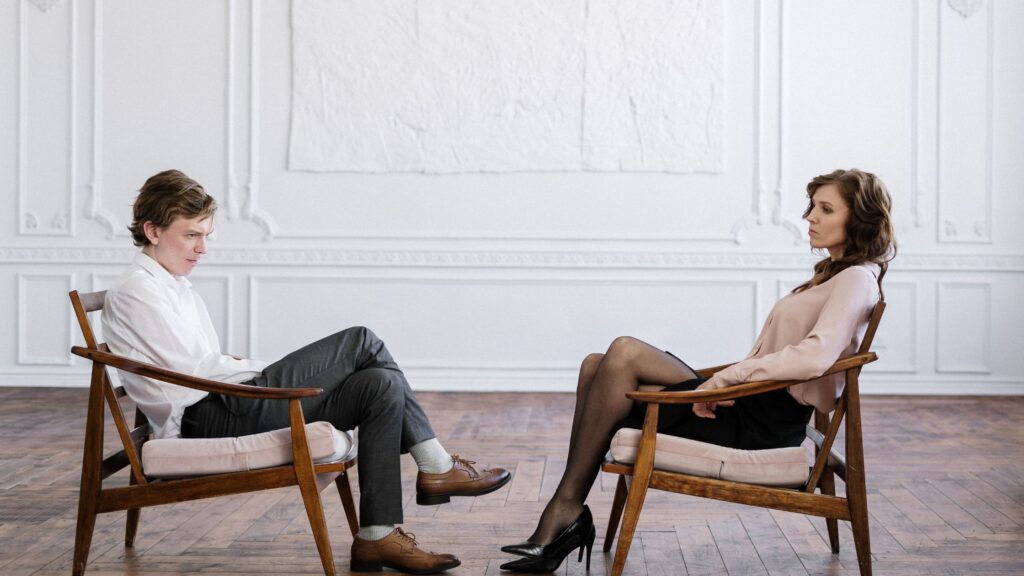
Depression is one of the most common mental health challenges worldwide, affecting people of all ages, cultures, and backgrounds. Yet one question continues to spark debate, curiosity, and even controversy: Are men or women more depressed? At first glance, research appears to offer a clear answer. But when we look deeper—beyond numbers, diagnoses, and stereotypes—the reality becomes far more complex.
This article explores depression in men and women by examining biological factors, social expectations, emotional expression, and help-seeking behaviors. Rather than declaring a “winner” in suffering, the goal is to understand how and why depression manifests differently across genders.
Also Read: When Growing Up Feels Heavy: Understanding the Silent Stress in Teenagers
Table of Contents
Understanding Depression: A Shared Human Experience
Depression is more than feeling sad or having a bad day. It is a clinical condition marked by persistent feelings of hopelessness, loss of interest, fatigue, changes in sleep and appetite, difficulty concentrating, and, in severe cases, thoughts of self-harm or suicide. While anyone can experience depression, gender plays a significant role in how symptoms appear, how they are reported, and how they are treated.
Globally, mental health studies often report that women are diagnosed with depression nearly twice as often as men. However, men have higher suicide rates in many countries. This paradox raises an important question: are women more depressed, or are men simply less likely to be diagnosed?
Why Depression Appears More Common in Women
Research consistently shows higher reported rates of depression among women. Several factors contribute to this trend.
1. Biological and Hormonal Factors
Women experience significant hormonal changes throughout life—during puberty, menstruation, pregnancy, postpartum periods, and menopause. Fluctuations in estrogen and progesterone can affect mood regulation and stress response, increasing vulnerability to depression at certain stages.
2. Social and Emotional Conditioning
From a young age, women are often encouraged to be emotionally expressive. They are more likely to acknowledge sadness, seek support, and talk openly about mental health struggles. This openness leads to higher diagnosis rates, not necessarily higher actual prevalence.
3. Social Pressures and Gender Roles
Women frequently juggle multiple roles—career responsibilities, caregiving, household management, and emotional labor. Societal expectations to “do it all” can create chronic stress, burnout, and feelings of inadequacy, all of which increase depression risk.
4. Exposure to Trauma and Inequality
Women are statistically more likely to experience certain forms of trauma, such as domestic violence, sexual harassment, and abuse. Gender-based discrimination and inequality further compound mental health risks.
Depression in Men: The Hidden Struggle
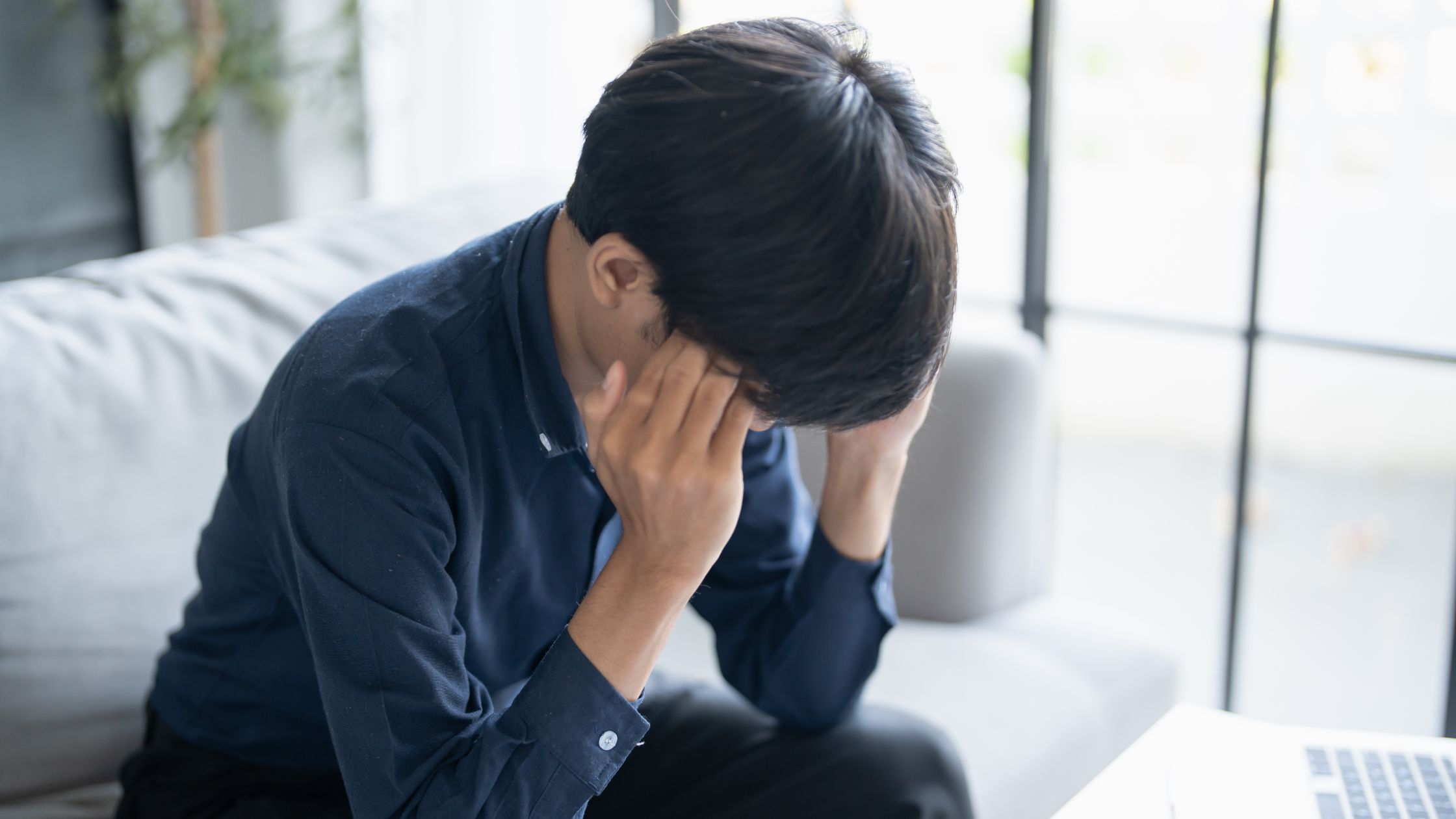
While men are diagnosed with depression less frequently, this does not mean they suffer less. In fact, male depression is often underreported, misunderstood, and masked.
1. Cultural Expectations of Masculinity
Many societies teach men to be strong, self-reliant, and emotionally restrained. Expressing vulnerability is often seen as weakness. As a result, men may suppress feelings of sadness, fear, or hopelessness rather than acknowledging them.
2. Different Symptom Expression
Men are less likely to report classic symptoms like crying or verbal sadness. Instead, depression in men may appear as irritability, anger, risk-taking behavior, substance abuse, workaholism, or emotional withdrawal. These signs are frequently overlooked or misattributed.
3. Lower Help-Seeking Behavior
Men are less likely to seek professional help for mental health issues. Fear of judgment, stigma, or appearing “weak” prevents many from accessing therapy or counseling. Consequently, depression may go undiagnosed for years.
4. Higher Suicide Rates
One of the most alarming indicators of male depression is suicide statistics. In many countries, men die by suicide at significantly higher rates than women. This suggests that while women may report more depression, men often experience more severe, untreated outcomes.
Are Statistics Telling the Whole Truth?
When asking whether men or women are more depressed, it’s essential to question how depression is measured. Most data relies on self-reported symptoms, clinical visits, and diagnoses. Since women are more likely to seek help and talk about emotions, they naturally appear more frequently in statistics.
Men, on the other hand, may be suffering silently. Their depression often surfaces through behavior rather than words, making it less visible to healthcare systems. This means that reported prevalence does not equal actual prevalence.
In reality, depression affects both genders deeply—but in different ways and through different pathways.
Through my experience, I feel that men are more depressed than women. Because men struggle silently, on the other hand, women express their depression loudly.
The Role of Society and Stigma
Mental health stigma affects everyone, but it impacts men and women differently. Women may be dismissed as “overemotional,” while men may be told to “man up.” Both responses are harmful and prevent genuine understanding and healing.
Social media, economic pressure, changing family structures, and global uncertainty have intensified mental health challenges for all genders. Ignoring male depression or minimizing female suffering only deepens the crisis.
Moving Toward Gender-Sensitive Mental Health Care
Rather than debating who is more depressed, a more productive question is: How can we support everyone better?
- Encourage emotional expression in all genders, starting from childhood.
- Normalize mental health conversations for men and women alike.
- Train healthcare providers to recognize gender-specific signs of depression.
- Challenge harmful stereotypes around masculinity and femininity.
- Promote early intervention and accessible mental health services.
Depression does not discriminate—but society often does.
Conclusion: Not a Competition, but a Collective Responsibility
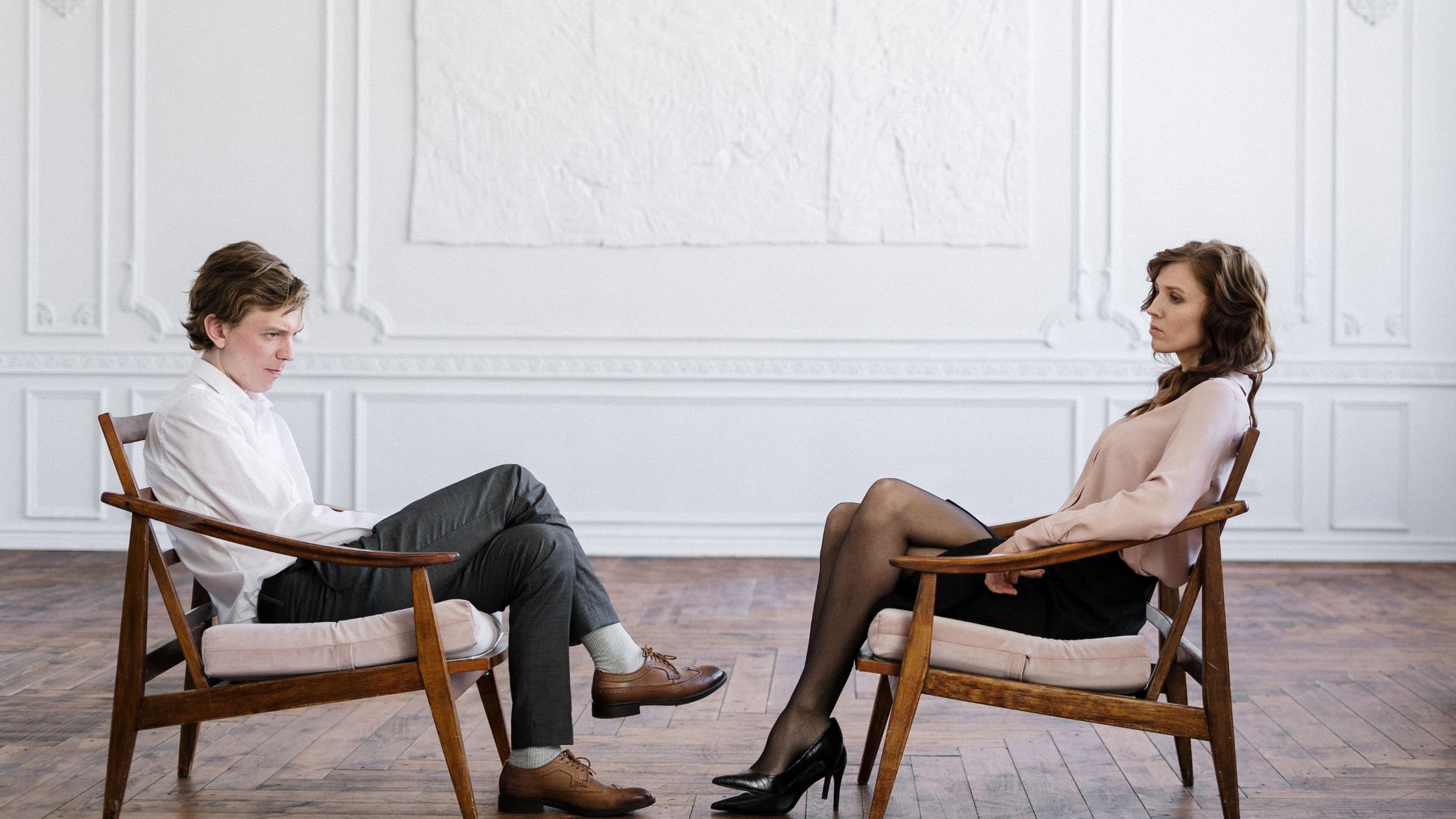
So, are men or women more depressed? The honest answer is: both—and neither. Women are more likely to be diagnosed; men are more likely to suffer in silence. Women tend to internalize pain; men often externalize it. The suffering is real on both sides, even if it looks different.
Depression should never be treated as a gendered competition. Instead, it should be recognized as a shared human challenge that demands empathy, awareness, and action. When we move beyond statistics and stereotypes, we make space for healing—for everyone.
lso Read: Men and women: statistics