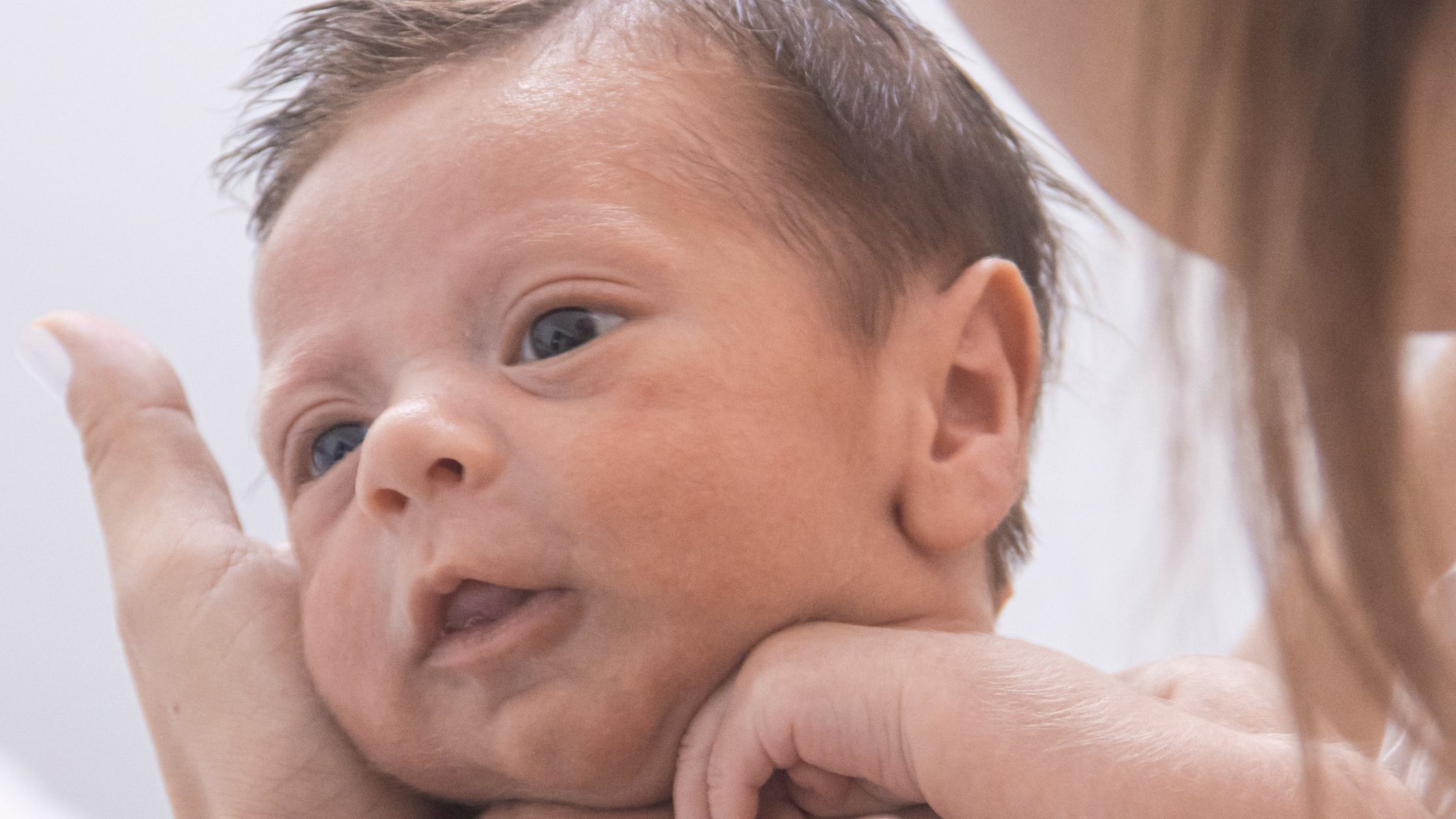
Exploring the common causes of Anemia In Infants and why early detection matters.
Anemia in infants is a common but often misunderstood health condition. Because babies grow rapidly during their first year of life, their bodies require a steady supply of nutrients—especially iron—to produce healthy red blood cells.
When this balance is disrupted, anemia can develop. While mild anemia may go unnoticed, more severe or prolonged anemia can affect an infant’s growth, immunity, and overall development. Understanding the causes of anemia in infants is the first step toward prevention, early diagnosis, and effective care.
Table of Contents
What Is Anemia in Infants?
Anemia occurs when the number of red blood cells or the amount of hemoglobin in the blood is lower than normal. Hemoglobin is a protein that carries oxygen from the lungs to the rest of the body. In infants, low hemoglobin levels mean less oxygen reaches vital organs, including the brain. This can lead to symptoms such as pale skin, fatigue, poor feeding, slow weight gain, and increased susceptibility to infections.
Infant anemia can be temporary or chronic, mild or severe, depending on the underlying cause.
Iron Deficiency: The Most Common Cause
Iron deficiency anemia is by far the most common type of anemia in infants worldwide. Iron is essential for making hemoglobin, and infants have high iron needs due to rapid growth.
Key reasons for iron deficiency include:
- Low iron stores at birth, especially in premature or low-birth-weight babies
- Delayed introduction of iron-rich complementary foods after six months
- Exclusive consumption of cow’s milk before one year of age, which is low in iron and can interfere with iron absorption
- Poor dietary intake in formula-fed infants using non–iron-fortified formula
Infants born to mothers with anemia during pregnancy are also at higher risk of iron deficiency.
Premature Birth and Low Birth Weight
Premature infants are more prone to anemia because most iron is transferred from mother to baby occurs during the last trimester of pregnancy. When a baby is born early, iron stores are naturally lower. Additionally, premature babies often require frequent blood tests in neonatal care, which can further reduce their red blood cell count.
Low-birth-weight infants face similar challenges, as their iron reserves may not be sufficient to meet postnatal growth demands.
Also Read: 10 Strong Causes of Preterm Birth: Born Too Soon
Nutritional Deficiencies Beyond Iron
While iron deficiency is the leading cause, other nutrient deficiencies can also contribute to anemia in infants:
- Vitamin B12 deficiency: Often seen in infants born to mothers who follow strict vegetarian or vegan diets without supplementation.
- Folate deficiency: Essential for red blood cell production; low levels can impair normal blood formation.
- Protein deficiency: Inadequate overall nutrition can affect bone marrow function and red blood cell production.
These deficiencies are more common in infants with poor feeding, malabsorption issues, or inadequate maternal nutrition.
Inherited Blood Disorders
Some infants are born with genetic conditions that affect red blood cells. These conditions may cause anemia from birth or develop in early infancy.
Common inherited causes include:
- Thalassemia: A genetic disorder affecting hemoglobin production, more common in certain populations.
- Sickle cell disease: Causes abnormal red blood cells that break down easily, leading to chronic anemia.
- Hereditary spherocytosis: A condition where red blood cells are fragile and destroyed prematurely.
These disorders often require long-term medical management and regular monitoring.
Infections and Chronic Illnesses
Infections can temporarily suppress red blood cell production or increase their destruction. Recurrent or chronic infections may lead to anemia of inflammation, where the body has iron but cannot use it effectively.
Chronic conditions such as kidney disease, liver disorders, or inflammatory illnesses can also interfere with red blood cell production and lifespan, increasing the risk of anemia in infants.
Also Read:
Blood Loss
Blood loss, though less common, is an important cause of anemia in infants. It can occur due to:
- Gastrointestinal bleeding from conditions like milk protein allergy
- Hookworm infestation in older infants in certain regions
- Excessive blood sampling in hospitalized or premature infants
Even small but repeated blood losses can significantly impact an infant’s hemoglobin levels.
Poor Iron Absorption
Sometimes, infants consume enough iron, but their bodies cannot absorb it properly. Conditions affecting the digestive system, such as celiac disease or chronic diarrhea, can impair nutrient absorption. Feeding practices also matter—iron absorption can be reduced when iron-rich foods are given with substances that inhibit absorption.
Maternal Factors During Pregnancy
A mother’s health plays a crucial role in an infant’s risk of anemia. Maternal anemia, poor nutrition, infections, or chronic illnesses during pregnancy can all affect the baby’s iron stores at birth. Limited prenatal care and inadequate iron supplementation during pregnancy further increase this risk.
Why Early Detection Is Important
Untreated anemia in infancy can have long-term effects on cognitive development, behavior, and physical growth. Because symptoms may be subtle, routine screening and regular pediatric check-ups are essential, especially for high-risk infants such as preterm babies or those with poor weight gain.
Conclusion
Anemia in infants has multiple causes, ranging from simple nutritional deficiencies to complex genetic disorders. Iron deficiency remains the most common and preventable cause, but factors such as premature birth, infections, inherited conditions, and maternal health also play significant roles.
With proper awareness, balanced nutrition, timely screening, and appropriate medical care, most cases of infant anemia can be effectively managed or prevented. Understanding the causes empowers parents and caregivers to take early action, ensuring healthier growth and brighter developmental outcomes for their babies.