Postpartum Changes: A Complete Guide to Physical, Skin, Hair, and Emotional Changes After Baby Arrives.
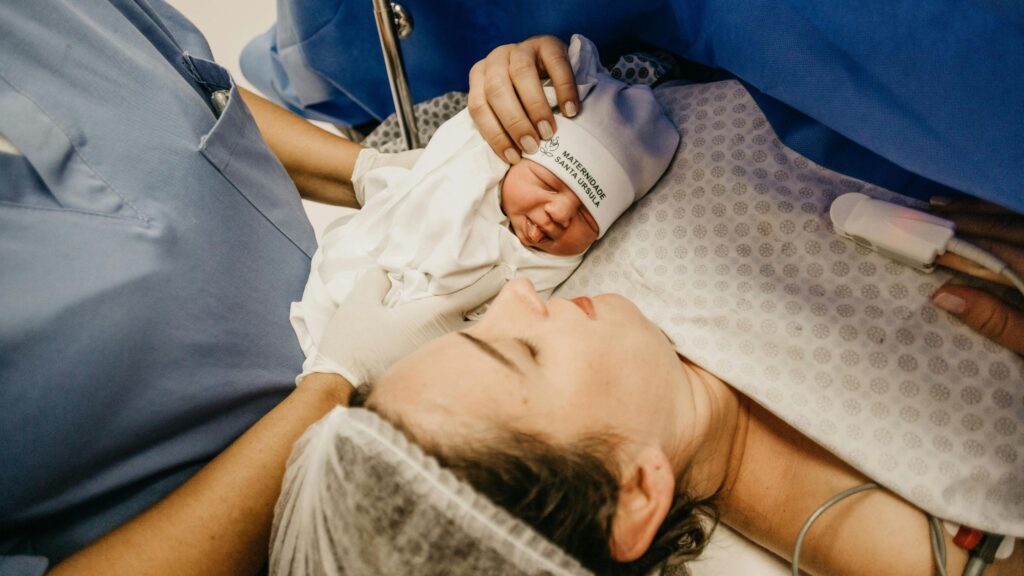
The postpartum period—often called the “fourth trimester”—is a time of immense transformation. While welcoming a new baby is joyful, many women are surprised by the physical, skin, and emotional changes their bodies go through after delivery. These changes are natural responses to pregnancy, childbirth, and hormonal shifts, yet they are rarely discussed openly. Understanding postpartum changes can help new mothers feel reassured, confident, and better prepared for recovery.
This article explores the most common postpartum changes of the body, skin, hair, and overall health, along with gentle care tips to support healing and self-love during this phase.
Table of Contents
What Is the Postpartum Period?
The postpartum period begins immediately after childbirth and typically lasts for six weeks, though many changes continue for several months or even a year. During this time, the body works hard to return to its pre-pregnancy state while adapting to breastfeeding, sleep deprivation, and new emotional responsibilities.
Postpartum Body Changes
1. Weight Changes and Body Shape
After delivery, many women expect their bodies to “bounce back” quickly. However, postpartum weight loss is a gradual process. While some weight is lost immediately due to the baby, placenta, and fluids, the remaining weight may take months to reduce.
Changes in body shape—such as wider hips, softer abdomen, or fuller breasts—are normal. These shifts reflect the body’s incredible ability to support pregnancy and birth. After postpartum, I’ve lost my weight ridiculously, but my mom said, “Don’t be afraid, my child, it’s a common issue. And I understand the whole situation & not to panic.
2. Abdominal Changes and Loose Skin
The abdominal muscles stretch significantly during pregnancy. After delivery, the stomach may appear loose or saggy, and the uterus takes time to shrink back to its original size. Some women experience diastasis recti, a separation of abdominal muscles, which can improve with time and guided exercises.
3. Breast Changes
Breasts often become fuller, heavier, or tender, especially during breastfeeding. Nipples may darken or become sensitive. After weaning, breasts may reduce in size or firmness—this is a normal postpartum change.
Postpartum Skin Changes
1. Stretch Marks (Striae)
Stretch marks are the most common Postpartum Changes, commonly appearing on the abdomen, breasts, thighs, and hips. They often look red or purple initially and fade to a lighter shade over time. While they may not disappear completely, moisturizing regularly can improve their appearance.
2. Hyperpigmentation
Hormonal changes can cause dark patches on the skin, known as melasma or the “mask of pregnancy.” Areas like the face, neck, underarms, and inner thighs may appear darker. These patches usually fade gradually after childbirth.
3. Dry or Sensitive Skin
Many women experience dry, itchy, or sensitive skin postpartum due to hormonal fluctuations and dehydration. Using gentle, fragrance-free skincare products can help soothe the skin.
4. Acne and Breakouts
Postpartum hormone shifts may trigger acne, even in women who never had it before. This is temporary and often settles as hormones stabilize.
Hair and Nail Changes After Delivery
1. Postpartum Hair Loss
One of the most alarming postpartum changes is hair loss. During pregnancy, high estrogen levels prevent hair shedding, resulting in thicker hair. After delivery, estrogen drops, causing increased hair shedding—called postpartum telogen effluvium. This typically peaks around 3–6 months postpartum and resolves naturally.
2. Changes in Hair Texture
Some women notice changes in hair texture—hair may feel drier, curlier, or thinner. These changes often improve within a year.
3. Nail Changes
Brittle or weak nails can occur due to nutritional deficiencies or hormonal shifts. A balanced diet helps restore nail health. Hormonal and Internal Changes
1. Hormonal Fluctuations
After childbirth, levels of estrogen and progesterone drop sharply. This affects mood, skin, hair, and energy levels. Hormones gradually stabilize, especially after breastfeeding has reduced or stopped.
2. Menstrual Cycle Changes
Periods may return within 6–8 weeks if not breastfeeding. For breastfeeding mothers, menstruation may be delayed for several months. Initial cycles may be irregular or heavier.
3. Vaginal and Pelvic Changes
Vaginal soreness, dryness, or reduced tone is common after delivery. Pelvic floor muscles may weaken, leading to urinary leakage. Pelvic floor exercises (Kegels) can significantly help recovery.
Emotional and Mental Changes
1. Baby Blues
Up to 80% of new mothers experience mood swings, anxiety, tearfulness, or irritability within the first two weeks postpartum. These feelings are common Postpartum Changes, are temporary and usually resolve on their own.
2. Postpartum Depression
If sadness, hopelessness, or anxiety persist beyond two weeks or interfere with daily life, it may indicate postpartum depression. Seeking professional help is crucial and highly effective.
3. Body Image and Self-Confidence
Adjusting to a changed body can be emotionally challenging. Unrealistic expectations fueled by social media often worsen self-esteem. Remember, healing takes time, and everybody recovers differently.
Eat a balanced diet rich in fruits, vegetables, whole grains, protein, and healthy fats. Proper nutrition supports skin healing, hair growth, and overall recovery.
2. Stay Hydrated
Drinking enough water improves skin elasticity, supports breastfeeding, and boosts energy levels.
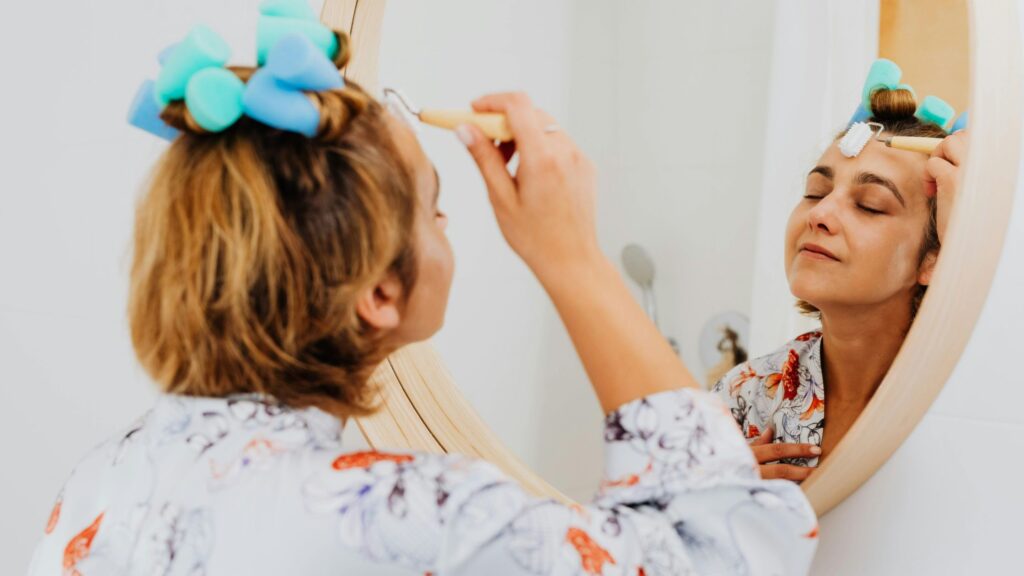
3. Gentle Skincare Routine
Use mild cleansers, moisturizers, and sunscreen. Avoid harsh treatments during the early postpartum months.
4. Light Physical Activity
Once approved by your doctor, gentle exercises like walking or postnatal yoga can help tone muscles and improve mood.
5. Prioritize Rest and Support
Sleep deprivation affects skin, hormones, and emotional health. Accept help from family and prioritize rest whenever possible.
Embracing Postpartum Changes with Compassion
Postpartum changes are not flaws—they are signs of strength, resilience, and motherhood. Your body has accomplished something extraordinary. Instead of rushing recovery, allow yourself grace and patience.
With time, care, and support, most postpartum changes gradually improve. More importantly, learning to appreciate your body for what it has done can transform this phase into one of self-growth and empowerment.
Conclusion
Postpartum changes are a powerful period of transformation, not just the arrival of a newborn but the rebirth of a mother. The changes in body shape, skin, hair, hormones, and emotions after childbirth are natural responses to pregnancy and delivery. Stretch marks, loose skin, hair fall, mood swings, and fatigue are not signs of weakness—they are reminders of the incredible journey your body has completed.
Instead of rushing to “bounce back,” it is important to focus on healing, nourishment, and self-care. Gentle skincare, balanced nutrition, hydration, light physical activity, and emotional support play a vital role in recovery. Most postpartum changes gradually improve with time, patience, and consistent care.
Every mother’s experience is unique, and comparison only adds unnecessary pressure. Embracing these changes with kindness and understanding helps build confidence and emotional well-being. Seeking support—from family, healthcare providers, or mental health professionals—is a sign of strength, not failure.
Above all, remember that Postpartum Changes in your body tell a story of resilience, love, and strength. Celebrate what your body has achieved, honor its healing process, and give yourself the grace you truly deserve during this beautiful, life-changing phase of motherhood.