Stop Your Kid from Hitting Others

Every parent wants their child to grow up kind, caring, and emotionally strong. But sometimes children behave in ways that leave parents confused and embarrassed—like hitting others.
Whether it happens during playtime, arguments, or sudden bursts of frustration, hitting is a common behavior among young kids, especially toddlers and preschoolers.
The good news is that hitting is not a sign of bad parenting or a “bad child.” It means your child is still learning how to express big emotions properly.
With patience, gentle guidance, and consistent teaching, you can help your child learn to stop hitting others.
Why Do Kids Hit? Understanding the Root Cause
Before correcting the behavior, it’s important to understand why hitting happens. Children don’t usually hit because they want to be mean; they hit because they don’t yet have the skills to manage their emotions. So to Stop Your Kid from Hitting Others follow the rules below.
Table of Contents
- Frustration or anger: A child might hit when something doesn’t go their way—like losing a toy or waiting for a turn.
- Communication difficulties: Kids who are still developing language skills may hit because they cannot express what they need or feel.
- Impulse control: Young children act quickly on emotions before thinking about consequences.
- Seeking attention: Sometimes hitting is a way to get noticed—even if the reaction is negative.
- Overstimulation or tiredness: When kids are hungry, sleepy, or overwhelmed, self-control becomes harder.
Recognizing the trigger helps you respond calmly rather than emotionally, which teaches your child healthy communication an Stop Your Kid from Hitting Others.
Also read:Improve Communication Skills in Children: 9 Simple and Effective Ways
Stay Calm—Your Reaction Matters
When a child hits, adults often feel shocked or angry. But reacting with yelling or punishment can make the situation worse. Children learn more from what they see than what they hear. If we teach them to stop aggression by using aggression—shouting, spanking, or blaming—they may begin to believe that hitting is an acceptable way to show anger. So feel their emotion deeply to Stop Your Kid from Hitting Others
Instead, take a deep breath, stay calm, and speak in a firm but gentle tone. A calm adult presence helps the child feel safe and teaches emotional control to Stop Your Kid from Hitting Others
‘Set Clear Rules and Boundaries. ‘ Children need to know what behavior is acceptable and what is not. After an incident, firmly but kindly say something like.
- “Hitting hurts. We don’t hit people.”
- “You can feel angry, but you cannot hit.”
Do not use long lectures; kids respond better to short and clear statements. Repeat the rule every time hitting occurs—consistency helps children learn faster.
Teach Safe Ways to Express Big Emotions
Stopping the behavior is not enough—kids also need new tools to express their feelings. You can teach emotional alternatives such as:
- Saying “I’m mad” instead of hitting
- Asking an adult for help
- Walking away from a triggering situation
- Using calming strategies like deep breathing
Some useful phrases kids can learn:
- “Can I have my turn please?”
- “Stop, I don’t like that.”
- “I need space.”
Practice these phrases during calm moments so the child can use them when upset.
Redirect Physical Energy
Some children hit because they have high energy or big emotions trapped in their bodies. Giving them safe physical outlets helps release energy without hurting others. Try to Stop Your Kid from Hitting Others follow the rules below
- Throwing soft balls into a basket
- Pushing a pillow
- Jumping on a trampoline or bed
- Running races or outdoor play
Physical play is necessary for emotional health, and when children get enough exercise, then you can Stop Your Kid from Hitting Others naturally.
Use Time-In, Not Time-Out
Instead of sending your child away when they hit, try bringing them close. This is called a time-in. Hitting often happens when a child feels overwhelmed; at that moment, they need connection and guidance, not isolation.
Sit with your child and say:
- “You’re having a hard time. I’m here to help you calm down.”
This builds trust and teaches emotional regulation more effectively than punishment.
Model the Behavior You Want to See
Kids learn from watching adults. If you solve conflicts calmly, they will eventually copy you. Show them how you handle frustration by saying things like
- “I feel upset, so I’m taking a deep breath.”
- “I need a moment to calm down.”
When kids see emotional strength instead of anger, they learn self-control from example and Stop Kid from Hitting Others
Praise Gentle and Positive Behavior
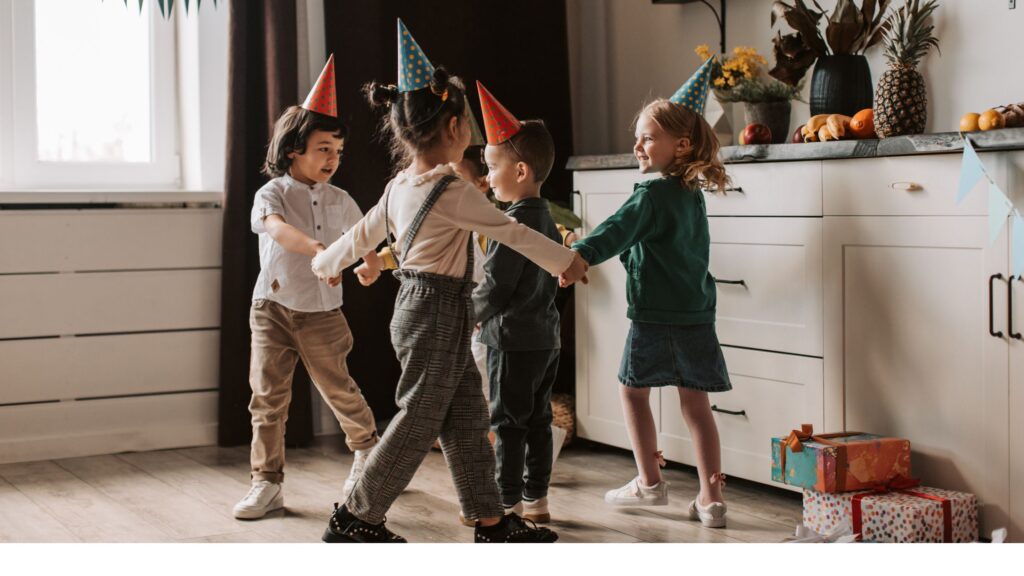
Children repeat behaviors that get attention. So, make sure you notice when your child chooses kindness its transform to Stop Your Kid from Hitting Others
- “You waited so patiently for your turn—great job!”
- “You were upset and used your words instead of hitting. I’m proud of you!”
Positive reinforcement increases cooperation and teaches kids that gentle actions feel good—and are recognized.
Create a Calm Environment and Routine
Kids feel safe when they know what to expect. Predictable routines, enough sleep, healthy food, and balanced schedules reduce emotional overload. Also, monitor exposure to violent cartoons or games— to Stop Your Kid from Hitting Others
A peaceful environment builds peaceful behavior.
Help Your Child Build Social Skills
Hitting often decreases when children learn how to interact with others. Encourage:
- Sharing toys
- Taking turns
- Cooperative games
- Group activities
If your child struggles socially, practice pretend play at home. For example, you can role-play taking turns with toys or solving arguments with words.
Be Patient—Change Takes Time
Learning not to hit doesn’t happen overnight. Children need repeated practice, reminders, and emotional support. Expect progress with occasional setbacks. Celebrate small improvements and keep guiding with love and consistency.
When to Seek Professional Help
In most cases, hitting is a normal developmental phase. But consider seeking a child psychologist or pediatrician if you can’t to Stop Your Kid from Hitting Others
- Hitting continues for a long time despite guidance
- There is severe aggression or self-harm
- Your child hurts others intentionally or frequently
- You feel overwhelmed or unsure how to handle the behavior
Support is a sign of strength, not failure.
Final Thoughts
Stopping a child from hitting is not about punishment—it is about teaching. Kids hit when they don’t yet have the skills to express emotions safely. As parents and caregivers, we can guide them with patience, empathy, and consistent boundaries. When children feel understood and supported, they slowly learn that gentleness, communication In that way you can Stop Your Kid from Hitting Others.
Also Read:How Do I Help My Mad Toddler Express Anger in a Healthier Way?