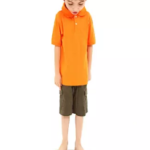
Child obesity has become one of the most serious health concerns across the world. With increasing access to processed foods, reduced physical activity, and changing lifestyle patterns, more children today are gaining excess weight at an early age.
Obesity is not just about body size; it is a complex condition that affects a child’s health, emotions, confidence, and overall well-being. Understanding the causes and effects of child obesity is the first step toward building healthier habits and preventing long-term health problems.
Table of Contents
What Is Child Obesity?
Child obesity is a condition where a child has an excessive amount of body fat that may negatively affect their health. Doctors often use Body Mass Index (BMI) charts based on age and gender to determine whether a child falls into the overweight or obese category. While every child’s body is different, obesity indicates that the body weight is higher than what is considered healthy for the child’s age and height.
Causes of Child Obesity
Child obesity does not have a single cause. It is often the result of a combination of lifestyle, environmental, and sometimes genetic factors. Here are the major causes:
1. Unhealthy Eating Habits
One of the most common causes of child obesity is a diet high in calories but low in nutrients. Children today often consume:
Fast food and fried snacks
Sugary drinks like soda and packaged juices
Processed foods with high fat, sugar, and salt
Packaged sweets, chocolates, and bakery items
These foods provide extra calories but do not offer essential vitamins and minerals. Over time, consuming more calories than the body needs leads to weight gain.
Physical activity plays a major role in maintaining a healthy weight. However, many children today lead a sedentary lifestyle. Instead of outdoor play, they spend hours watching TV, using mobile phones, playing video games, or sitting with digital devices. When a child eats more and moves less, their body stores the unused calories as fat, causing weight gain.
3. Family Lifestyle and Habits
Children learn from their environment. If the family follows unhealthy eating patterns—such as eating late at night, relying on junk food, skipping breakfast, or not including fruits and vegetables in meals—the child is likely to adopt the same habits. Similarly, if parents are not physically active, children may not feel encouraged to exercise.
4. Genetic Factors
Genetics also play a role in child obesity. If one or both parents are overweight or obese, the child has a higher chance of gaining excess weight. However, genes alone do not cause obesity; they simply increase susceptibility. When genetic risk is combined with an unhealthy lifestyle, obesity becomes more likely.
5. Psychological Factors
Some children eat more when they feel stressed, bored, sad, or lonely. Emotional eating can cause them to consume unhealthy comfort foods, leading to weight gain. Children who face family issues, academic pressure, or bullying may turn to food for relief.
6. Lack of Sleep
Sleep affects hormones that control hunger. Children who do not get enough sleep often feel hungrier during the day and may crave sugary or high-fat foods. Poor sleep also reduces energy levels, making the child less active.
7. Socioeconomic Factors
Families with limited access to healthy food options may rely on cheap, processed foods. Additionally, lack of safe parks or playgrounds in some communities prevents children from engaging in physical activities.
Effects of Child Obesity
Child obesity has serious effects on physical, emotional, and social health. These effects may appear during childhood and continue into adulthood.
A. Physical Effects
1. Increased Risk of Chronic Diseases
Obese children are more likely to develop health problems such as:
Type 2 diabetes
High blood pressure
High cholesterol
Fatty liver disease
Asthma and breathing difficulties
Joint and bone problems
These conditions were once seen mostly in adults but are now becoming common in children due to obesity.
2. Early Puberty
Excess body fat can interfere with hormone levels, causing early puberty in children, especially girls. Early puberty can lead to physical discomfort and emotional challenges.
3. Sleep Problems
Obese children often suffer from sleep apnea, a condition where breathing stops and starts during sleep. Poor sleep quality affects overall health, concentration, and mood.
B. Emotional and Psychological Effects
1. Low Self-Esteem and Body Image Issues
Children who are overweight may feel embarrassed or insecure about their appearance. This can lower their self-esteem, making them avoid social activities or feel uncomfortable in school.
2. Bullying and Social Isolation
Obese children are more likely to face teasing or bullying from peers. This can lead to feelings of sadness, loneliness, or withdrawal from social interactions.
3. Depression and Anxiety
Continuous criticism, body shaming, and poor self-image may cause mental health issues such as anxiety or depression. Emotional stress may also push children into overeating, creating a harmful cycle.
C. Long-Term Effects into Adulthood
If obesity continues into adulthood, the risks become even more serious. Obese adults are more likely to develop:
Heart disease
Stroke
Kidney problems
Certain cancers
Reduced life expectancy
Adult obesity also increases the chances of infertility, mobility issues, and chronic joint pain.
How Can We Prevent Child Obesity?
Preventing obesity is easier than treating it. Families, schools, and communities play an important role in helping children stay healthy. Here are some effective strategies:
1. Encourage Healthy Eating
Provide home-cooked meals.
Include fruits, vegetables, whole grains, and lean proteins.
Reduce sugary drinks and replace them with water.
Limit junk food and packaged snacks.
2. Promote Daily Physical Activity
Encourage at least 60 minutes of activity every day.
Outdoor play, cycling, swimming, and sports help burn calories.
Reduce screen time to 1–2 hours per day.
3. Build Healthy Family Routines
Eat meals together as a family.
Set regular bedtimes and ensure sufficient sleep.
Make physical activity a family habit.
4. Support Children Emotionally
Listen to their feelings.
Avoid body shaming.
Praise effort, not appearance.
Conclusion
Child obesity is not just a physical issue—it is a serious health challenge that affects a child’s future well-being. Understanding the causes helps parents and caregivers create a supportive environment where children can develop healthy habits. By promoting balanced eating, regular exercise, emotional support, and proper sleep, families can protect children from the long-term effects of obesity. Preventing child obesity is ultimately a shared responsibility, and small daily steps can make a big difference in helping children live healthier, happier lives.