Educational Games for Kids

Children learn best when they are engaged, curious, and having fun. That’s why Educational Games for Kids become one of the most effective tools for supporting early development. Whether played at home or school, these games blend fun with learning, helping children absorb new concepts without feeling pressured. From improving problem-solving skills to boosting creativity, educational games open the door to joyful learning experiences.
In today’s fast-paced world, where technology is rapidly changing the way kids interact with information, parents often wonder how to make learning enjoyable. Educational Games for Kids offer the perfect balance—they entertain children while guiding them to build essential academic and life skills. Let’s explore how these games support development, the types available, and how you can incorporate them into your child’s routine.
Table of Contents
Why Educational Games Matter
Educational Games for Kids are more than just playful activities. They help strengthen several key skills children need as they grow. Here are some major benefits:
1. Improve Cognitive Skills
Games involving puzzles, memory cards, number matching, or strategy help sharpen thinking abilities. Kids learn to make decisions, notice patterns, and stay mentally active. These Educational Games for Kids stimulate the brain and encourage logical reasoning.
2. Strengthen Academic Knowledge
Many games are designed around school subjects like math, reading, science, and language. When children practice through play, they learn faster and retain information longer. Educational Games for Kids make challenging lessons easier because they break concepts into small, manageable tasks.
3. Boost Creativity and Imagination
Building games, drawing apps, and storytelling activities encourage kids to think creatively. They learn to experiment, design, and express ideas freely. Creative thinking plays a big role in solving real-life problems and helps children become more confident.
Also Read: 12 Fun Mental Health Activities For Kids: Simple Ways to Boost Their Emotional Well-Being
4. Encourage Healthy Competition
Many educational games allow kids to compete with themselves or others. A bit of competition teaches children important values like patience, resilience, and sportsmanship. They learn that winning is fun, but trying again after a mistake is equally important.
5. Support Social and Emotional Development
Educational Games for Kids played in groups or pairs require teamwork, communication, and cooperation. Kids learn to share, take turns, and understand others’ perspectives. These social skills help them build stronger relationships in daily life.
Types of Educational Games for Kids
There are many kinds of Educational Games for Kids available today—digital, physical, indoor, outdoor, individual, and group-based. Here are some popular categories:
1. Learning Apps and Online Games
Technology has made Educational Games for Kids more interactive. Learning apps teach math, reading, science, puzzles, and general knowledge. Many offer colorful animations, music, rewards, and quizzes that encourage children to keep learning. Examples include coding games, phonics apps, and math puzzles.
2. Board Games
Classic board games are excellent for teaching strategy and patience. Games like Scrabble improve vocabulary, while number-based games build basic math skills. Board games also encourage family bonding and playtime away from screens.
3. Puzzle Games
Jigsaw puzzles, tangrams, and brainteasers help develop spatial awareness, concentration, and logical reasoning. Kids learn how different pieces fit together, improving hand-eye coordination and problem-solving skills.
4. Outdoor Educational Games
Outdoor games make learning fresh and active. Activities like nature scavenger hunts teach kids about plants, colors, seasons, and animals. Simple math games with chalk or spelling games with stones bring academics outdoors.
5. Science and Experiment Kits
Kids love hands-on learning. Science activity kits allow them to explore concepts like magnetism, electricity, plants, or simple chemical reactions. These games teach children curiosity and how things work in the world around them.
6. Building and Construction Games
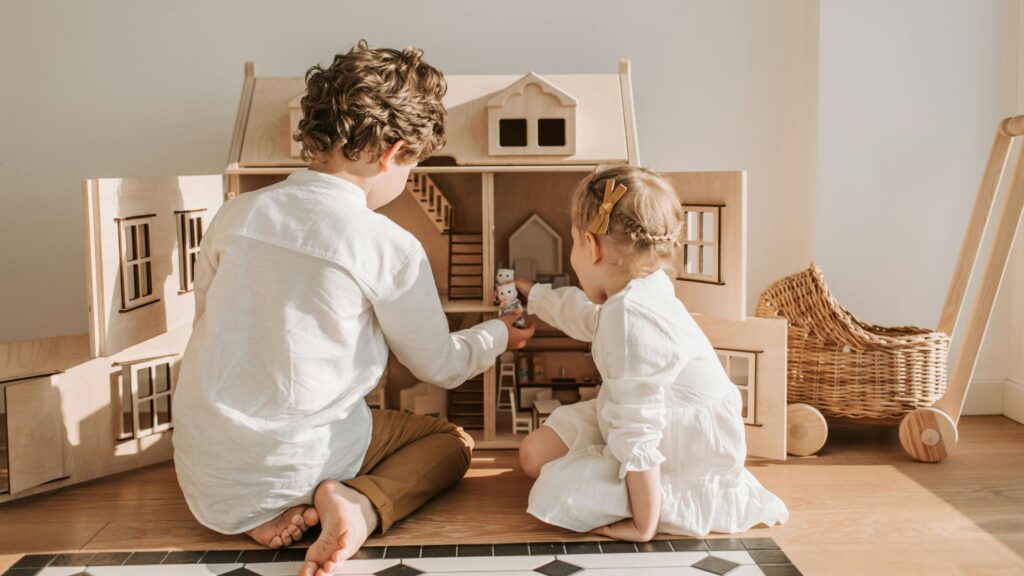
Blocks, Lego, and construction sets encourage creativity, engineering thinking, and fine motor skills. Kids learn to plan, design, and build structures while understanding balance and shape.
7. Art and Craft Games
Drawing challenges, coloring games, and craft-making boost creativity. They help kids develop focus, imagination, and self-expression. Craft sets also improve hand skills and coordination.
How Educational Games Support Different Age Groups
Educational games can be tailored to fit every age, making them a flexible learning tool.
Preschoolers (3–5 years)
At this age, children benefit from simple games that support basic skills. Matching games, alphabet puzzles, shape sorters, and counting toys help strengthen foundational abilities. Games with bright colors and simple rules are ideal.
Early School Age (6–8 years)
Kids in this age group can handle more structured games. Word-building board games, math challenges, science kits, and digital learning apps help them expand academic knowledge. Strategy games also help build thinking abilities.
Preteens (9–12 years)
Older kids enjoy more complex games that involve planning, creativity, and teamwork. Coding games, advanced puzzles, quiz apps, and educational video games foster higher-level thinking. These games build problem-solving, reasoning, and analytical skills.
Tips to Choose the Right Educational Games
Selecting the right game can make a big difference in keeping your child engaged. Here are a few tips:
1. Match the Game to Your Child’s Interests
Children learn faster when they enjoy the activity. If your child loves animals, choose animal-themed learning games. If they like building, try construction sets.
2. Look for Age-Appropriate Content
Games should match your child’s developmental stage. Too easy will cause boredom; too difficult may create frustration. Choose games that offer a gentle challenge.
3. Balance Screen and Non-Screen Games
While digital games are useful, it’s important to combine them with physical games like puzzles, board games, and outdoor activities to ensure balanced development.
4. Encourage Group Play
Many educational games become more fun when played with others. Invite siblings or friends to join—this improves social skills and teamwork.
5. Prioritize Learning Through Fun
Educational games should never feel like homework. Choose games that make learning enjoyable, surprising, and interactive.
Final Thoughts
Educational games play a powerful role in a child’s development. They make learning exciting, help kids discover their strengths, and encourage them to explore the world with curiosity. When children learn through play, they are more motivated, confident, and eager to understand new things. Whether it’s a simple board game at home, a fun app on a tablet, or an outdoor activity in nature—each game contributes to building essential skills for life. By choosing the right educational games, parents can support children’s learning while giving them joyful moments that they will remember for years.
Also Read: 8 Typing Games for Kids and When to Start Playing Them